Department of Radiation Oncology, Guangzhou Institute of Cancer Research, the Affiliated Cancer Hospital, Guangzhou Medical University, Guangzhou, People's Republic of China.
Department of Pathology, Guangzhou Institute of Cancer Research, the Affiliated Cancer Hospital, Guangzhou Medical University, Guangzhou, People's Republic of China.
Ann Med. 2024 Dec;56(1):2405079. doi: 10.1080/07853890.2024.2405079. Epub 2024 Oct 10.
Glioblastoma (GBM) is an aggressive primary brain tumor with a high recurrence rate and poor prognosis. Necroptosis, a pathological hallmark of GBM, is poorly understood in terms of its role in prognosis, tumor microenvironment (TME) alteration, and immunotherapy.
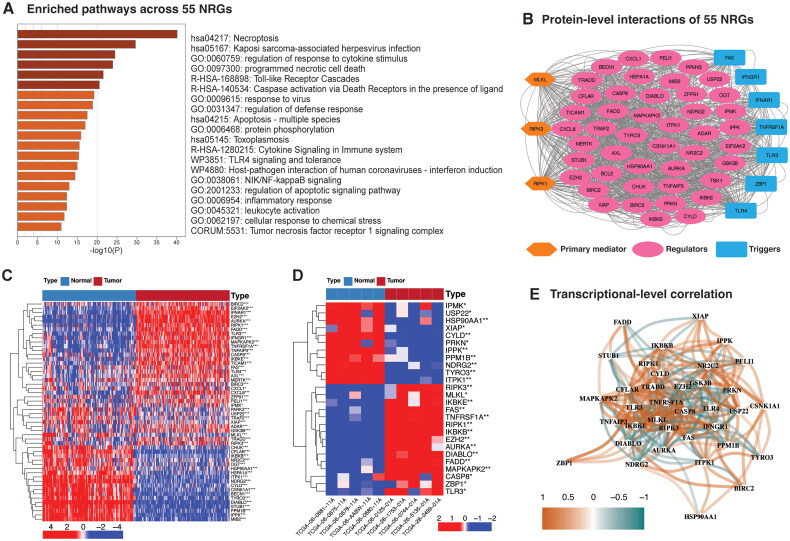
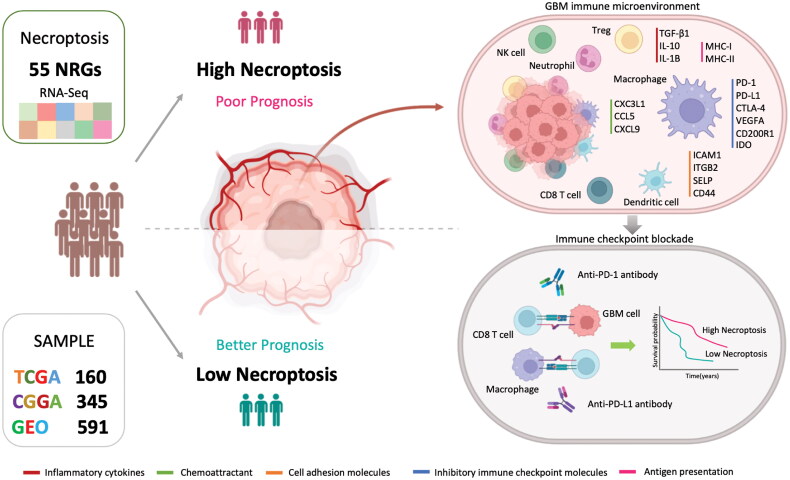
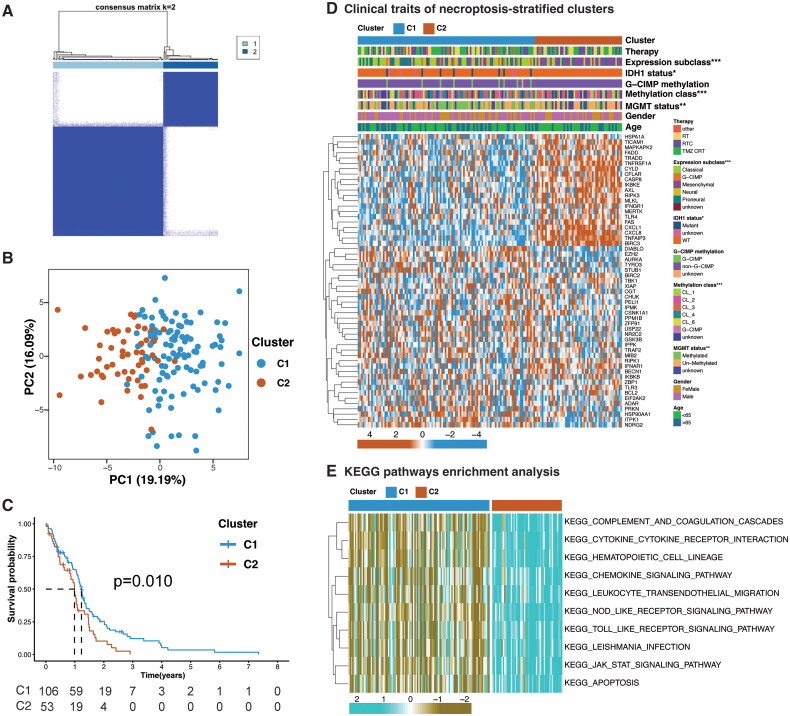
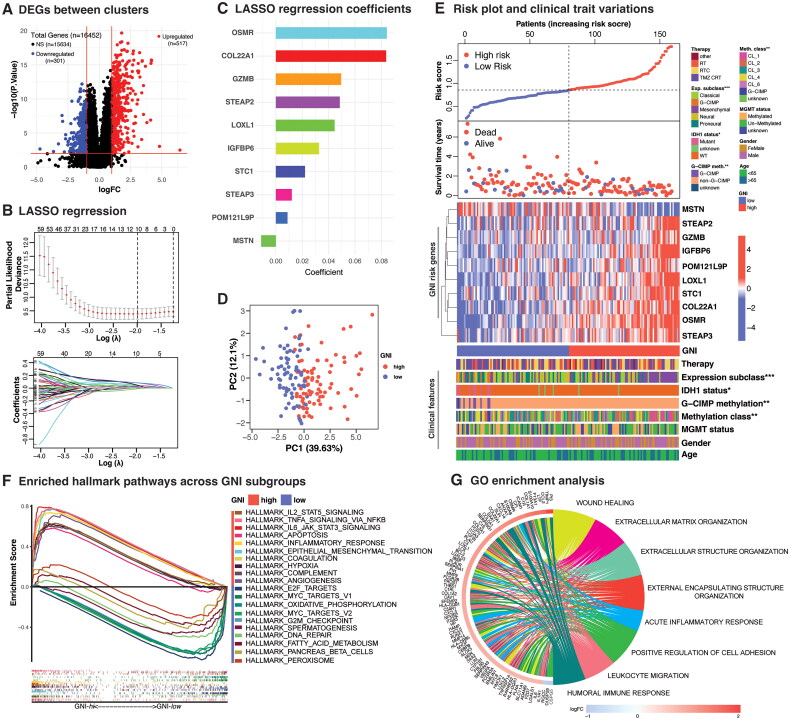
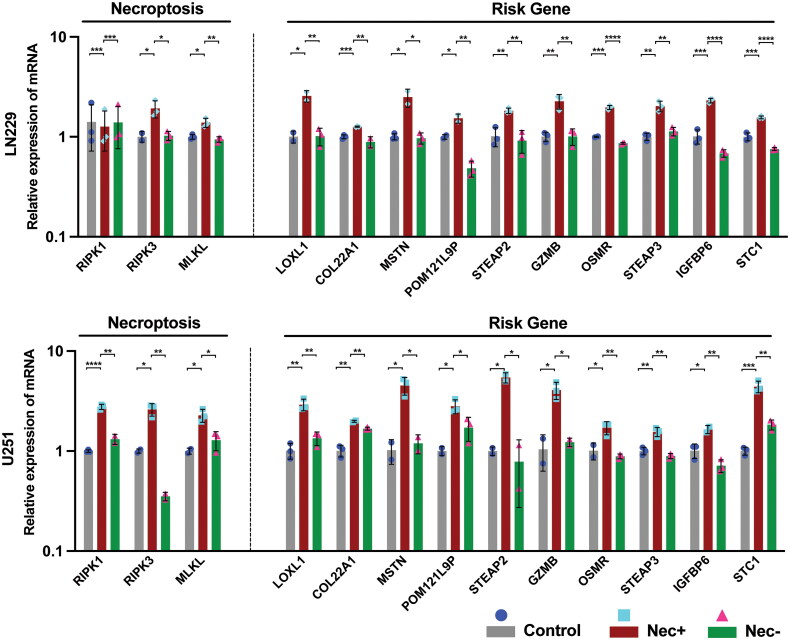
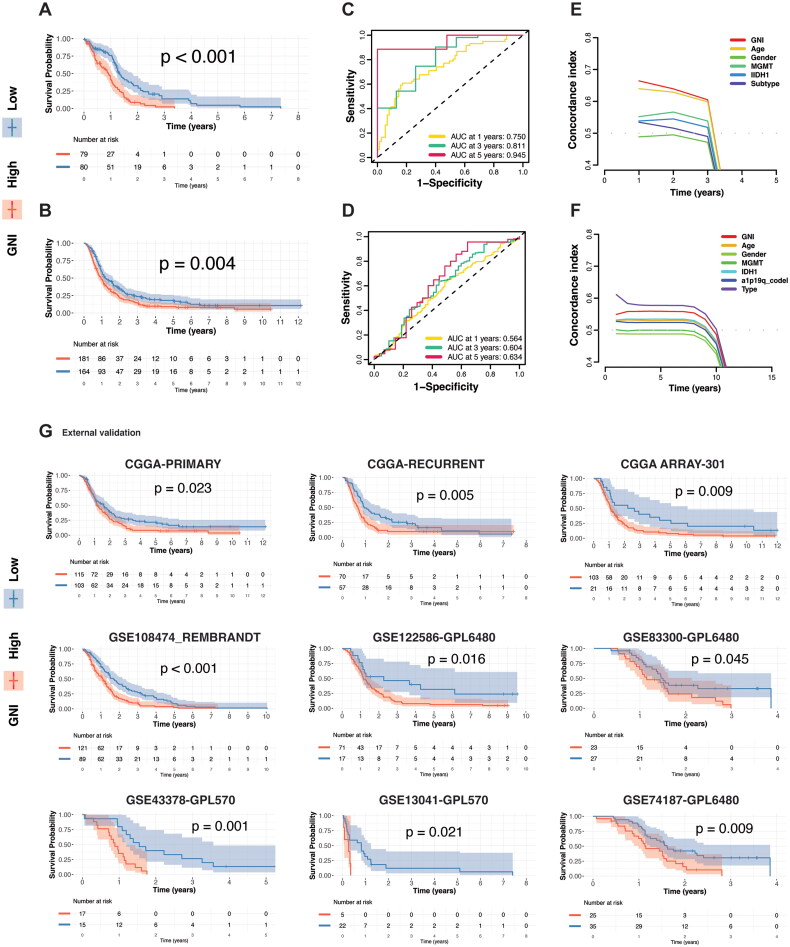
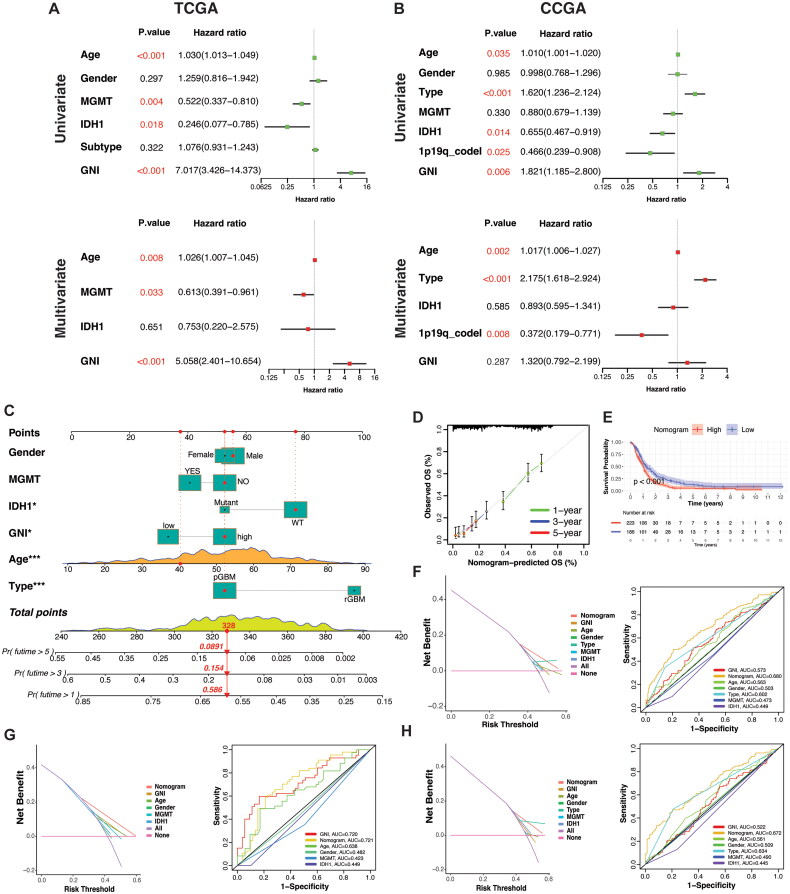
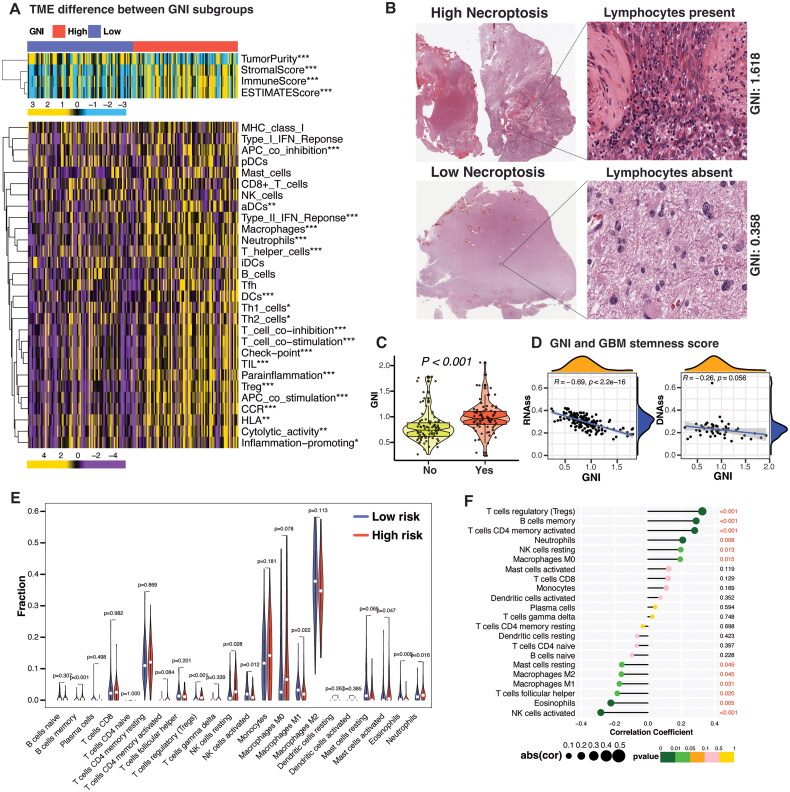
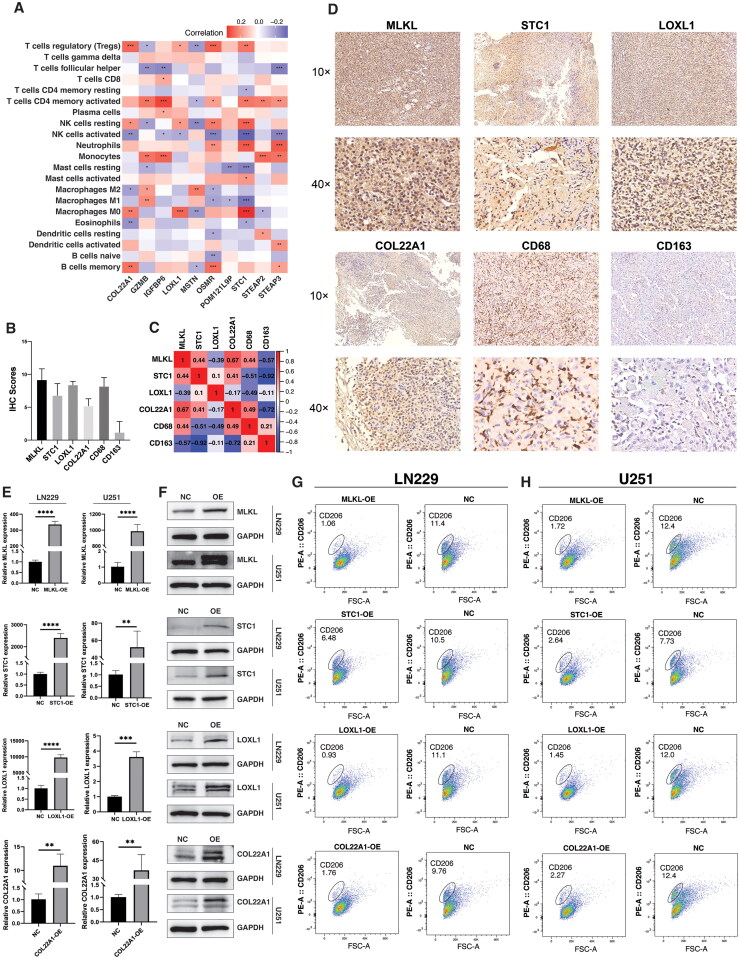
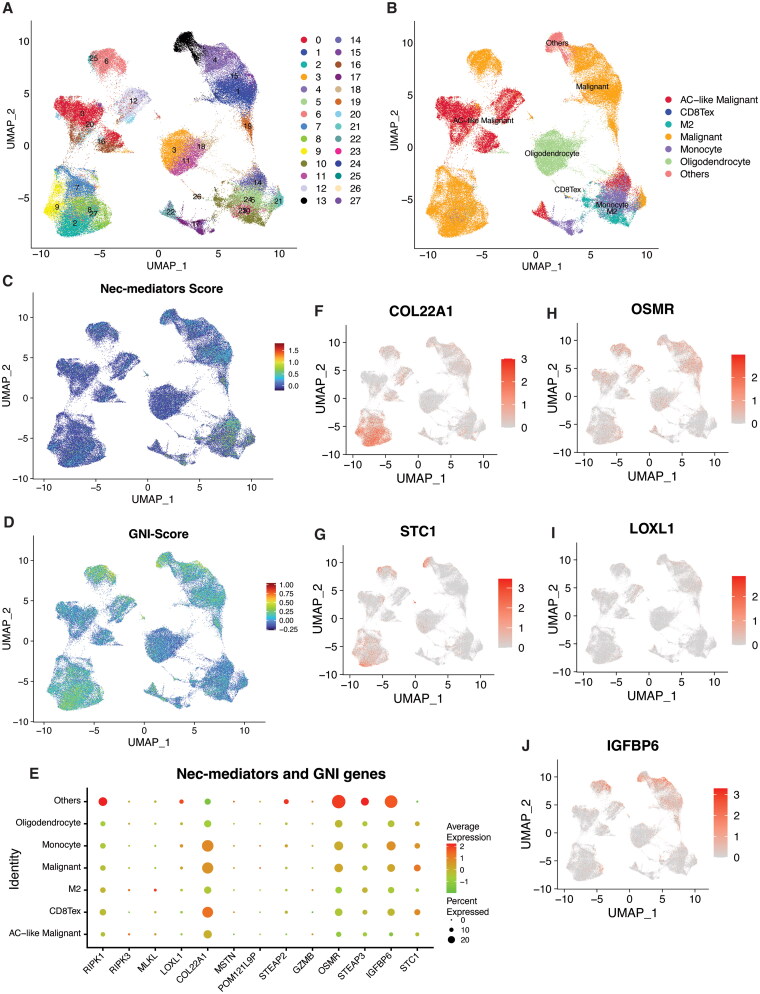
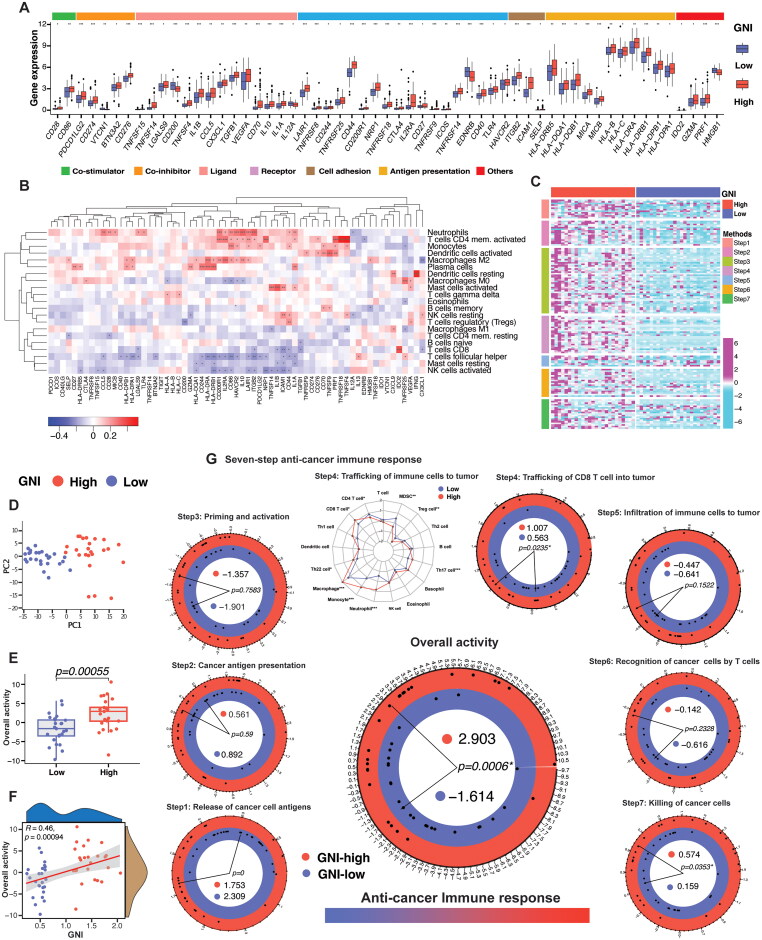
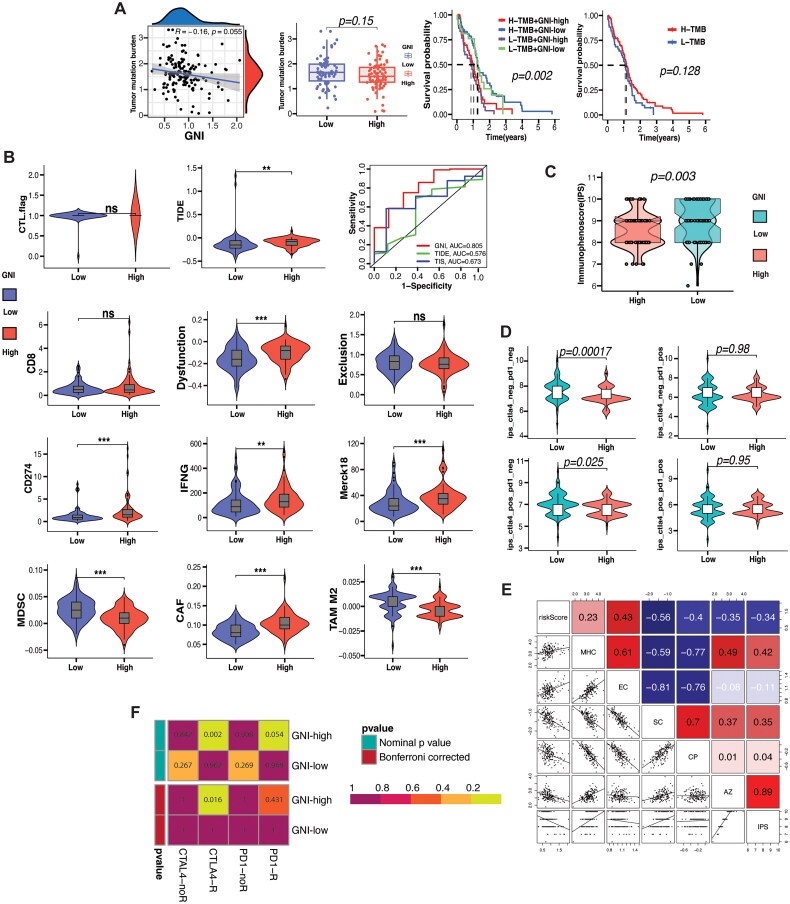
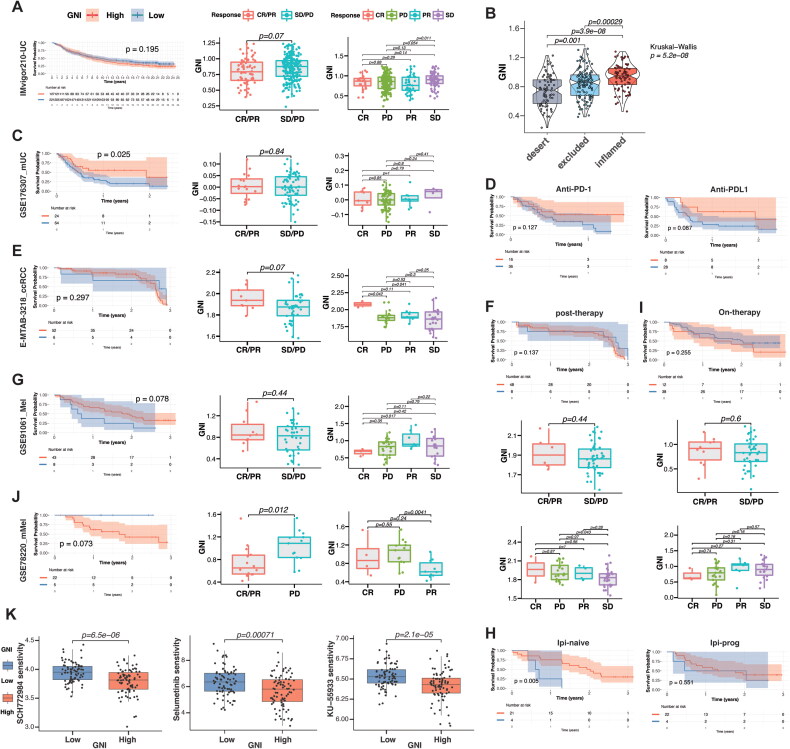
METHODS & RESULTS: We assessed the expression of 55 necroptosis-related genes in GBM and normal brain tissues. We identified necroptosis-stratified clusters using Uni-Cox and Least Absolute Shrinkage and Selection Operator (LASSO) regression to establish the 10-gene Glioblastoma Necroptosis Index (GNI). GNI demonstrated significant prognostic efficacy in the TCGA dataset ( = 160) and internal validation dataset ( = 345) and in external validation cohorts ( = 591). The GNI-high subgroup displayed a mesenchymal phenotype, lacking the IDH1 mutation, and MGMT methylation. This subgroup was characterized by significant enrichment in inflammatory and humoral immune pathways with prominent cell adhesion molecules (CD44 and ICAM1), inflammatory cytokines (TGFB1, IL1B, and IL10), and chemokines (CX3CL1, CXCL9, and CCL5). The TME in this subgroup showed elevated infiltration of M0 macrophages, neutrophils, mast cells, and regulatory T cells. GNI-related genes appeared to limit macrophage polarization, as confirmed by immunohistochemistry and flow cytometry. The top 30% high-risk score subset exhibited increased CD8 T cell infiltration and enhanced cytolytic activity. GNI showed promise in predicting responses to immunotherapy and targeted treatment.
Our study highlights the role of necroptosis-related genes in glioblastoma (GBM) and their effects on the tumor microenvironment and patient prognosis. TheGNI demonstrates potential as a prognostic marker and provides insights into immune characteristics and treatment responsiveness.
胶质母细胞瘤(GBM)是一种侵袭性原发性脑肿瘤,具有高复发率和预后不良的特点。坏死性凋亡是 GBM 的一个病理标志,但在预后、肿瘤微环境(TME)改变和免疫治疗中的作用尚不清楚。
我们评估了 GBM 和正常脑组织中 55 个坏死性凋亡相关基因的表达。我们使用 Uni-Cox 和最小绝对收缩和选择算子(LASSO)回归来确定坏死性凋亡分层聚类,以建立 10 个基因的胶质母细胞瘤坏死性凋亡指数(GNI)。GNI 在 TCGA 数据集(n=160)、内部验证数据集(n=345)和外部验证队列(n=591)中均显示出显著的预后疗效。GNI 高分组表现出间充质表型,缺乏 IDH1 突变和 MGMT 甲基化。该亚组在炎症和体液免疫途径中显著富集,表现出明显的细胞粘附分子(CD44 和 ICAM1)、炎症细胞因子(TGFB1、IL1B 和 IL10)和趋化因子(CX3CL1、CXCL9 和 CCL5)。该亚组的 TME 显示 M0 巨噬细胞、中性粒细胞、肥大细胞和调节性 T 细胞浸润增加。GNI 相关基因似乎限制了巨噬细胞极化,这一点通过免疫组化和流式细胞术得到了证实。高风险评分前 30%的亚组显示 CD8 T 细胞浸润增加和细胞溶解活性增强。GNI 有望预测免疫治疗和靶向治疗的反应。
本研究强调了坏死性凋亡相关基因在胶质母细胞瘤(GBM)中的作用及其对肿瘤微环境和患者预后的影响。GNI 有望成为一种预后标志物,并为免疫特征和治疗反应提供了新的见解。