Instituto de Ciências Biomédicas, Universidade Federal do Rio de Janeiro, Rio de Janeiro, 21941-971, Brazil.
Laboratório de Biologia Teórica e Matemática Experimental (MetaBIO), Instituto de Física, Universidade Federal do Rio de Janeiro, Rio de Janeiro, 21941-909, Brazil.
Neuroinformatics. 2024 Oct;22(4):539-554. doi: 10.1007/s12021-024-09678-2. Epub 2024 Oct 10.
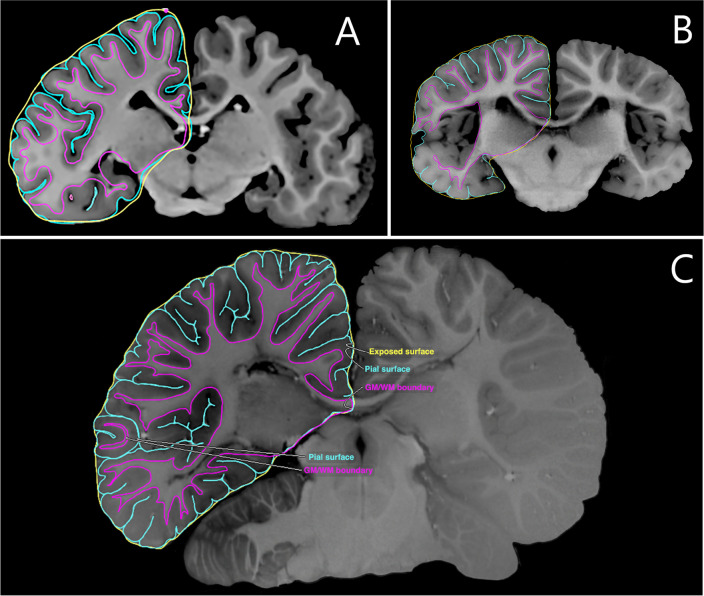
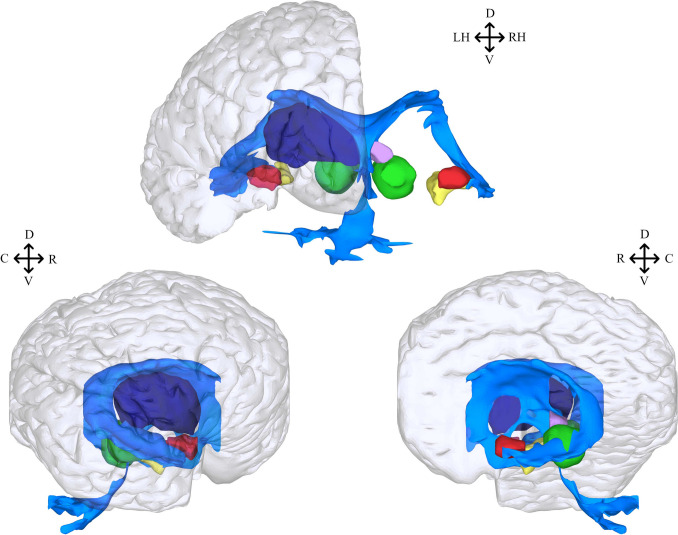
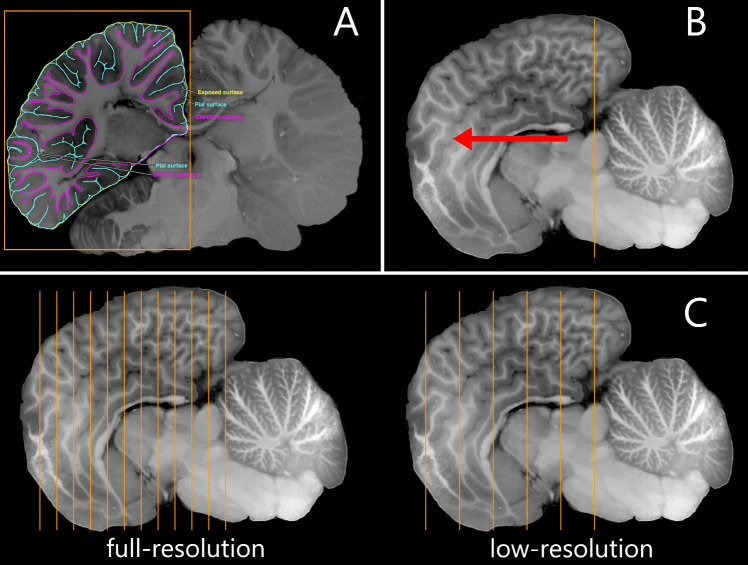
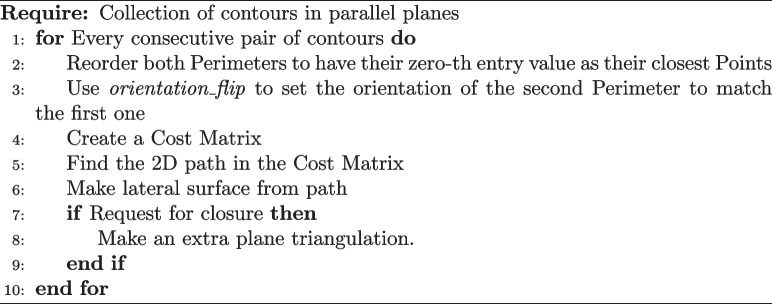
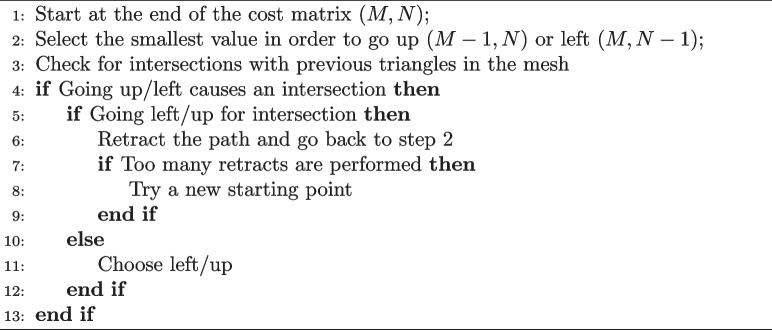
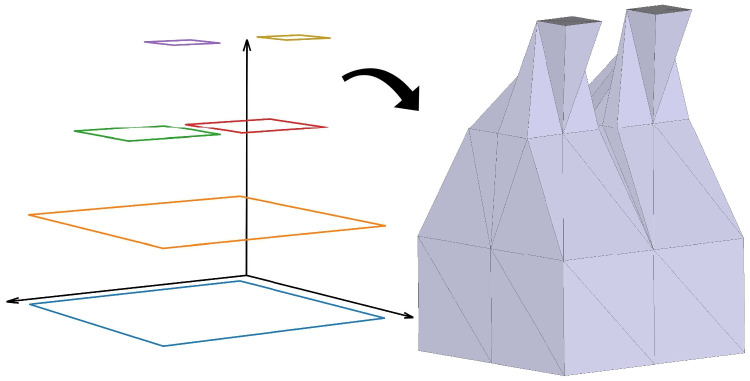
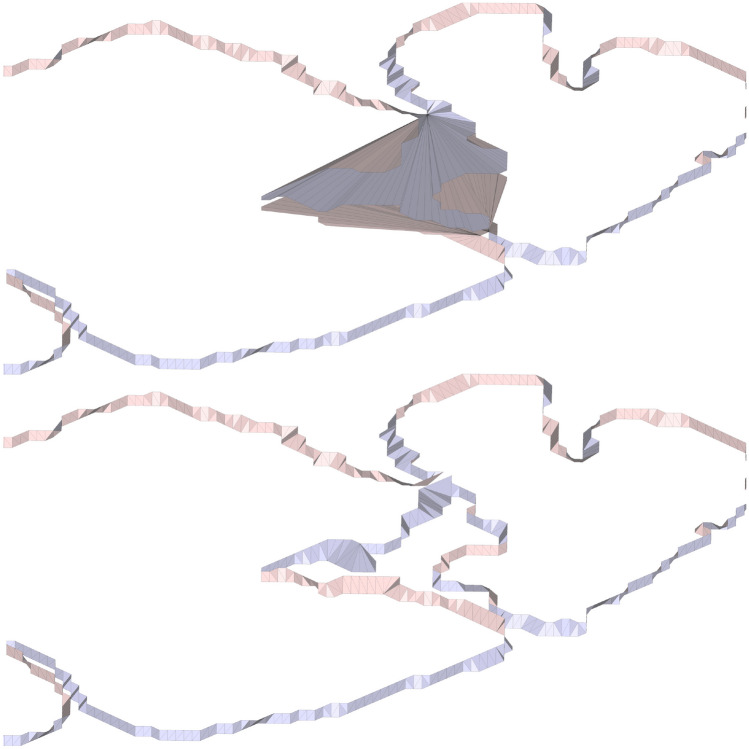
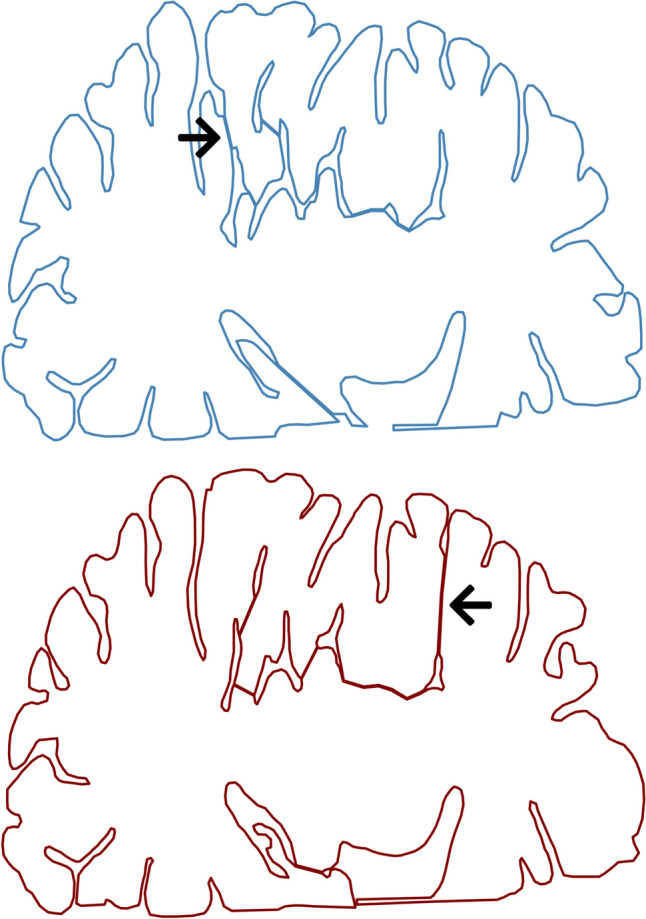
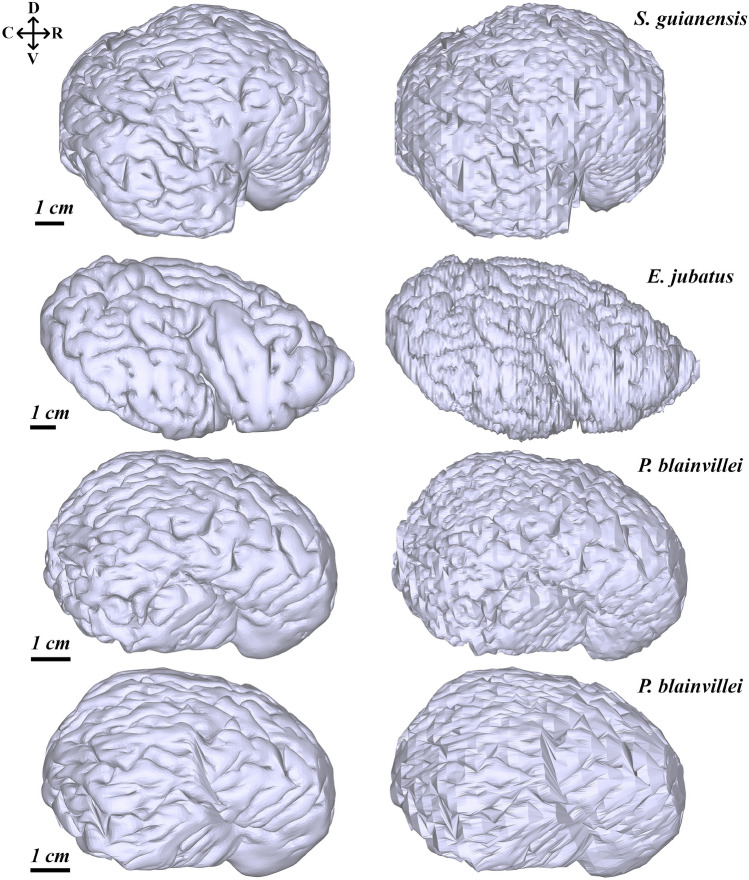
Brain reconstruction, specially of the cerebral cortex, is a challenging task and even more so when it comes to highly gyrified brained animals. Here, we present Stitcher, a novel tool capable of generating such surfaces utilizing MRI data and manual segmentation. Stitcher makes a triangulation between consecutive brain slice segmentations by recursively adding edges that minimize the total length and simultaneously avoid self-intersection. We applied this new method to build the cortical surfaces of two dolphins: Guiana dolphin (Sotalia guianensis), Franciscana dolphin (Pontoporia blainvillei); and one pinniped: Steller sea lion (Eumetopias jubatus). Specifically in the case of P. blainvillei, two reconstructions at two different resolutions were made. Additionally, we also performed reconstructions for sub and non-cortical structures of Guiana dolphin. All our cortical mesh results show remarkable resemblance with the real anatomy of the brains, except P. blainvillei with low-resolution data. Sub and non-cortical meshes were also properly reconstructed and the spatial positioning of structures was preserved with respect to S. guianensis cerebral cortex. In a comparative perspective between methods, Stitcher presents compatible results for volumetric measurements when contrasted with other anatomical standard tools. In this way, Stitcher seems to be a viable pipeline for new neuroanatomical analysis, enhancing visualization and descriptions of non-primates species, and broadening the scope of compared neuroanatomy.
大脑重建,特别是大脑皮层的重建,是一项具有挑战性的任务,对于高度褶皱的大脑动物来说更是如此。在这里,我们介绍了 Stitcher,这是一种新的工具,能够利用 MRI 数据和手动分割来生成这样的表面。Stitcher 通过递归添加最小化总长度同时避免自相交的边来在连续的脑切片分割之间进行三角剖分。我们应用这种新方法构建了两只海豚的皮层表面:瓜达卢佩海豚(Sotalia guianensis),大西洋瓶鼻海豚(Pontoporia blainvillei);以及一只鳍足类动物:北海狮(Eumetopias jubatus)。特别是在 P. blainvillei 的情况下,我们在两个不同的分辨率下进行了两次重建。此外,我们还对瓜达卢佩海豚的亚皮层和非皮层结构进行了重建。除了 P. blainvillei 低分辨率数据的重建外,我们所有的皮层网格结果都与大脑的真实解剖结构非常相似。亚皮层和非皮层网格也得到了适当的重建,并且结构的空间定位相对于 S. guianensis 大脑皮层得以保留。在方法比较方面,Stitcher 在与其他解剖学标准工具进行体积测量对比时,呈现出兼容的结果。通过这种方式,Stitcher 似乎是一种可行的新神经解剖分析管道,增强了对非灵长类物种的可视化和描述,并拓宽了比较神经解剖学的范围。