Madani Wiam Abdalla Mo, Ramos Yusibeska, Cubillos-Ruiz Juan R, Morales Diana K
Immunology and Microbial Pathogenesis Program, Weill Cornell Graduate School of Medical Sciences, Weill Cornell Medicine, NY 10065, United States.
Department of Obstetrics and Gynecology, Weill Cornell Medicine, NY 10065, United States.
FEMS Microbes. 2024 Sep 9;5:xtae027. doi: 10.1093/femsmc/xtae027. eCollection 2024.
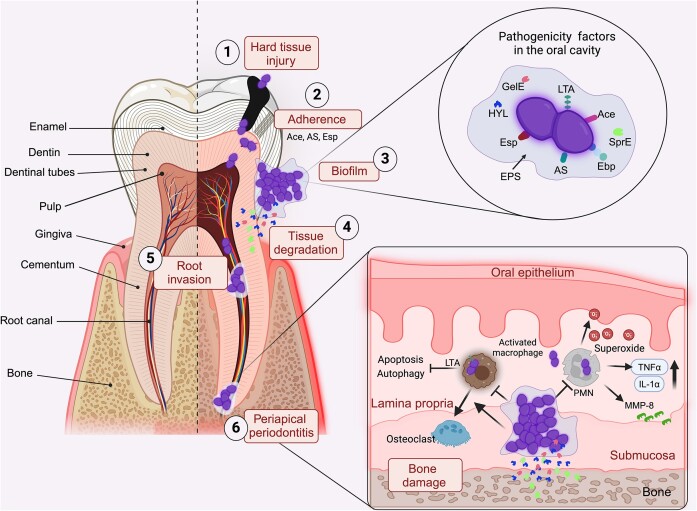
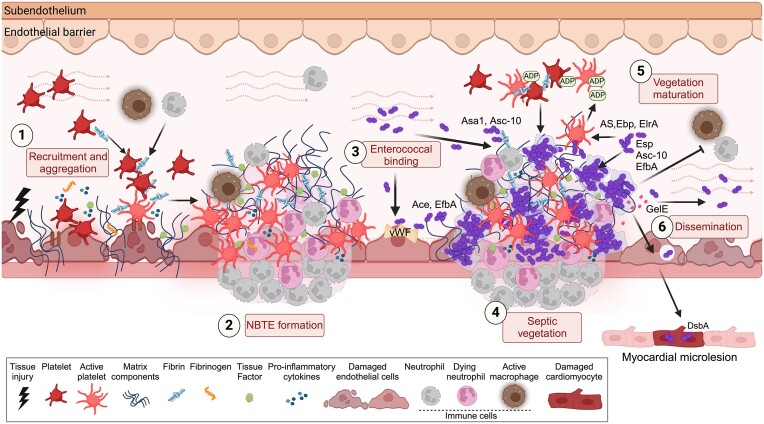
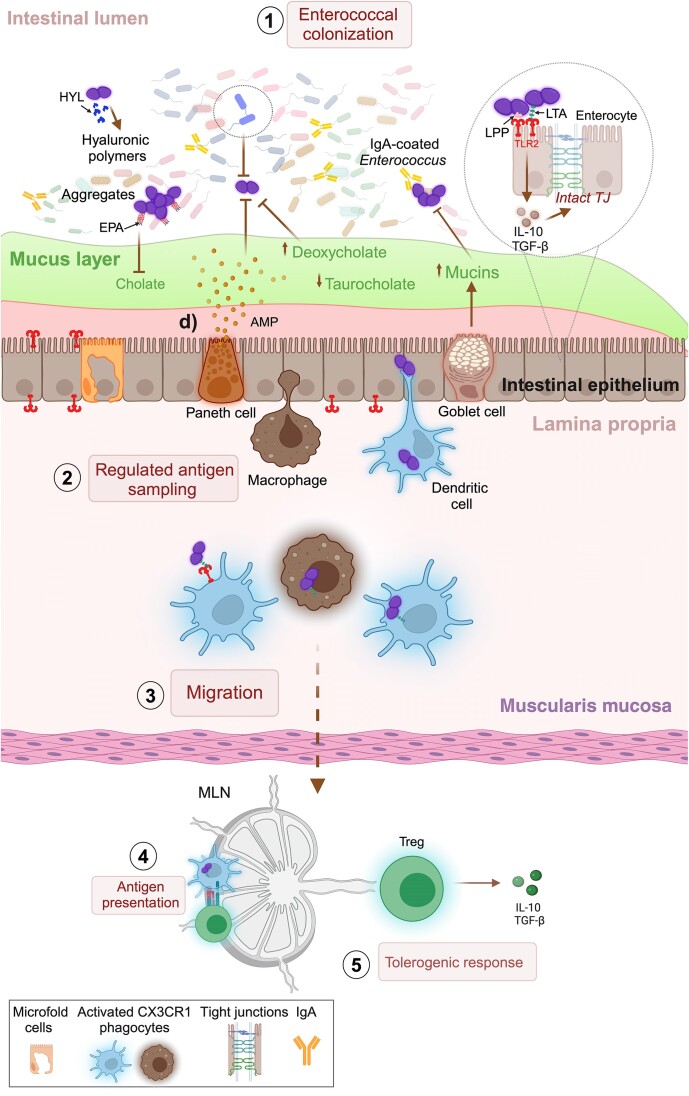
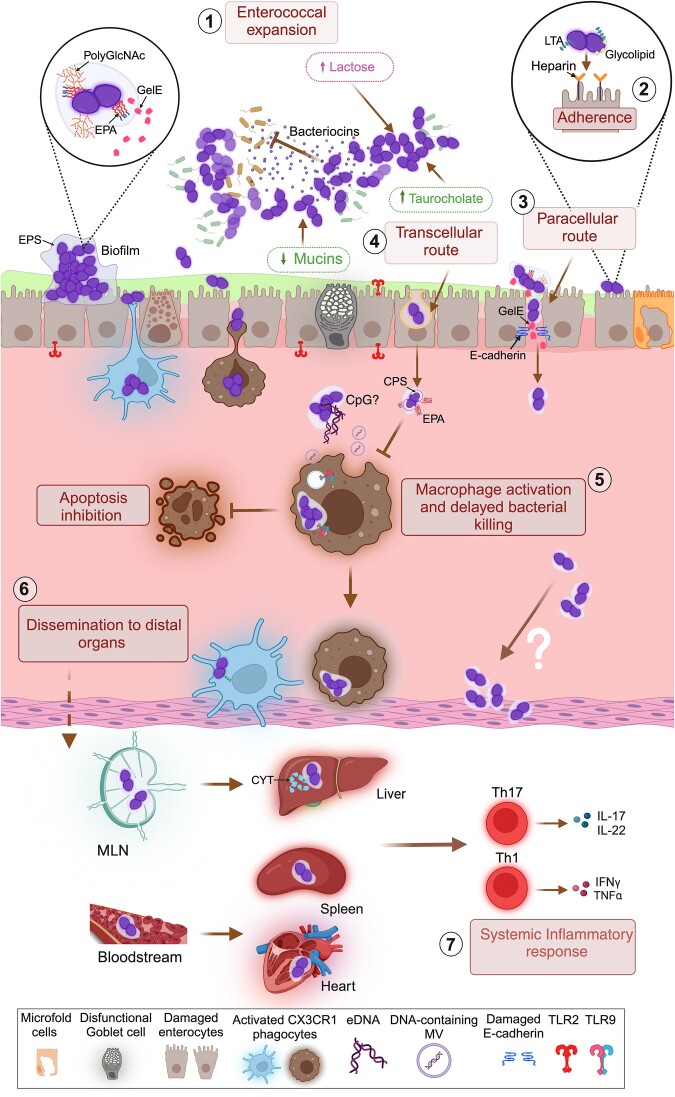
The gastrointestinal tract (GIT) is typically considered the natural niche of enterococci. However, these bacteria also inhabit extraintestinal tissues, where they can disrupt organ physiology and cause life-threatening infections. Here, we discuss how enterococci, primarily , interact with the intestine and other host anatomical locations such as the oral cavity, heart, liver, kidney, and vaginal tract. The metabolic flexibility of these bacteria allows them to quickly adapt to new environments, promoting their persistence in diverse tissues. In transitioning from commensals to pathogens, enterococci must overcome harsh conditions such as nutrient competition, exposure to antimicrobials, and immune pressure. Therefore, enterococci have evolved multiple mechanisms to adhere, colonize, persist, and endure these challenges in the host. This review provides a comprehensive overview of how enterococci interact with diverse host cells and tissues across multiple organ systems, highlighting the key molecular pathways that mediate enterococcal adaptation, persistence, and pathogenic behavior.
胃肠道(GIT)通常被认为是肠球菌的天然生态位。然而,这些细菌也存在于肠道外组织中,在那里它们会破坏器官生理功能并导致危及生命的感染。在此,我们讨论肠球菌主要如何与肠道以及其他宿主解剖部位(如口腔、心脏、肝脏、肾脏和阴道)相互作用。这些细菌的代谢灵活性使它们能够快速适应新环境,促进它们在不同组织中的存活。在从共生菌转变为病原体的过程中,肠球菌必须克服诸如营养竞争、接触抗菌药物和免疫压力等恶劣条件。因此,肠球菌已经进化出多种机制来在宿主体内黏附、定殖、存活并应对这些挑战。本综述全面概述了肠球菌如何与多个器官系统中的不同宿主细胞和组织相互作用,突出了介导肠球菌适应、存活和致病行为的关键分子途径。