Lin Li, Zou Jiani, Pei Shengbin, Huang Wenyi, Zhang Yichi, Zhao Zhijie, Ding Yantao, Xiao Can
Department of Stomatology, the First Affiliated Hospital of Soochow University, 188 Shi Zi Rd, Suzhou, 215006, China.
Department of Plastic and Reconstructive Surgery, Shanghai 9th People's Hospital, School of Medicine, Shanghai Jiao Tong University, 639 Zhi Zao Ju Rd, Shanghai, 200011, China.
Heliyon. 2024 Sep 11;10(19):e37726. doi: 10.1016/j.heliyon.2024.e37726. eCollection 2024 Oct 15.
More than 60 % of patients with head and neck squamous carcinoma (HNSCC) are diagnosed at advanced stages and miss radical treatment. This has prompted the need to find new biomarkers to achieve early diagnosis and predict early recurrence and metastasis of tumors.
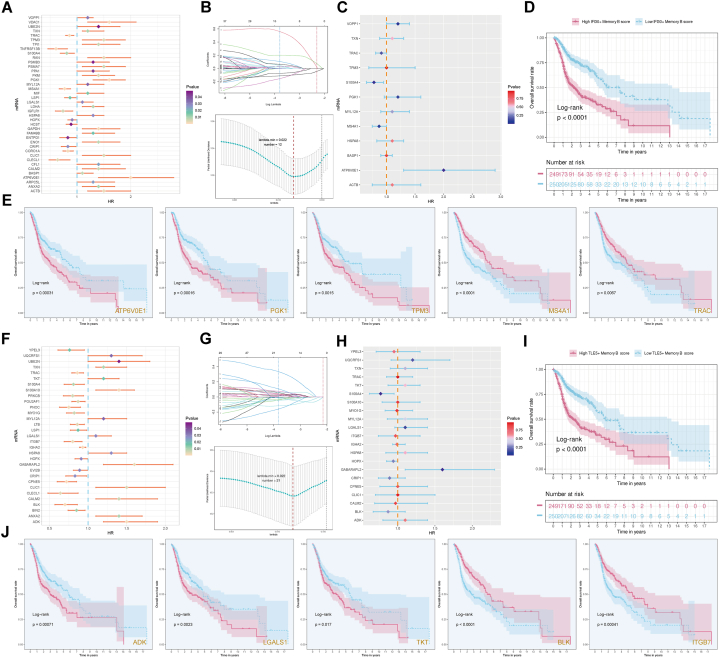
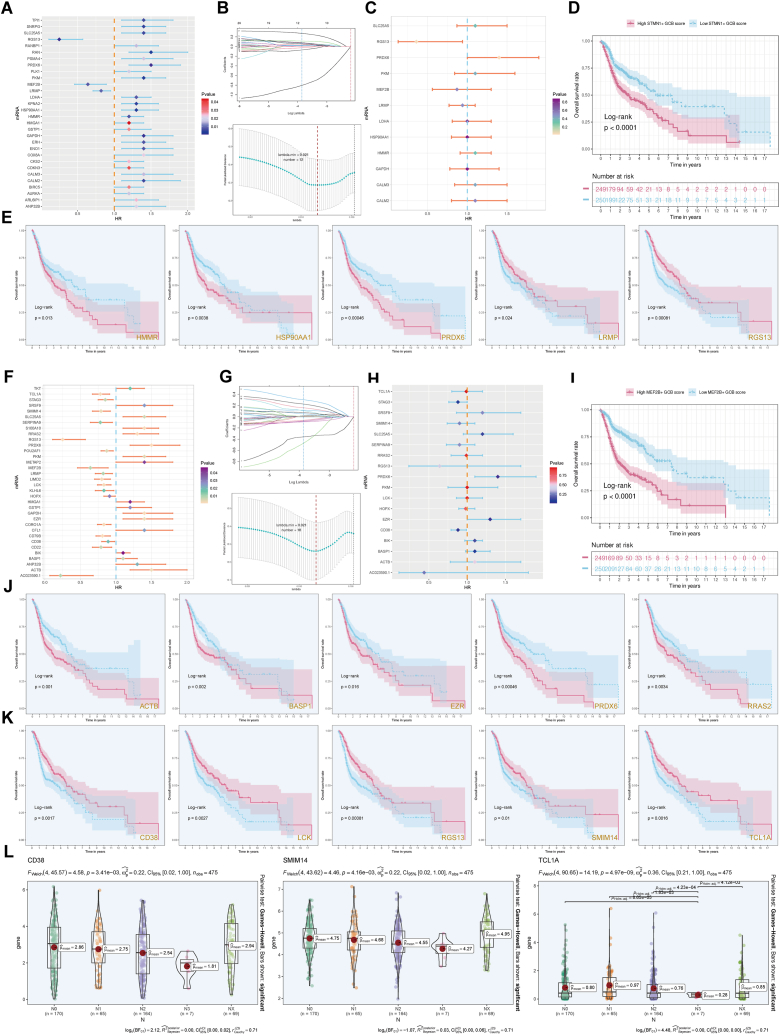
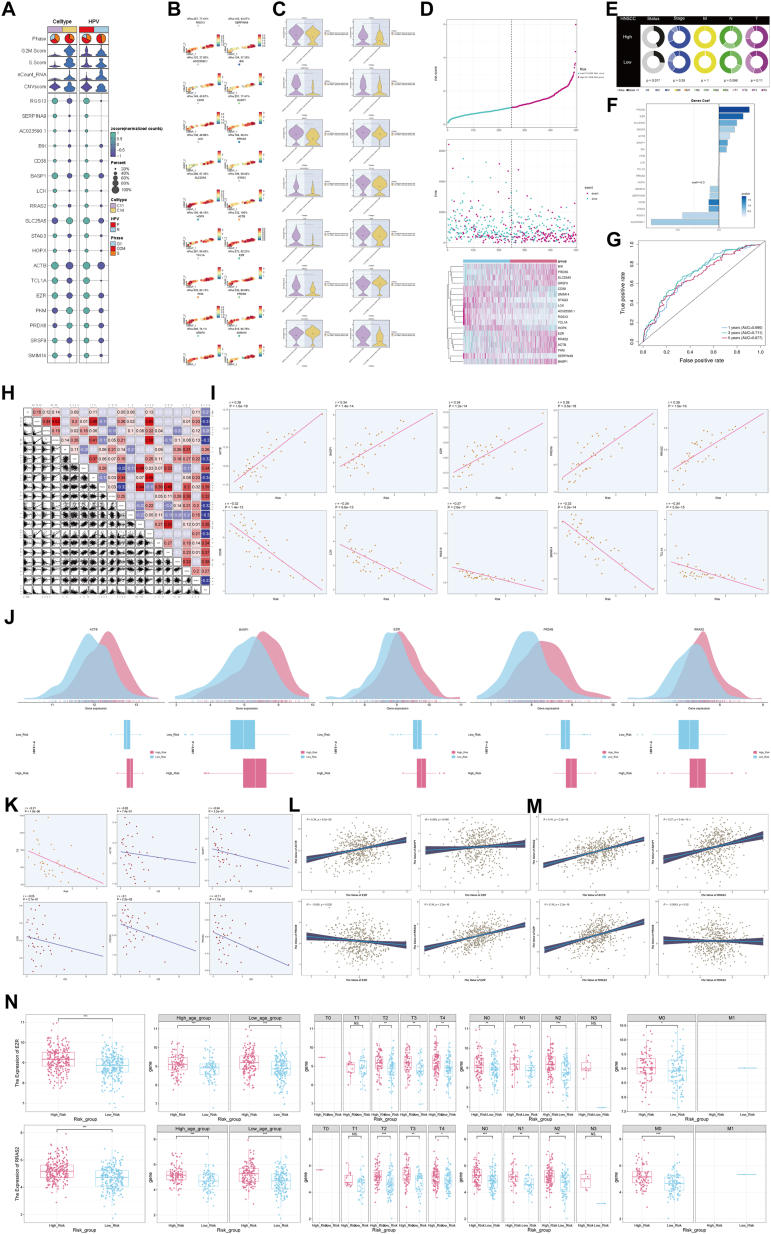
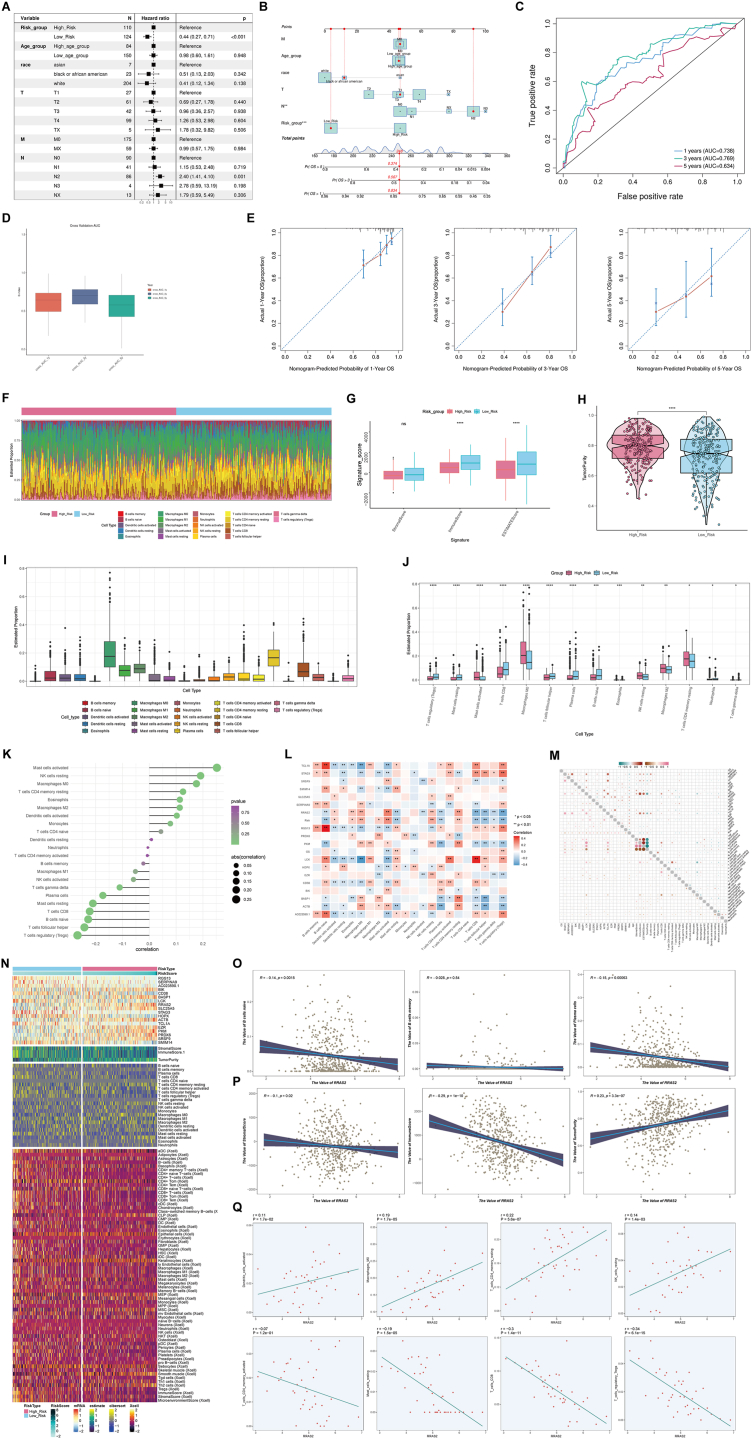
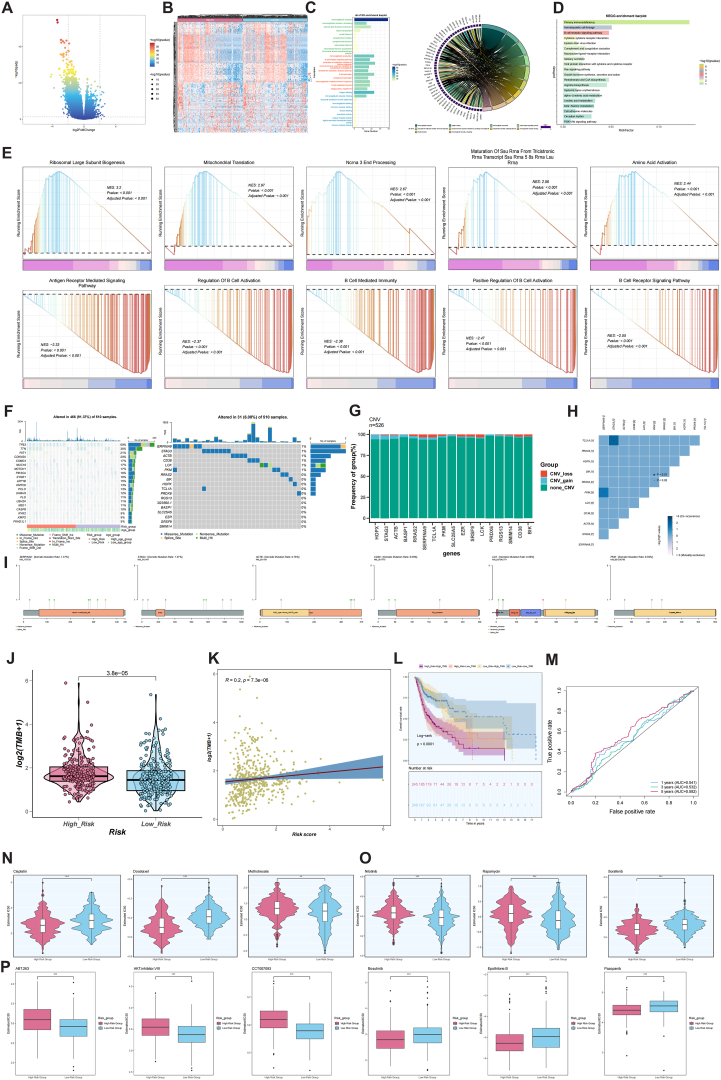
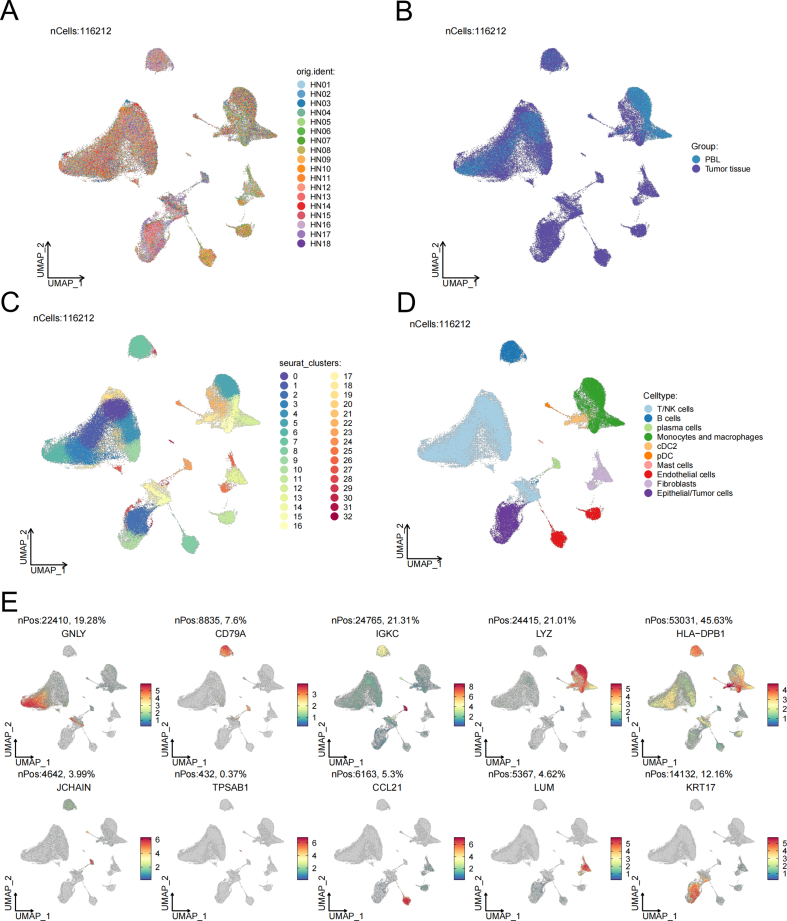
Single-cell RNA sequencing (scRNA-seq) data from HNSCC tissues and peripheral blood samples were obtained through the Gene Expression Omnibus (GEO) database (GSE164690) to characterize the B-cell subgroups, differentiation trajectories, and intercellular communication networks in HNSCC and to construct a prognostic model of the associated risks. In addition, this study analyzed the differences in clinical features, immune cell infiltration, functional enrichment, tumor mutational burden (TMB), and drug sensitivity between the high- and low-risk groups.
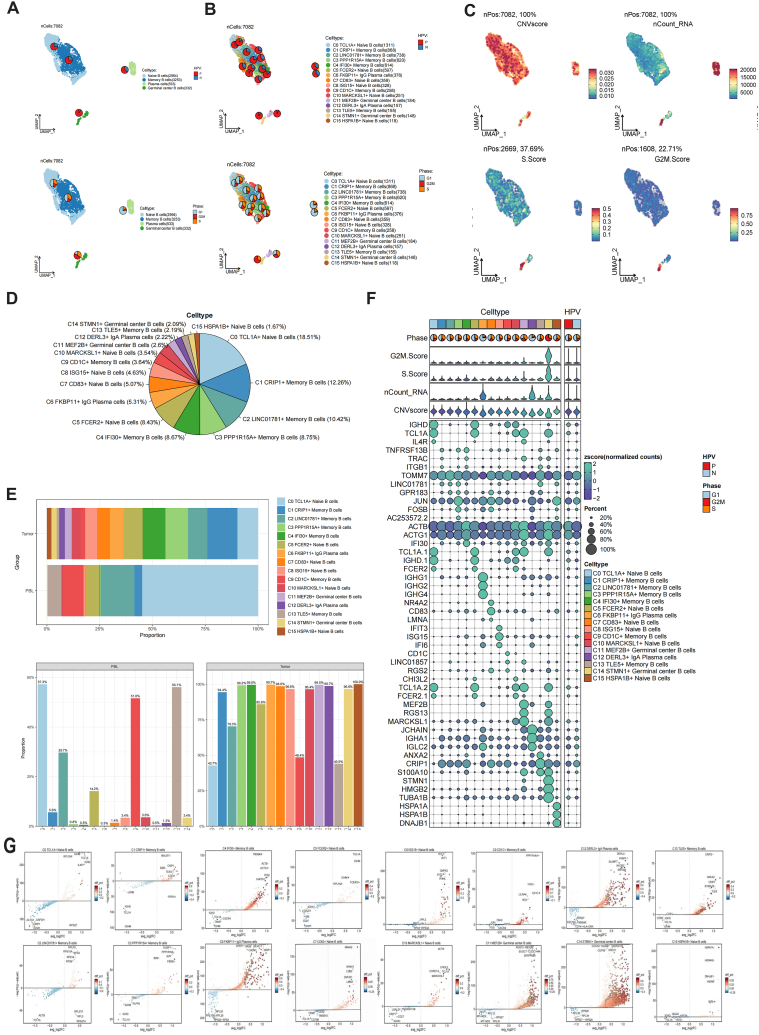
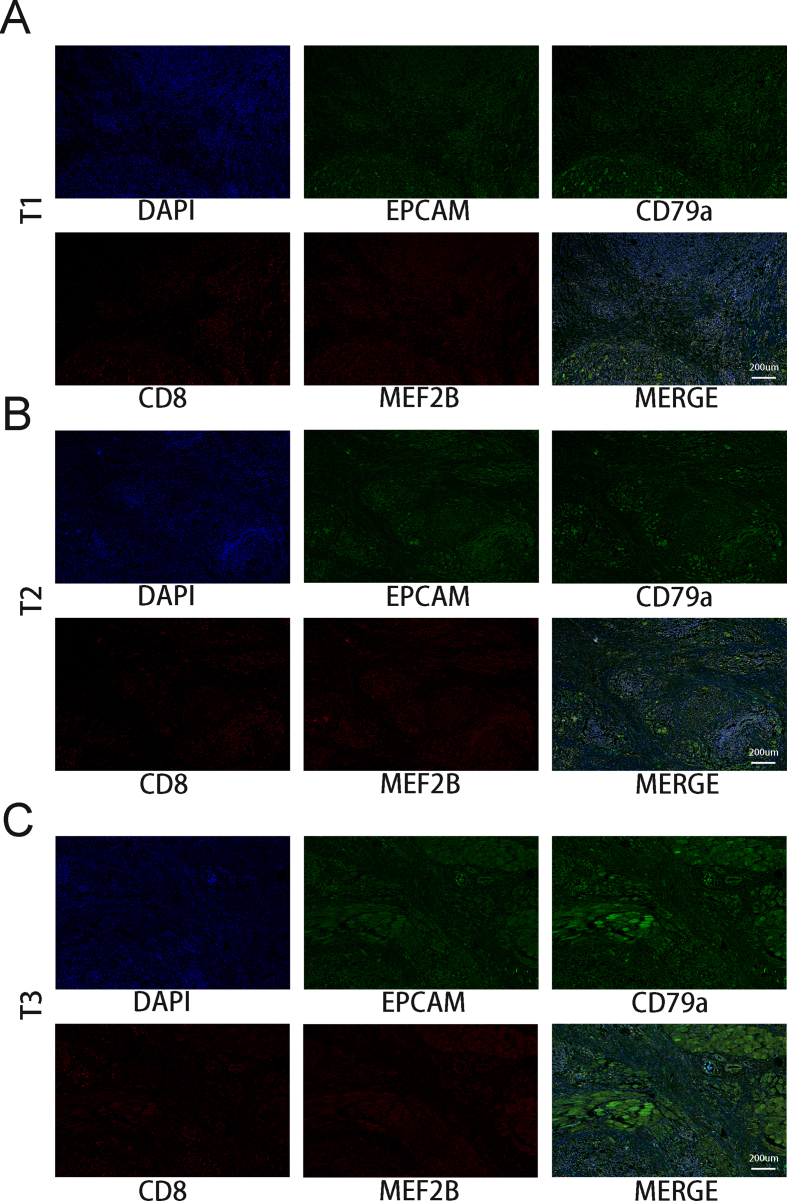
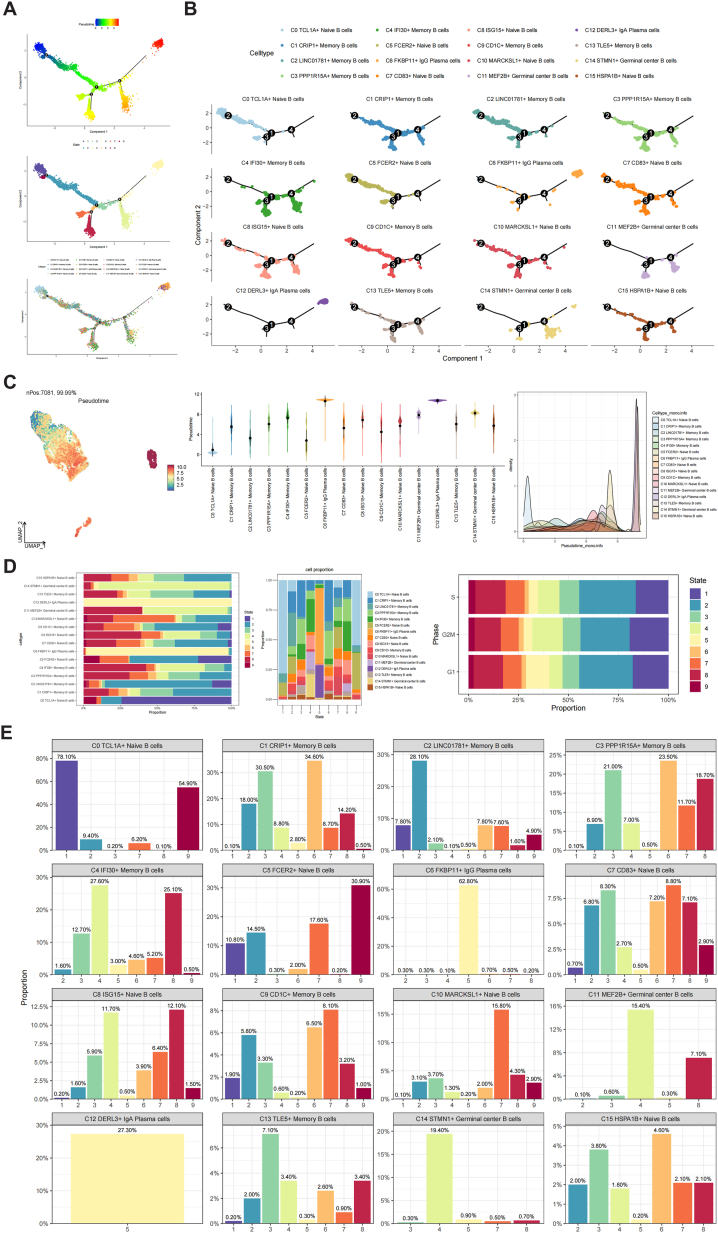
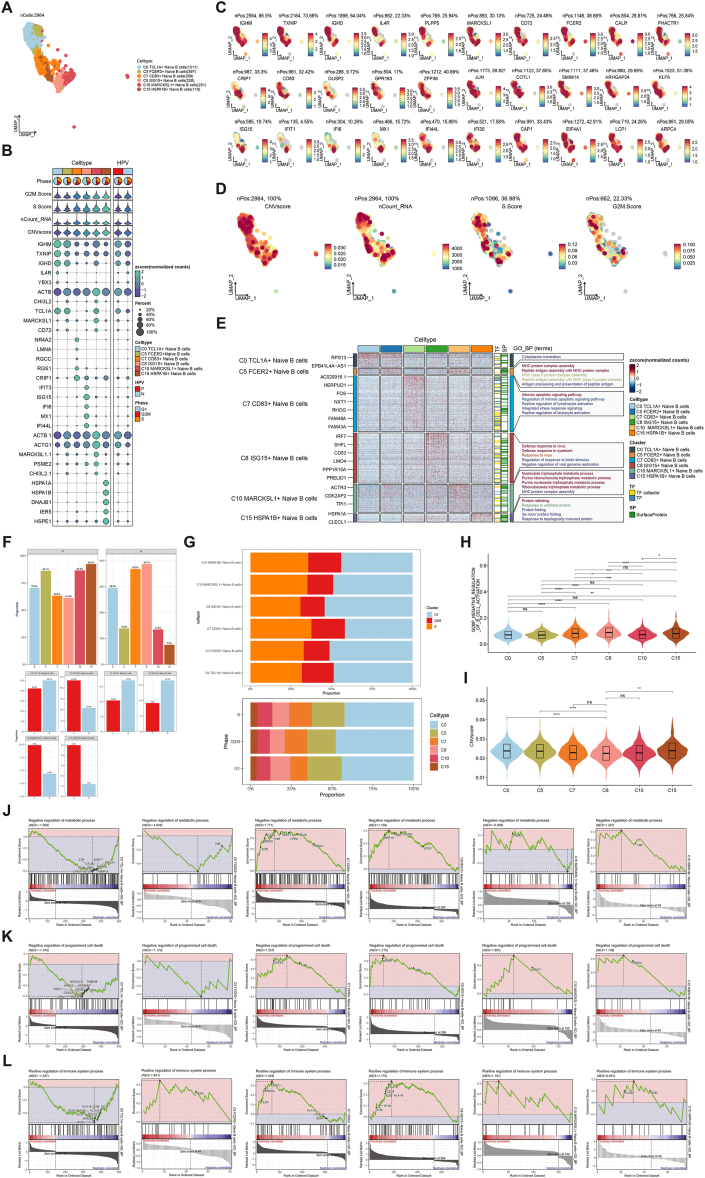
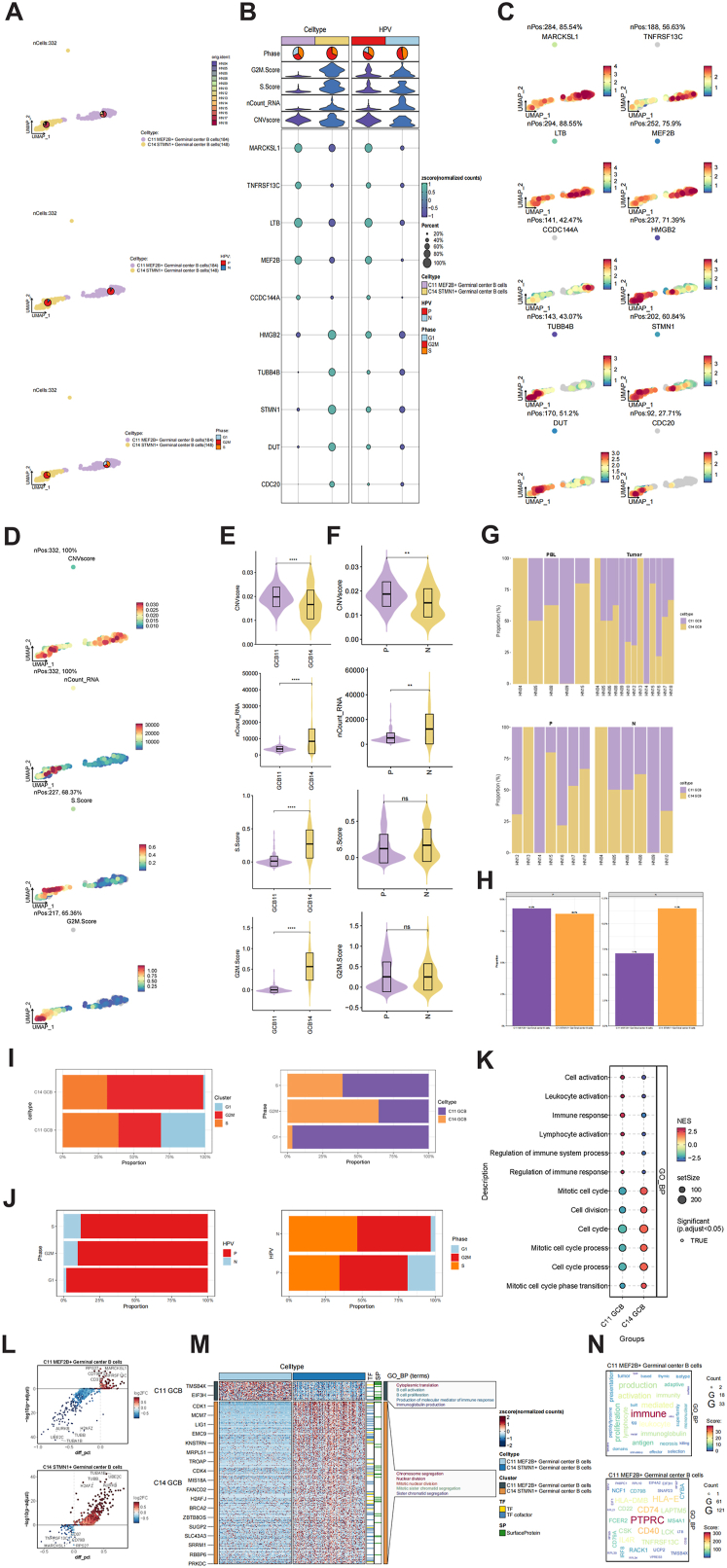
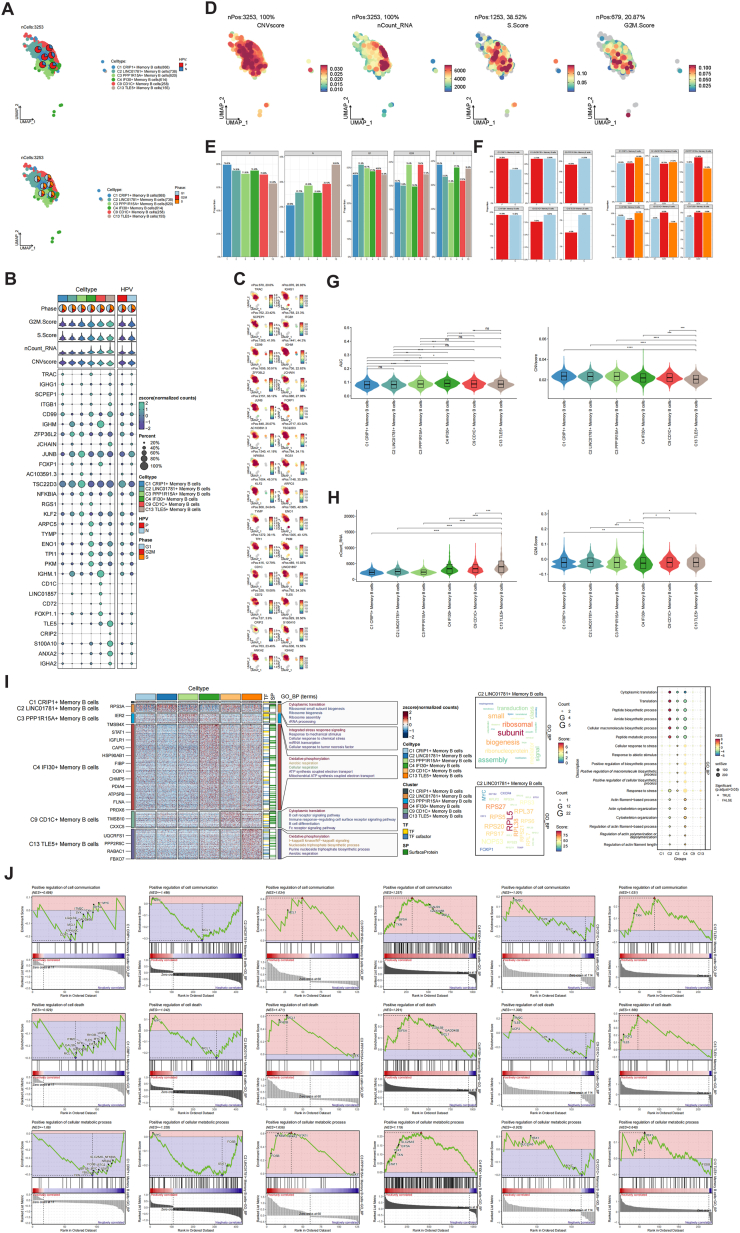
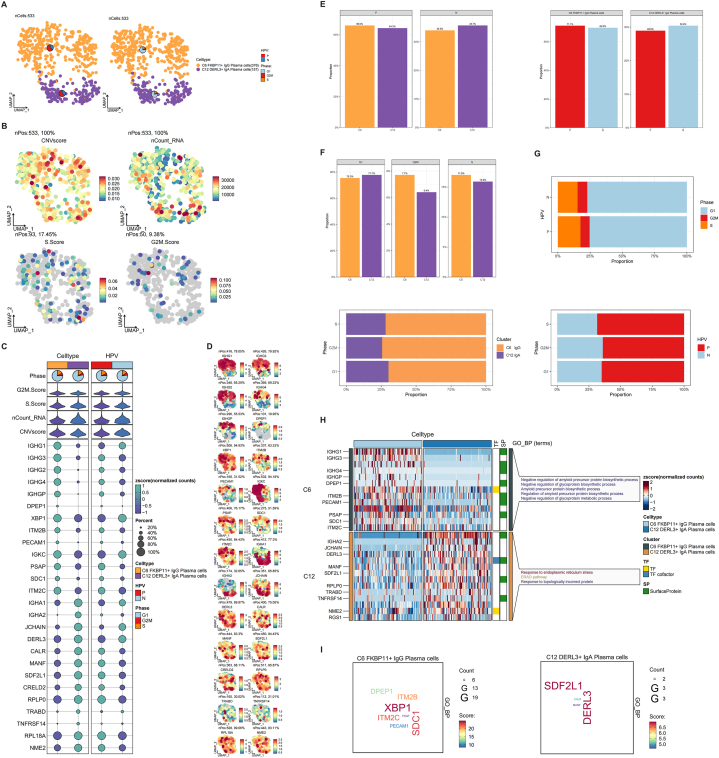
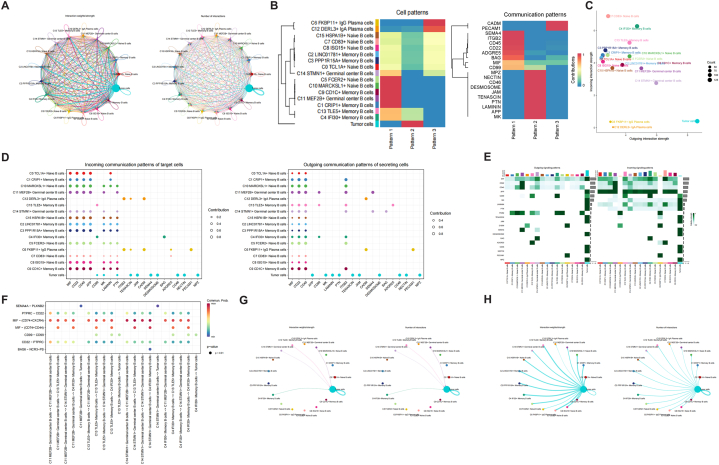
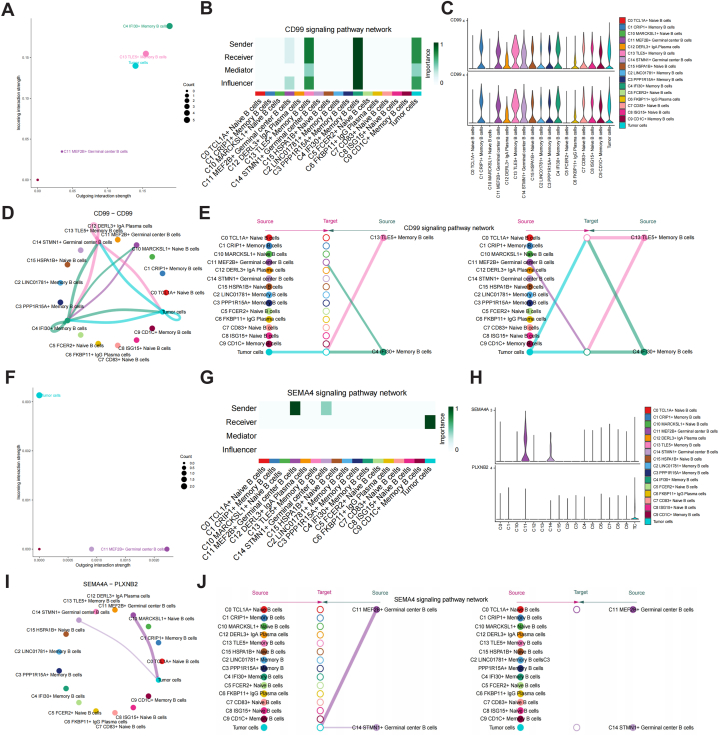
Using scRNA-seq of HNSCC, we classified B and plasma cells into a total of four subgroups: naive B cells (NBs), germinal center B cells (GCBs), memory B cells (MBs), and plasma cells (PCs). Pseudotemporal trajectory analysis revealed that NBs and GCBs were at the early stage of B cell differentiation, while MBs and PCs were at the end. Cellular communication revealed that GCBs acted on tumor cells through the CD99 and SEMA4 signaling pathways. The independent prognostic value, immune cell infiltration, TMB and drug sensitivity assays were validated for the MEF2B GCB score groups.
We identified GCBs as B cell-specific prognostic biomarkers for the first time. The MEF2B GCB score fills the research gap in the genetic prognostic prediction model of HNSCC and is expected to provide a theoretical basis for finding new therapeutic targets for HNSCC.
超过60%的头颈部鳞状细胞癌(HNSCC)患者在晚期被诊断出来,从而错失了根治性治疗的机会。这促使人们需要寻找新的生物标志物以实现早期诊断,并预测肿瘤的早期复发和转移。
通过基因表达综合数据库(GEO)(GSE164690)获取HNSCC组织和外周血样本的单细胞RNA测序(scRNA-seq)数据,以表征HNSCC中的B细胞亚群、分化轨迹和细胞间通讯网络,并构建相关风险的预后模型。此外,本研究分析了高风险组和低风险组在临床特征、免疫细胞浸润、功能富集、肿瘤突变负担(TMB)和药物敏感性方面的差异。
利用HNSCC的scRNA-seq,我们将B细胞和浆细胞总共分为四个亚群:幼稚B细胞(NBs)、生发中心B细胞(GCBs)、记忆B细胞(MBs)和浆细胞(PCs)。伪时间轨迹分析显示,NBs和GCBs处于B细胞分化的早期阶段,而MBs和PCs处于末期。细胞通讯显示,GCBs通过CD99和SEMA4信号通路作用于肿瘤细胞。对MEF2B GCB评分组进行了独立预后价值、免疫细胞浸润、TMB和药物敏感性分析验证。
我们首次将GCBs鉴定为B细胞特异性预后生物标志物。MEF2B GCB评分填补了HNSCC遗传预后预测模型的研究空白,有望为寻找HNSCC新的治疗靶点提供理论依据。