Girma Abayeneh
Department of Biology, College of Natural and Computational Sciences, Mekdela Amba University, P.O. Box 32, Tulu Awuliya, Ethiopia.
Virus Res. 2024 Dec;350:199483. doi: 10.1016/j.virusres.2024.199483. Epub 2024 Oct 18.
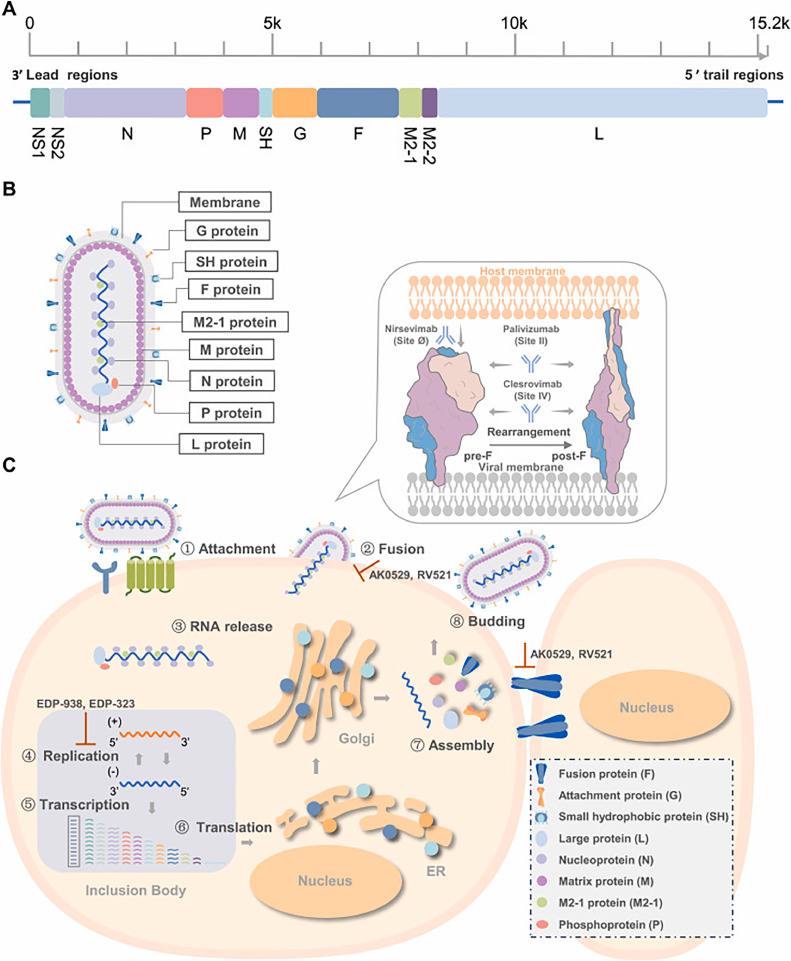
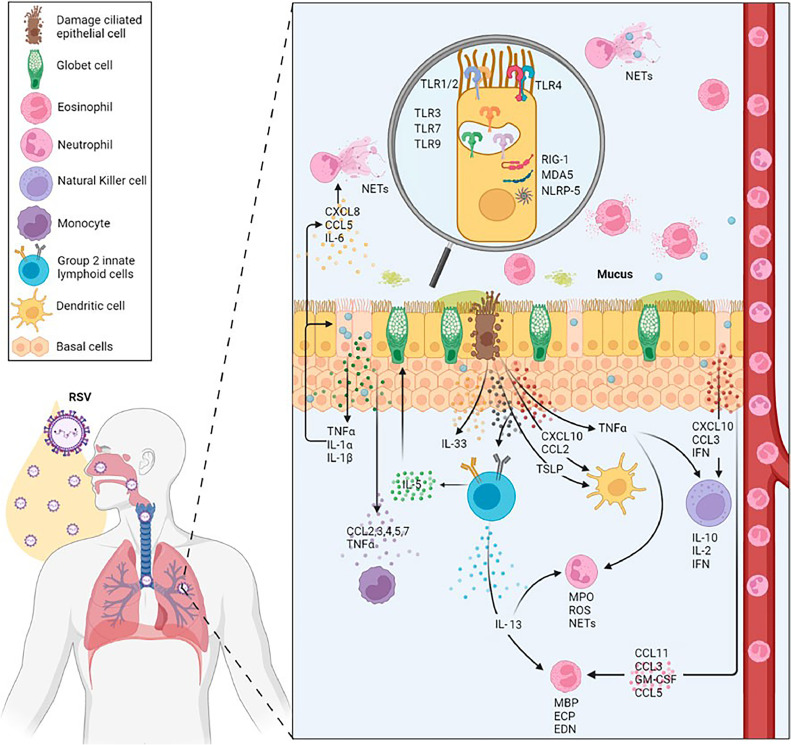
Human respiratory syncytial virus (hRSV) remains a leading cause of morbidity and mortality in infants, young children, and older adults. hRSV infection's limited treatment and vaccine options significantly increase bronchiolitis' morbidity rates. The severity and outcome of viral infection hinge on the innate immune response. Developing vaccines and identifying therapeutic interventions suitable for young children, older adults, and pregnant women relies on comprehending the molecular mechanisms of viral PAMP recognition, genetic factors of the inflammatory response, and antiviral defense. This review covers fundamental elements of hRSV biology, diagnosis, pathogenesis, and the immune response, highlighting prospective options for vaccine development.
人类呼吸道合胞病毒(hRSV)仍然是婴幼儿和老年人发病和死亡的主要原因。hRSV感染的治疗和疫苗选择有限,显著增加了细支气管炎的发病率。病毒感染的严重程度和结果取决于先天免疫反应。开发适合幼儿、老年人和孕妇的疫苗并确定治疗干预措施,依赖于理解病毒病原体相关分子模式识别的分子机制、炎症反应的遗传因素以及抗病毒防御。本综述涵盖了hRSV生物学、诊断、发病机制和免疫反应的基本要素,重点介绍了疫苗开发的潜在选择。