Institute of Molecular Medicine (IMM), State Key Laboratory of Oncogenes and Related Genes, Shanghai Cancer Institute, Department of Oncology, Renji Hospital, School of Medicine, Shanghai Jiao Tong University, Shanghai, China.
Zhejiang Cancer Hospital, Hangzhou Institute of Medicine (HIM), Chinese Academy of Sciences, Hangzhou, China.
Signal Transduct Target Ther. 2024 Oct 14;9(1):272. doi: 10.1038/s41392-024-01973-3.
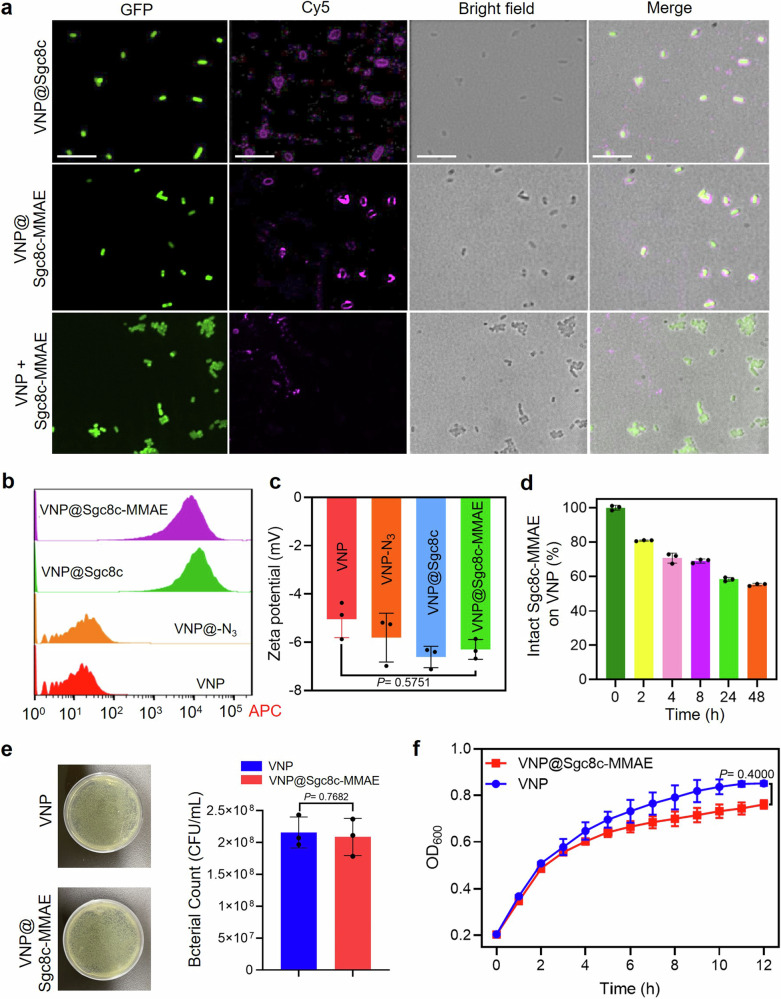
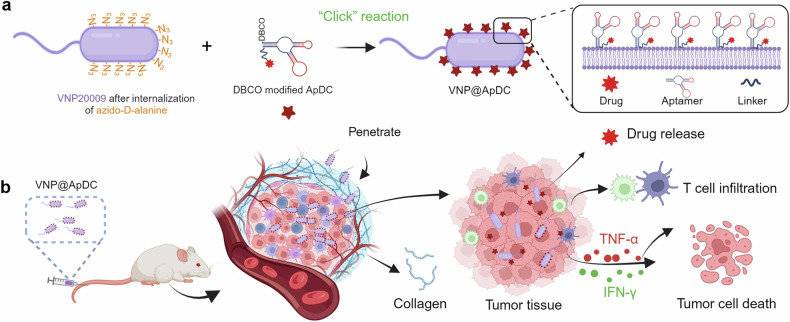
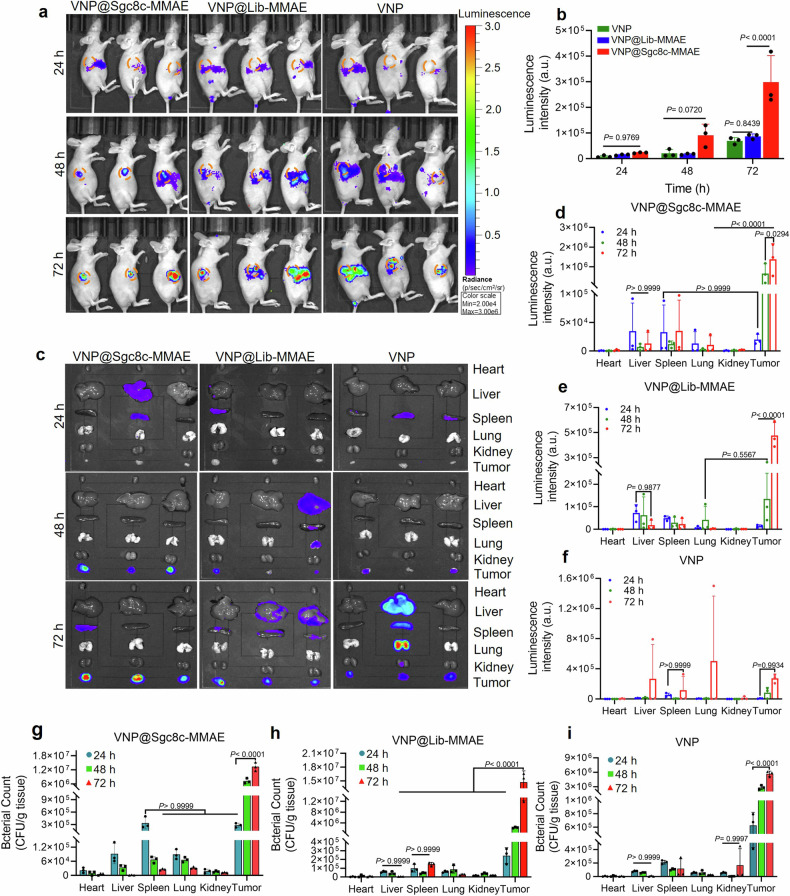
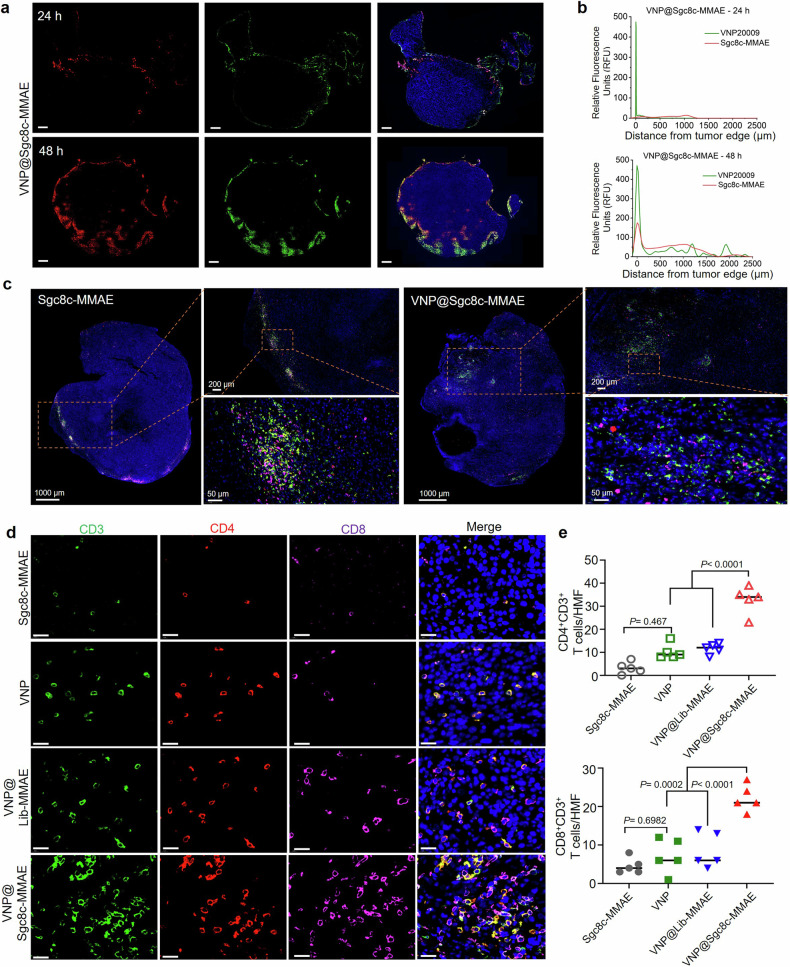
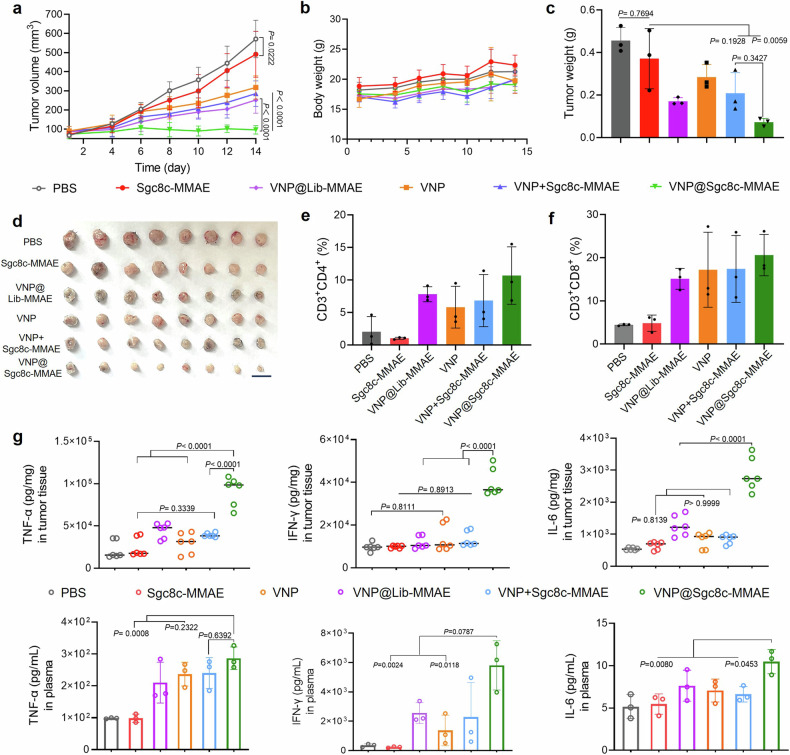
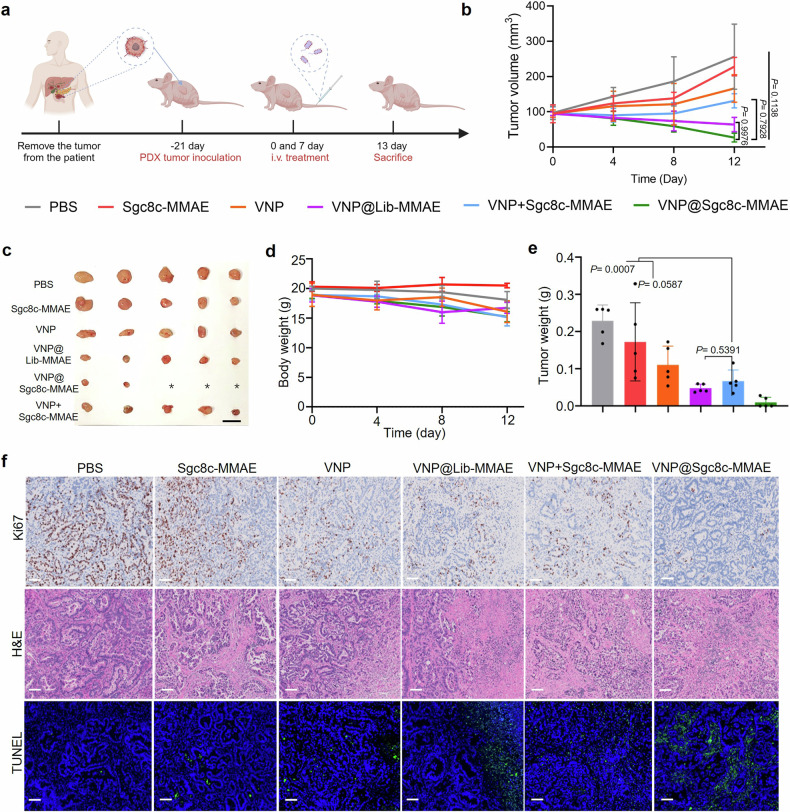
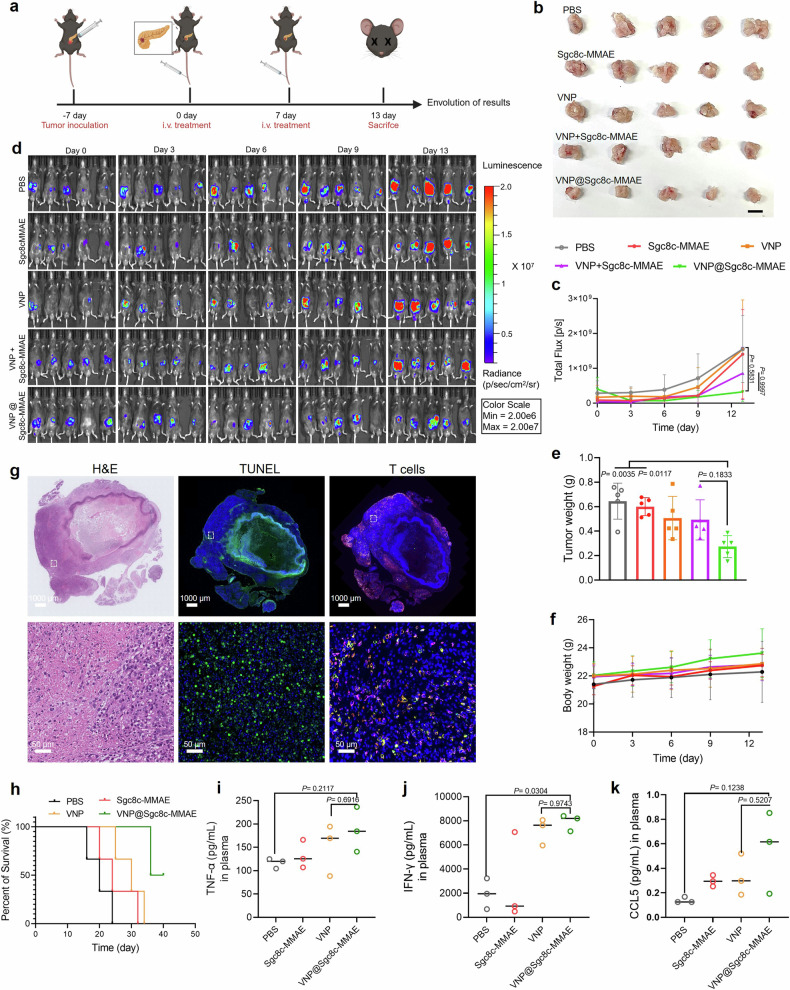
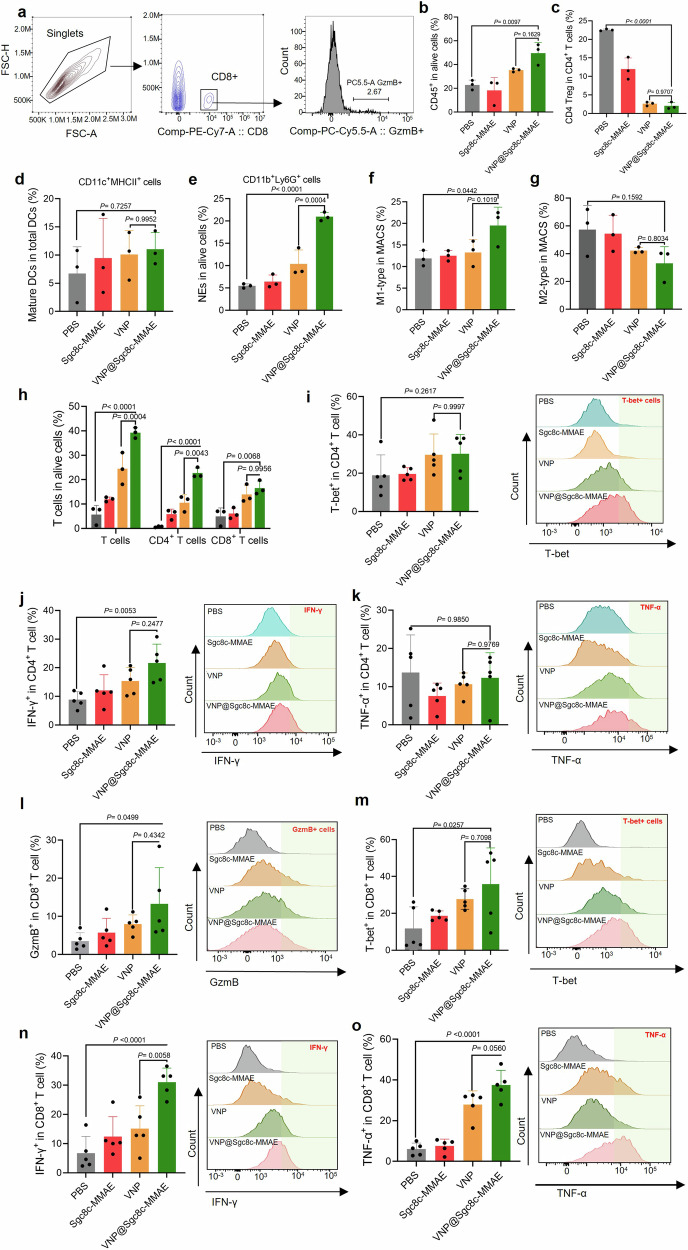
Pancreatic cancer is one of the most malignant tumors with the highest mortality rates, and it currently lacks effective drugs. Aptamer-drug conjugates (ApDC), as a form of nucleic acid drug, show great potential in cancer therapy. However, the instability of nucleic acid-based drugs in vivo and the avascularity of pancreatic cancer with dense stroma have limited their application. Fortunately, VNP20009, a genetically modified strain of Salmonella typhimurium, which has a preference for anaerobic environments, but is toxic and lacks specificity, can potentially serve as a delivery vehicle for ApDC. Here, we propose a synergistic therapy approach that combines the penetrative capability of bacteria with the targeting and toxic effects of ApDC by conjugating ApDC to VNP20009 through straightforward, one-step click chemistry. With this strategy, bacteria specifically target pancreatic cancer through anaerobic chemotaxis and subsequently adhere to tumor cells driven by the aptamer's specific binding. Results indicate that this method prolongs the serum stability of ApDC up to 48 h and resulted in increased drug concentration at tumor sites compared to the free drugs group. Moreover, the aptamer's targeted binding to cancer cells tripled bacterial colonization at the tumor site, leading to increased death of tumor cells and T cell infiltration. Notably, by integrating chemotherapy and immunotherapy, the effectiveness of the treatment is significantly enhanced, showing consistent results across various animal models. Overall, this strategy takes advantage of bacteria and ApDC and thus presents an effective synergistic strategy for pancreatic cancer treatment.
胰腺癌是死亡率最高的恶性肿瘤之一,目前缺乏有效的治疗药物。适体-药物偶联物(ApDC)作为一种核酸药物,在癌症治疗中具有巨大的潜力。然而,核酸类药物在体内的不稳定性以及胰腺癌血管稀少、基质致密的特点限制了其应用。幸运的是,鼠伤寒沙门氏菌的基因改造株 VNP20009 对厌氧环境有偏好,但毒性大且缺乏特异性,可作为 ApDC 的递送载体。在这里,我们提出了一种联合治疗方法,通过点击化学将 ApDC 与 VNP20009 直接偶联,将细菌的穿透能力与 ApDC 的靶向和毒性作用相结合。通过这种策略,细菌通过厌氧趋化性特异性靶向胰腺癌,随后通过适体的特异性结合附着在肿瘤细胞上。结果表明,与游离药物组相比,该方法将 ApDC 的血清稳定性延长至 48 小时,并增加了肿瘤部位的药物浓度。此外,适体对癌细胞的靶向结合使肿瘤部位的细菌定植增加了两倍,导致肿瘤细胞死亡和 T 细胞浸润增加。值得注意的是,通过整合化疗和免疫治疗,治疗效果显著增强,在各种动物模型中均得到一致结果。总体而言,该策略利用了细菌和 ApDC,因此为胰腺癌的治疗提供了一种有效的协同策略。