Elia Rossella, Maruccia Michele, Tedeschi Pasquale, Nacchiero Eleonora, Giudice Giuseppe
From the Unit of Plastic and Reconstructive Surgery, Department of Precision and Regenerative Medicine and Jonic Area, University of Bari, Bari, Italy.
Plast Reconstr Surg Glob Open. 2024 Oct 11;12(10):e6230. doi: 10.1097/GOX.0000000000006230. eCollection 2024 Oct.
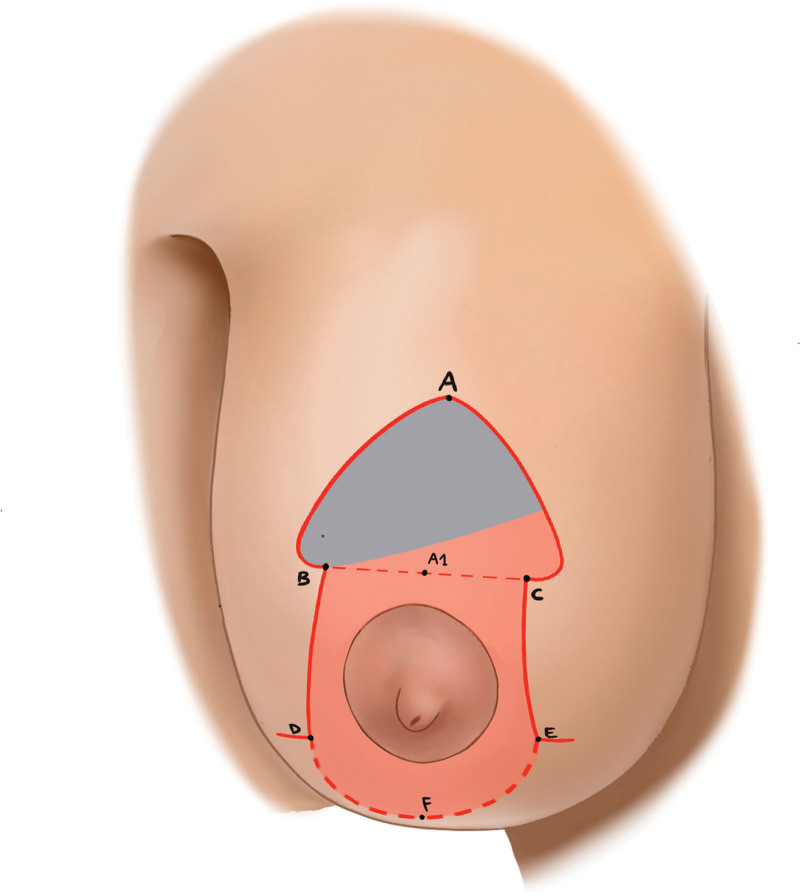
Breast reduction, the seventh most performed plastic surgery globally, has witnessed a significant increase in procedures over recent years. Various techniques exist, each with its advantages and complications, emphasizing the critical role of preoperative marking. Although existing literature focuses on different reduction mammaplasty techniques, limited attention is given to surgical preoperative marking. This study introduces a "mosque tower" pattern combined with a superomedial pedicle, aiming to minimize complications and standardize the design based on individualized factors such as patient characteristics and predicted breast reduction weight.
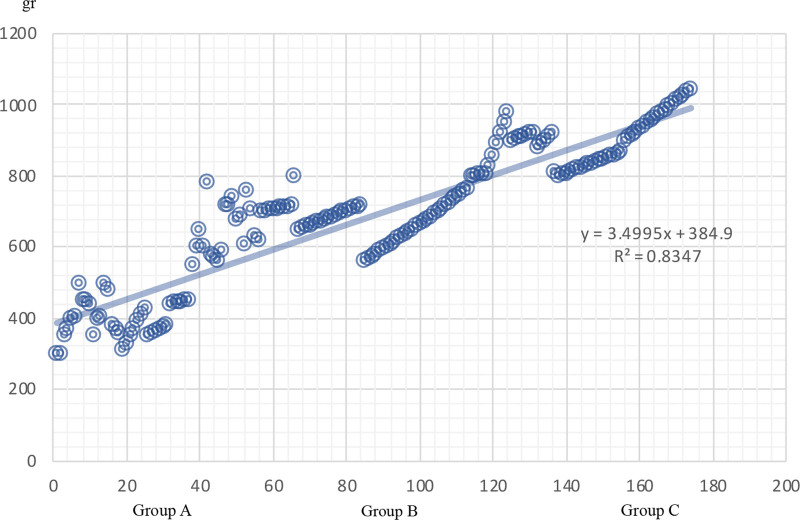
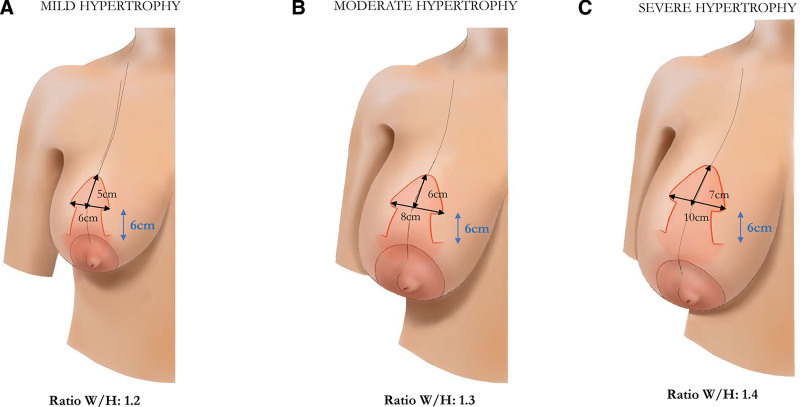
The retrospective case series includes 103 women who underwent reduction mammaplasty between 2017 and 2020. Surgical marking is described, and complications are recorded. The study categorizes breasts into three groups based on key-hole dimensions, correlating them with predicted resection weight. Statistical analysis establishes a rationale formula for selecting key-hole size.
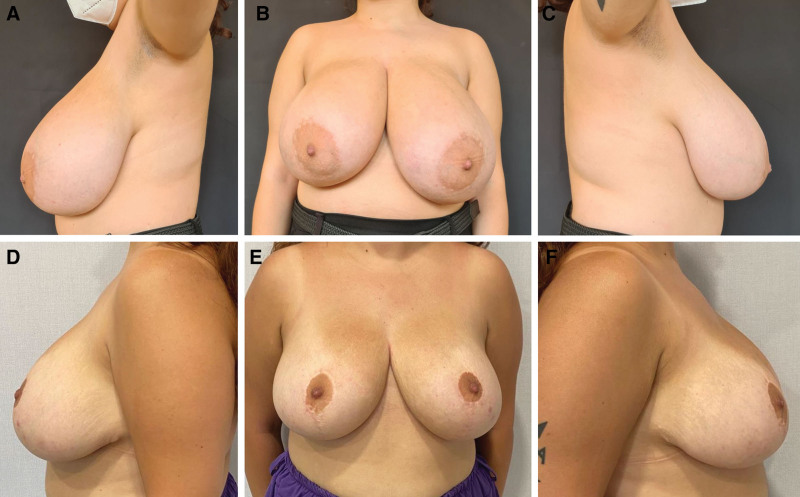
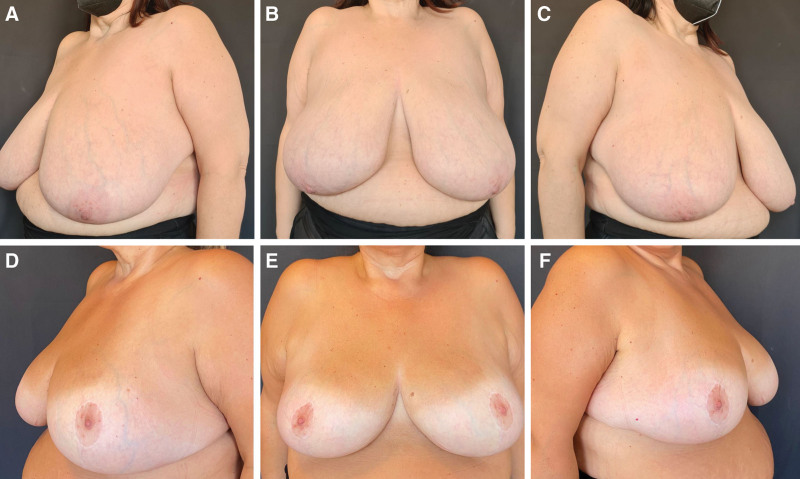
A total of 175 breasts were reduced in 103 women with an average follow-up of 29.8 months. The mean resection weight was 883 g per breast (range: 490-2531). A complication rate of 8% was observed, with only 2.8% experiencing wound breakdown, notably lower than reported rates in other studies. Key-hole dimension as a predicting variable was correlated significantly with resection weight.
The mosque tower pattern proves to be an effective, safe, and reproducible method for preoperative marking in reduction mammaplasty. The study emphasizes the importance of individualized planning to achieve satisfactory results, particularly for surgeons in their early practice.
乳房缩小术是全球实施的第七大最常见的整形手术,近年来手术量显著增加。存在多种技术,每种技术都有其优点和并发症,这凸显了术前标记的关键作用。尽管现有文献聚焦于不同的乳房缩小整形技术,但对手术术前标记的关注有限。本研究引入一种结合了超级内侧蒂的“清真寺塔”模式,旨在将并发症降至最低,并根据患者特征和预测的乳房缩小重量等个体化因素规范设计。
这项回顾性病例系列研究纳入了2017年至2020年间接受乳房缩小整形手术的103名女性。描述了手术标记情况,并记录了并发症。该研究根据钥匙孔尺寸将乳房分为三组,并将其与预测的切除重量相关联。统计分析建立了选择钥匙孔大小的理论公式。
103名女性共进行了175例乳房缩小手术,平均随访29.8个月。每侧乳房的平均切除重量为883克(范围:490 - 2531克)。观察到的并发症发生率为8%,只有2.8%的患者出现伤口裂开,明显低于其他研究报道的发生率。钥匙孔尺寸作为一个预测变量与切除重量显著相关。
清真寺塔模式被证明是乳房缩小整形术中一种有效、安全且可重复的术前标记方法。该研究强调了个体化规划对于取得满意效果的重要性,尤其对于早期执业的外科医生而言。