Department of Cardiology, Boston Children's Hospital, Boston, MA, USA.
Department of Pediatrics, Harvard Medical School, Boston, MA, USA.
Nat Biomed Eng. 2024 Nov;8(11):1396-1411. doi: 10.1038/s41551-024-01266-8. Epub 2024 Oct 17.
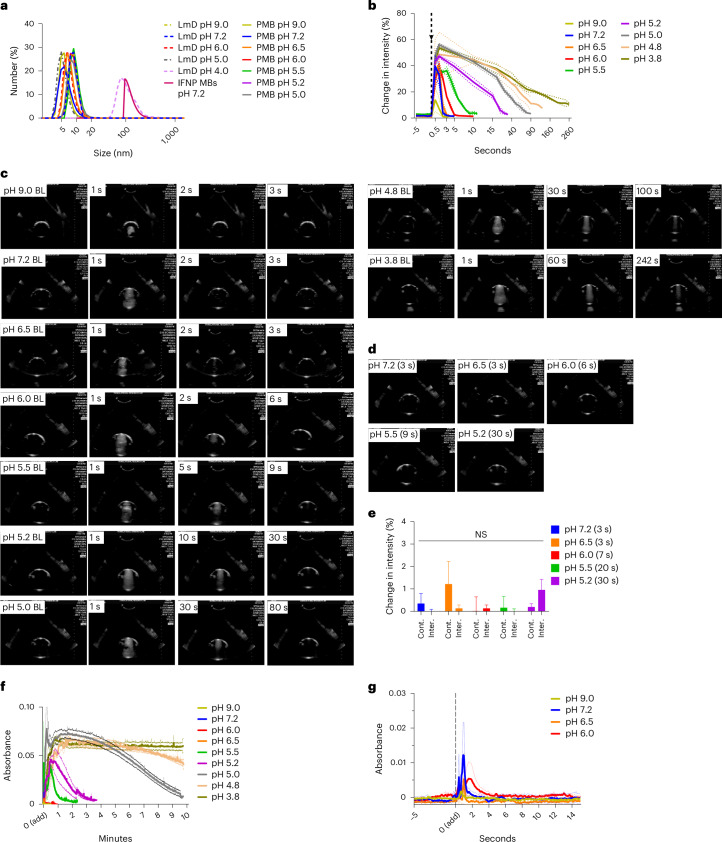
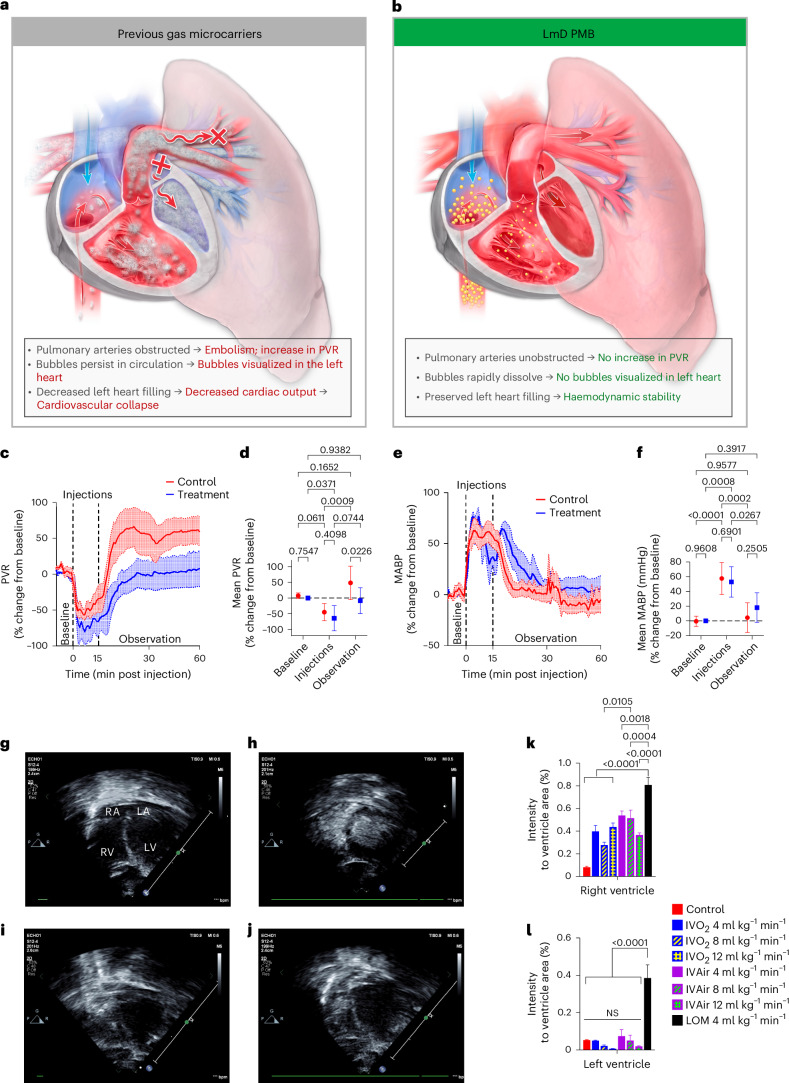
Acute respiratory failure can cause profound hypoxaemia that leads to organ injury or death within minutes. When conventional interventions are ineffective, the intravenous administration of oxygen can rescue patients from severe hypoxaemia, but at the risk of microvascular obstruction and of toxicity of the carrier material. Here we describe polymeric microbubbles as carriers of high volumes of oxygen (350-500 ml of oxygen per litre of foam) that are stable in storage yet quickly dissolve following intravenous injection, reverting to their soluble and excretable molecular constituents. In swine with profound hypoxaemia owing to acute and temporary (12 min) upper-airway obstruction, the microbubble-mediated delivery of oxygen led to: the maintenance of critical oxygenation, lowered burdens of cardiac arrest, improved survival, and substantially improved neurologic and kidney function in surviving animals. Our findings underscore the importance of maintaining a critical threshold of oxygenation and the promise of injectable oxygen as a viable therapy in acute and temporary hypoxaemic crises.
急性呼吸衰竭可导致严重低氧血症,在数分钟内即可导致器官损伤或死亡。当常规干预无效时,静脉内给氧可以使患者摆脱严重低氧血症,但存在微血管阻塞和载体材料毒性的风险。在这里,我们描述了聚合微泡作为高体积氧气的载体(每升泡沫中含有 350-500 毫升氧气),它们在储存中稳定,但在静脉注射后迅速溶解,恢复为可溶性和可排泄的分子成分。在由于急性和暂时(12 分钟)上呼吸道阻塞导致严重低氧血症的猪中,微泡介导的氧气输送导致:维持临界氧合,降低心脏骤停负担,提高存活率,并在存活动物中显著改善神经和肾脏功能。我们的研究结果强调了维持临界氧合阈值的重要性,并表明可注射氧气作为急性和暂时低氧血症危机的可行治疗方法具有广阔的前景。