Institute of Plant Protection, MNS- University of Agriculture Multan, Multan, 61000, Pakistan.
Production Lareault, 90 rue Lareault, Lavaltrie, Québec, J5T 3H3, Canada.
BMC Plant Biol. 2024 Oct 23;24(1):996. doi: 10.1186/s12870-024-05722-0.
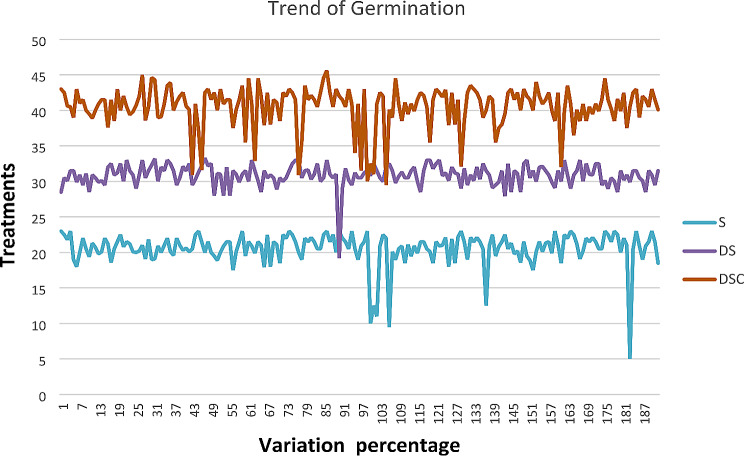
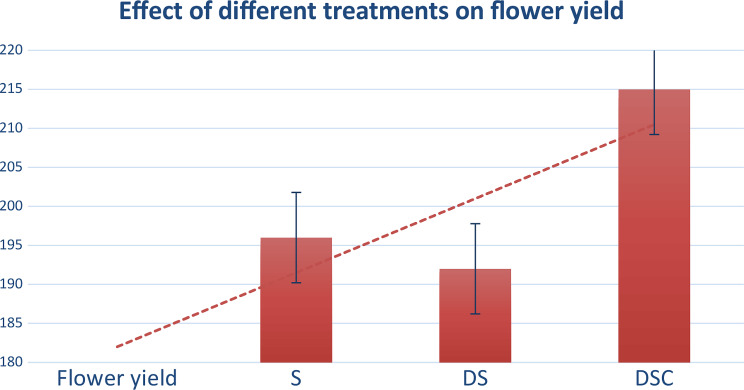
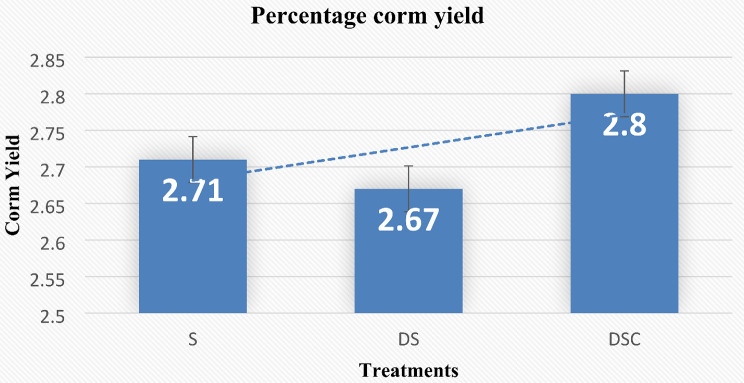
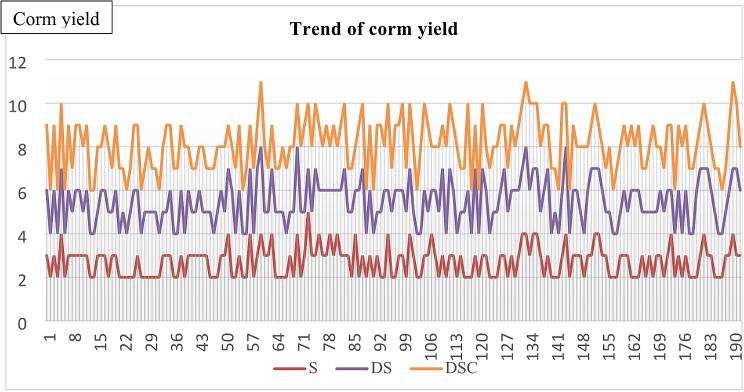
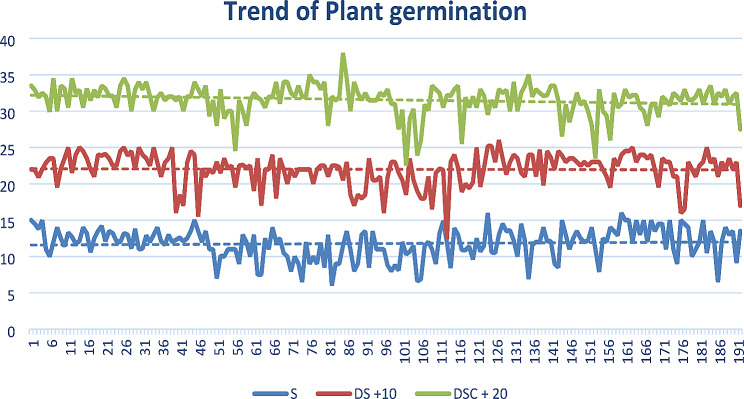
Gladiolus, a widely cultivated cut flower known for its aesthetically pleasing multicoloured spikes, has earned significant commercial popularity. A comprehensive understanding of the rhizosphere bacterial community associated with gladiolus is imperative for revealing its potential benefits. Molecular characterization is considered an effective method to gain insights into the structural and functional aspects of microbial populations. The soil characteristics and bacterial communities in the rhizosphere are typically influenced by quorum sensing (QS) and quorum quenching (QQ) mechanisms. This study aims to explore the niceties and diversity of rhizospheric bacterial populations linked with gladiolus corms, with a specific focus on understanding the dynamics of QS and QQ mechanisms in their complex interactions. The isolation of bacterial strains was achieved through the serial dilution method on nutrient agar (NA) media. The identification of the isolates was accomplished by amplifying 16 S rRNA gene sequences via polymerase chain reaction (PCR) via the use of universal primers. Sequence analysis was conducted via BLAST on the National Center for Biotechnology Information (NCBI) database. The characteristics of the isolated bacteria were elucidated via biosensors. This study identified three QS strains and five QQ strains. A consortium of quenchers was formulated utilizing five strains that demonstrated efficacy in mitigating the impact of disease on gladiolus and fostering growth. Among the three treatments-Scale, Descale, and Descale and Cut Half (DSC)-the DSC treatment emerged as the most effective. This treatment exhibited a broader range of variation in biological parameters over time, aligning with prevailing trends in the local market.
唐菖蒲是一种广受欢迎的切花,因其色彩斑斓的穗状花序而具有很高的观赏价值,已获得了显著的商业价值。全面了解与唐菖蒲相关的根际细菌群落对于揭示其潜在的益处至关重要。分子特征分析被认为是深入了解微生物种群结构和功能的有效方法。根际土壤特性和细菌群落通常受到群体感应(QS)和群体淬灭(QQ)机制的影响。本研究旨在探讨与唐菖蒲球茎相关的根际细菌种群的特征和多样性,特别关注理解 QS 和 QQ 机制在其复杂相互作用中的动态。通过在营养琼脂(NA)培养基上进行系列稀释法分离细菌菌株。通过使用通用引物通过聚合酶链反应(PCR)扩增 16S rRNA 基因序列来完成分离物的鉴定。通过国家生物技术信息中心(NCBI)数据库进行序列分析。通过生物传感器阐明了分离细菌的特征。本研究鉴定了 3 种 QS 菌株和 5 种 QQ 菌株。利用 5 种表现出减轻唐菖蒲疾病影响和促进生长功效的菌株,制定了一种淬灭剂联合体。在 Scale、Descale 和 Descale and Cut Half(DSC)三种处理中,DSC 处理效果最佳。该处理在生物参数方面随时间的变化范围更广,与当地市场的流行趋势一致。