Yao Zhi Q, Schank Madison B, Zhao Juan, El Gazzar Mohamed, Wang Ling, Zhang Yi, Hill Addison C, Banik Puja, Pyburn Jaeden S, Moorman Jonathan P
Center of Excellence in Inflammation, Infectious Disease and Immunity, James H. Quillen College of Medicine, East Tennessee State University, Johnson City, TN, United States.
Department of Internal Medicine, Division of Infectious, Inflammatory and Immunologic Diseases, Quillen College of Medicine, ETSU, Johnson City, TN, United States.
Front Genome Ed. 2024 Oct 9;6:1467449. doi: 10.3389/fgeed.2024.1467449. eCollection 2024.
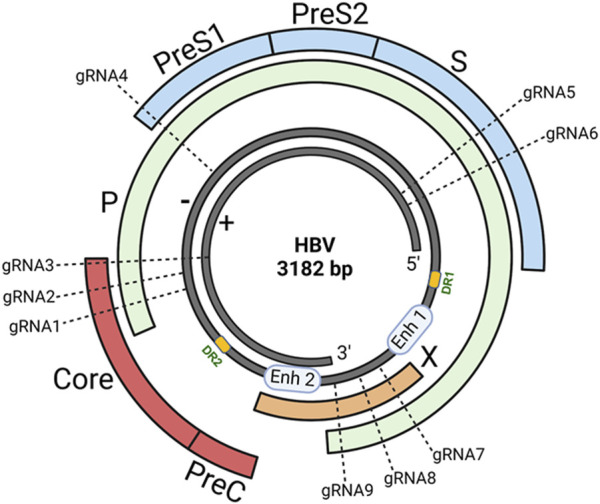
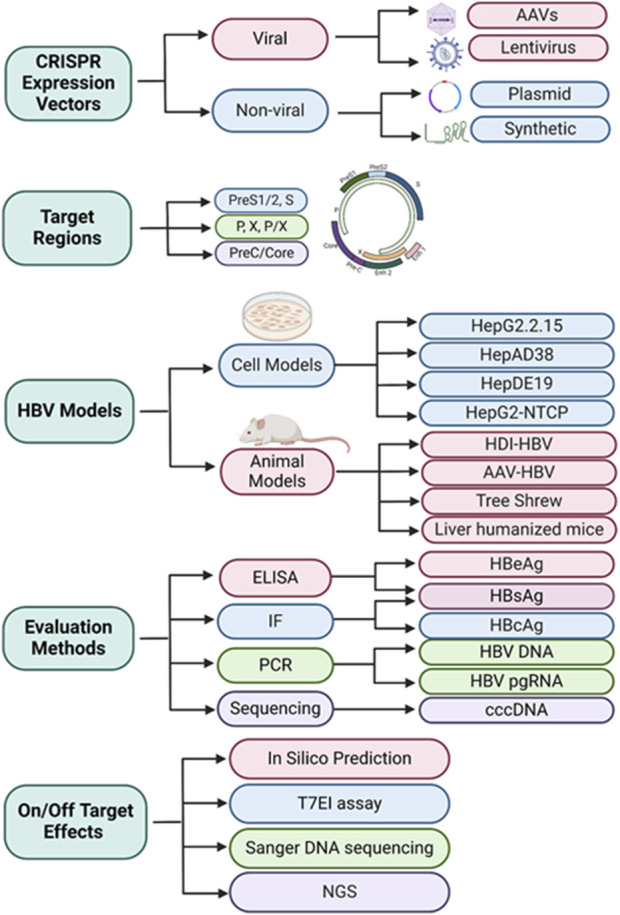
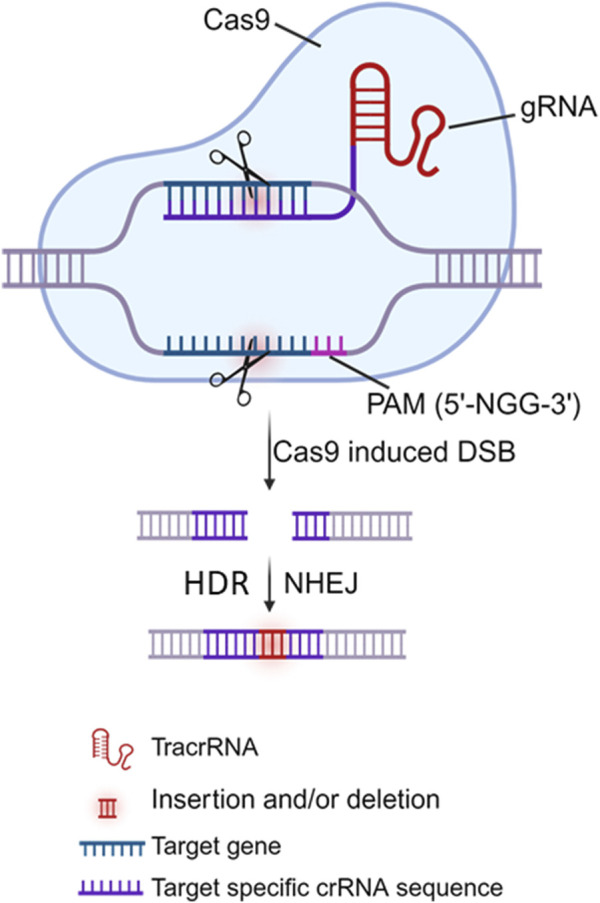
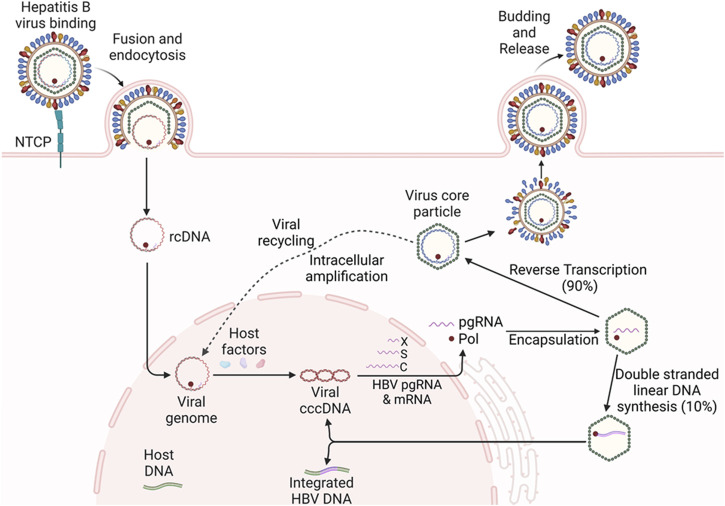
Hepatitis B virus (HBV) infection is a common cause of liver disease worldwide. The current antiviral treatment using nucleotide analogues (NAs) can only suppress HBV replication but cannot eliminate chronic HBV infection due to the persistence of covalently closed circular (ccc) DNA that sustains viral replication. The CRISPR/Cas9 system is a novel genome-editing tool that enables precise gene disruption and inactivation. With high efficiency and simplicity, the CRISPR/Cas9 system has been utilized in multiple studies to disrupt the HBV genome specifically, eliciting varying anti-HBV effects both and . Additionally, multi-locus gene targeting has shown enhanced antiviral activity, paving the way for combination therapy to disrupt and inactivate HBV cccDNA as well as integrated HBV DNA. Despite its promising antiviral effects, this technology faces several challenges that need to be overcome before its clinical application, i.e., off-target effects and drug delivery. As such, there is a need for improvement in CRISPR/Cas9 efficiency, specificity, versatility, and delivery. Here, we critically review the recent literature describing the tools employed in designing guide RNAs (gRNAs) targeting HBV genomes, the vehicles used for expressing and delivering CRISPR/Cas9 components, the models used for evaluating CRISPR-mediated HBV gene disruption, the methods used for assessing antiviral and off-target effects induced by CRISPR/Cas9-mediated HBV gene disruption, and the prospects of future directions and challenges in leveraging this HBV gene-editing approach, to advance the HBV treatment toward a clinical cure.
乙型肝炎病毒(HBV)感染是全球肝脏疾病的常见病因。目前使用核苷酸类似物(NAs)的抗病毒治疗只能抑制HBV复制,但由于维持病毒复制的共价闭合环状(ccc)DNA的持续存在,无法消除慢性HBV感染。CRISPR/Cas9系统是一种新型基因组编辑工具,可实现精确的基因破坏和失活。凭借高效性和简便性,CRISPR/Cas9系统已在多项研究中用于特异性破坏HBV基因组,在体内和体外均产生了不同的抗HBV效果。此外,多位点基因靶向已显示出增强的抗病毒活性,为破坏和失活HBV cccDNA以及整合的HBV DNA的联合治疗铺平了道路。尽管其抗病毒效果很有前景,但该技术在临床应用前仍面临一些需要克服的挑战,即脱靶效应和药物递送。因此,需要提高CRISPR/Cas9的效率、特异性、多功能性和递送能力。在此,我们批判性地综述了最近的文献,这些文献描述了用于设计靶向HBV基因组的引导RNA(gRNAs)的工具、用于表达和递送CRISPR/Cas9组件的载体、用于评估CRISPR介导的HBV基因破坏的模型、用于评估CRISPR/Cas9介导的HBV基因破坏诱导的抗病毒和脱靶效应的方法,以及利用这种HBV基因编辑方法的未来方向和挑战的前景,以推动HBV治疗朝着临床治愈发展。