Department of Molecular and Life Science, Hanyang University, Ansan 15588, South Korea.
Institute of Natural Science & Technology, Hanyang University, Ansan 15588, South Korea.
Sci Adv. 2024 Oct 25;10(43):eadq0101. doi: 10.1126/sciadv.adq0101.
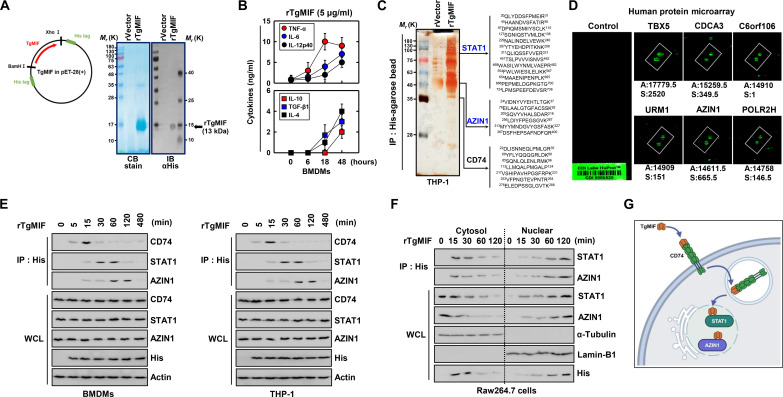
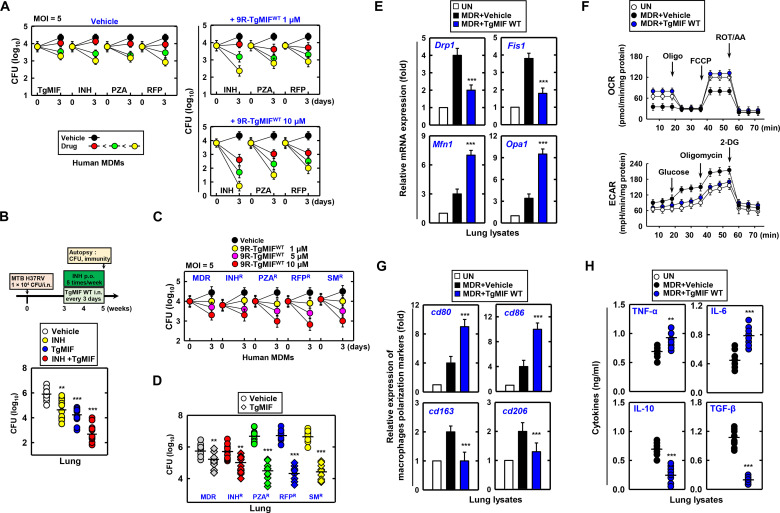
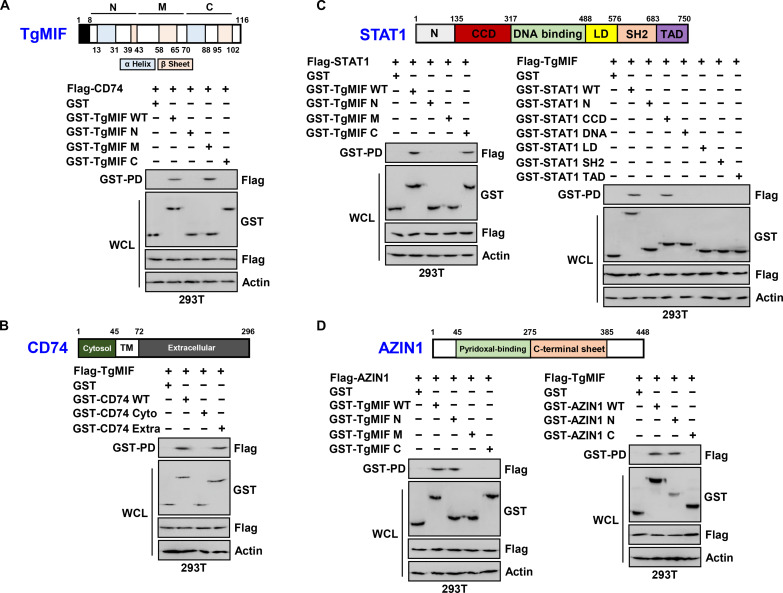
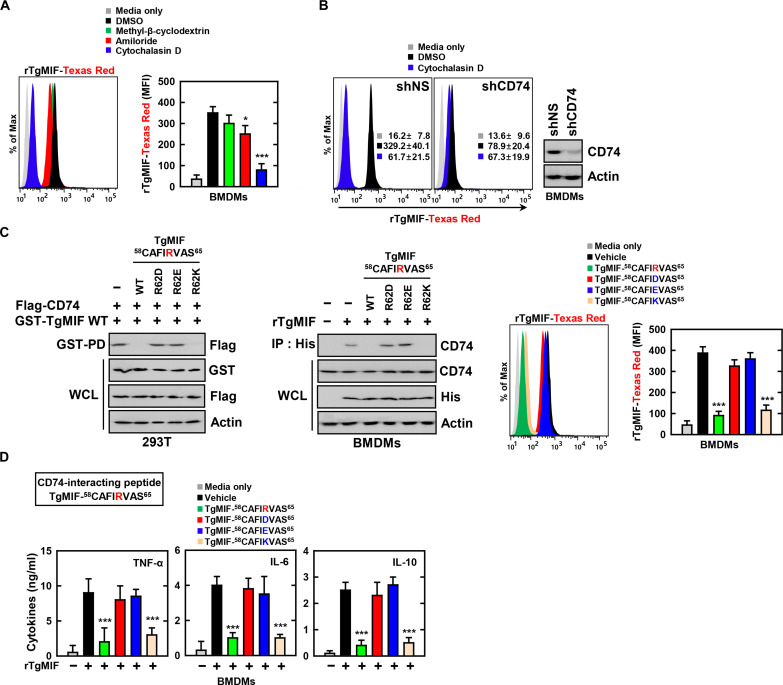
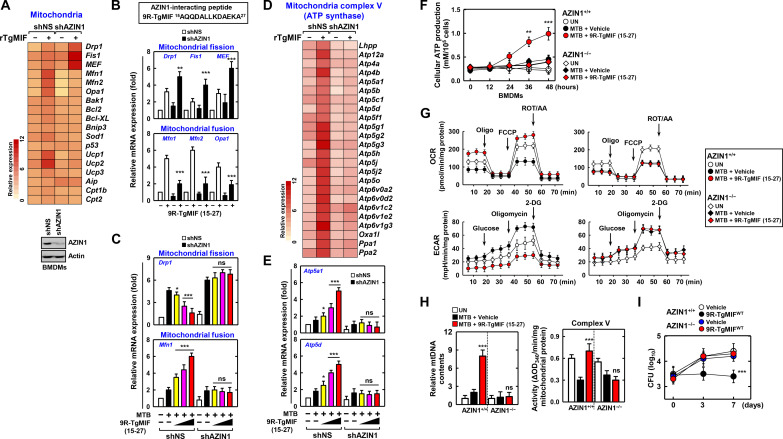
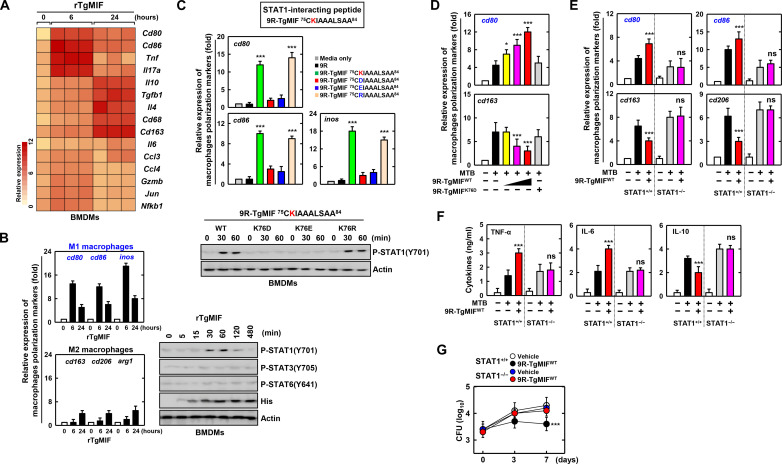
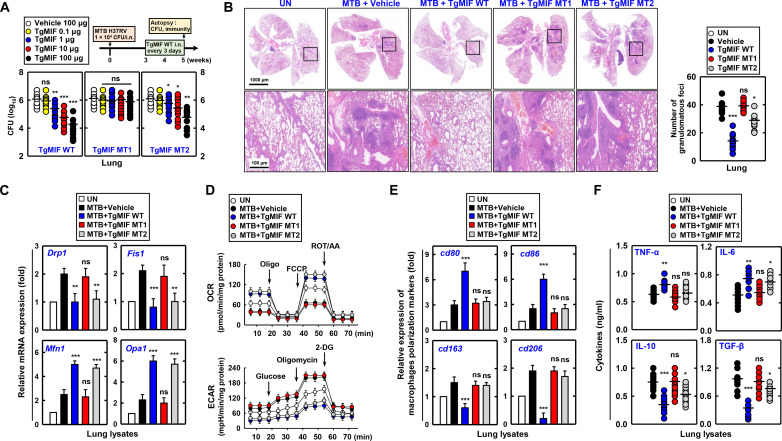
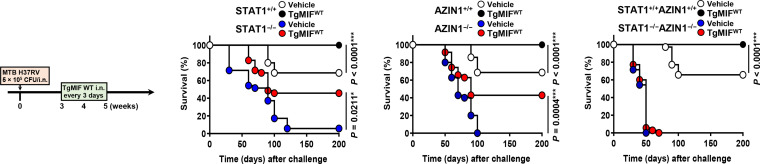
(MTB) is a pathogenic bacterium, belonging to the family , that causes tuberculosis (TB). macrophage migration inhibitory factor (TgMIF), a protein homolog of macrophage migration inhibitory factor, has been explored for its potential to modulate immune responses during MTB infections. We observed that TgMIF that interacts with CD74, antizyme inhibitor 1 (AZIN1), and signal transducer and activator of transcription 1 (STAT1) modulates endocytosis, restoration of mitochondrial function, and macrophage polarization, respectively. These interactions promote therapeutic efficacy in mice infected with MTB, thereby presenting a potential route to host-directed therapy development. Furthermore, TgMIF, in combination with first-line TB drugs, significantly inhibited drug-resistant MTB strains, including multidrug-resistant TB. These results demonstrate that TgMIF is potentially a multifaceted therapeutic agent against TB, acting through immune modulation, enhancement of mitochondrial function, and dependent on STAT1 and AZIN1 pathways.
(MTB)是一种致病性细菌,属于 科,可引起肺结核(TB)。巨噬细胞移动抑制因子(TgMIF)是巨噬细胞移动抑制因子的蛋白同源物,其在调节 MTB 感染期间的免疫反应方面的潜力已被探索。我们观察到,与 CD74、抗酶抑制剂 1(AZIN1)和信号转导和转录激活因子 1(STAT1)相互作用的 TgMIF 分别调节内吞作用、线粒体功能的恢复和巨噬细胞极化。这些相互作用促进了感染 MTB 的小鼠的治疗效果,从而为宿主导向治疗的发展提供了潜在途径。此外,TgMIF 与一线抗结核药物联合使用,可显著抑制包括耐多药 MTB 在内的耐药 MTB 菌株。这些结果表明,TgMIF 是一种潜在的针对结核病的多效治疗剂,通过免疫调节、增强线粒体功能发挥作用,并依赖于 STAT1 和 AZIN1 途径。