da Silva Aniélen D, Fracasso Mateus, Bottari Nathieli B, Palma Taís V, Engelmann Ana M, Castro Milagros F V, Assmann Charles E, Mostardeiro Vitor, Reichert Karine P, Nauderer Jelson, da Veiga Marcelo L, da Rocha Maria Izabel U M, Milleti Luiz Claudio, das Neves Gabriella B, Gundel Samanta, Ourique Aline F, Monteiro Silvia G, Morsch Vera M, Chitolina Maria Rosa, Da Silva Aleksandro S
Department of Biochemistry and Molecular Biology, Universidade Federal de Santa Maria, Santa Maria 97105-900, RS, Brazil.
Department of Microbiology and Parasitology, Universidade Federal de Pelotas, Pelotas 96015-560, Brazil.
Pharmaceuticals (Basel). 2024 Oct 19;17(10):1397. doi: 10.3390/ph17101397.
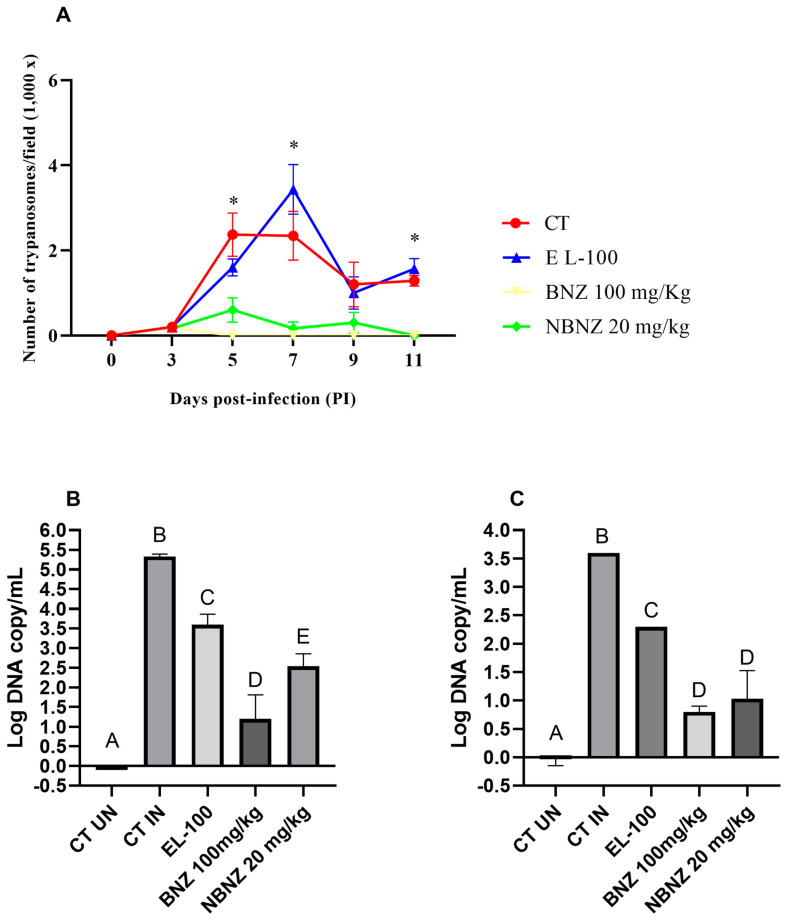
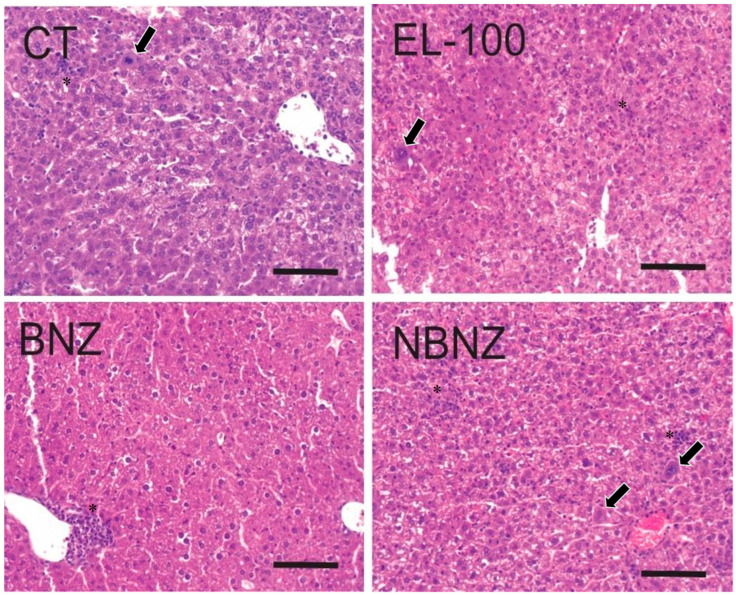
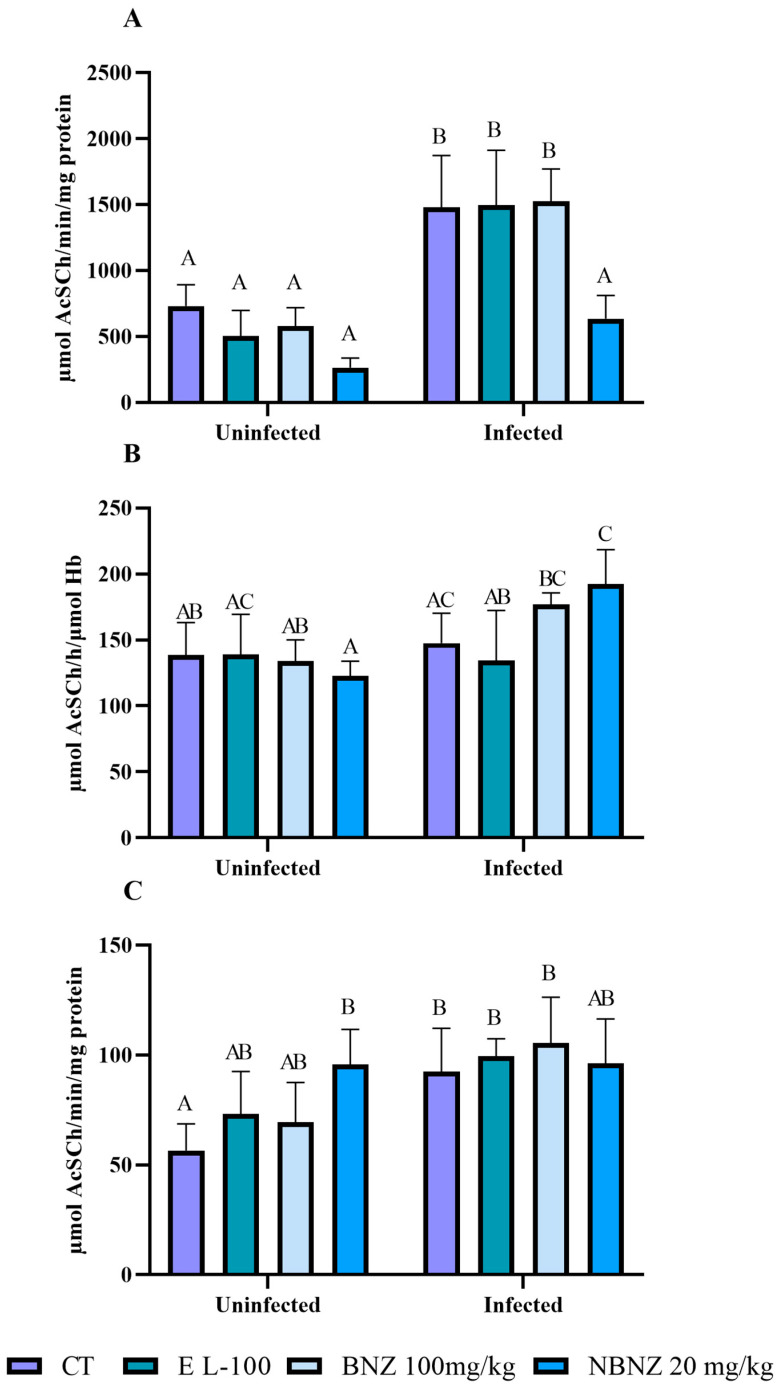
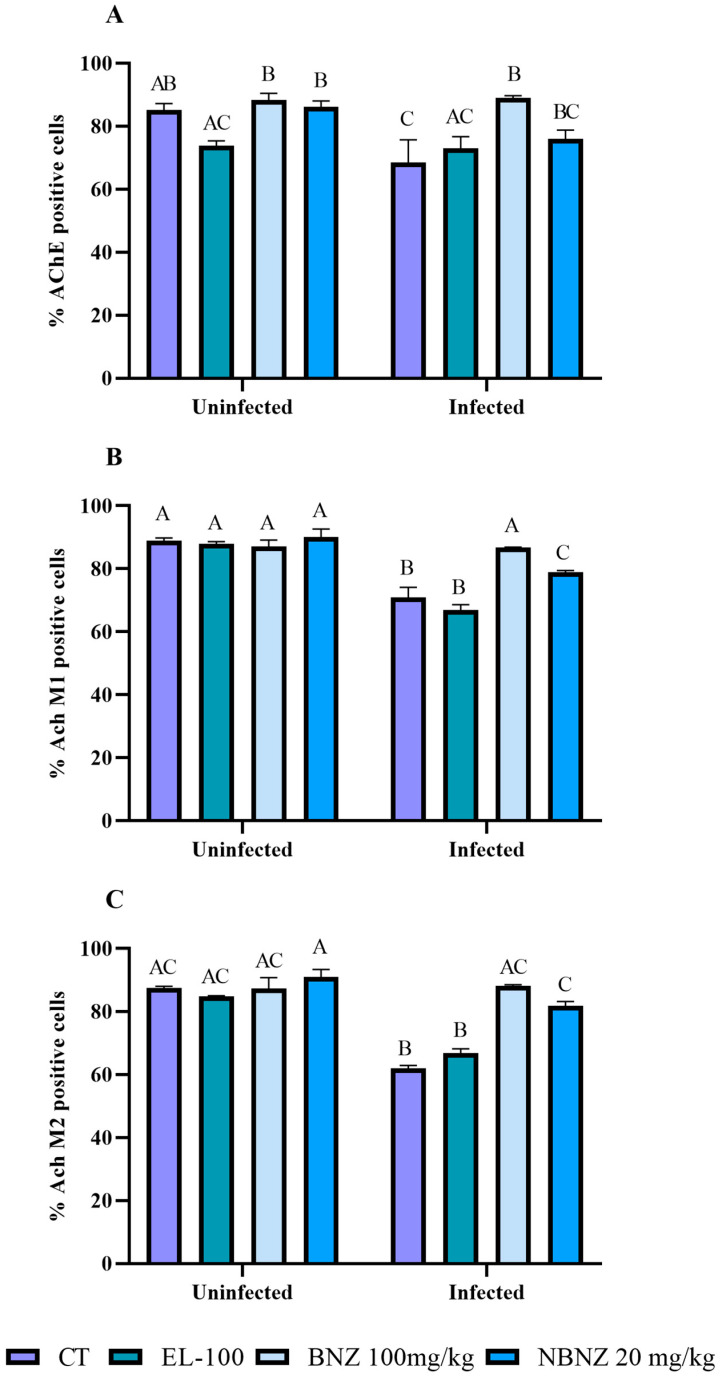
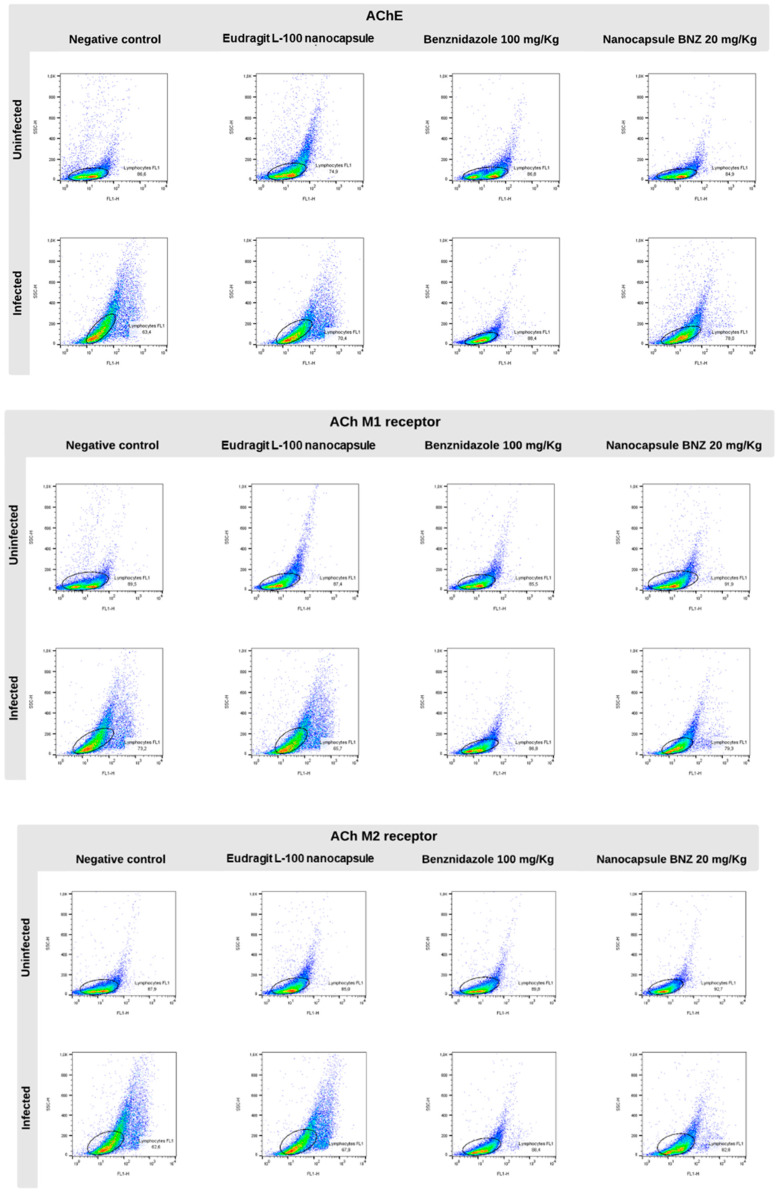
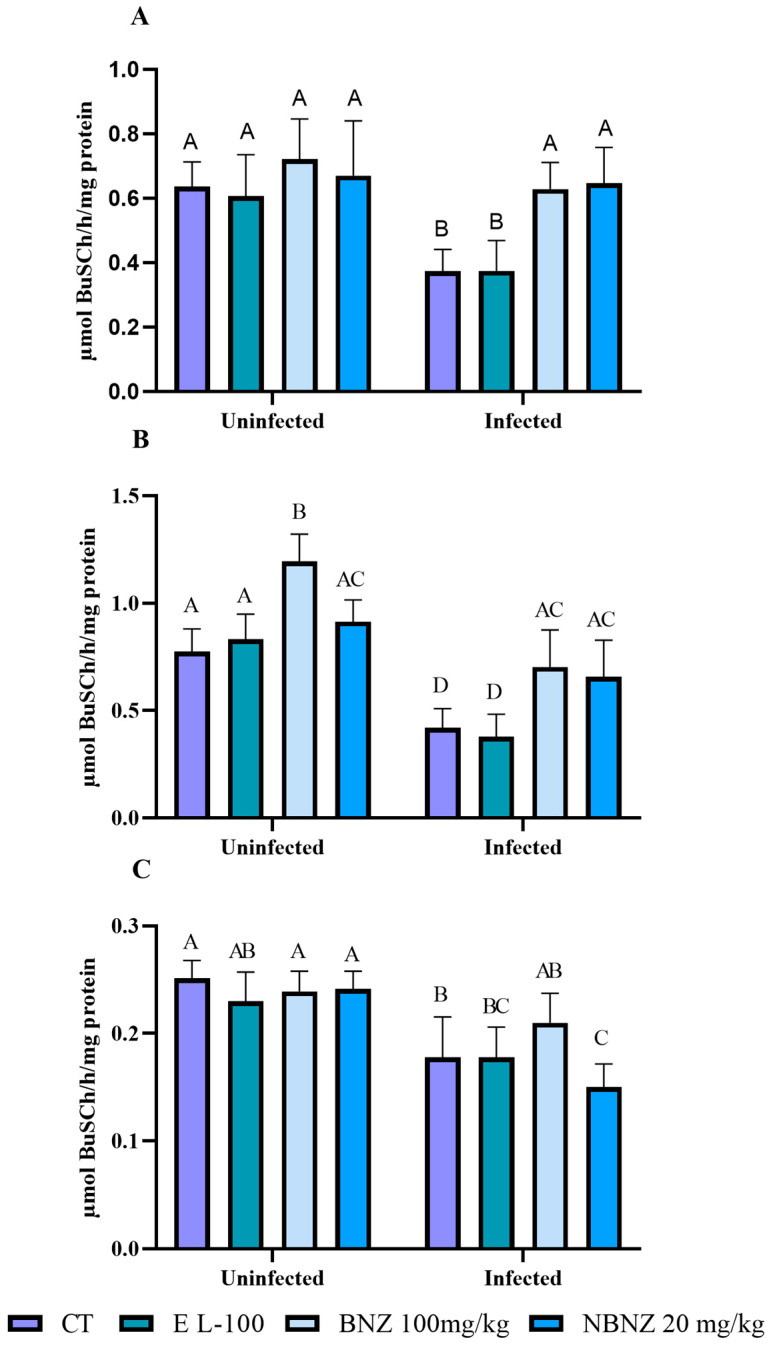
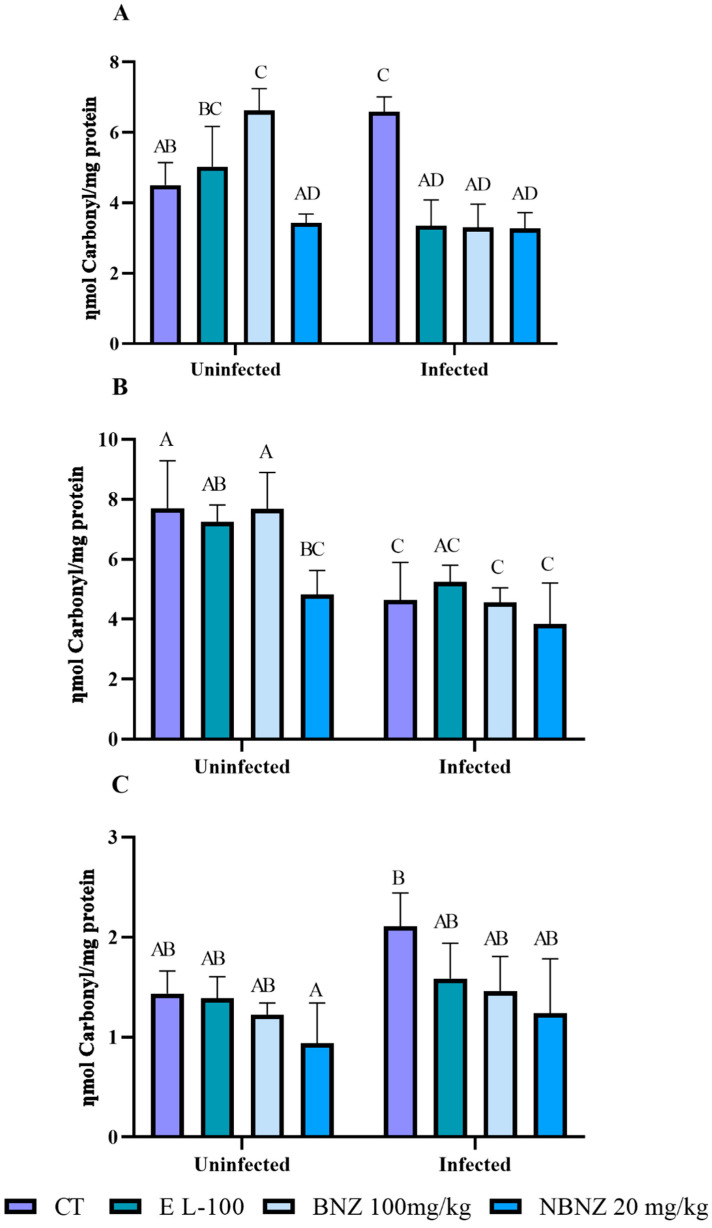
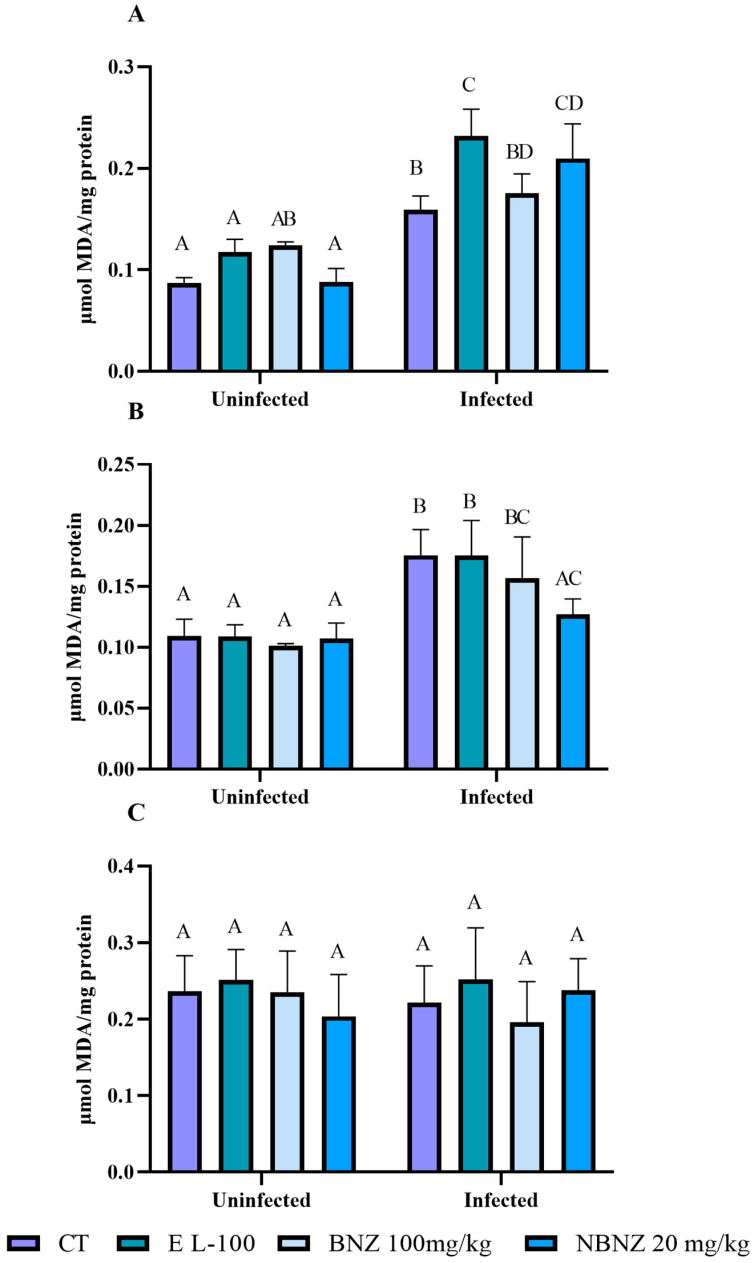
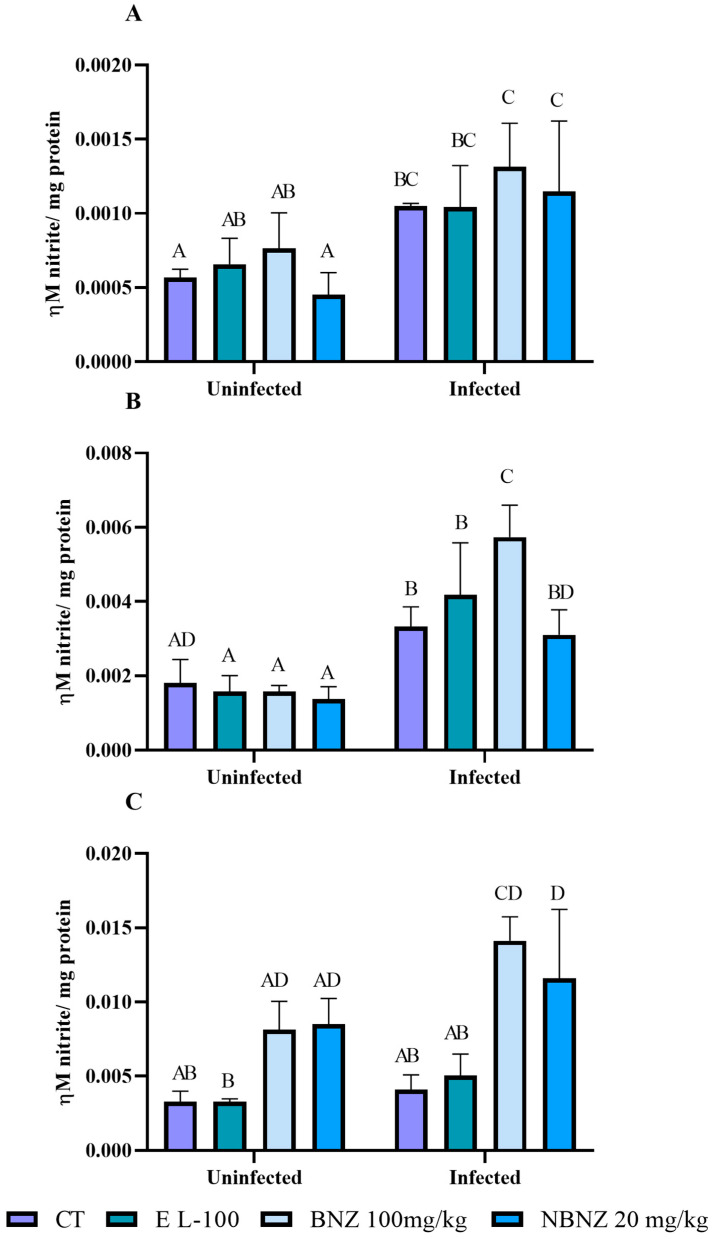
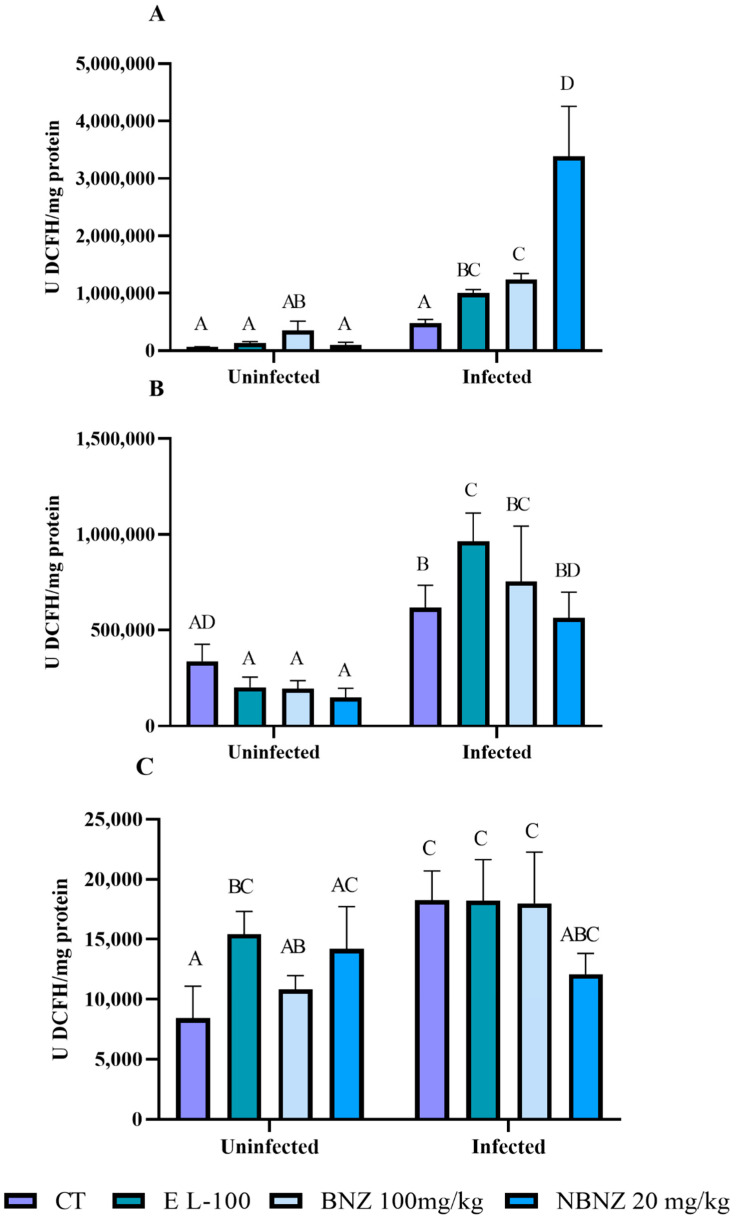
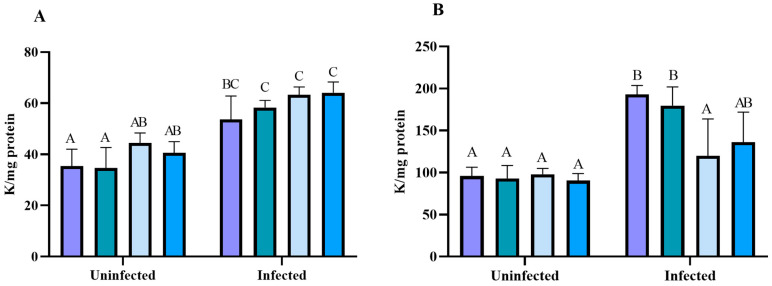
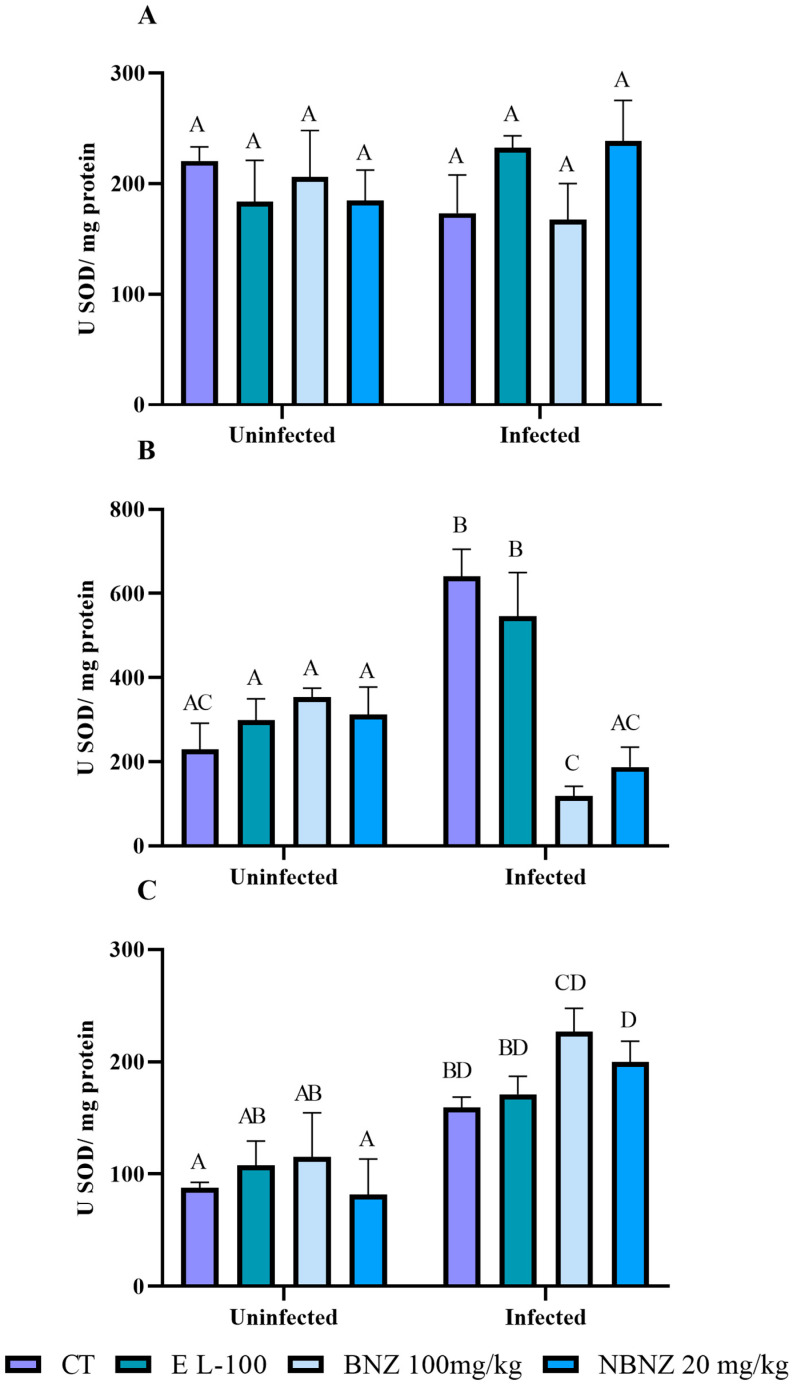
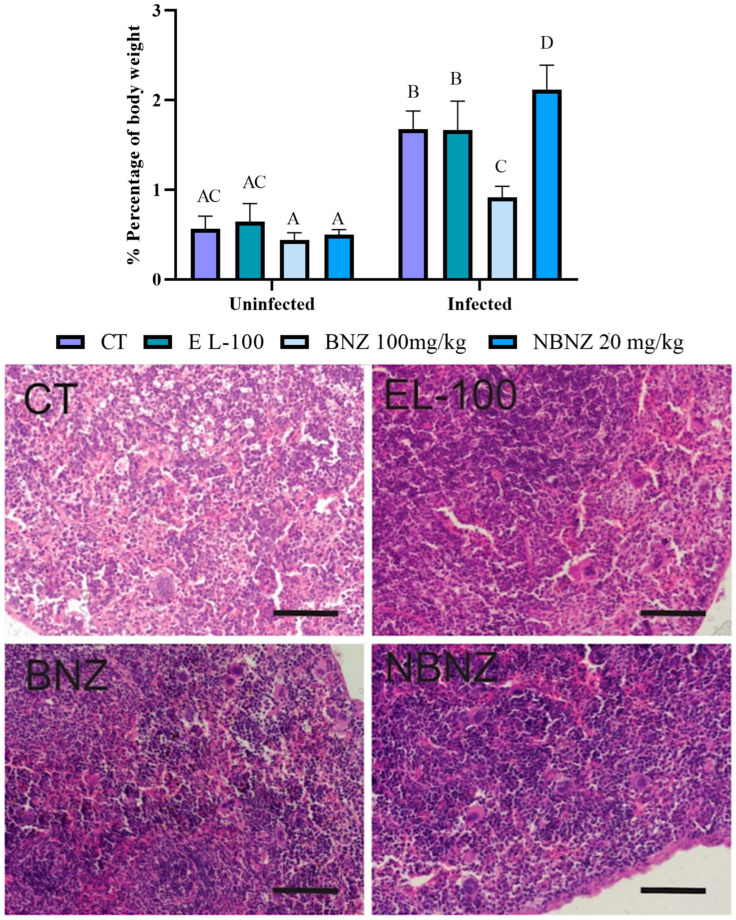
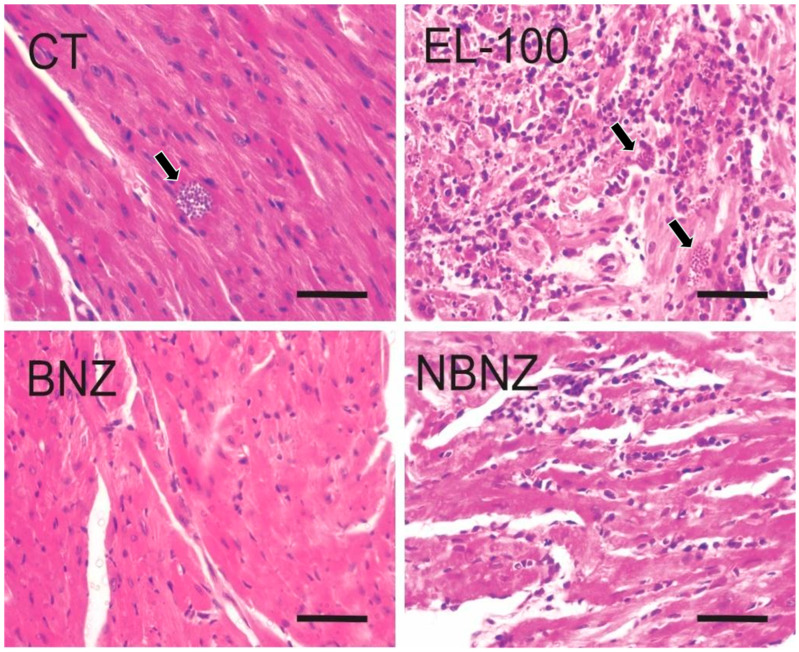
: The infection promotes an intense inflammatory process that affects several tissues. The cholinergic system may exert a regulatory immune response and control the inflammatory process. This study aimed to evaluate the comparative effect of free and nanoencapsulated benznidazole in acute infection to assess hematological, biochemical, and oxidative status triggered by the cholinergic system. : For this, fifty female Swiss mice were distributed in eight groups, i.e., uninfected and infected animals under four treatment protocols: untreated (control-CT); vehicle treatment (Eudragit L 100-EL-100); benznidazole treatment (BNZ); and nanoencapsulated benznidazole treatment (NBNZ). After eight treatment days, the animals were euthanized for sample collection. : The peak of parasitemia was at day 7 p.i., and the BNZ and NBNZ controlled and reduced the parasite rate but showed no efficacy in terms of total elimination of parasites analyzed by RT-PCR in both infected groups. The infection promotes significant anemia, leukopenia, and thrombocytopenia, which the BNZ improves. There was an increase in AChE activity during infection, leading to a pro-inflammatory response and an increase in M1 and M2 mACh receptors in the BNZ group, showing that the treatment interacted with the cholinergic pathway. In addition, a pro-oxidative response was characterized in the infection and mainly in the infected BNZ and NBNZ groups. The histopathological analysis showed significative splenomegaly and inflammatory infiltrate in the heart, liver, and spleen. : The administration of the BNZ or NBNZ reverses hematological, hepatic, and renal alterations through cholinergic signaling and stimulates a pro-inflammatory response during acute infection.
该感染会引发影响多个组织的强烈炎症过程。胆碱能系统可能发挥调节性免疫反应并控制炎症过程。本研究旨在评估游离型和纳米包封型苯硝唑在急性感染中的比较效果,以评估由胆碱能系统引发的血液学、生化和氧化状态。为此,将50只雌性瑞士小鼠分为八组,即未感染和感染动物,采用四种治疗方案:未治疗(对照-CT);载体治疗(Eudragit L 100-EL-100);苯硝唑治疗(BNZ);以及纳米包封型苯硝唑治疗(NBNZ)。治疗八天后,对动物实施安乐死以采集样本。寄生虫血症高峰出现在感染后第7天,BNZ和NBNZ控制并降低了寄生虫率,但在通过RT-PCR分析的两个感染组中,在完全消除寄生虫方面均未显示出效果。该感染会导致显著的贫血、白细胞减少和血小板减少,BNZ可改善这些情况。感染期间乙酰胆碱酯酶活性增加,导致促炎反应,且BNZ组中M1和M2毒蕈碱型乙酰胆碱受体增加,表明该治疗与胆碱能途径相互作用。此外,在感染中以及主要在感染的BNZ和NBNZ组中表现出促氧化反应。组织病理学分析显示心脏、肝脏和脾脏有明显的脾肿大和炎性浸润。BNZ或NBNZ的给药通过胆碱能信号逆转血液学、肝脏和肾脏改变,并在急性感染期间刺激促炎反应。