
基于基因调控网络分析的三阴性乳腺癌潜在治疗靶点:一种全面的系统生物学方法
Potential Therapeutic Targets in Triple-Negative Breast Cancer Based on Gene Regulatory Network Analysis: A Comprehensive Systems Biology Approach.
作者信息
Ahmadi Maryam, Barkhoda Neda, Alizamir Aida, Taherkhani Amir
机构信息
Clinical Research Development Unit of Fatemiyeh Hospital, Department of Gynecology, School of Medicine, Hamadan University of Medical Sciences, Hamadan, Iran.
Department of Pathology, School of Medicine, Hamadan University of Medical Sciences, Hamadan, Iran.
出版信息
Int J Breast Cancer. 2024 Oct 22;2024:8796102. doi: 10.1155/2024/8796102. eCollection 2024.
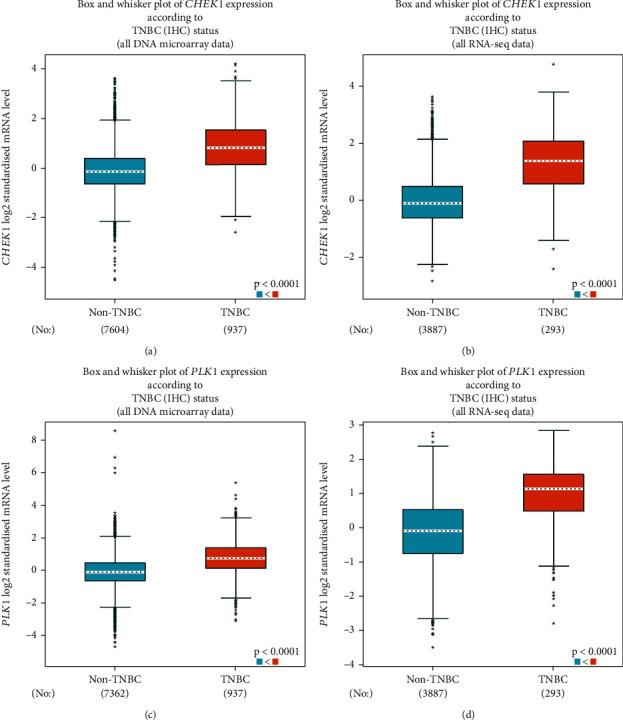
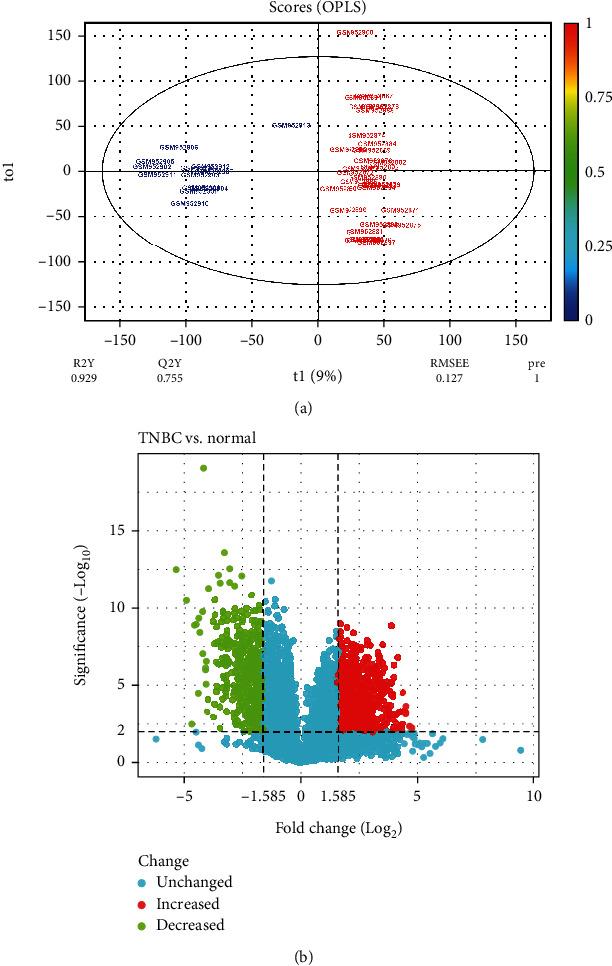
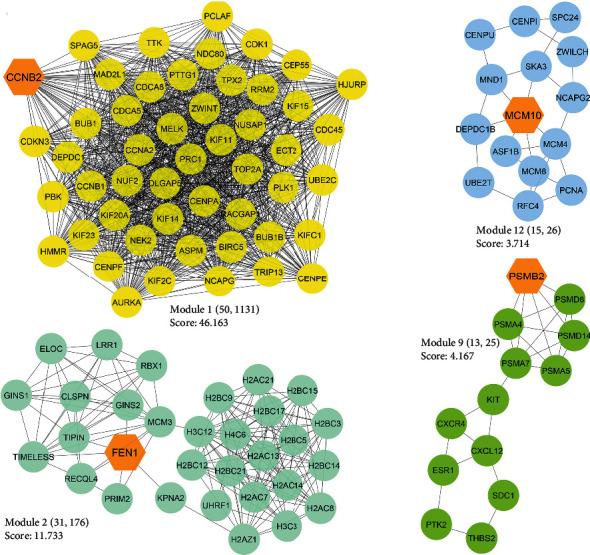
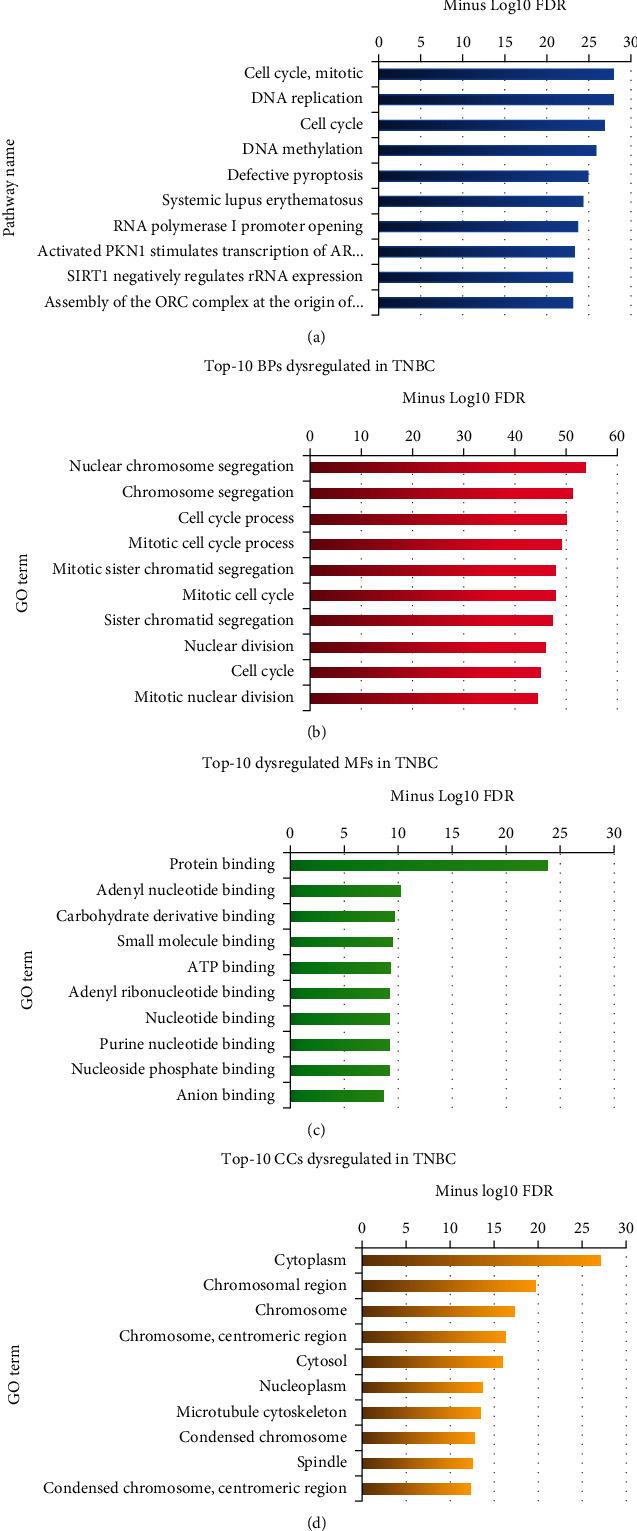
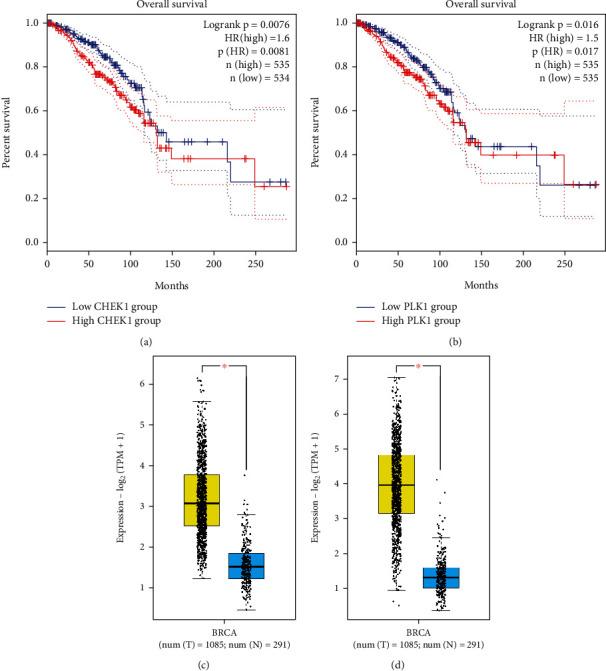
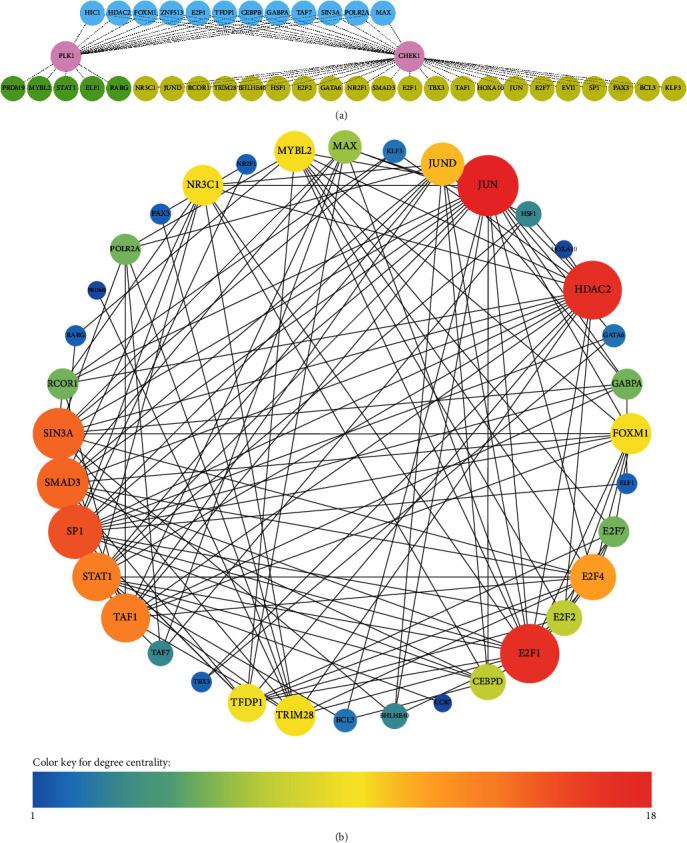
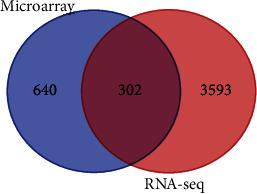
Triple-negative breast cancer (TNBC) is an aggressive subtype with limited treatment options. This study is aimed at identifying potential therapeutic targets in TNBC using gene regulatory network analysis and a system biology approach. : The GSE38959 dataset was reanalyzed to identify differentially expressed genes (DEGs) in TNBC tissues compared to normal breast samples. Protein-protein interaction networks were constructed, and hub genes were identified. Survival analysis was performed using GEPIA2. Gene regulatory networks were built to identify upstream regulators. Cross-platform verification was conducted using an independent RNA-seq dataset (GSE58135). Expression analysis of prognostic markers in TNBC versus non-TNBC samples was performed using bc-GenExMiner. A total of 943 DEGs were identified in TNBC tissues. CHEK1 and PLK1 were identified as central hub genes, with overexpression correlating with poor prognosis. GABPB1 was identified as the most influential upstream regulator of CHEK1 and PLK1 through gene regulatory network analysis, while JUN exhibited the most interactions among regulators. A total of 302 consistently modulated genes were confirmed through cross-platform verification. The overexpression of CHEK1 and PLK1 in TNBC compared to non-TNBC samples was validated by expression analysis. : This study provides insights into the molecular mechanisms of TNBC and suggests CHEK1, PLK1, and their upstream regulators as potential therapeutic targets for TNBC treatment.
三阴性乳腺癌(TNBC)是一种侵袭性亚型,治疗选择有限。本研究旨在通过基因调控网络分析和系统生物学方法,确定TNBC中的潜在治疗靶点。对GSE38959数据集进行重新分析,以确定与正常乳腺样本相比,TNBC组织中差异表达基因(DEG)。构建蛋白质-蛋白质相互作用网络,并确定枢纽基因。使用GEPIA2进行生存分析。构建基因调控网络以识别上游调节因子。使用独立的RNA测序数据集(GSE58135)进行跨平台验证。使用bc-GenExMiner对TNBC与非TNBC样本中的预后标志物进行表达分析。在TNBC组织中共鉴定出943个DEG。CHEK1和PLK1被确定为核心枢纽基因,其过表达与不良预后相关。通过基因调控网络分析,GABPB1被确定为CHEK1和PLK1最具影响力的上游调节因子,而JUN在调节因子中表现出最多的相互作用。通过跨平台验证共确认了302个持续调节的基因。通过表达分析验证了TNBC中CHEK1和PLK1相对于非TNBC样本的过表达。本研究为TNBC的分子机制提供了见解,并表明CHEK1、PLK1及其上游调节因子是TNBC治疗的潜在靶点。
 Zotero 插件