Department of Pharmaceutical Chemistry, School of Pharmacy, The University of Kansas, Lawrence, KS, 66047, USA.
Department of Biological Sciences, Texas Tech University, Lubbock, TX, 79409, USA.
Nat Commun. 2024 Oct 31;15(1):9409. doi: 10.1038/s41467-024-53790-5.
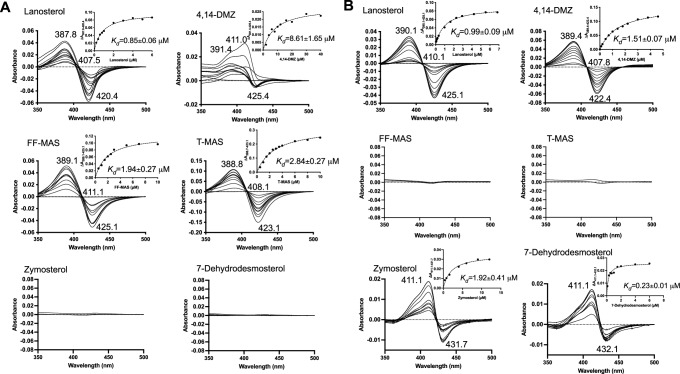
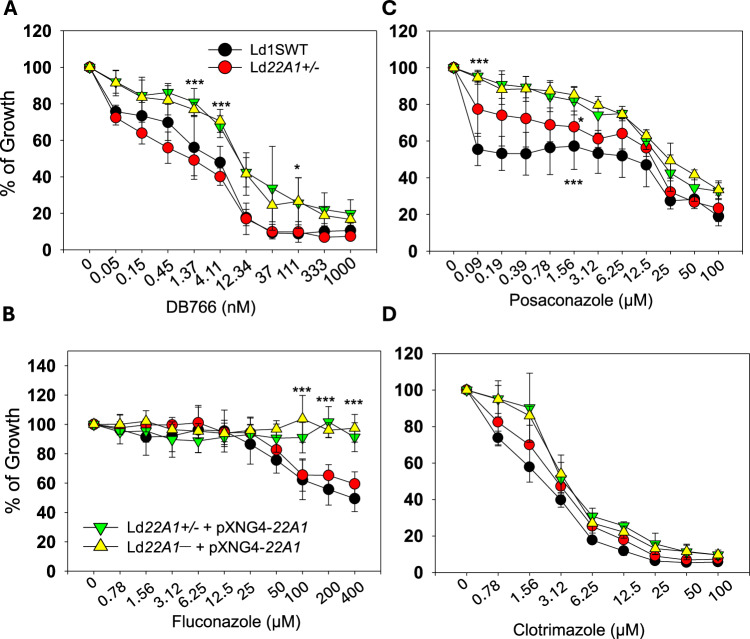
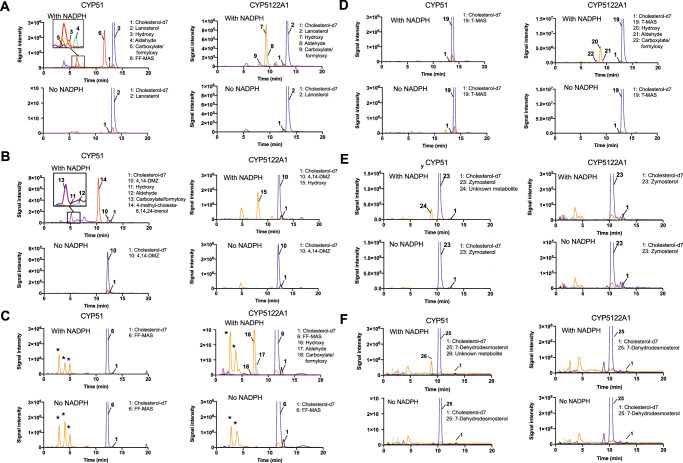
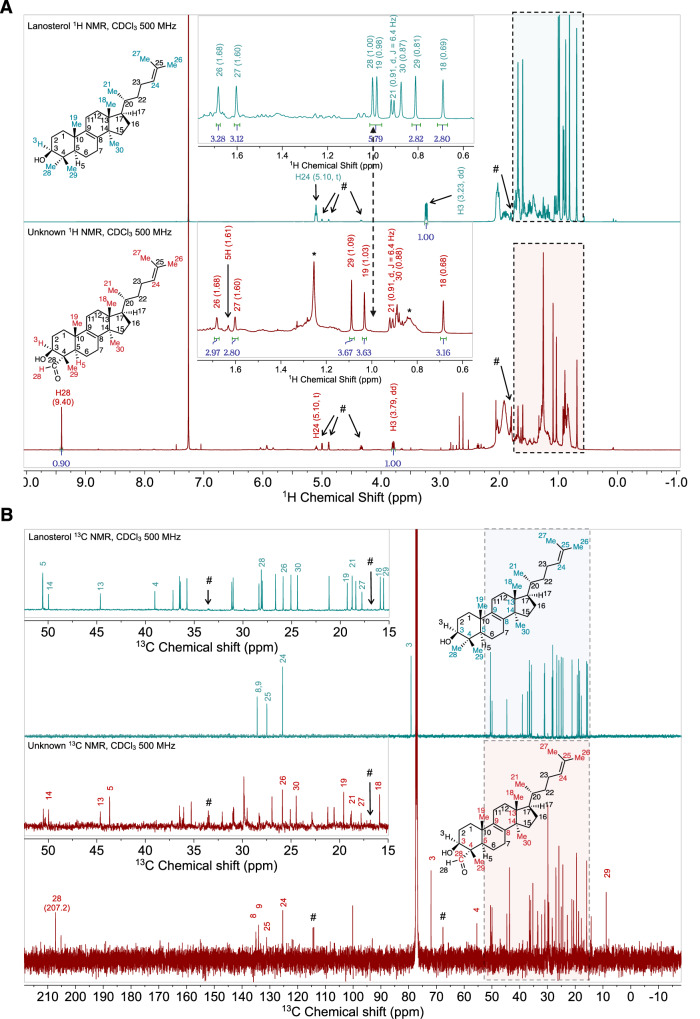
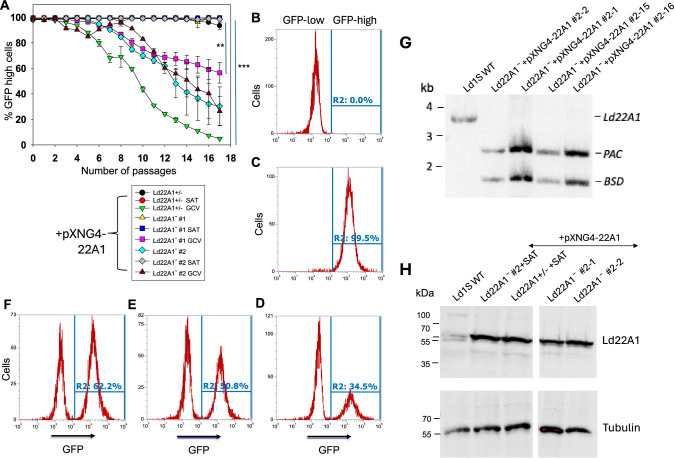
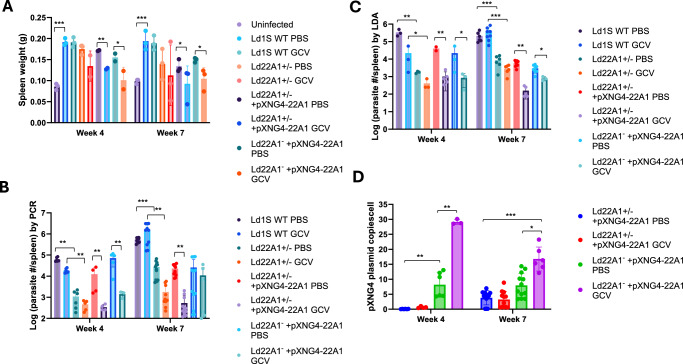
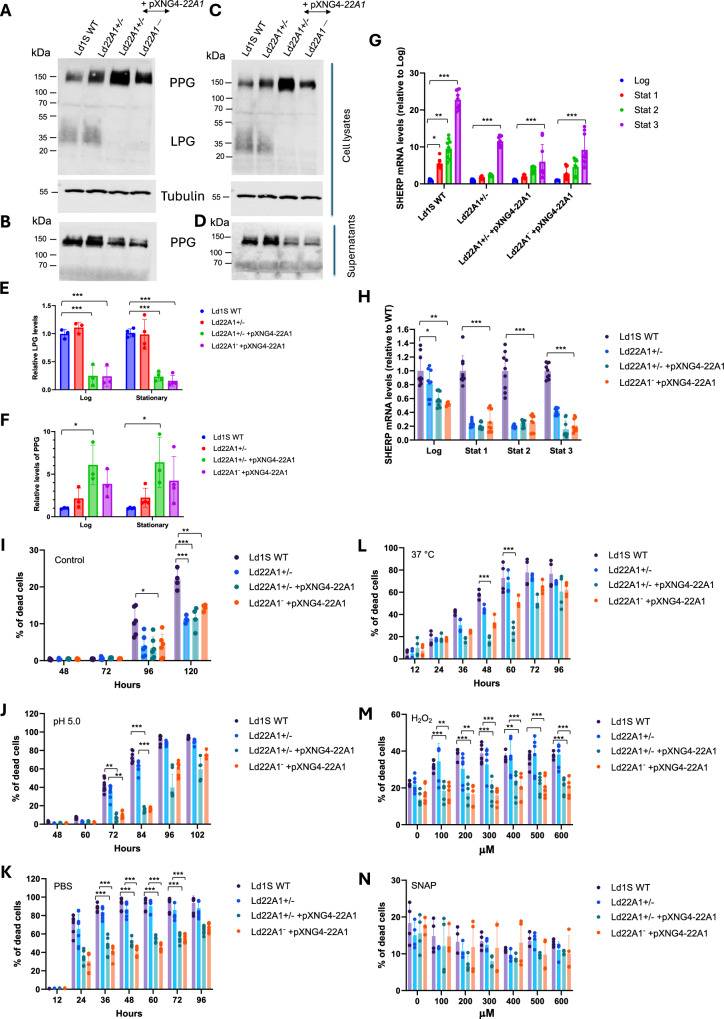
Visceral leishmaniasis is a life-threatening parasitic disease, but current antileishmanial drugs have severe drawbacks. Antifungal azoles inhibit the activity of cytochrome P450 (CYP) 51 enzymes which are responsible for removing the C14α-methyl group of lanosterol, a key step in ergosterol biosynthesis in Leishmania. However, they exhibit varying degrees of antileishmanial activities in culture, suggesting the existence of unrecognized molecular targets. Our previous study reveals that, in Leishmania, lanosterol undergoes parallel C4- and C14-demethylation to form 4α,14α-dimethylzymosterol and T-MAS, respectively. In the current study, CYP5122A1 is identified as a sterol C4-methyl oxidase that catalyzes the sequential oxidation of lanosterol to form C4-oxidation metabolites. CYP5122A1 is essential for both L. donovani promastigotes in culture and intracellular amastigotes in infected mice. CYP5122A1 overexpression results in growth delay, increased tolerance to stress, and altered expression of lipophosphoglycan and proteophosphoglycan. CYP5122A1 also helps to determine the antileishmanial effect of antifungal azoles in vitro. Dual inhibitors of CYP51 and CYP5122A1 possess superior antileishmanial activity against L. donovani promastigotes whereas CYP51-selective inhibitors have little effect on promastigote growth. Our findings uncover the critical biochemical and biological role of CYP5122A1 in L. donovani and provide an important foundation for developing new antileishmanial drugs by targeting both CYP enzymes.
内脏利什曼病是一种危及生命的寄生虫病,但目前的抗利什曼病药物存在严重的缺陷。抗真菌唑类药物抑制细胞色素 P450(CYP)51 酶的活性,该酶负责去除羊毛甾醇的 C14α-甲基,这是利什曼原虫中麦角甾醇生物合成的关键步骤。然而,它们在培养物中表现出不同程度的抗利什曼活性,这表明存在未被识别的分子靶标。我们之前的研究表明,在利什曼原虫中,羊毛甾醇经历平行的 C4-和 C14-脱甲基化,分别形成 4α,14α-二甲基酵母甾醇和 T-MAS。在本研究中,CYP5122A1 被鉴定为一种甾醇 C4-甲基氧化酶,它催化羊毛甾醇的顺序氧化形成 C4-氧化代谢物。CYP5122A1 对于培养中的 L. donovani 前鞭毛体和感染小鼠中的细胞内无鞭毛体都是必需的。CYP5122A1 的过表达导致生长延迟、对应激的耐受性增加以及脂磷壁酸和蛋白磷壁酸的表达改变。CYP5122A1 还有助于确定抗真菌唑类药物在体外的抗利什曼原虫作用。CYP51 和 CYP5122A1 的双重抑制剂对 L. donovani 前鞭毛体具有优越的抗利什曼原虫活性,而 CYP51 选择性抑制剂对前鞭毛体生长几乎没有影响。我们的研究结果揭示了 CYP5122A1 在 L. donovani 中的关键生化和生物学作用,并为开发针对两种 CYP 酶的新型抗利什曼病药物提供了重要基础。