Esquea Emily M, Young Riley G, Ciraku Lorela, Merzy Jessica, Ahmed Nusaiba N, Talarico Alexandra N, Karuppiah Mangalam, Gocal Wiktoria, Simone Nicole L, Dick Alexej, Reginato Mauricio J
Department of Biochemistry and Molecular Biology, Drexel University College of Medicine, Philadelphia, PA 19102.
These authors contributed equally.
bioRxiv. 2024 Oct 21:2024.10.18.619082. doi: 10.1101/2024.10.18.619082.
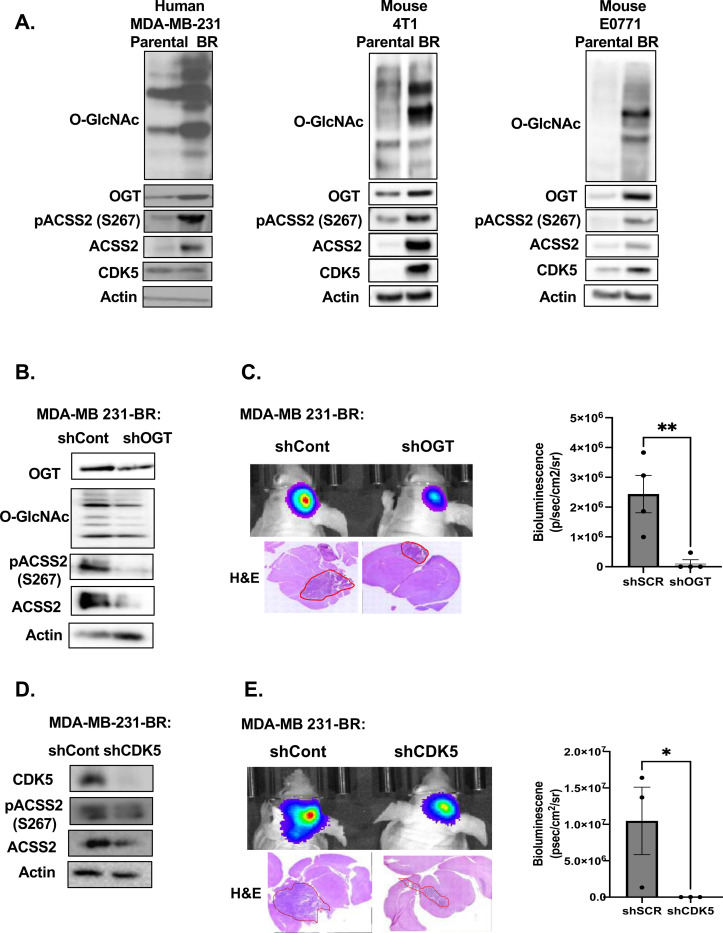
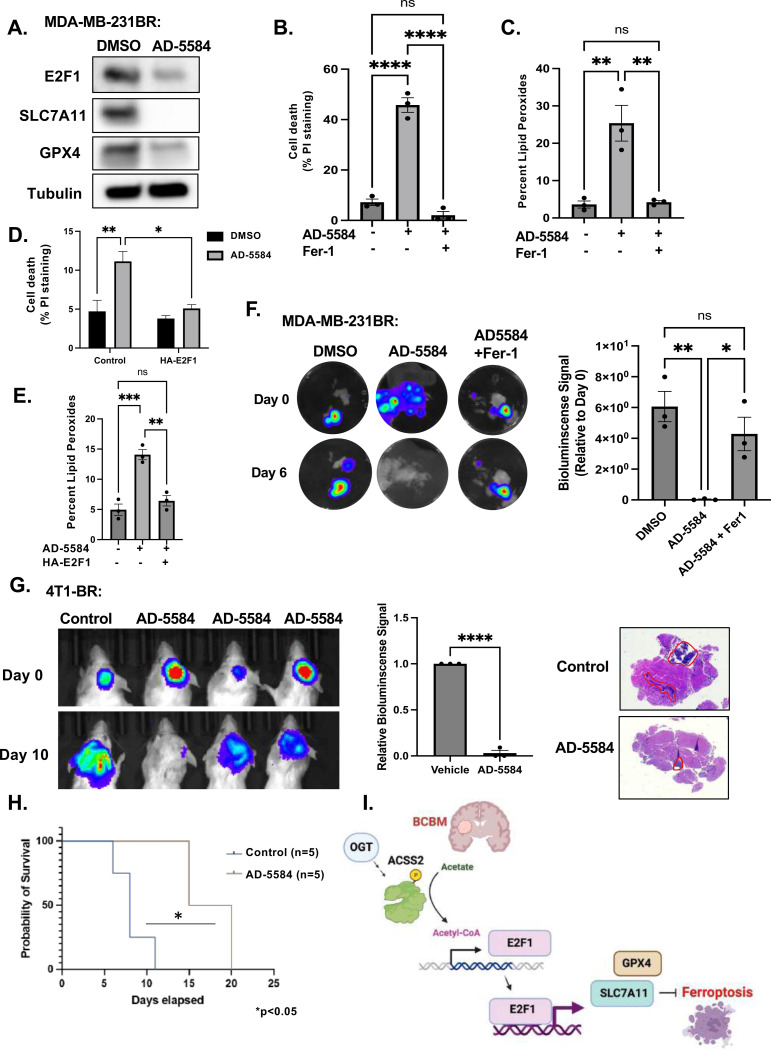
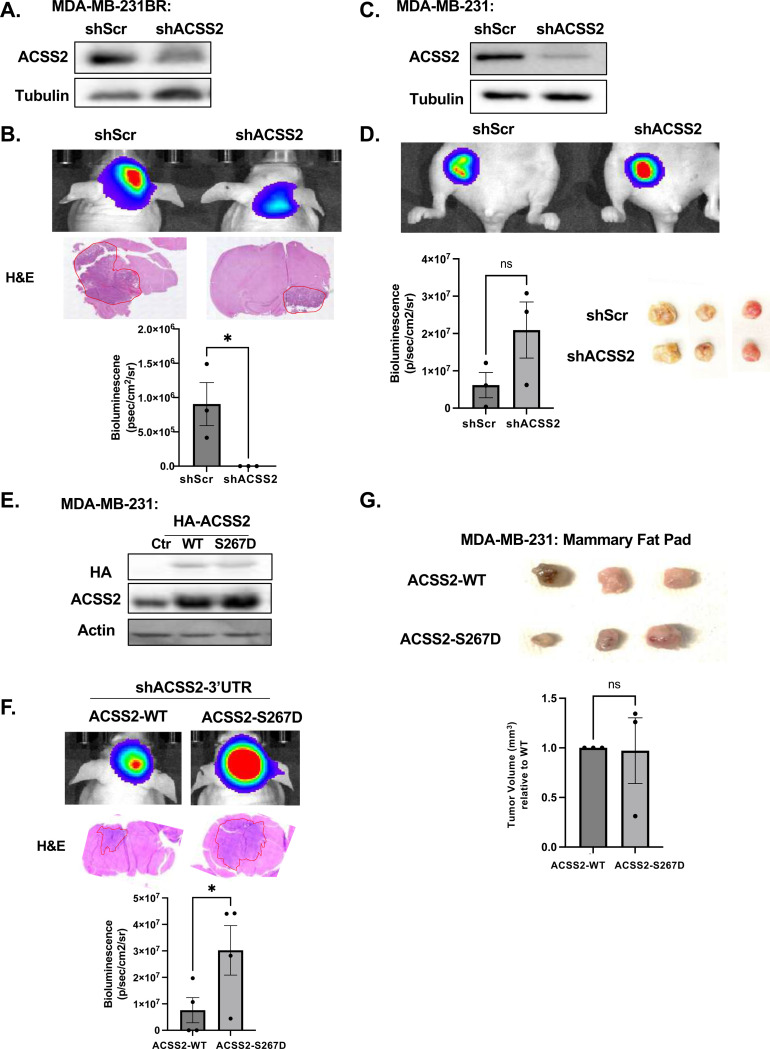
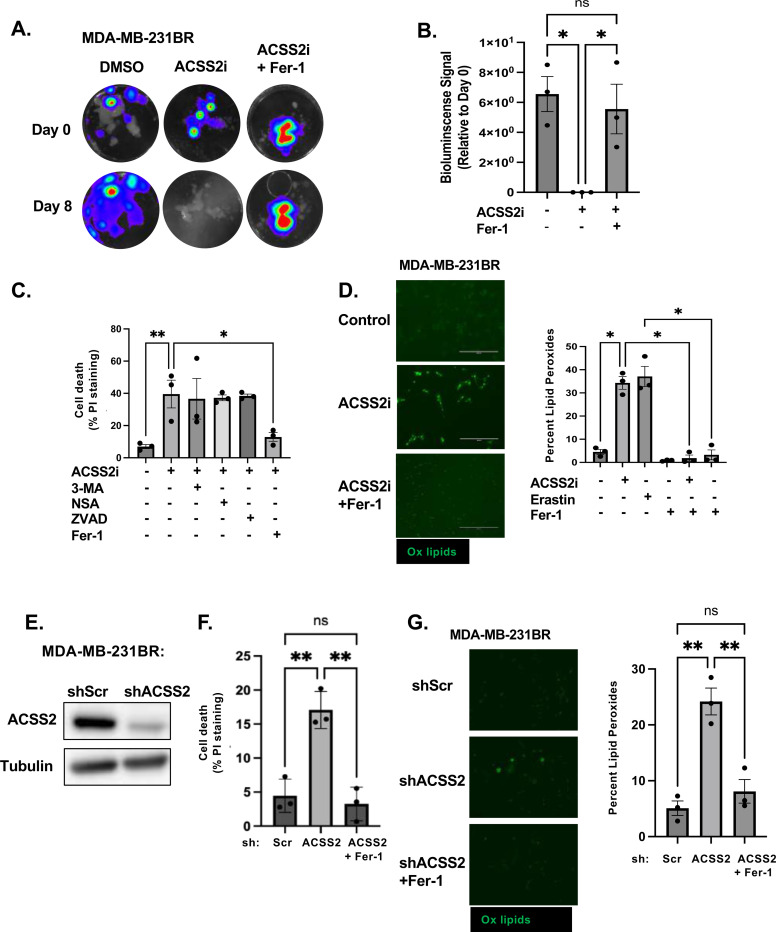
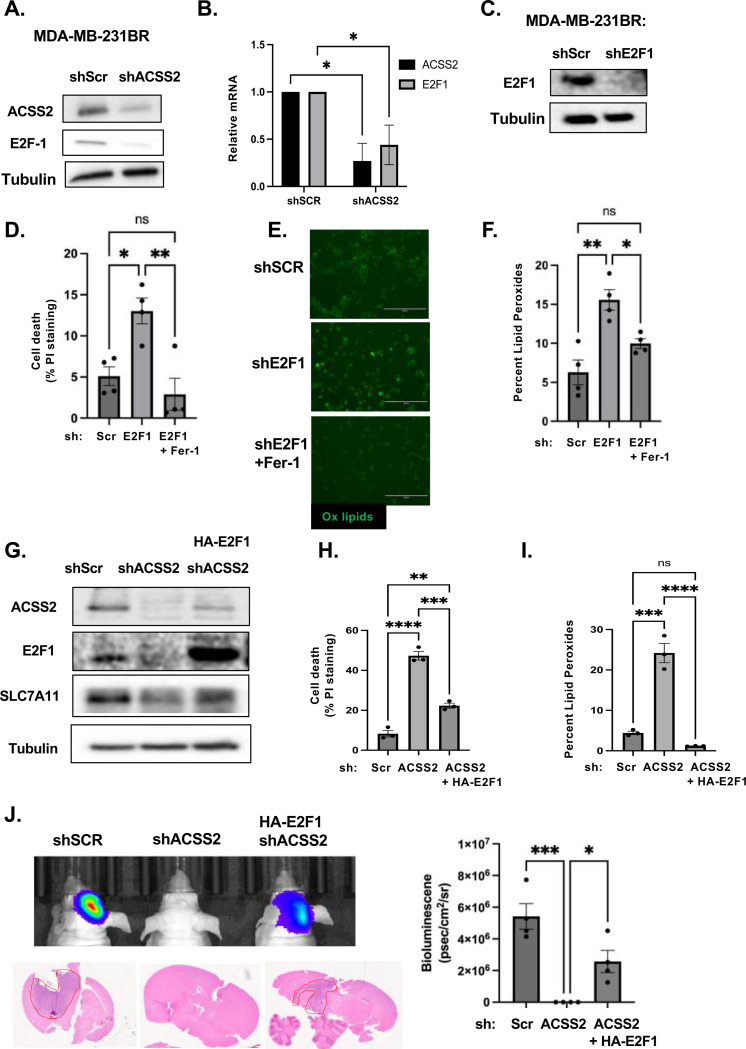
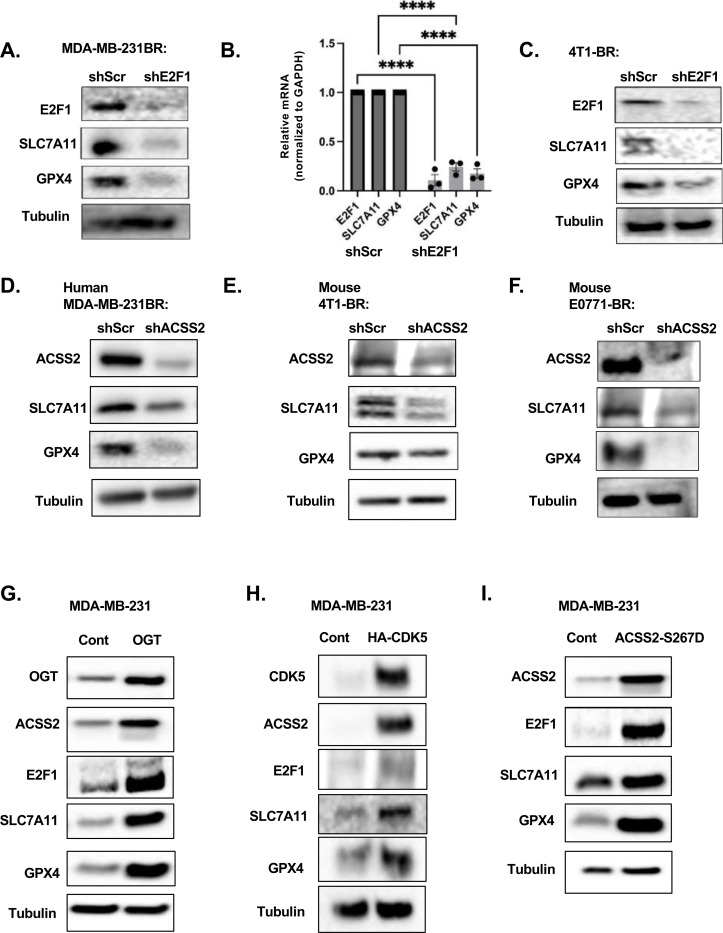
Brain metastasis diagnosis in breast cancer patients is considered an end-stage event. The median survival after diagnosis is measured in months, thus there is an urgent need to develop novel treatment strategies. Breast cancers that metastasize to the brain must adapt to the unique brain environment and are highly dependent on acetate metabolism for growth and survival. However, the signaling pathways that regulate survival in breast cancer brain metastatic (BCBM) tumors are not known. Primary brain tumor cells can convert acetate to acetyl-CoA via phosphorylation of acetyl-CoA synthetase 2 (ACSS2) by the cyclin-dependent kinase-5 (CDK5) regulated by the nutrient sensor O-GlcNAc transferase (OGT). Here, we show that breast cancer cells selected to metastasize to the brain contain increased levels of O-GlcNAc, OGT and ACSS2-Ser267 phosphorylation compared to parental breast cancer cells. Moreover, OGT and CDK5 are required for breast cancer cell growth in the brain parenchyma Importantly, ACSS2 and ACSS2-S267D phospho-mimetic mutant are critical for breast cancer growth in the brain but not in the mammary fat pad. Mechanistically, we show that ACSS2 regulates BCBM cell survival by suppressing ferroptosis via regulation of E2F1-mediated expression of anti-ferroptotic proteins SLC7A11 and GPX4. Lastly, we show treatment with a novel brain-permeable small molecule ACSS2 inhibitor induced ferroptosis and reduced BCBM growth and . These results suggest a crucial role for ACSS2 in protecting from ferroptosis in breast cancer brain metastatic cells and suggests that breast cancer brain metastatic cells may be susceptible to ferroptotic inducers.
乳腺癌患者的脑转移诊断被视为终末期事件。诊断后的中位生存期以月计算,因此迫切需要开发新的治疗策略。转移至脑部的乳腺癌必须适应独特的脑环境,并且高度依赖乙酸盐代谢来实现生长和存活。然而,调节乳腺癌脑转移(BCBM)肿瘤细胞存活的信号通路尚不清楚。原发性脑肿瘤细胞可通过由营养传感器O-连接的N-乙酰葡糖胺转移酶(OGT)调节的细胞周期蛋白依赖性激酶-5(CDK5)将乙酰辅酶A合成酶2(ACSS2)磷酸化,从而将乙酸盐转化为乙酰辅酶A。在此,我们发现,与亲代乳腺癌细胞相比,被选择转移至脑部的乳腺癌细胞中O-连接的N-乙酰葡糖胺、OGT和ACSS2-Ser267磷酸化水平升高。此外,OGT和CDK5是乳腺癌细胞在脑实质中生长所必需的。重要的是,ACSS2和ACSS2-S267D磷酸模拟突变体对乳腺癌在脑部而非乳腺脂肪垫中的生长至关重要。从机制上讲,我们表明ACSS2通过调节E2F1介导的抗铁死亡蛋白SLC7A11和GPX4的表达来抑制铁死亡,从而调节BCBM细胞的存活。最后,我们发现用一种新型的可透过血脑屏障的小分子ACSS2抑制剂进行治疗可诱导铁死亡并减少BCBM的生长。这些结果表明ACSS2在保护乳腺癌脑转移细胞免受铁死亡方面起着关键作用,并表明乳腺癌脑转移细胞可能对铁死亡诱导剂敏感。