Department of Hepatobiliary Surgery, National Cancer Center/National Clinical Research Center for Cancer/Cancer Hospital, Chinese Academy of Medical Sciences and Peking Union Medical College, Beijing, China.
Department of Breast Surgical Oncology, National Cancer Center/National Clinical Research Center for Cancer/Cancer Hospital, Chinese Academy of Medical Sciences and Peking Union Medical College, Beijing, China.
Front Immunol. 2024 Oct 22;15:1491922. doi: 10.3389/fimmu.2024.1491922. eCollection 2024.
Epithelioid hemangioendothelioma (EHE), is an uncommon, intermediate-grade malignant vascular tumor that can manifest in diverse organs, including the liver, lungs, and bones. Given its unique malignancy profile and rarity, there lacks a consensus on a standardized treatment protocol for EHE, particularly for hepatic epithelioid hemangioendothelioma (HEHE). This study aims to elucidate factors influencing the clinical prognosis of EHE by analyzing data from the SEER database, complemented with insights from a departmental cohort of 9 HEHE cases. Through this, we hope to shed light on potential clinical outcomes and therapeutic strategies for HEHE.
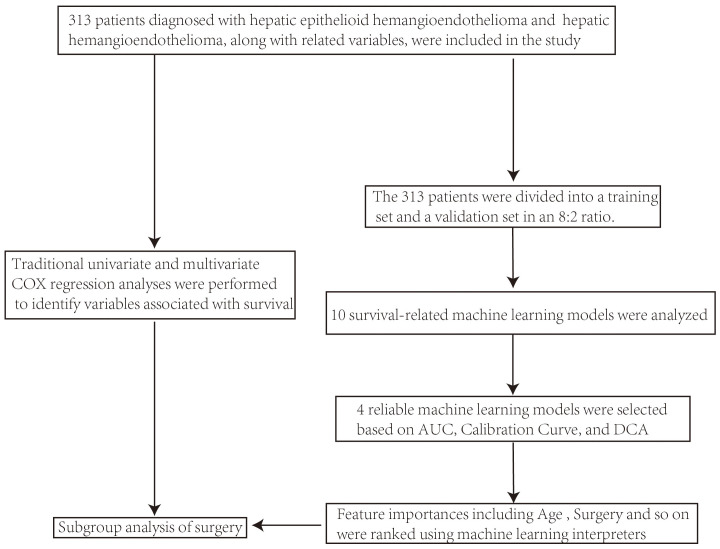
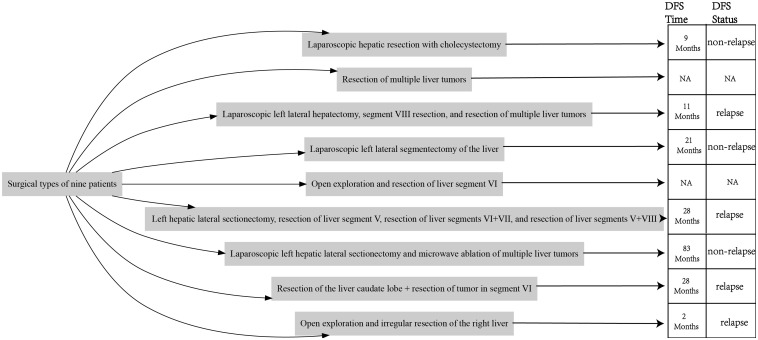
Using SEER data from 22 registries, we analyzed 313 liver cancer patients with ICD-O-3 9130 and 9133 histology. Twelve variables were examined using Cox regression and mlr3 machine learning. Significant variables were identified and compared. Clinical data, imaging characteristics, and treatment methods of nine patients from our cohort were also presented.
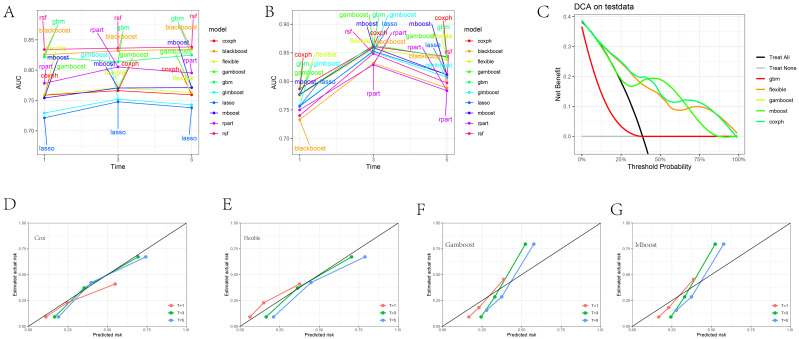
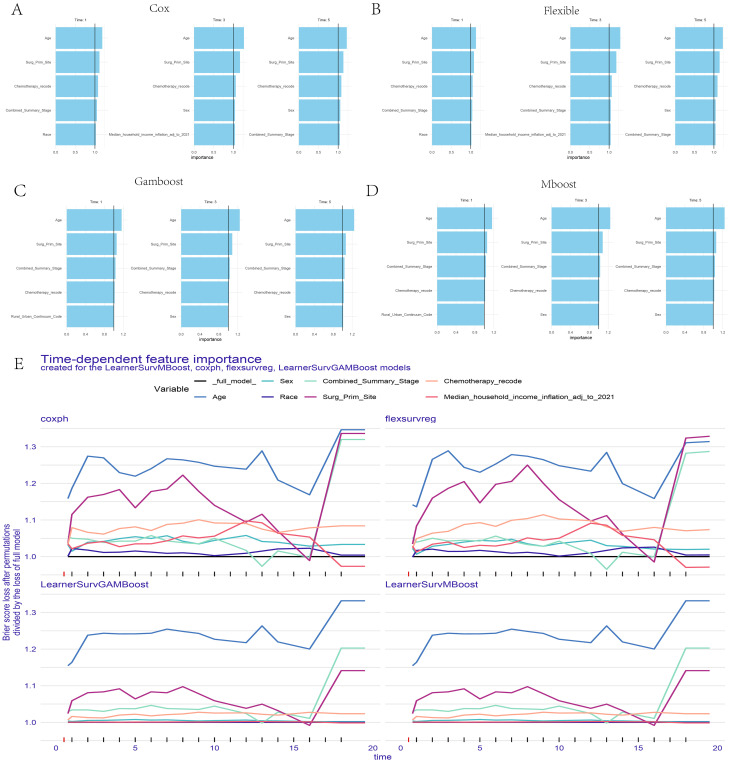
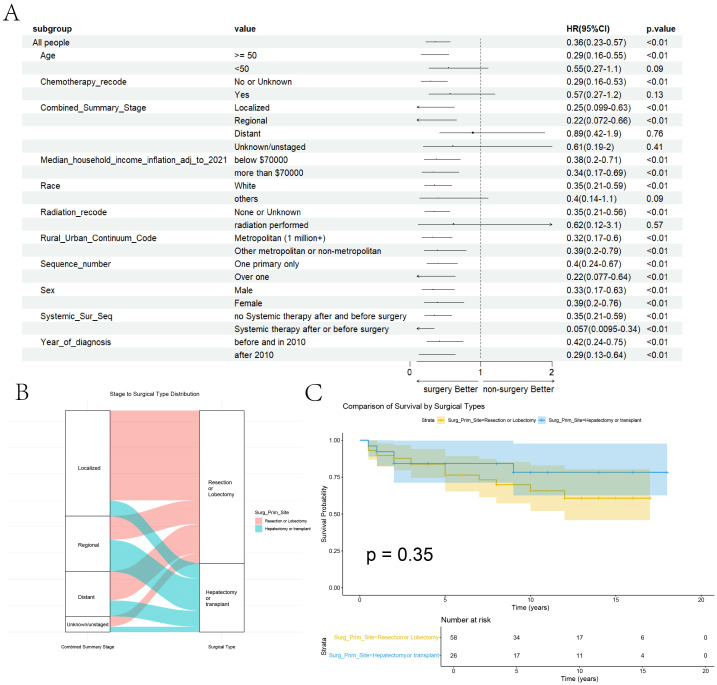
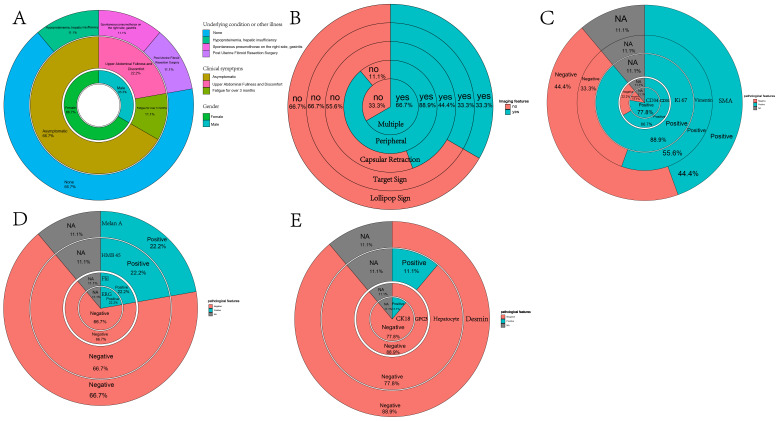
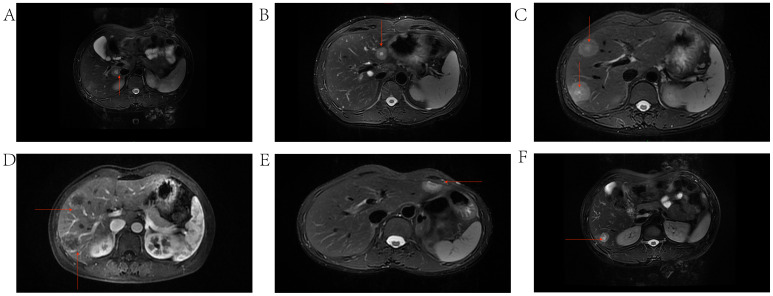
In univariate and multivariate Cox regression analyses, Age, Sex, Year of diagnosis, Surgery of primary site, Chemotherapy, and Median household income were closely related to survival outcomes. Among the ten survival-related machine learning models, CoxPH, Flexible, Mboost, and Gamboost stood out based on Area Under the Curve(AUC), Decision Curve Analysis(DCA), and Calibration Curve Metrics. In the feature importance analysis of these four selected models, Age and Surgery of primary site were consistently identified as the most critical factors influencing prognosis. Additionally, the clinical data of nine patients from our cohort not only demonstrated unique imaging characteristics of HEHE but also underscored the importance of surgical intervention.
For patients with resectable HEHE, surgical treatment is currently a highly important therapeutic approach.
上皮样血管内皮细胞瘤(EHE)是一种罕见的、中等恶性的血管肿瘤,可发生于多种器官,包括肝脏、肺部和骨骼。由于其独特的恶性特征和罕见性,对于 EHE 缺乏标准化的治疗方案共识,特别是对于肝脏上皮样血管内皮细胞瘤(HEHE)。本研究旨在通过分析 SEER 数据库中的数据,并结合 9 例 HEHE 病例的科室队列,阐明影响 EHE 临床预后的因素。通过这种方式,我们希望为 HEHE 的潜在临床结果和治疗策略提供一些启示。
我们使用来自 22 个登记处的 SEER 数据,分析了 313 例具有 ICD-O-3 9130 和 9133 组织学的肝癌患者。使用 Cox 回归和 mlr3 机器学习分析了 12 个变量。识别并比较了显著变量。还介绍了我们队列中 9 名患者的临床数据、影像学特征和治疗方法。
在单变量和多变量 Cox 回归分析中,年龄、性别、诊断年份、原发部位手术、化疗和家庭中位数收入与生存结果密切相关。在十个与生存相关的机器学习模型中,CoxPH、Flexible、Mboost 和 Gamboost 在曲线下面积(AUC)、决策曲线分析(DCA)和校准曲线指标方面表现突出。在这四个选定模型的特征重要性分析中,年龄和原发部位手术被一致认为是影响预后的最关键因素。此外,我们队列中 9 名患者的临床数据不仅显示了 HEHE 的独特影像学特征,还强调了手术干预的重要性。
对于可切除的 HEHE 患者,手术治疗目前是一种非常重要的治疗方法。