
预测接受新辅助放化疗的局部晚期直肠癌临床结局的综合营养指数
Comprehensive malnutritional index for predicting clinical outcomes in locally advanced rectal cancer receiving neoadjuvant chemoradiotherapy.
作者信息
Xu Yu, Shen Peipei, Zhu Jiahao, Qian Danqi, Gu Ke, Mao Yong, Ji Shengjun, Yang Bo, Zhao Yutian
机构信息
Department of Radiotherapy and Oncology, The Affiliated Hospital of Jiangnan University, Wuxi, China; Wuxi Clinical Cancer Center, Wuxi, China.
Wuxi Clinical Cancer Center, Wuxi, China; Department of Oncology, The Affiliated Hospital of Jiangnan University, Wuxi, China.
出版信息
Biomol Biomed. 2025 Apr 3;25(5):1079-1091. doi: 10.17305/bb.2024.11188.
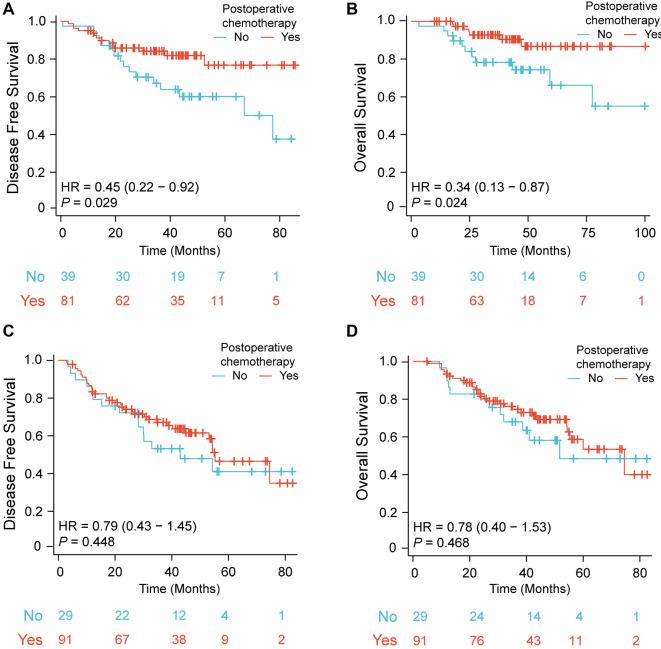
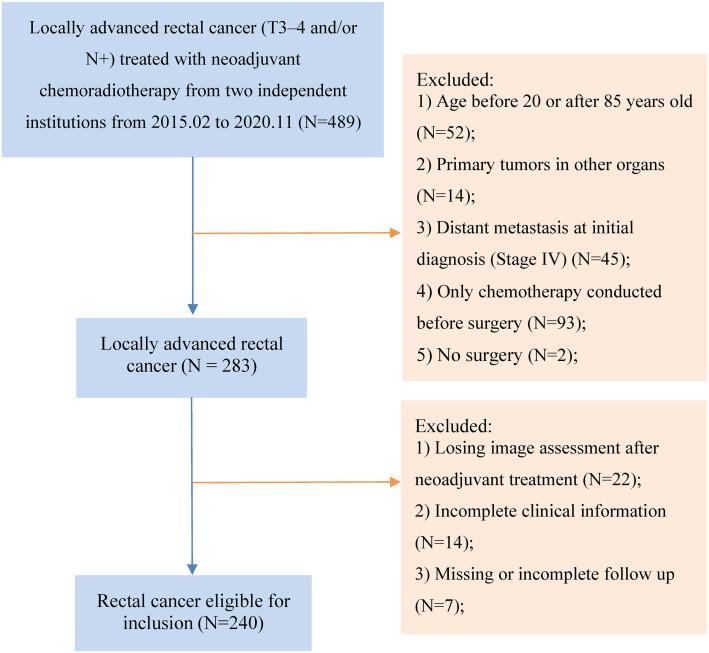
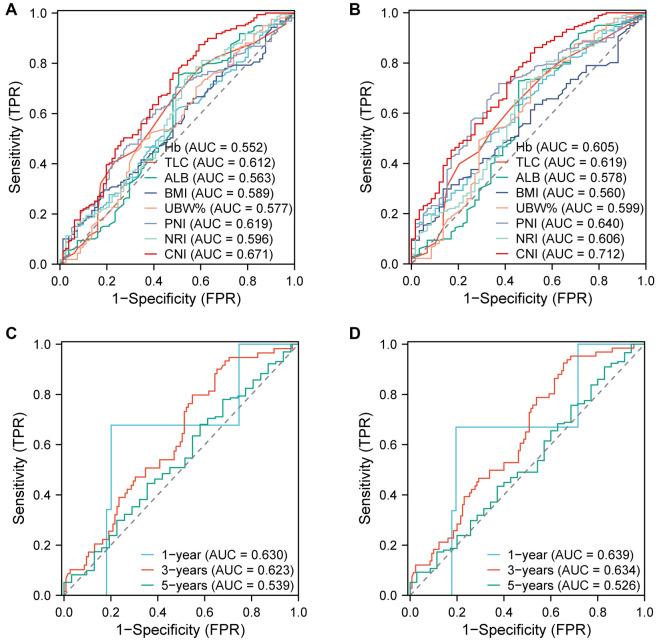
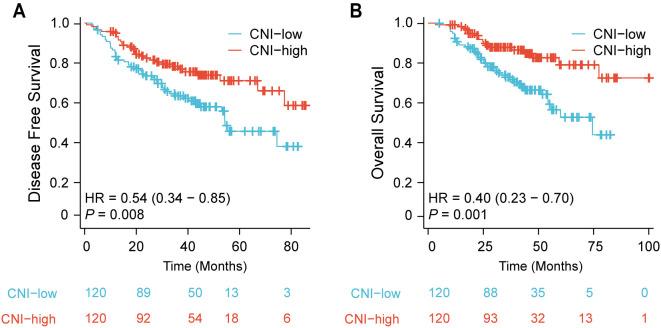
The objective of this investigation was to assess the prognostic significance of the comprehensive malnutritional index (CNI) in patients with locally advanced rectal cancer (LARC) who underwent neoadjuvant chemoradiotherapy (nCRT) followed by surgery. A total of 240 LARC patients were recruited. The CNI was calculated using principal components analysis based on hemoglobin (Hb), total lymphocyte count (TLC), albumin (ALB), body mass index (BMI), and usual body weight percentage (UBW%). The patients were then categorized into two groups based on the median CNI value. Cox regression and survival analyses were performed. The CNI-low (120 cases) and CNI-high (120 cases) groups were classified based on the median CNI value. The results indicated that the CNI demonstrated superior predictive ability for disease-free survival (DFS) and overall survival (OS) compared to other malnutritional indexes. LARC patients in the CNI-high group had significantly longer DFS and OS compared to those in the CNI-low group. Multivariate analysis revealed that the CNI was an independent prognostic factor for DFS (hazard ratio [HR] = 0.49; 95% confidence interval [CI], 0.29-0.83; P = 0.008) and OS (HR = 0.30; 95% CI, 0.16-0.58; P < 0.001). Additionally, the CNI-high group benefited from postoperative chemotherapy (DFS: P = 0.029, OS: P = 0.024), while the CNI-low group did not show such benefits (DFS: P = 0.448, OS: P = 0.468). These findings suggest that the CNI could serve as a valuable prognostic indicator for LARC patients who undergo nCRT followed by surgery. Preoperative nutrition optimization is important for LARC patients.
本研究的目的是评估综合营养指数(CNI)对接受新辅助放化疗(nCRT)后手术的局部晚期直肠癌(LARC)患者的预后意义。共招募了240例LARC患者。基于血红蛋白(Hb)、总淋巴细胞计数(TLC)、白蛋白(ALB)、体重指数(BMI)和平时体重百分比(UBW%),采用主成分分析法计算CNI。然后根据CNI中位数将患者分为两组。进行了Cox回归和生存分析。根据CNI中位数将患者分为CNI低分组(120例)和CNI高分组(120例)。结果表明,与其他营养指标相比,CNI对无病生存期(DFS)和总生存期(OS)具有更好的预测能力。CNI高分组的LARC患者的DFS和OS明显长于CNI低分组。多因素分析显示,CNI是DFS(风险比[HR]=0.49;95%置信区间[CI],0.29 - 0.83;P = 0.008)和OS(HR = 0.30;95%CI,0.16 - 0.58;P < 0.001)的独立预后因素。此外,CNI高分组从术后化疗中获益(DFS:P = 0.029,OS:P = 0.024),而CNI低分组未显示出此类获益(DFS:P = 0.448,OS:P = 0.468)。这些发现表明,CNI可作为接受nCRT后手术的LARC患者的有价值的预后指标。术前营养优化对LARC患者很重要。
 Zotero 插件