Duran Jacob, Salinas Jay E, Wheaton Rui Ping, Poolsup Suttinee, Allers Lee, Rosas-Lemus Monica, Chen Li, Cheng Qiuying, Pu Jing, Salemi Michelle, Phinney Brett, Ivanov Pavel, Lystad Alf Håkon, Bhaskar Kiran, Rajaiya Jaya, Perkins Douglas J, Jia Jingyue
Center for Global Health, Department of Internal Medicine, University of New Mexico Health Sciences Center, Albuquerque, NM, 87106, USA.
Autophagy, Inflammation and Metabolism Center of Biochemical Research Excellence, Albuquerque, NM, 87106, USA.
EMBO J. 2024 Dec;43(24):6410-6443. doi: 10.1038/s44318-024-00292-1. Epub 2024 Nov 12.
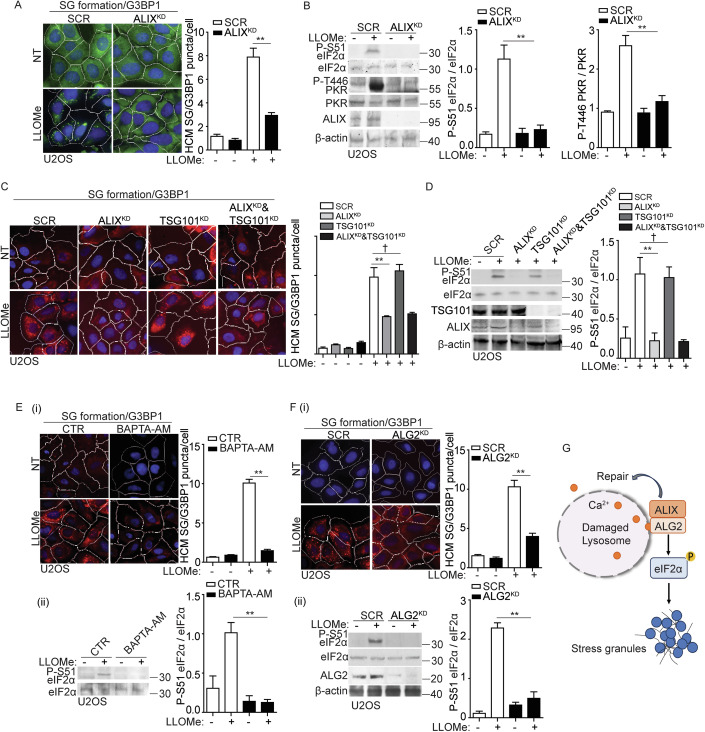
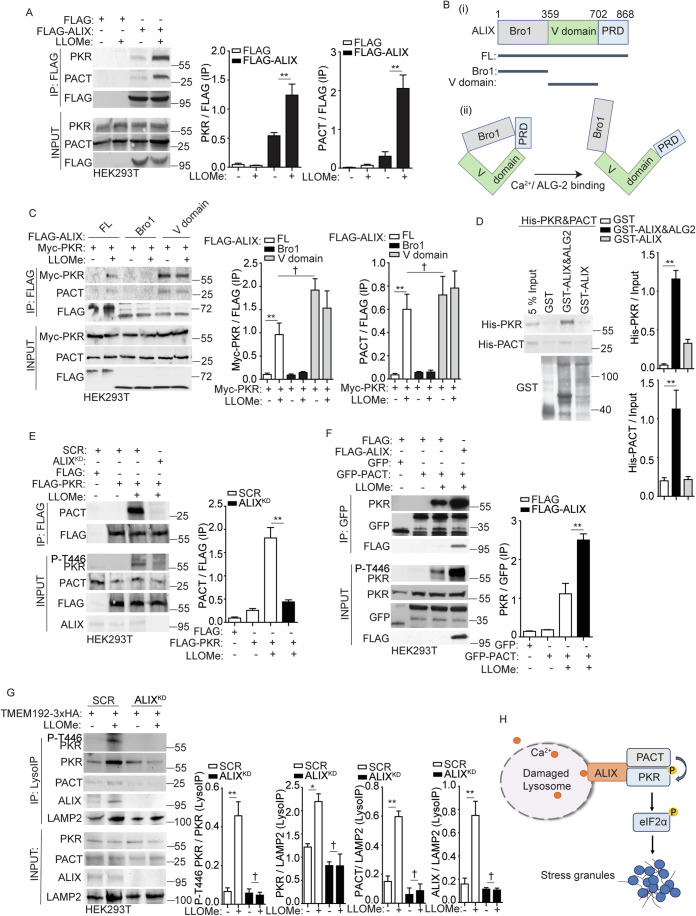
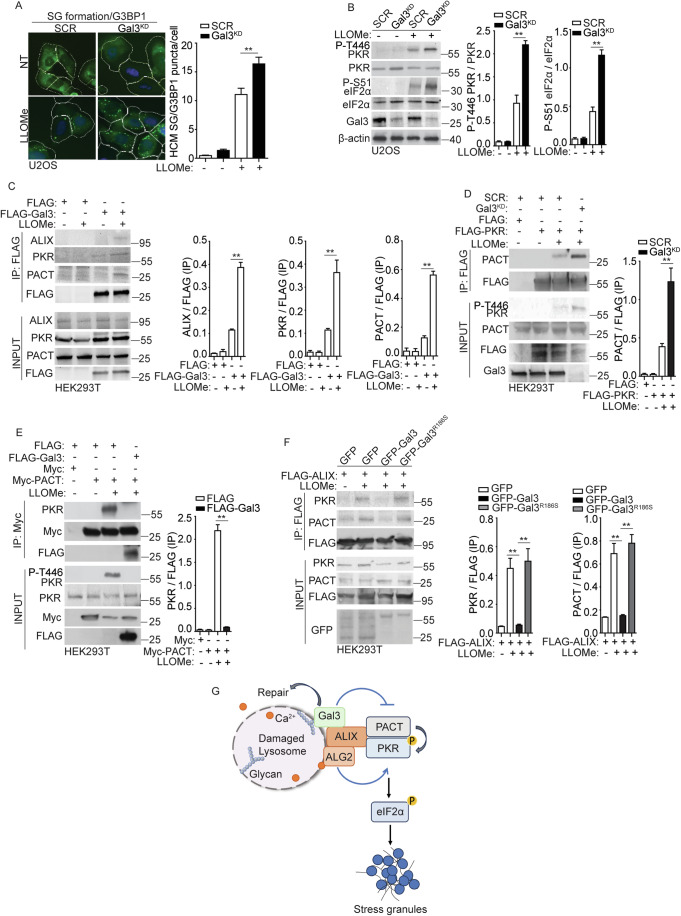
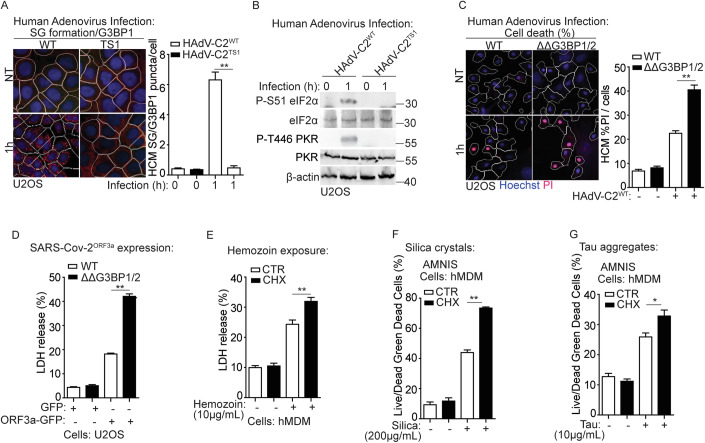
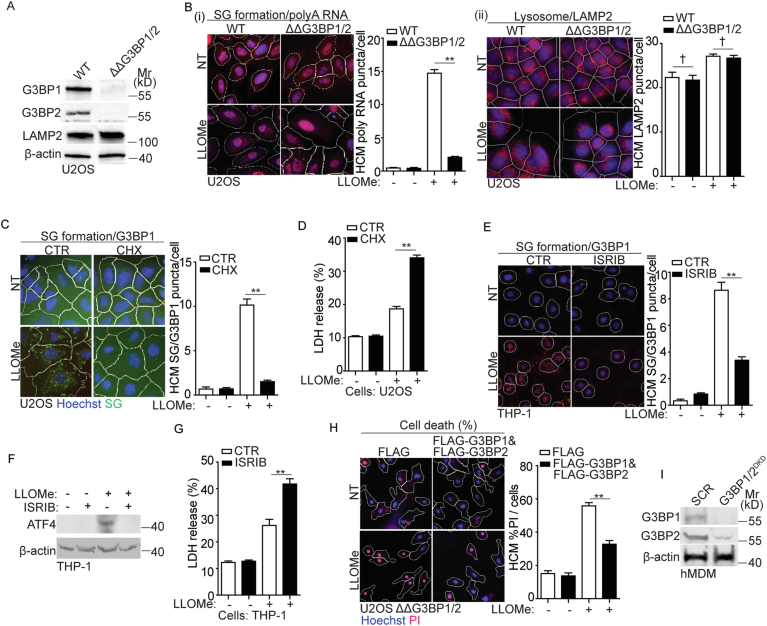
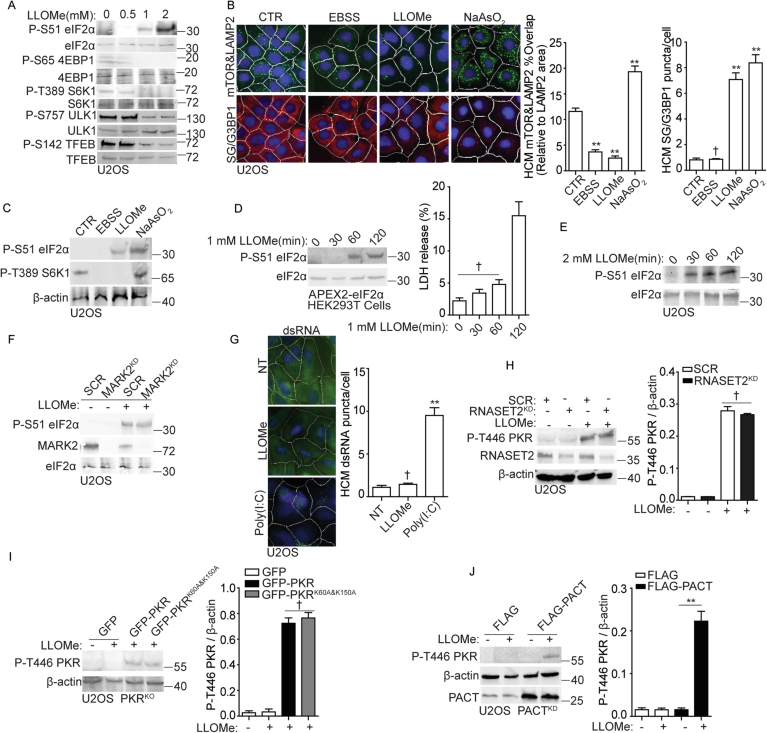
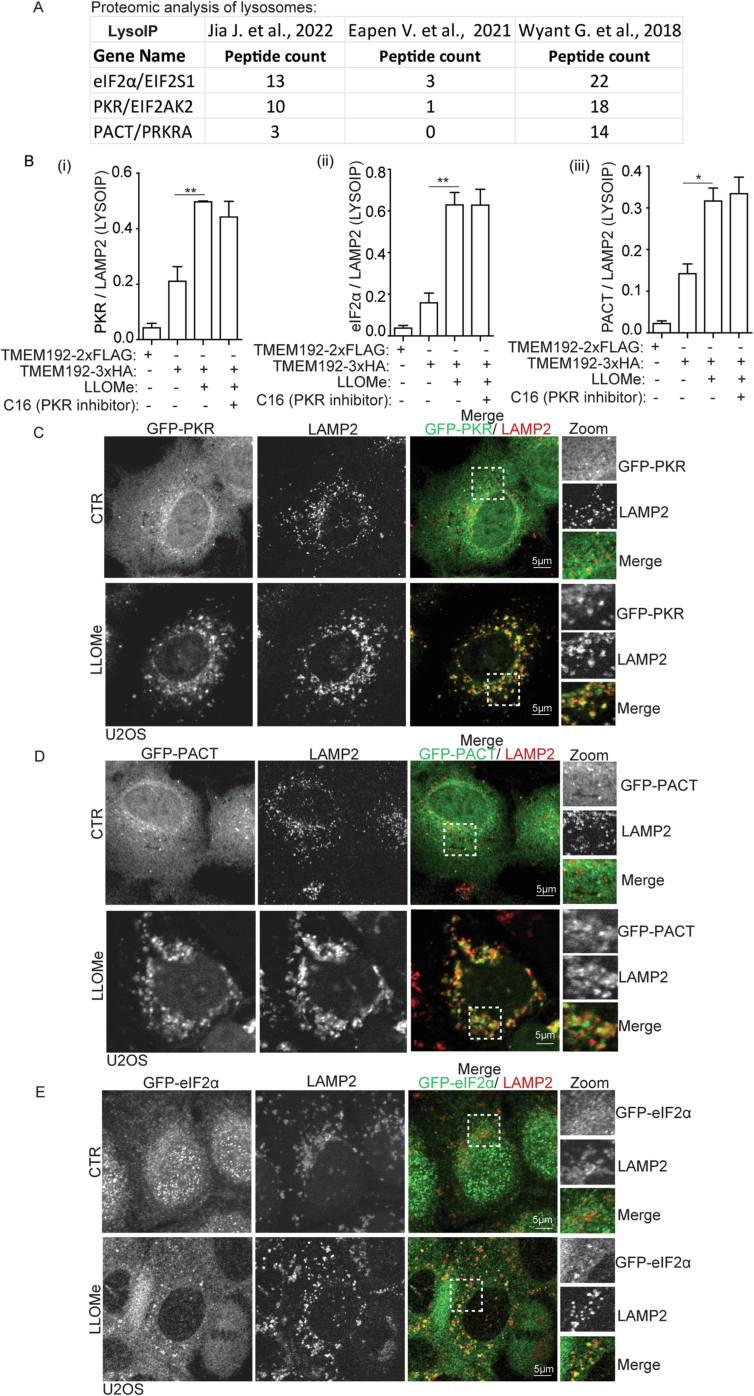
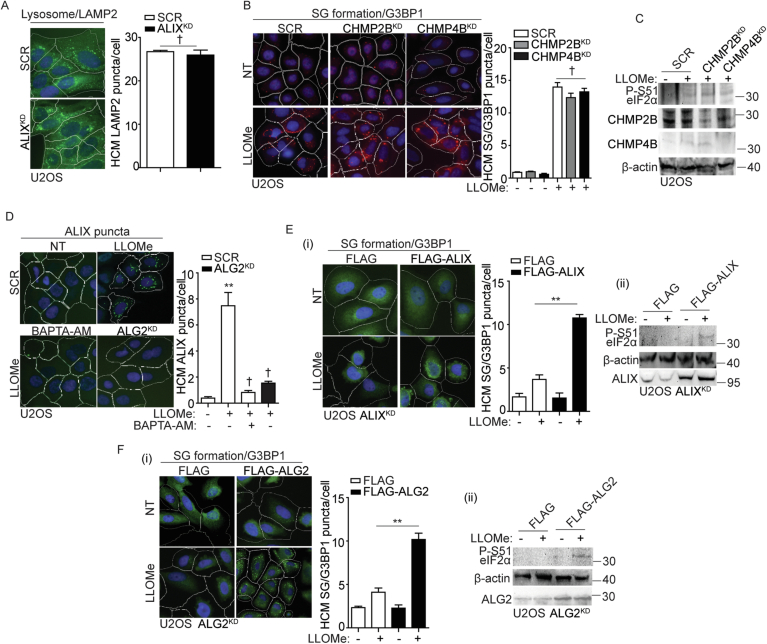
Lysosomal damage induces stress granule (SG) formation. However, the importance of SGs in determining cell fate and the precise mechanisms that mediate SG formation in response to lysosomal damage remain unclear. Here, we describe a novel calcium-dependent pathway controlling SG formation, which promotes cell survival during lysosomal damage. Mechanistically, the calcium-activated protein ALIX transduces lysosomal damage signals to SG formation by controlling eIF2α phosphorylation after sensing calcium leakage. ALIX enhances eIF2α phosphorylation by promoting the association between PKR and its activator PACT, with galectin-3 inhibiting this interaction; these regulatory events occur on damaged lysosomes. We further find that SG formation plays a crucial role in promoting cell survival upon lysosomal damage caused by factors such as SARS-CoV-2, adenovirus, malarial pigment, proteopathic tau, or environmental hazards. Collectively, these data provide insights into the mechanism of SG formation upon lysosomal damage and implicate it in diseases associated with damaged lysosomes and SGs.
溶酶体损伤诱导应激颗粒(SG)形成。然而,应激颗粒在决定细胞命运中的重要性以及响应溶酶体损伤介导应激颗粒形成的精确机制仍不清楚。在此,我们描述了一种控制应激颗粒形成的新型钙依赖性途径,该途径在溶酶体损伤期间促进细胞存活。机制上,钙激活蛋白ALIX在感知钙泄漏后,通过控制真核起始因子2α(eIF2α)磷酸化,将溶酶体损伤信号转导至应激颗粒形成。ALIX通过促进蛋白激酶R(PKR)与其激活剂PACT之间的结合来增强eIF2α磷酸化,而半乳糖凝集素-3抑制这种相互作用;这些调节事件发生在受损的溶酶体上。我们进一步发现,应激颗粒形成在促进由严重急性呼吸综合征冠状病毒2(SARS-CoV-2)、腺病毒、疟色素、致病性tau蛋白或环境危害等因素引起的溶酶体损伤后的细胞存活中起关键作用。总体而言,这些数据为溶酶体损伤后应激颗粒形成的机制提供了见解,并表明其与溶酶体和应激颗粒受损相关的疾病有关。