Kohsaka Yasuhiro, Matsuura Daisuke, Kimura Yoshikazu
Research Initiative for Supra-Materials (RISM), Interdisciplinary Cluster for Cutting Edge Research (ICCER), Shinshu University, Nagano, Japan.
Faculty of Textile Science and Technology, Shinshu University, Nagano, Japan.
Commun Chem. 2024 Nov 14;7(1):265. doi: 10.1038/s42004-024-01345-6.
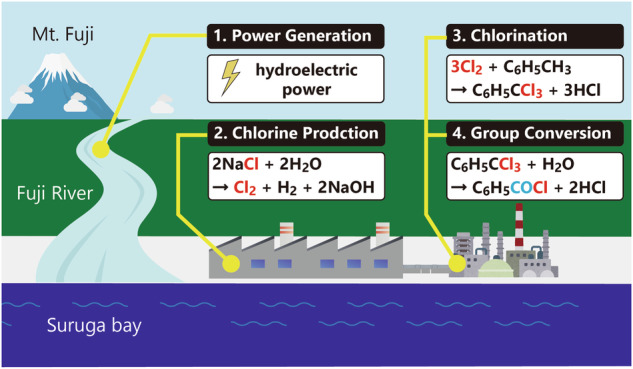
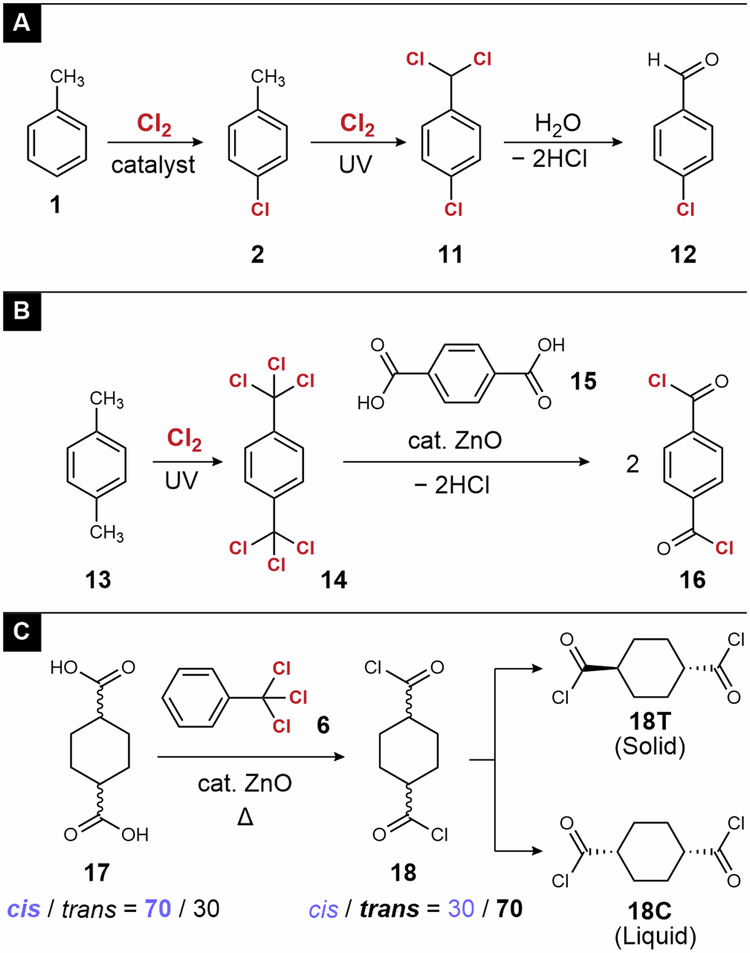
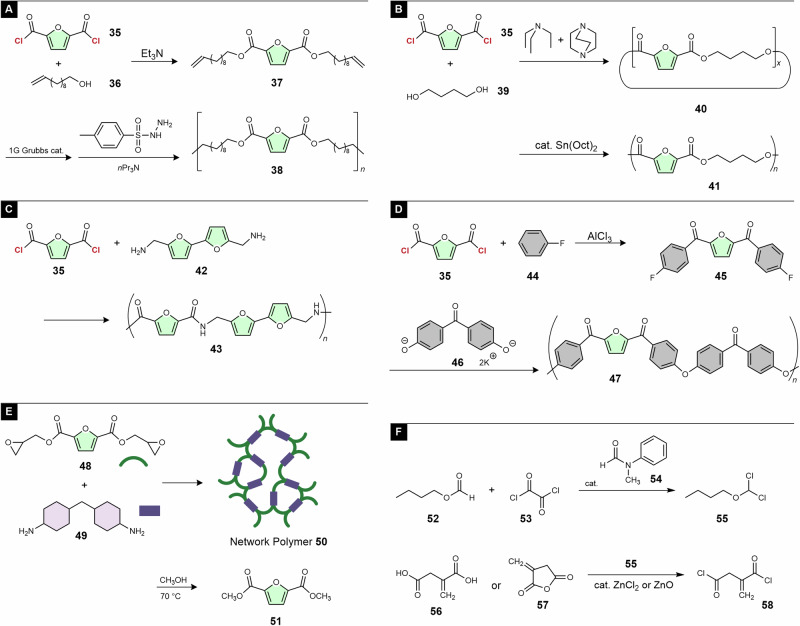
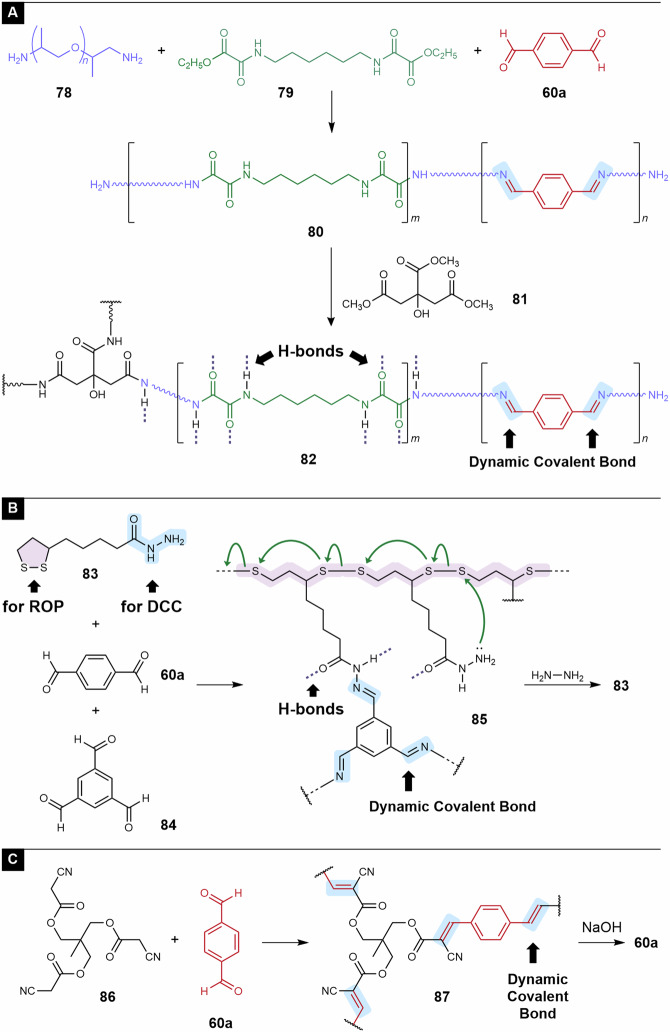
To achieve sustainable resource circulation, preparation of reactive species from stable compounds is unavoidable. Chlorine chemistry is an eco-friendly methodology to address this demand. Chlorine is industrially produced from sodium chloride (NaCl), an abundant natural resource in oceans. Chlorine provides various chemical products, including polymers, through chlorination and subsequent conversion reactions. In these reactions, the byproducts are usually hydrogen chloride, which is commercially utilized as hydrochloric acid and is finally neutralized to NaCl after use. Therefore, chlorine chemistry enables fine chemical production from NaCl with almost no wastage. This review provides an overview of the synthesis of fine chemicals and polymers using chlorine chemistry and discusses them from the perspective of sustainability.
为实现可持续的资源循环,从稳定化合物制备活性物种是不可避免的。氯化学是满足这一需求的一种环保方法。氯在工业上由氯化钠(NaCl)生产,氯化钠是海洋中丰富的自然资源。氯通过氯化及后续转化反应提供各种化学产品,包括聚合物。在这些反应中,副产物通常是氯化氢,它作为盐酸被商业利用,最终在使用后被中和为氯化钠。因此,氯化学能够从氯化钠生产精细化学品,几乎没有浪费。本文综述了利用氯化学合成精细化学品和聚合物的概况,并从可持续性的角度对它们进行了讨论。