Department for Molecular and Medical Virology, Institute for Hygiene and Microbiology, Ruhr University Bochum, Bochum 44801, Germany.
Institute of Virology, University of Veterinary Medicine Hannover, Hannover 30559, Germany.
Proc Natl Acad Sci U S A. 2024 Nov 19;121(47):e2411434121. doi: 10.1073/pnas.2411434121. Epub 2024 Nov 15.
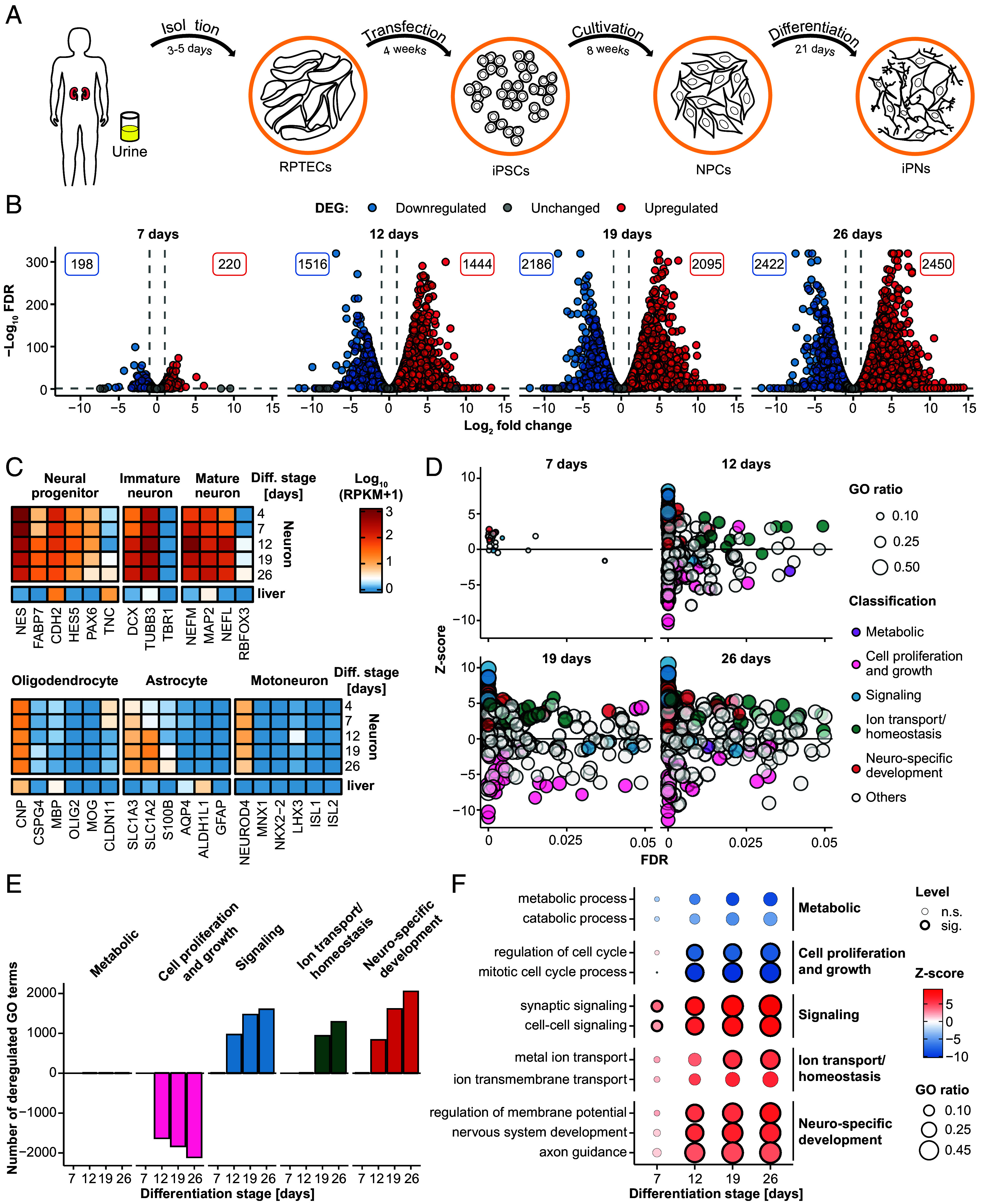
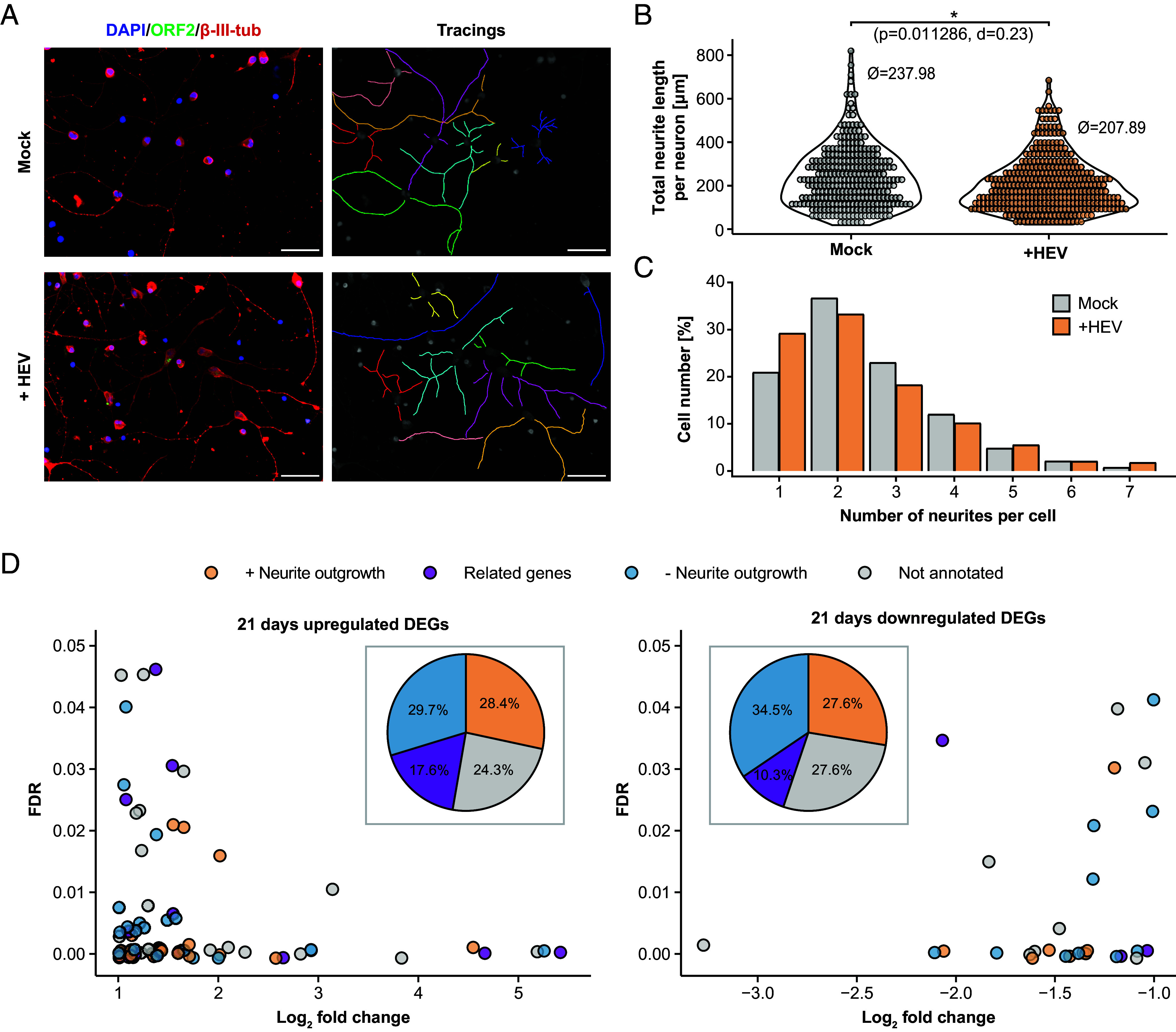
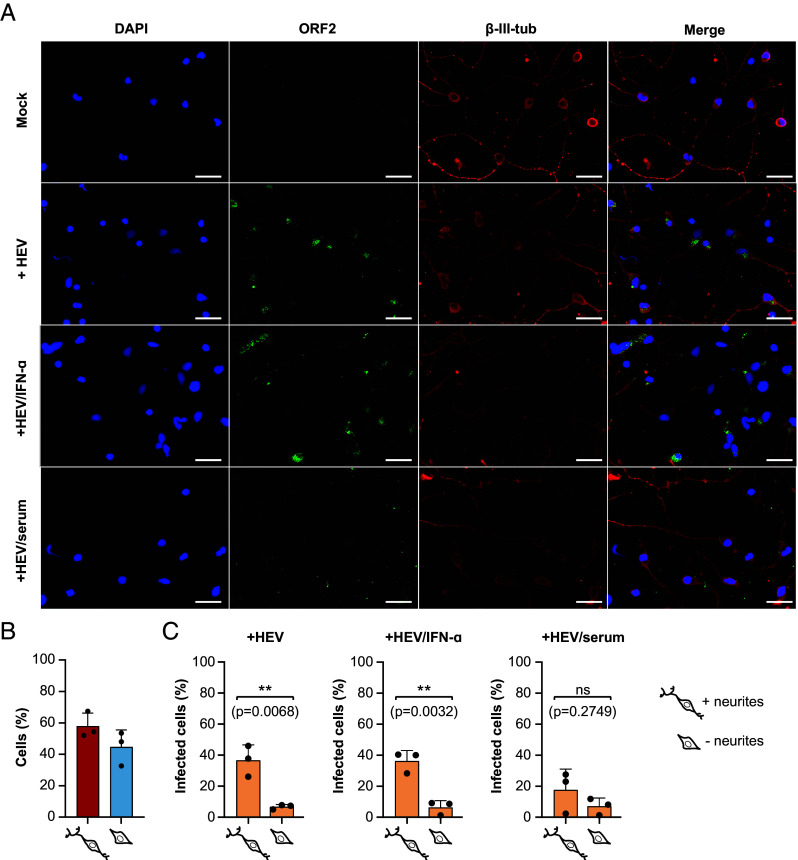
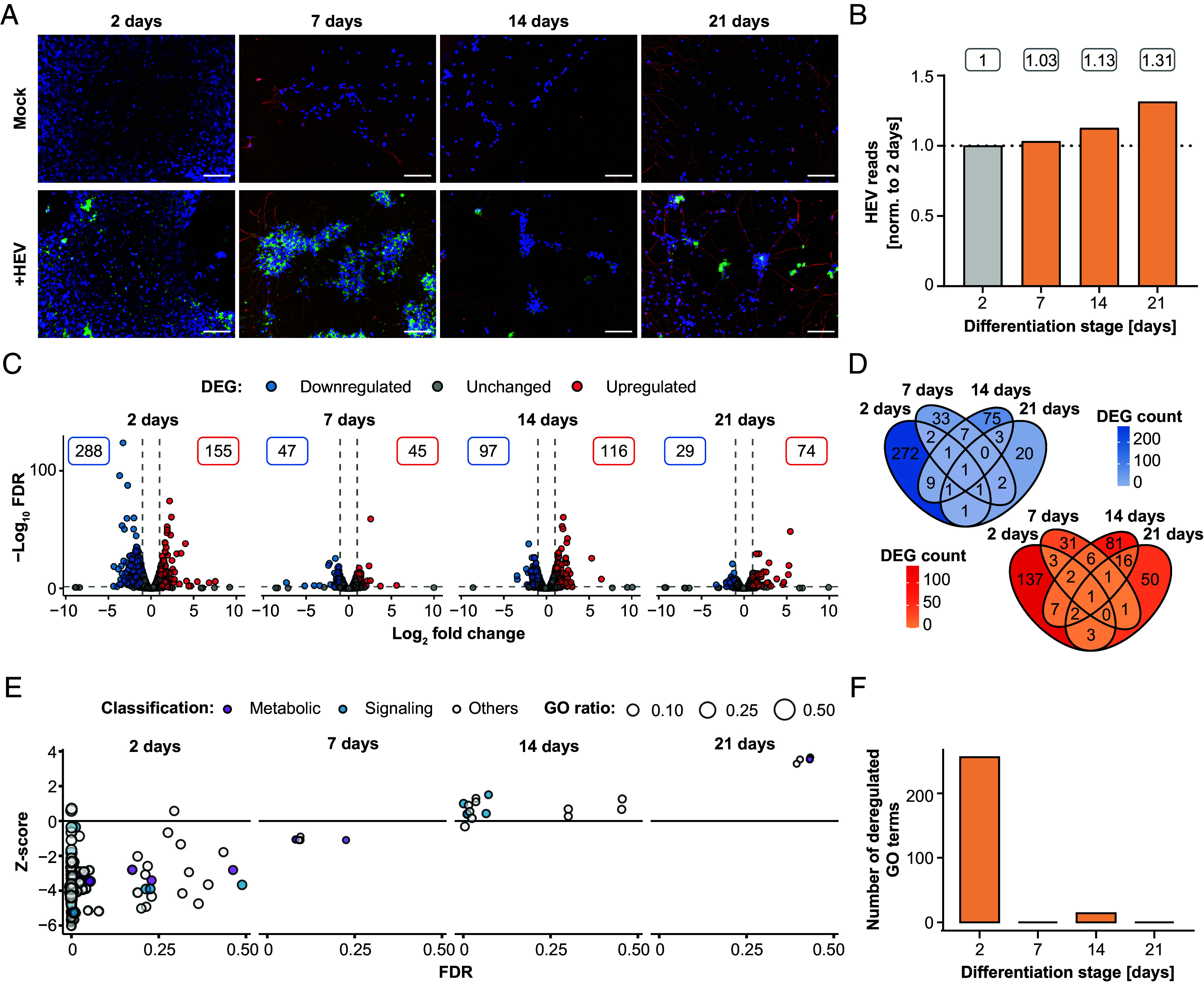
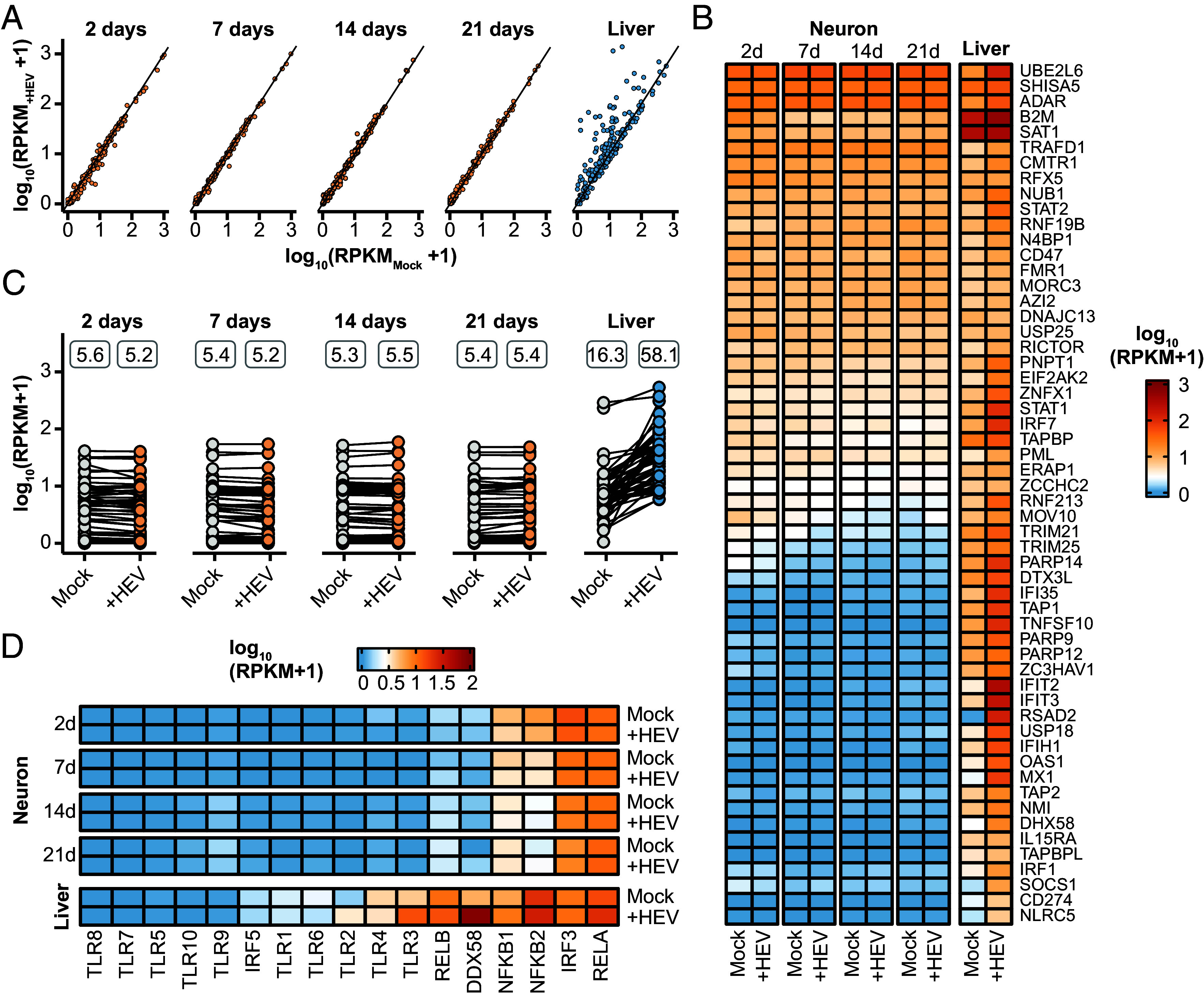
Hepatitis E virus (HEV) infections are one of the most common causes of acute viral hepatitis, annually causing over 3 million symptomatic cases and 70,000 deaths worldwide. Historically, HEV was described as a hepatotropic virus, but has recently been associated with various extrahepatic manifestations including neurological disorders such as Guillain-Barré syndrome and neuralgic amyotrophy. However, the underlying pathogenesis of these neurological diseases remains largely unknown. The aim of this study was to investigate extrahepatic HEV manifestations in a neuronal model system using human-induced primary neurons (iPNs). Renal epithelial cells from human urine were reprogrammed to induced pluripotent stem cells to generate neuronal progenitor cells, which were subsequently differentiated into iPNs over 21 d. These iPNs supported HEV infection preferentially in neurite-bearing cells. Transcriptional profiling of the neuronal development process as well as viral infection dynamics in iPNs uncovered a lack of antiviral innate immune responses to HEV infection with only an intrinsic expression of distinct interferon-regulated genes and signaling molecules. Viral open reading frame 2 encoded capsid protein could be visualized by volumetric three-dimensional reconstitution within the neurites, which were reduced in length in an HEV inoculation-dependent manner. In conclusion, this neuron-derived human model system provides a powerful tool for studying extrahepatic manifestations of HEV infection. It further indicates a potential mechanism of pathogenesis driven by the interaction between host and viral factors.
戊型肝炎病毒(HEV)感染是急性病毒性肝炎最常见的原因之一,每年在全球范围内导致超过 300 万例有症状病例和 7 万例死亡。历史上,HEV 被描述为一种嗜肝病毒,但最近与各种肝外表现相关,包括神经紊乱,如格林-巴利综合征和神经痛性肌萎缩。然而,这些神经系统疾病的潜在发病机制在很大程度上仍不清楚。本研究旨在使用人类诱导的原代神经元(iPNs)在神经元模型系统中研究肝外 HEV 表现。从人类尿液中重新编程肾上皮细胞,生成诱导多能干细胞,随后在 21 天内将其分化为 iPNs。这些 iPNs 优先在有神经突的细胞中支持 HEV 感染。对 iPNs 中神经元发育过程的转录谱以及病毒感染动力学的研究表明,对 HEV 感染缺乏抗病毒先天免疫反应,只有固有表达的特定干扰素调节基因和信号分子。病毒开放阅读框 2 编码的衣壳蛋白可以通过在神经突内的体积三维重建来可视化,这些神经突的长度在 HEV 接种依赖性方式下减少。总之,这个源自神经元的人类模型系统为研究 HEV 感染的肝外表现提供了一个强大的工具。它进一步表明了由宿主和病毒因素相互作用驱动的潜在发病机制。