Dr. Senckenberg Institute of Neurooncology, University Hospital, Goethe University Frankfurt, Frankfurt am Main, Germany.
University Cancer Center Frankfurt (UCT), University Hospital, Goethe University Frankfurt, Frankfurt am Main, Germany.
Clin Transl Med. 2024 Nov;14(11):e70030. doi: 10.1002/ctm2.70030.
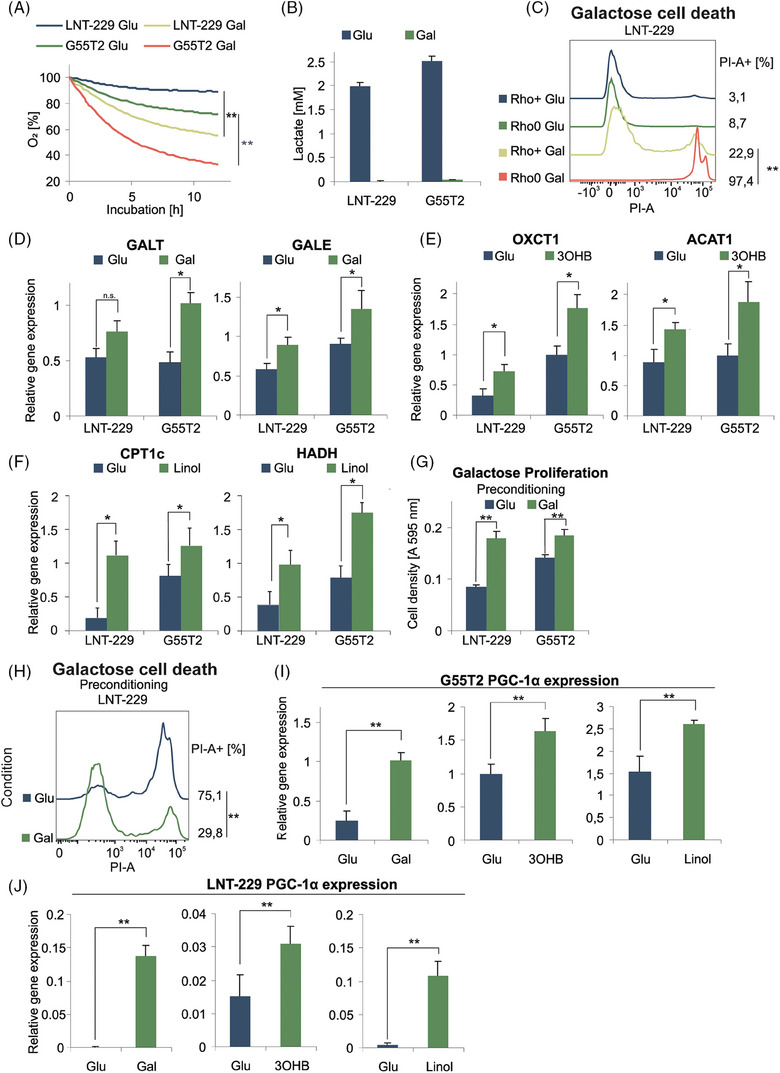
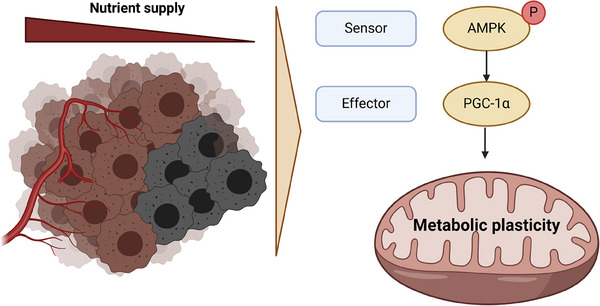
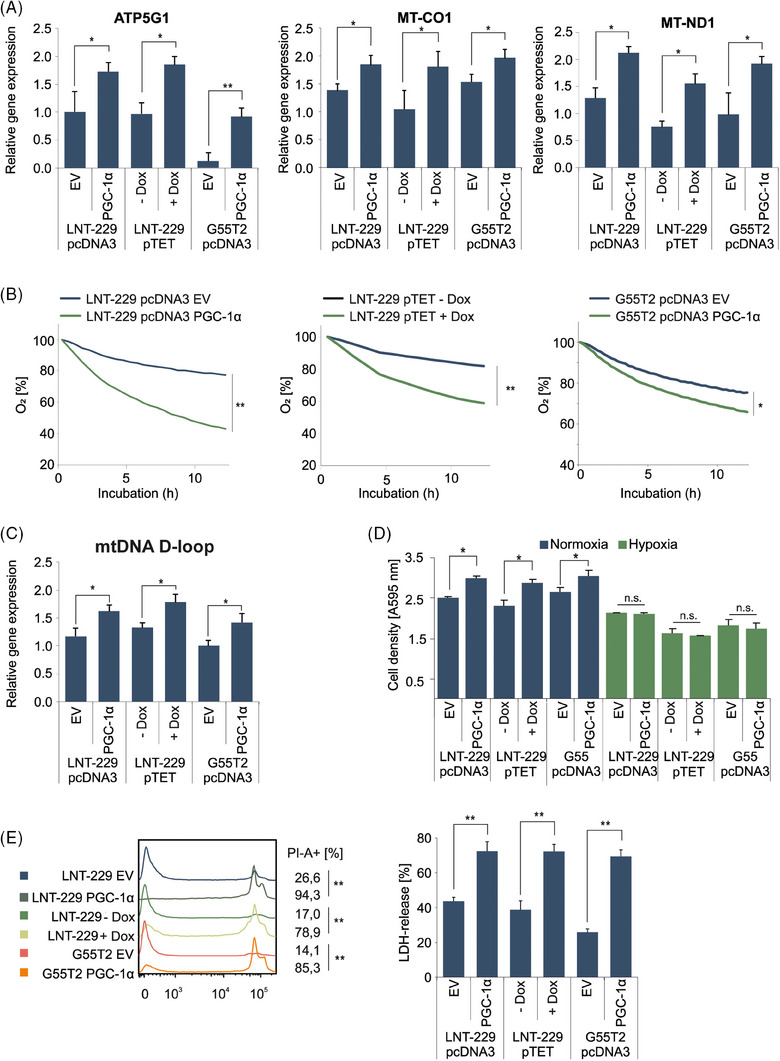
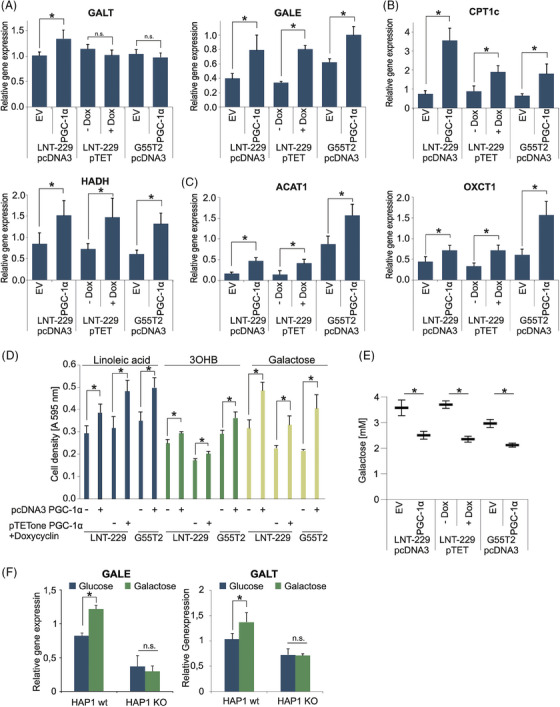
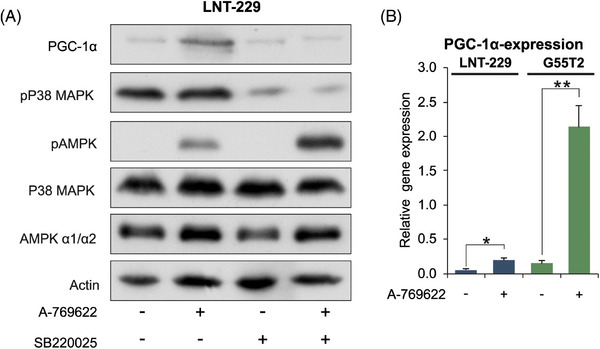
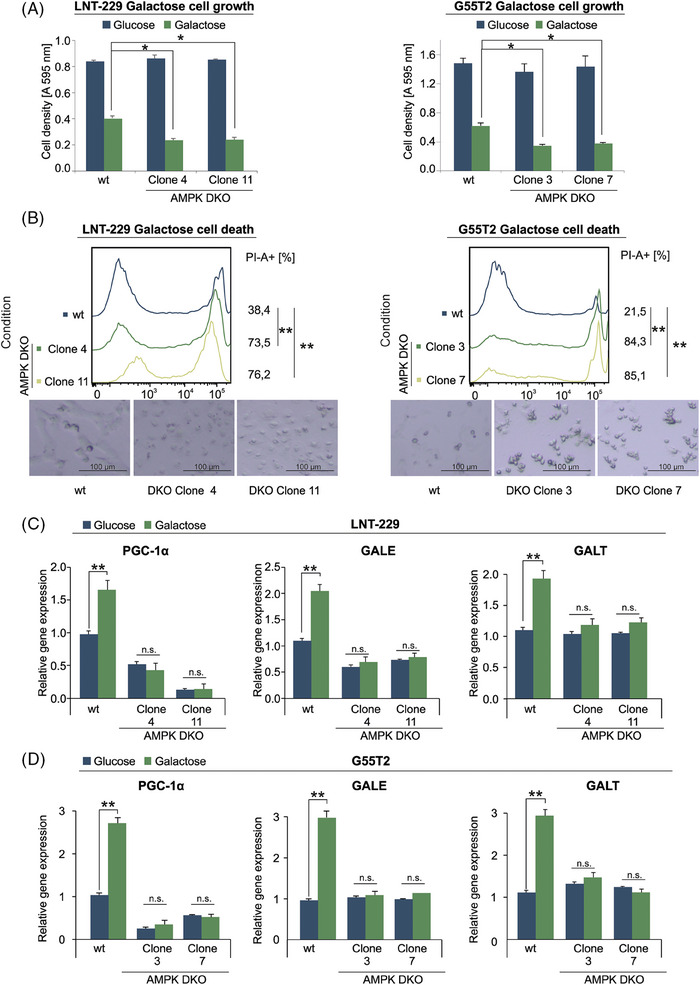
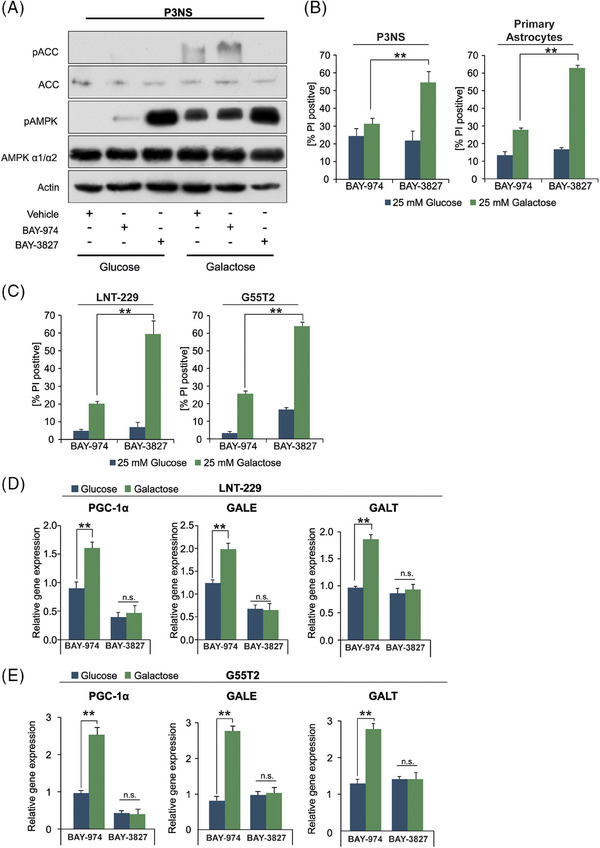
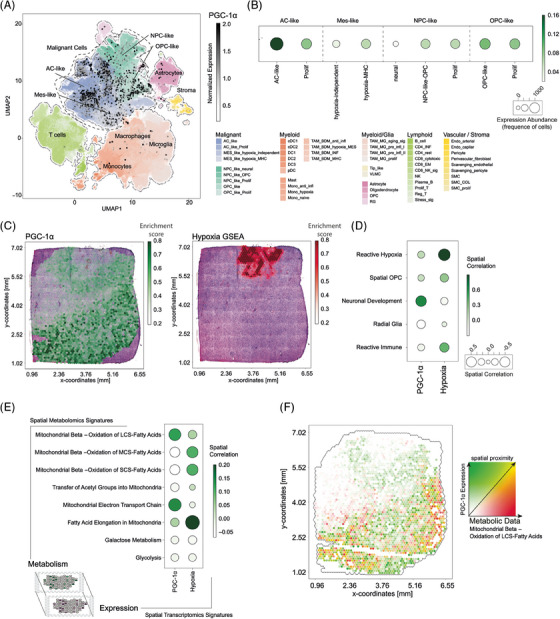
Glioblastoma, the most frequent primary malignant brain tumour in adults, is characterised by profound yet dynamic hypoxia and nutrient depletion. To sustain survival and proliferation, tumour cells are compelled to acquire metabolic plasticity with the induction of adaptive metabolic programs. Here, we interrogated the pathways necessary to enable processing of nutrients other than glucose. We employed genetic approaches (stable/inducible overexpression, CRISPR/Cas9 knockout), pharmacological interventions with a novel inhibitor of AMP-activated protein kinase (AMPK) in glioblastoma cell culture systems and a proteomic approach to investigate mechanisms of metabolic plasticity. Moreover, a spatially resolved multiomic analysis was employed to correlate the gene expression pattern of PGC-1α with the local metabolic and genetic architecture in human glioblastoma tissue sections. A switch from glucose to alternative nutrients triggered an activation of AMPK, which in turn activated PGC-1α-dependent adaptive programs promoting mitochondrial metabolism. This sensor-effector mechanism was essential for metabolic plasticity with both functional AMPK and PGC-1α necessary for survival and growth of cells under nonglucose nutrient sources. In human glioblastoma tissue specimens, PGC-1α-expression correlated with nonhypoxic tumour niches defining a specific metabolic compartment. Our findings reveal a cell-intrinsic nutrient sensing and switching mechanism. The exposure to alternative fuels triggers a starvation signal that subsequently is passed on via AMPK and PGC-1α to induce adaptive programs necessary for broader spectrum nutrient metabolism. The integration of spatially resolved transcriptomic data confirms the relevance of PGC-1α especially in nonhypoxic tumour regions. Thus, the AMPK-PGC-1α axis is a candidate for therapeutic inhibition in glioblastoma. KEY POINTS/HIGHLIGHTS: AMPK activation induces PGC-1α expression in glioblastoma during nutrient scarcity. PGC-1α enables metabolic plasticity by facilitating metabolism of alternative nutrients in glioblastoma. PGC-1α expression is inversely correlated with hypoxic tumour regions in human glioblastomas.
胶质母细胞瘤是成人中最常见的原发性恶性脑肿瘤,其特征是存在明显但动态变化的缺氧和营养物质耗竭。为了维持生存和增殖,肿瘤细胞被迫通过诱导适应性代谢程序来获得代谢可塑性。在这里,我们研究了使肿瘤细胞能够处理除葡萄糖以外的营养物质所需的途径。我们在胶质母细胞瘤细胞培养系统中采用了遗传方法(稳定/诱导过表达、CRISPR/Cas9 敲除)、新型 AMP 激活蛋白激酶(AMPK)抑制剂的药理学干预以及蛋白质组学方法来研究代谢可塑性的机制。此外,还采用了空间分辨多组学分析来将 PGC-1α 的基因表达模式与人类胶质母细胞瘤组织切片中的局部代谢和遗传结构相关联。从葡萄糖切换到替代营养物质会触发 AMPK 的激活,进而激活 PGC-1α 依赖性的适应性程序,促进线粒体代谢。这种传感器-效应器机制对于代谢可塑性至关重要,功能性 AMPK 和 PGC-1α 对于细胞在非葡萄糖营养源下的生存和生长都是必需的。在人类胶质母细胞瘤组织标本中,PGC-1α 的表达与定义特定代谢隔室的非缺氧肿瘤龛相关。我们的研究结果揭示了一种细胞内固有营养感应和切换机制。暴露于替代燃料会触发饥饿信号,随后通过 AMPK 和 PGC-1α 传递,以诱导适应更广泛谱的营养物质代谢的适应性程序。空间分辨转录组数据的整合证实了 PGC-1α 的相关性,尤其是在非缺氧肿瘤区域。因此,AMPK-PGC-1α 轴是胶质母细胞瘤治疗抑制的候选靶点。要点/亮点:营养物质匮乏时,AMPK 激活会诱导胶质母细胞瘤中 PGC-1α 的表达。PGC-1α 通过促进胶质母细胞瘤中替代营养物质的代谢来实现代谢可塑性。PGC-1α 的表达与人类胶质母细胞瘤中的缺氧肿瘤区域呈负相关。