Kerr Barbara, Remmel Tarmo K
Faculty of Environmental and Urban Change, York University, Toronto, ON M3J 1P3 Canada.
Landsc Ecol. 2024;39(12):198. doi: 10.1007/s10980-024-01987-w. Epub 2024 Nov 16.
Landscape fragmentation, which has demonstrated links to habitat loss, increased isolation, a loss of connectivity, and decreased biodiversity, is difficult to quantify. Traditional pattern-based approaches to measuring fragmentation use landscape metrics to quantify aspects of the composition or configuration of landscapes.
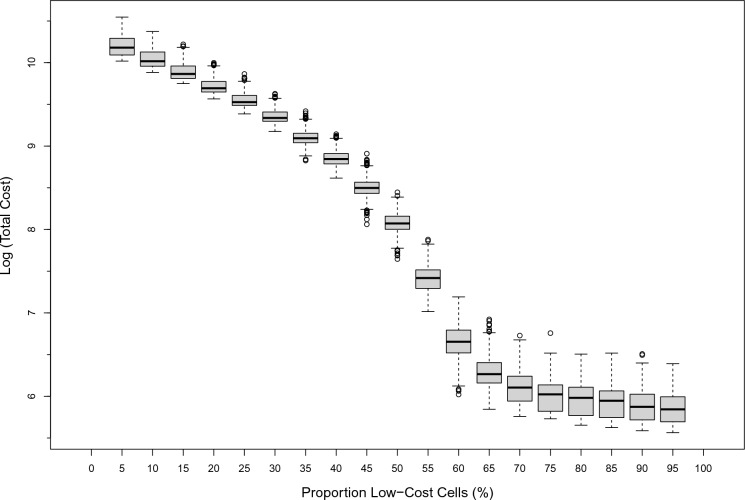
The objective of this study was to examine the relative improvements of an alternative activity-based approach using the cost of traversing a landscape as a proxy for fragmentation and compare it with the traditional approach.
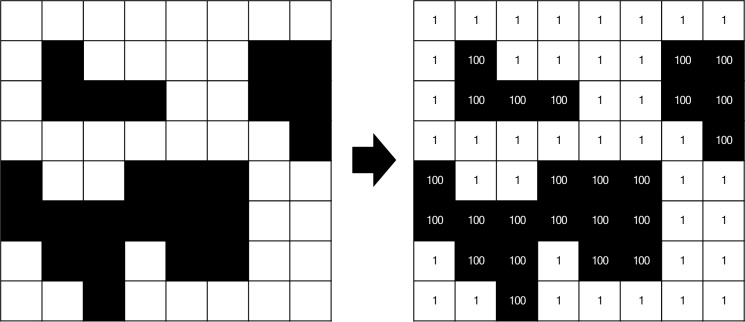
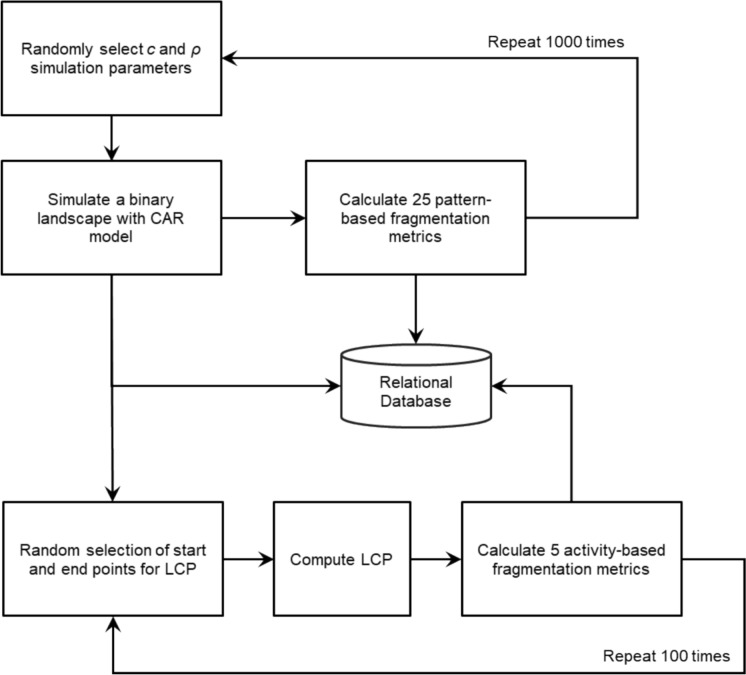
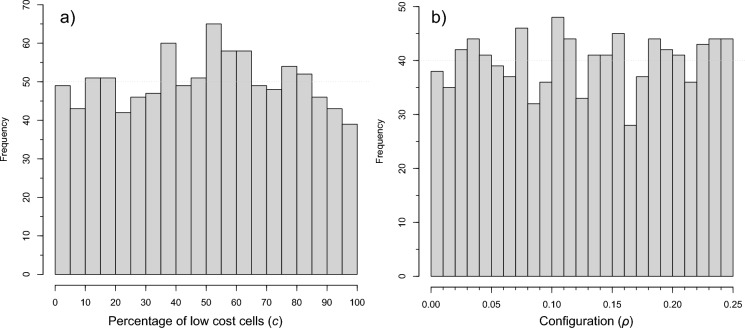
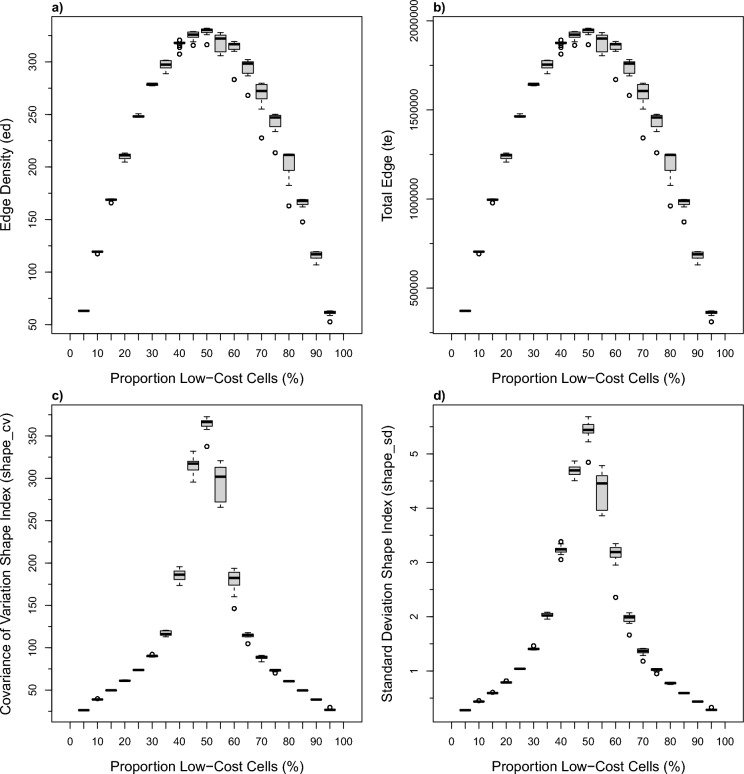
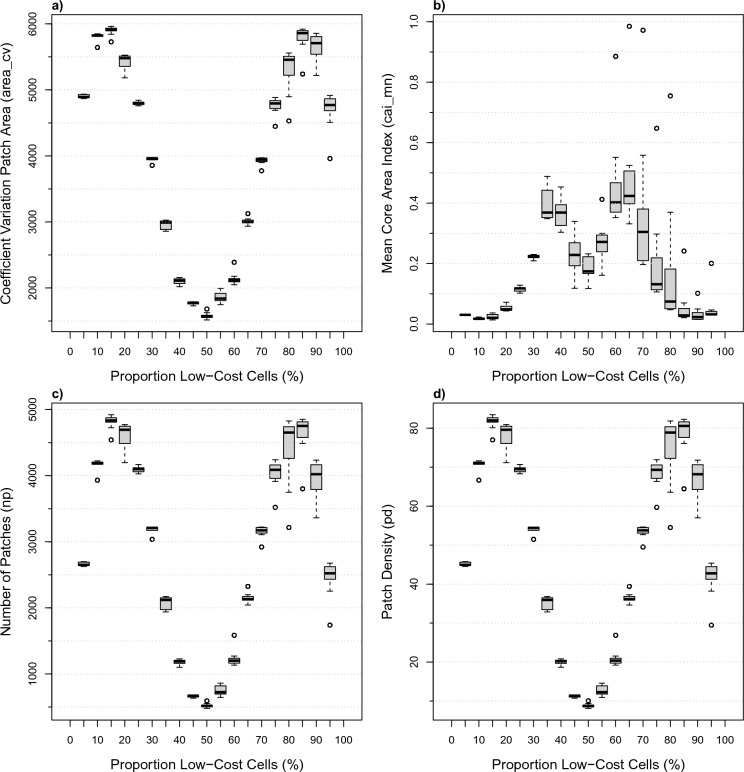
One thousand binary landscapes varying in composition and configuration were simulated, and least-cost path analysis provided the data to calculate the activity-based metrics, which were compared with computed traditional pattern-based metrics.
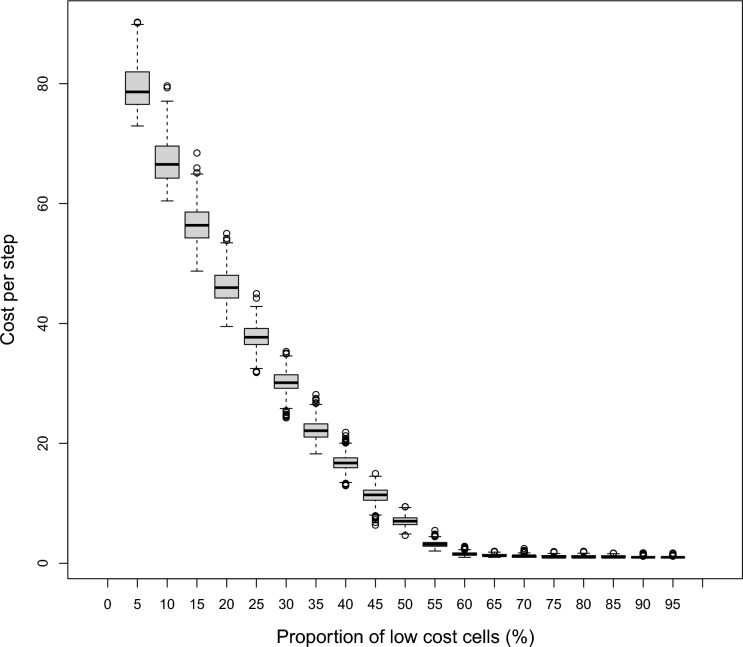
Activity-based fragmentation assessments were sensitive to levels of landscape fragmentation, but offered improvements over exiting pattern-based methods in that some metrics varied monotonically across the spectrum of landscape configurations and thus makes their interpretation more holistically meaningful.
This study provides a modular conceptual framework for assessing fragmentation using activity-based metrics that offer functional improvements over existing pattern-based approaches. While we present a focused theoretical implementation, the process to be measured and the scale of observation can be altered to suit specific user requirements, ecosystems, or species of interest.
景观破碎化与栖息地丧失、隔离加剧、连通性丧失和生物多样性减少有关,但其难以量化。传统的基于格局的景观破碎化测量方法使用景观指标来量化景观组成或格局的各个方面。
本研究的目的是检验一种基于活动的替代方法的相对改进,该方法使用穿越景观的成本作为破碎化的代理指标,并将其与传统方法进行比较。
模拟了1000个在组成和格局上不同的二元景观,通过成本最低路径分析提供数据来计算基于活动的指标,并将其与计算出的传统基于格局的指标进行比较。
基于活动的破碎化评估对景观破碎化水平敏感,但比现有的基于格局的方法有所改进,因为一些指标在景观格局范围内单调变化,因此其解释更具整体意义。
本研究提供了一个模块化概念框架,用于使用基于活动的指标评估破碎化,这些指标比现有的基于格局的方法具有功能上的改进。虽然我们展示了一个有针对性的理论实施方案,但测量过程和观测尺度可以根据特定用户需求、生态系统或感兴趣的物种进行调整。