Elliott Samantha, Taros Trent, Lustig Adam
Eastern Virginia Medical School, Norfolk, USA.
Abdom Radiol (NY). 2025 May;50(5):2336-2338. doi: 10.1007/s00261-024-04699-6. Epub 2024 Nov 22.
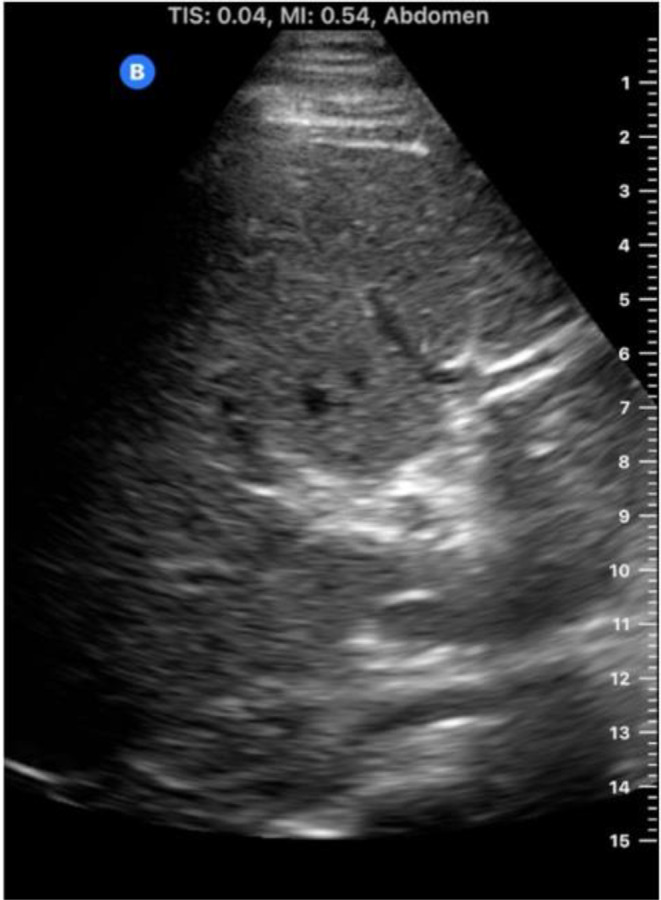
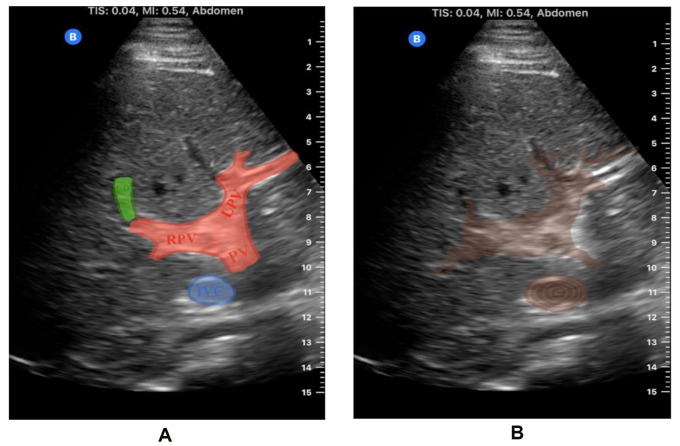
The "jumping deer sign" is an ultrasonographic pattern that aids in identifying normal liver anatomy and distinguishing it from pathology. It includes the portal vein (deer's head and body), the gallbladder or cystic duct (tail), and the inferior vena cava (obstacle). This sign helps differentiate portal veins from intrahepatic ducts, crucial for diagnosing conditions like portal hypertension. It also assists in identifying gallbladder pathologies and assessing the IVC for hydration status. The jumping deer sign provides a clear reference for clinicians, improving diagnostic accuracy, especially for those with limited ultrasound experience.
“跳跃的鹿征”是一种超声图像模式,有助于识别正常肝脏解剖结构并将其与病变区分开来。它包括门静脉(鹿的头部和身体)、胆囊或胆囊管(尾巴)以及下腔静脉(障碍物)。该征象有助于区分门静脉与肝内胆管,这对于诊断门静脉高压等病症至关重要。它还有助于识别胆囊病变并评估下腔静脉的水化状态。跳跃的鹿征为临床医生提供了清晰的参考,提高了诊断准确性,尤其是对于超声经验有限的医生。