Department of Laboratory Medicine Science, Youjiang Medical University for Nationalities, Baise, China.
Department of Mechanical Engineering and Materials Science, Duke University, Durham, NC, United States of America.
PLoS One. 2024 Nov 22;19(11):e0312434. doi: 10.1371/journal.pone.0312434. eCollection 2024.
This study aimed to investigate the influence of pine pollen (PP) on hepatocellular carcinoma (HCC) behavior in vitro and in vivo and explore its mechanism of action by focusing on the phosphatidylinositol 3-kinase/protein serine-threonine kinase (PI3K/AKT) signaling pathway and α-Enolase (ENO1) gene expression.
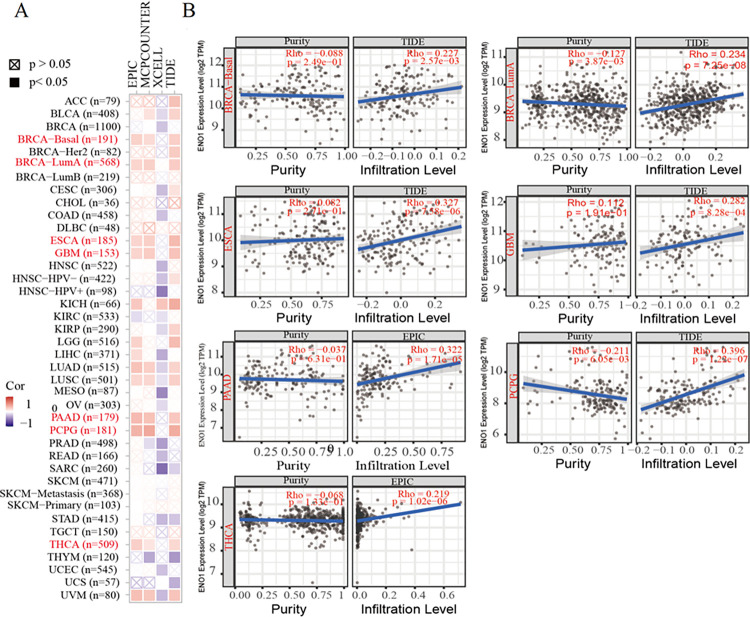
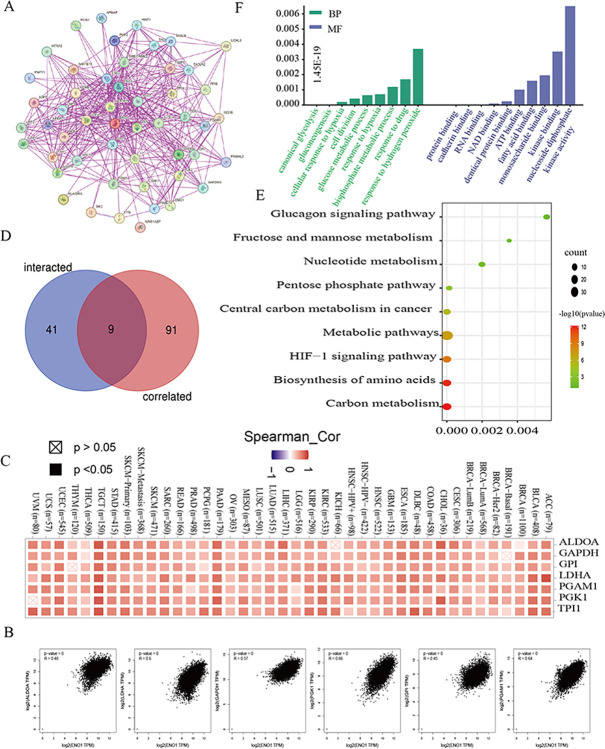
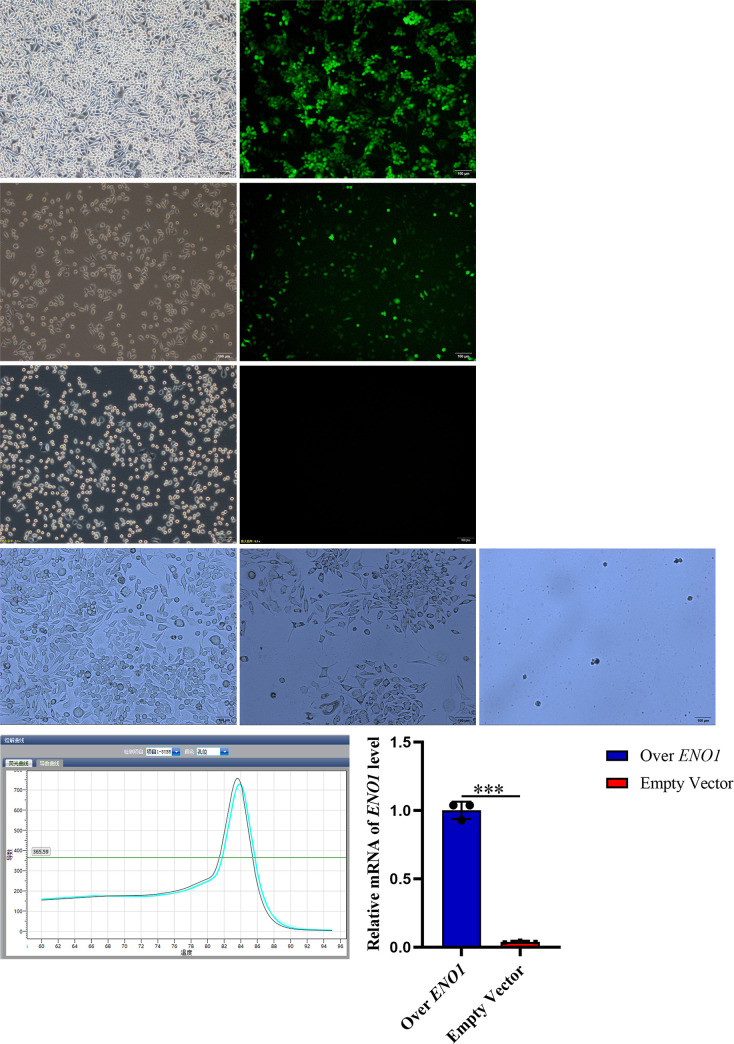
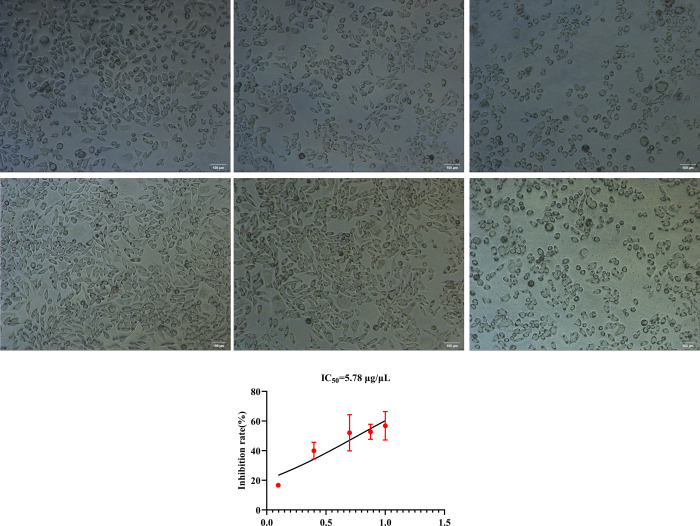
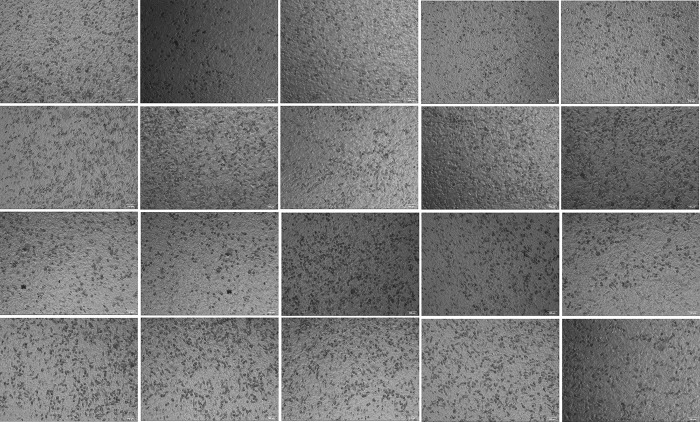
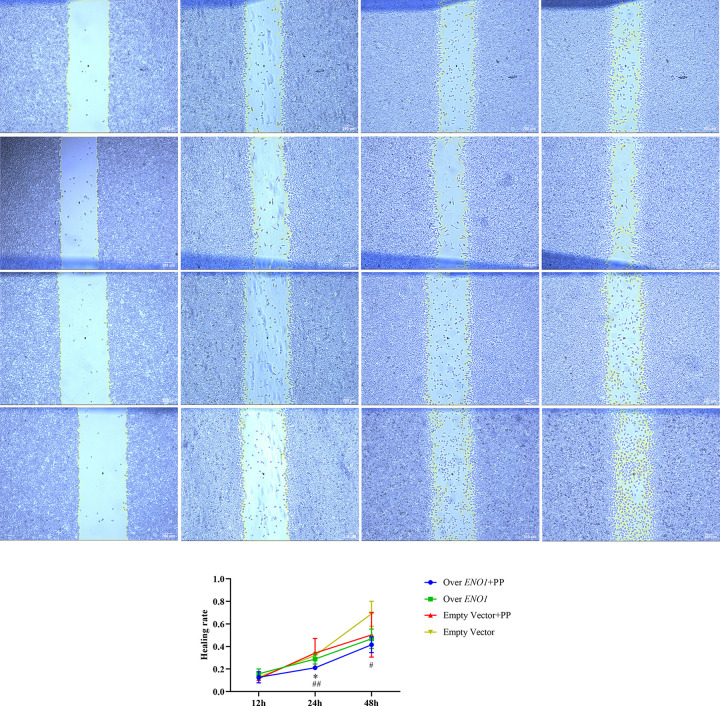
We performed a bioinformatics analysis of ENO1. HCC cells overexpressing ENO1 were developed by lentivirus transfection. Cell proliferation, invasion, and migration were assessed using the cell cytotoxicity kit-8 assay, transwell assay, cell scratch test, and ENO1 inhibiting proliferation experiment. Protein expression was analyzed using Western blot. The in vivo effects of PP on HCC xenografts were also assessed in mice. The serum of nude mice in each group was analyzed for alanine aminotransferase (ALT), aspartate aminotransferase (AST), and AST/ALT. The tumor blocks of nude mice were weighed, and proteins were extracted for Western blot.
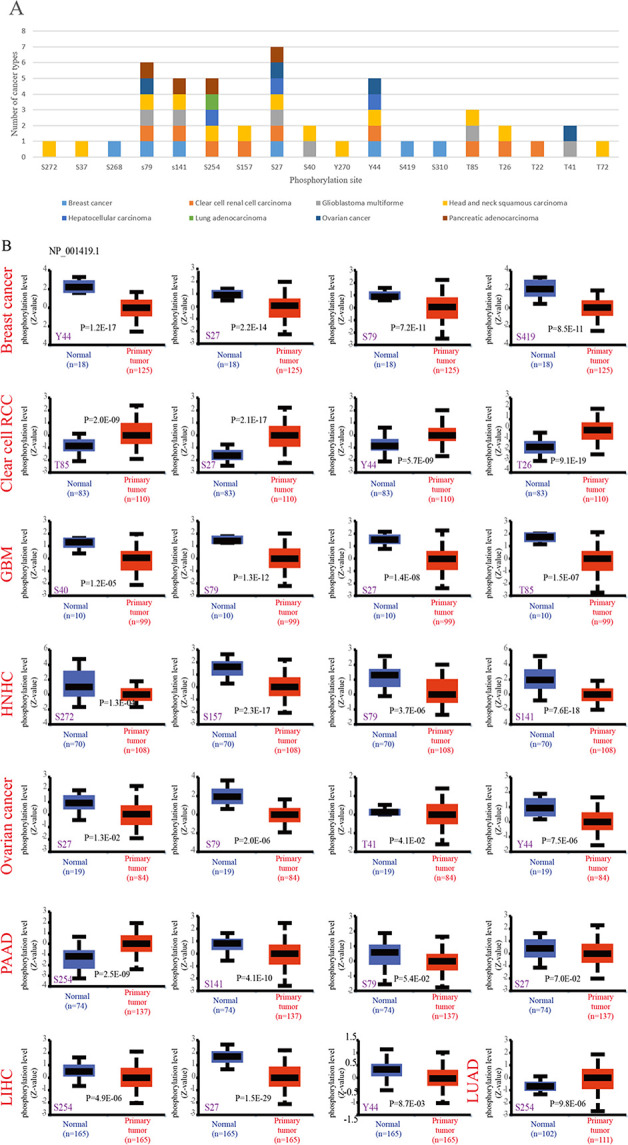
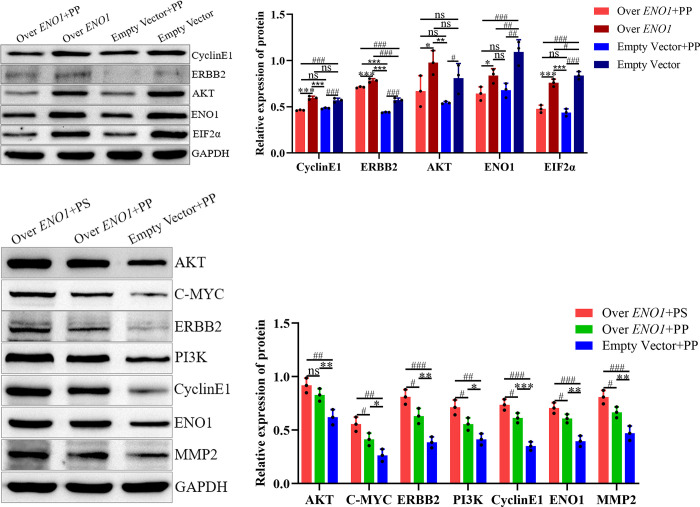
Compared to normal cells, the phosphorylation of ENO1 at the S27 site was most significant in HCC cells and was closely related to cell proliferation. In vitro, the PP solution inhibited the proliferation, invasion, and migration of ENO1 overexpressing cells compared with empty-vector-transfected cells. In mice bearing HCC, PP injection inhibited the overexpression of ENO1, affected serum ALT, AST, and AST/ALT levels, and reduced tumor weight. However, the expression of proliferation-related proteins in tumors overexpressing ENO1 was higher than in empty transfected tumors.
PP inhibits HCC by regulating the expression of ENO1 and MBP-1 and suppressing the PI3K/AKT pathway by inhibiting C-MYC and erb-B2 receptor tyrosine kinase 2.
本研究旨在通过关注磷脂酰肌醇 3-激酶/蛋白丝氨酸-苏氨酸激酶(PI3K/AKT)信号通路和α-烯醇化酶(ENO1)基因表达,研究松花粉(PP)对体外和体内肝癌(HCC)行为的影响,并探讨其作用机制。
我们对 ENO1 进行了生物信息学分析。通过慢病毒转染构建了 ENO1 过表达的 HCC 细胞系。使用细胞毒性试剂盒-8 检测、Transwell 检测、细胞划痕实验和 ENO1 抑制增殖实验评估细胞增殖、侵袭和迁移。使用 Western blot 分析蛋白表达。还在小鼠中评估了 PP 对 HCC 异种移植物的体内作用。分析每组裸鼠血清中的丙氨酸转氨酶(ALT)、天冬氨酸转氨酶(AST)和 AST/ALT。称重裸鼠肿瘤块,并提取蛋白质进行 Western blot。
与正常细胞相比,ENO1 在 HCC 细胞中的 S27 位点磷酸化最显著,与细胞增殖密切相关。体外,PP 溶液抑制 ENO1 过表达细胞的增殖、侵袭和迁移,与空载体转染细胞相比。在携带 HCC 的小鼠中,PP 注射抑制 ENO1 的过表达,影响血清 ALT、AST 和 AST/ALT 水平,并降低肿瘤重量。然而,过表达 ENO1 的肿瘤中与增殖相关的蛋白表达高于空转染肿瘤。
PP 通过调节 ENO1 和 MBP-1 的表达以及抑制 C-MYC 和 erb-B2 受体酪氨酸激酶 2 来抑制 PI3K/AKT 通路来抑制 HCC。