First Clinical Medical College, Nanjing University of Chinese Medicine, 138 Xianlin Road, Nanjing, 210023, Jiangsu, PR China.
School of Traditional Chinese Medicine, Nanjing University of Chinese Medicine, Nanjing, 210023, Jiangsu, PR China.
Sci Rep. 2024 Nov 22;14(1):28943. doi: 10.1038/s41598-024-80616-7.
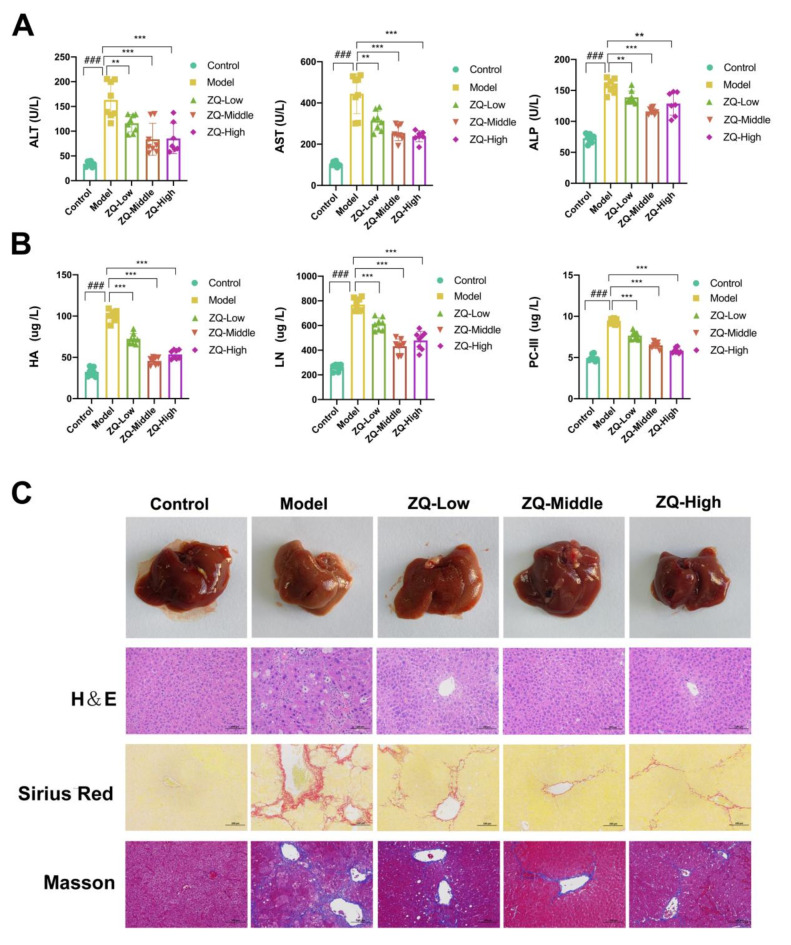
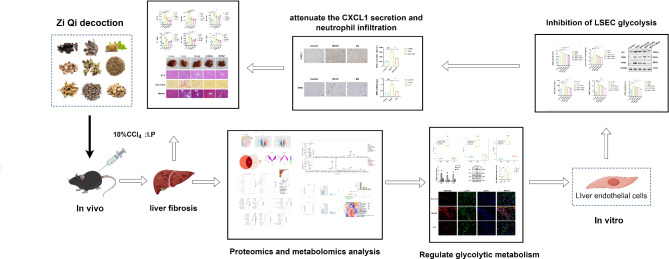
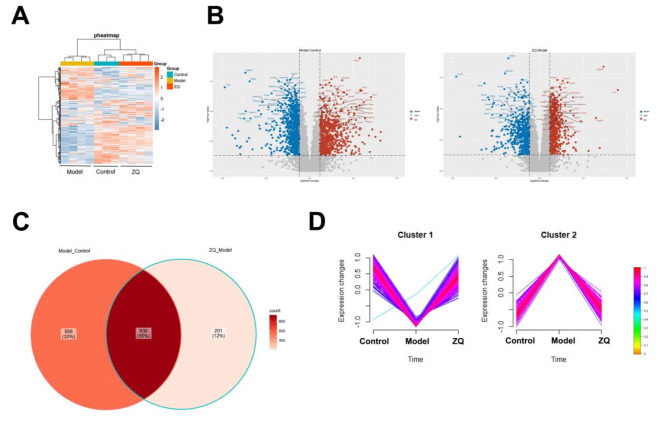
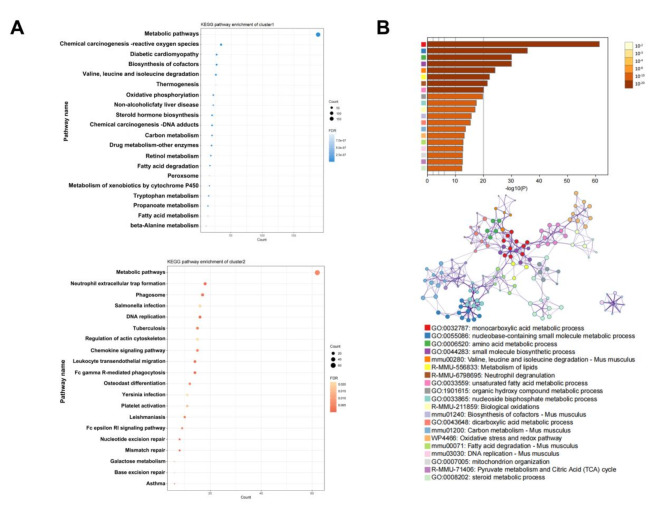
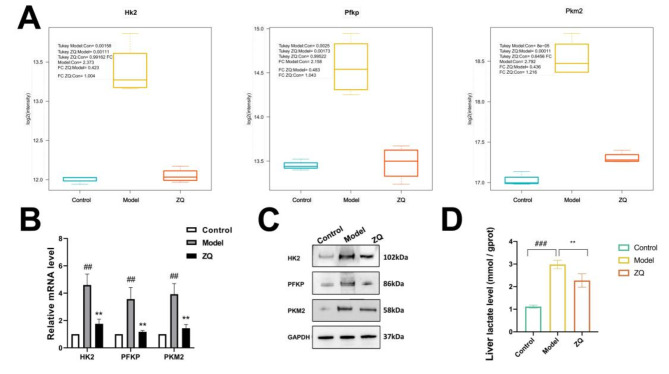
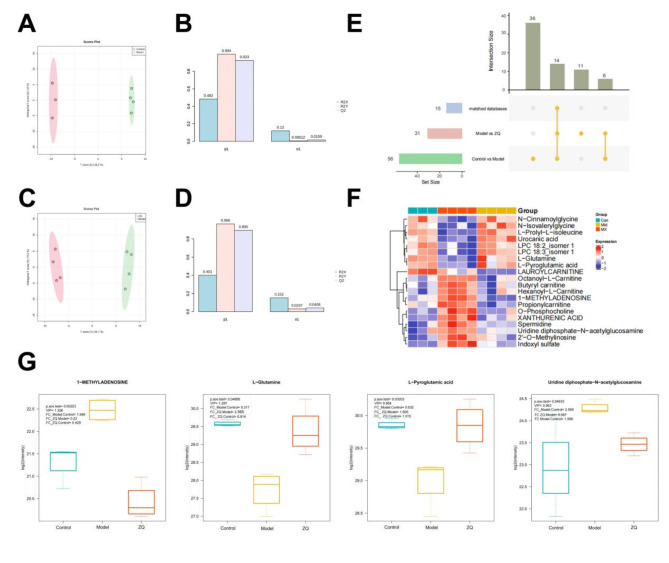
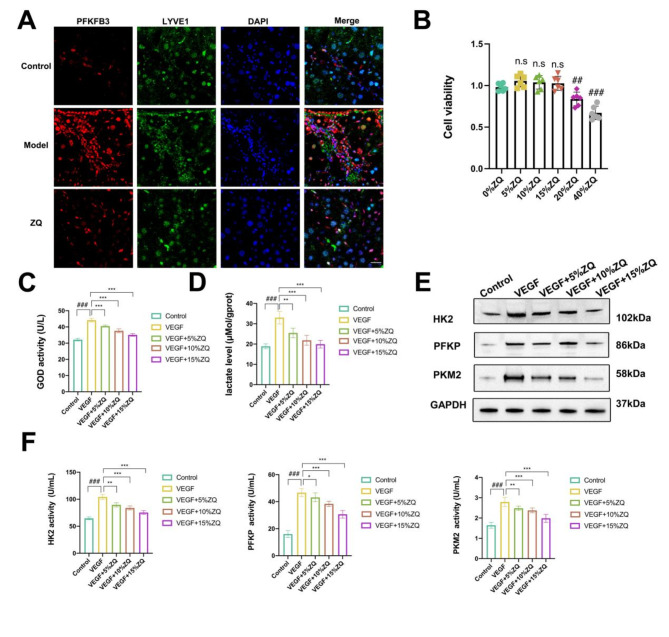
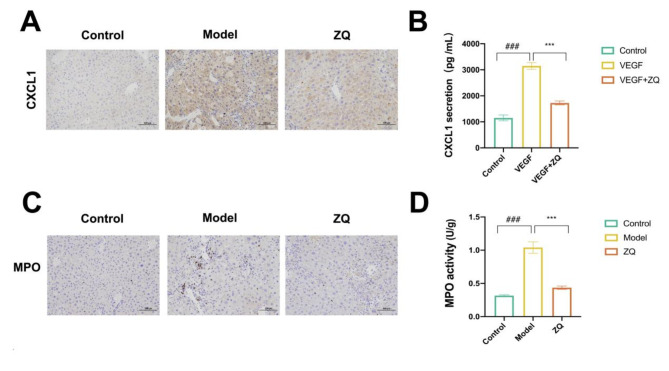
Liver fibrosis is a common progressive liver disease that can cause liver dysfunction and lead to serious complications. Zi Qi decoction (ZQ) is a traditional formulation that exerts pharmacological effects on the treatment of liver fibrosis. However, precise intervention mechanisms remain unclear. The aim of this study was to synergistically harness proteomics and metabolomics techniques to elucidate the specific target of ZQ and its potential mechanism of action. A carbon tetrachloride (CCl)-induced liver fibrosis mouse model was established. Subsequently, the protective effect of ZQ on liver fibrosis mice was evaluated according to histopathological examination and biochemical indicators. Quantitative proteomics based on data independent acquisition (DIA) and non-targeted metabolomic analyses revealed the pharmacodynamic mechanism of ZQ. In addition, various cellular and molecular assays were used to detect changes in glycolysis levels in LSECs and mouse liver fibrosis models. The study results showed that ZQ significantly alleviated CCl-induced liver injury and fibrosis in mice. DIA-based quantitative proteomics and non-targeted metabolomics analyses indicated that ZQ treatment downregulated glycolysis-related proteins such as PKM2, PFKP, and HK2, while regulating glycolysis-related metabolites and pathways. In addition, ZQ down-regulated glycolytic activity in mice with liver fibrosis and in LSECs, and inhibited CXCL1 secretion and neutrophil recruitment. ZQ inhibited LSEC glycolysis and mitigated neutrophil infiltration, thereby playing a therapeutic role in liver fibrosis.
肝纤维化是一种常见的进行性肝病,可导致肝功能障碍,并导致严重的并发症。自拟芪术汤(ZQ)是一种传统的配方,对治疗肝纤维化具有药理作用。然而,确切的干预机制尚不清楚。本研究旨在协同利用蛋白质组学和代谢组学技术,阐明 ZQ 的具体靶点及其潜在的作用机制。建立了四氯化碳(CCl)诱导的肝纤维化小鼠模型。随后,根据组织病理学检查和生化指标评价 ZQ 对肝纤维化小鼠的保护作用。基于数据非依赖性采集(DIA)的定量蛋白质组学和非靶向代谢组学分析揭示了 ZQ 的药效学机制。此外,还使用各种细胞和分子测定法检测 LSECs 和小鼠肝纤维化模型中糖酵解水平的变化。研究结果表明,ZQ 可显著减轻 CCl 诱导的小鼠肝损伤和纤维化。DIA 定量蛋白质组学和非靶向代谢组学分析表明,ZQ 处理下调了 PKM2、PFKP 和 HK2 等与糖酵解相关的蛋白质,同时调节了与糖酵解相关的代谢物和途径。此外,ZQ 降低了肝纤维化小鼠和 LSECs 中的糖酵解活性,抑制了 CXCL1 的分泌和中性粒细胞的募集。ZQ 抑制 LSEC 的糖酵解并减轻中性粒细胞浸润,从而在肝纤维化中发挥治疗作用。