Habib Mehvish, Singh Sakshi, Ahmad Sameer, Jan Shumaila, Gupta Ankit, Jan Kulsum, Bashir Khalid
Department of Food Technology, Jamia Hamdard, New Delhi 110062, India.
Department of Food Science & Technology, NIFTEM-K, 131028, India.
Ultrason Sonochem. 2025 Jan;112:107172. doi: 10.1016/j.ultsonch.2024.107172. Epub 2024 Nov 22.
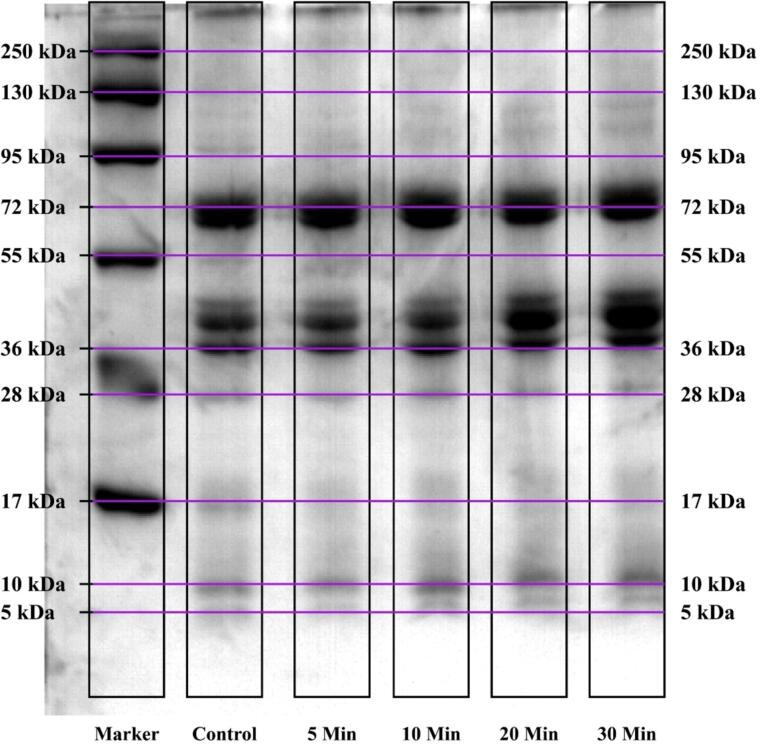
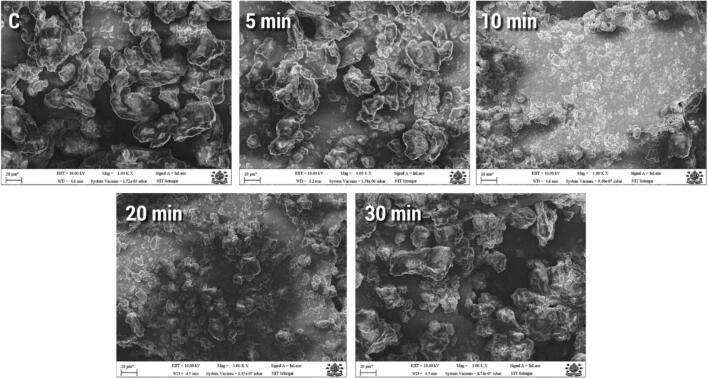
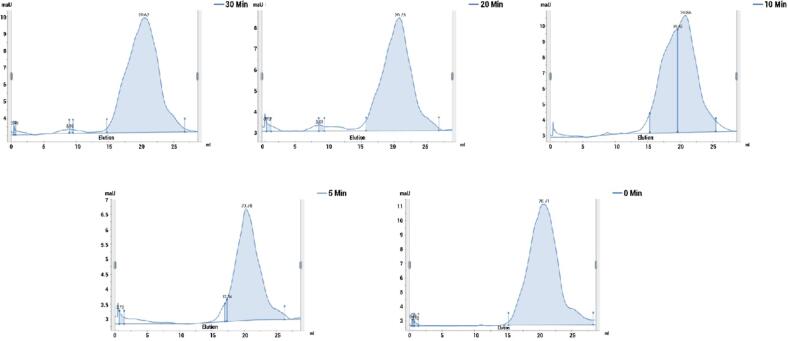
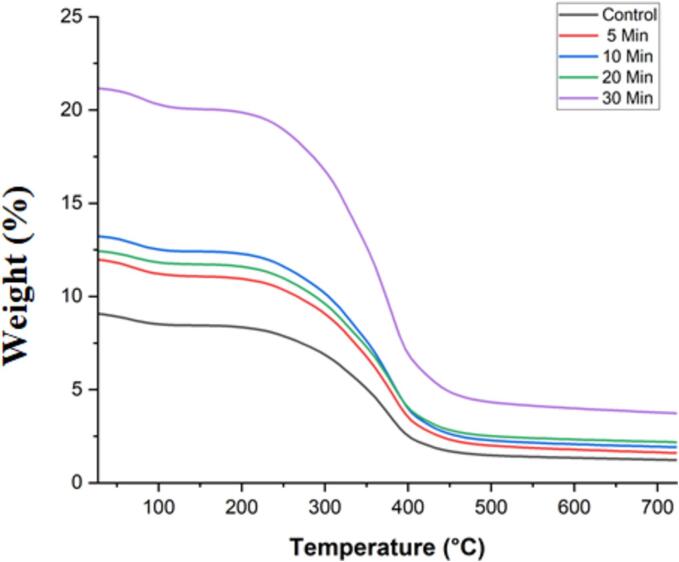
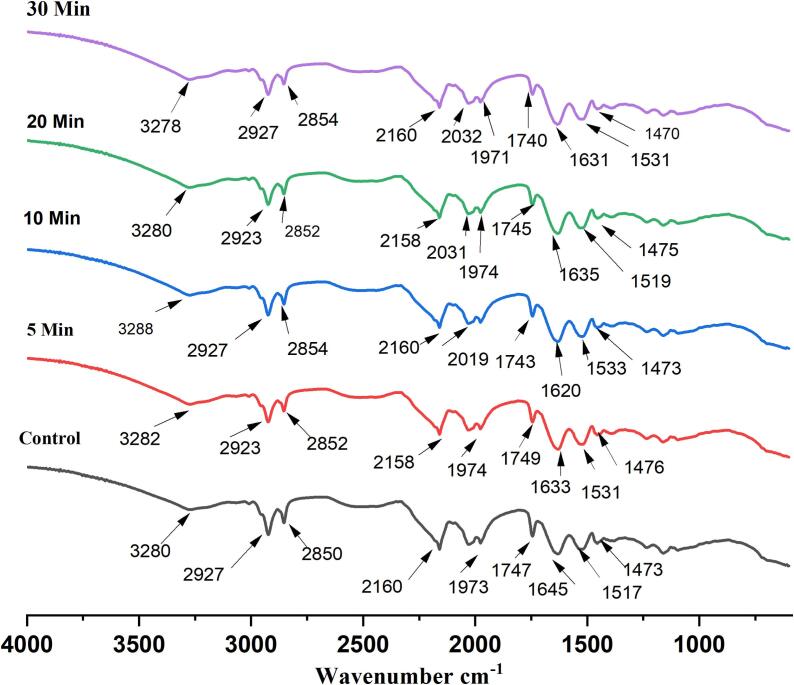
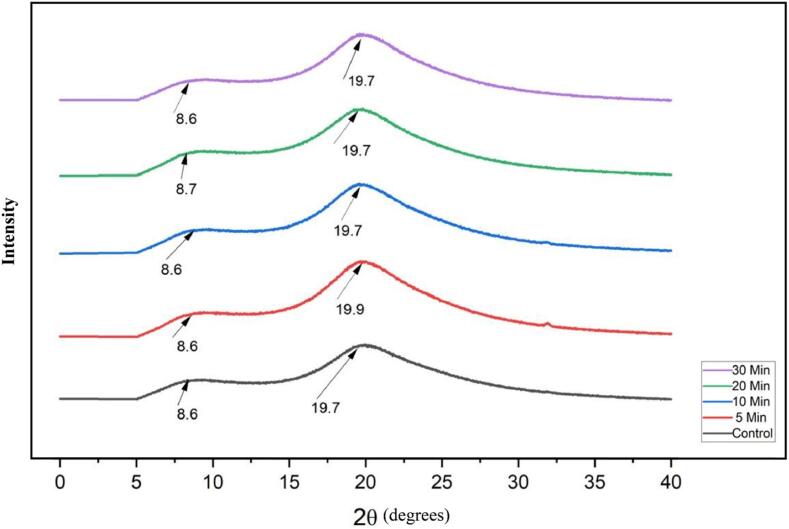
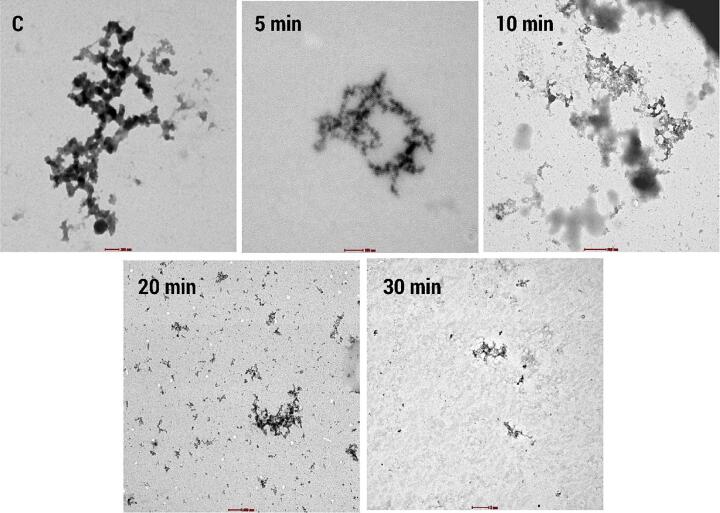
Protein isolates from pumpkin seeds were prepared and then treated with high-intensity ultrasound (HIUS) using a probe-based method. The impact of ultrasonication on the physicochemical, molecular, and thermal properties of these isolates were analyzed and compared to untreated controls. Results showed significant improvements (p ≤ 0.05) in color (L*, a*, b* values), solubility, emulsification capacity, and stability, as well as a reduction in molecular weight, indicating enhanced functionality of the pumpkin seed protein isolates (PSPIs) after HIUS treatment. However, HIUS treatment decreased the denaturation temperature (Td), denaturation enthalpy (ΔH), thermal stability, and particle size of the isolates. With treatment durations ranging from 5 to 20 min, T dropped from 67.31 °C to 56.38 °C, and ΔH declined from 45.78 to 35.43 J/g, likely due to structural and conformational modifications from ultrasonic-induced molecular bond disruptions. The greatest reduction in particle size, from 117.46 μm to 85.26 μm, was observed after 20 min of ultrasonication. X-ray diffraction (XRD) analysis showed two distinct diffraction peaks at 2θ = 10° and 2θ = 20°, indicating altered crystallite sizes post-ultrasound treatment. Ultrasonication induced structural and conformational changes in the pumpkin seed protein isolates, as confirmed by SDS-PAGE and weight loss analyses. Alterations in the SDS-PAGE profile and reduced weight loss were associated with improved solubility and enhanced thermal and functional properties in the treated pumpkin seed protein isolates. This emphasizes the potential of PSPI to increase their value-added potential through ultrasonication.
制备了南瓜籽蛋白分离物,然后使用基于探头的方法对其进行高强度超声(HIUS)处理。分析了超声处理对这些分离物的物理化学、分子和热性质的影响,并与未处理的对照进行了比较。结果表明,颜色(L*、a*、b*值)、溶解度、乳化能力和稳定性有显著改善(p≤0.05),分子量降低,表明HIUS处理后南瓜籽蛋白分离物(PSPIs)的功能增强。然而,HIUS处理降低了分离物的变性温度(Td)、变性焓(ΔH)、热稳定性和粒径。处理时间为5至20分钟时,Td从67.31°C降至56.38°C,ΔH从45.78降至35.43 J/g,这可能是由于超声诱导的分子键断裂导致的结构和构象修饰。超声处理20分钟后,粒径减小最为显著,从117.46μm降至85.26μm。X射线衍射(XRD)分析显示在2θ = 10°和2θ = 20°处有两个明显的衍射峰,表明超声处理后微晶尺寸发生了变化。SDS-PAGE和失重分析证实,超声处理诱导了南瓜籽蛋白分离物的结构和构象变化。SDS-PAGE图谱的改变和失重的减少与处理后的南瓜籽蛋白分离物的溶解度提高、热性能和功能性能增强有关。这强调了PSPI通过超声处理提高其附加值潜力的可能性。