Wen Yanhan, Song Dongmei, Li Aqian, Sun Lina, Ma Shuhua, Liu Tiezhu, Huang Xiaoxia, Huang Tao, Li Boyang, Wang Mengxuan, Li Jiandong, Liang Mifang, Li Dexin, Wu Wei, Dai Xinxian, Wang Shiwen
National Key Laboratory of Intelligent Tracking and Forecasting for Infectious Diseases, NHC Key Laboratory of Medical Virology and Viral Diseases, National Institute for Viral Disease Control and Prevention, Chinese Center for Disease Control and Prevention, Beijing, China.
National Vaccine and Serum Institute, Beijing, China.
China CDC Wkly. 2024 Nov 15;6(46):1211-1217. doi: 10.46234/ccdcw2024.244.
WHAT IS ALREADY KNOWN ABOUT THIS TOPIC?: Severe fever with thrombocytopenia syndrome (SFTS) is a serious tick-borne disease in East Asia with high mortality, particularly affecting the elderly. Since its discovery in 2010, inconsistencies in small-scale studies and the lack of decade-long research on antibody levels in large population samples after natural infection, along with the absence of an effective vaccine, highlight the need for large-scale, long-term data in high-incidence regions of China.
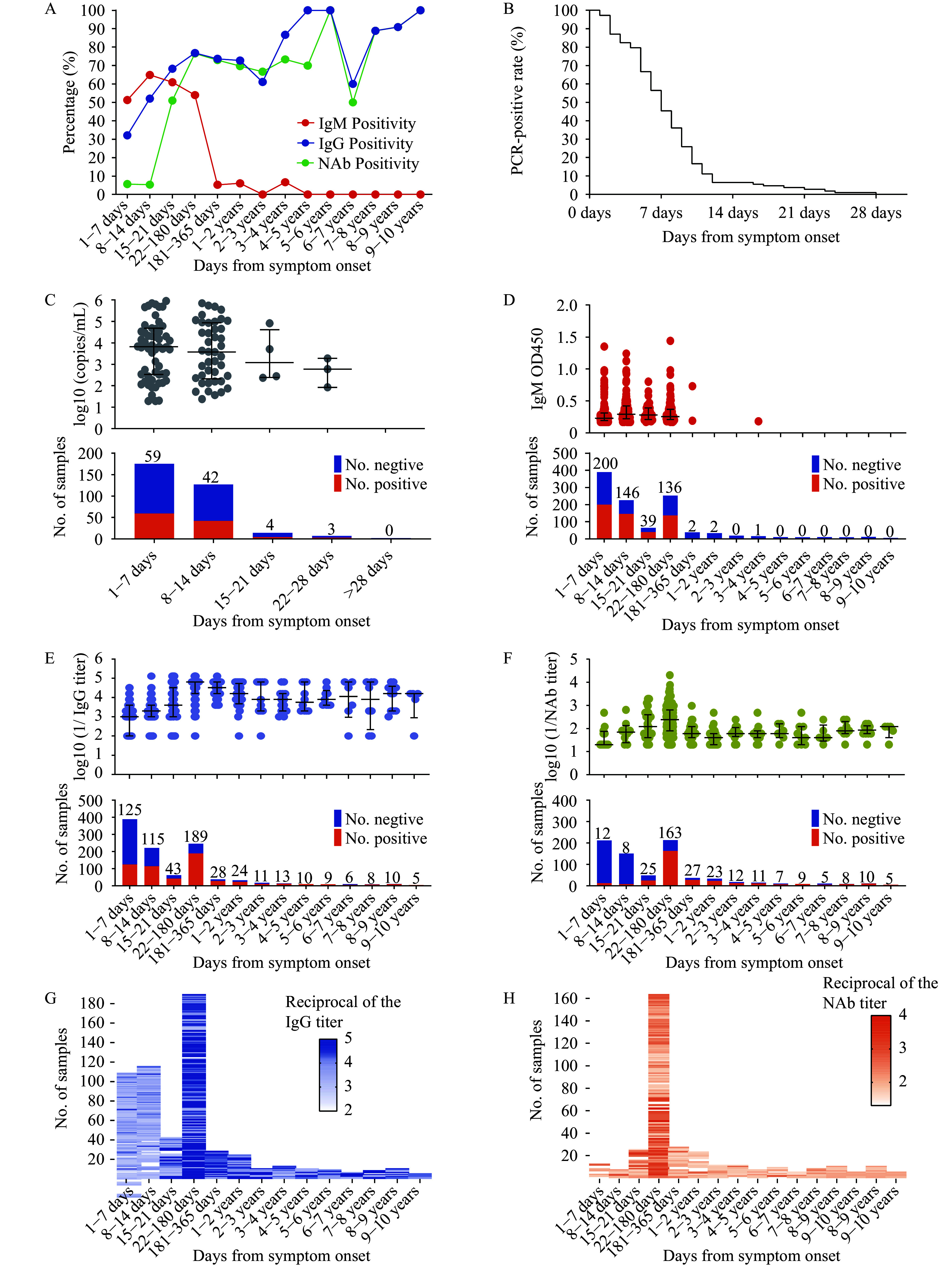
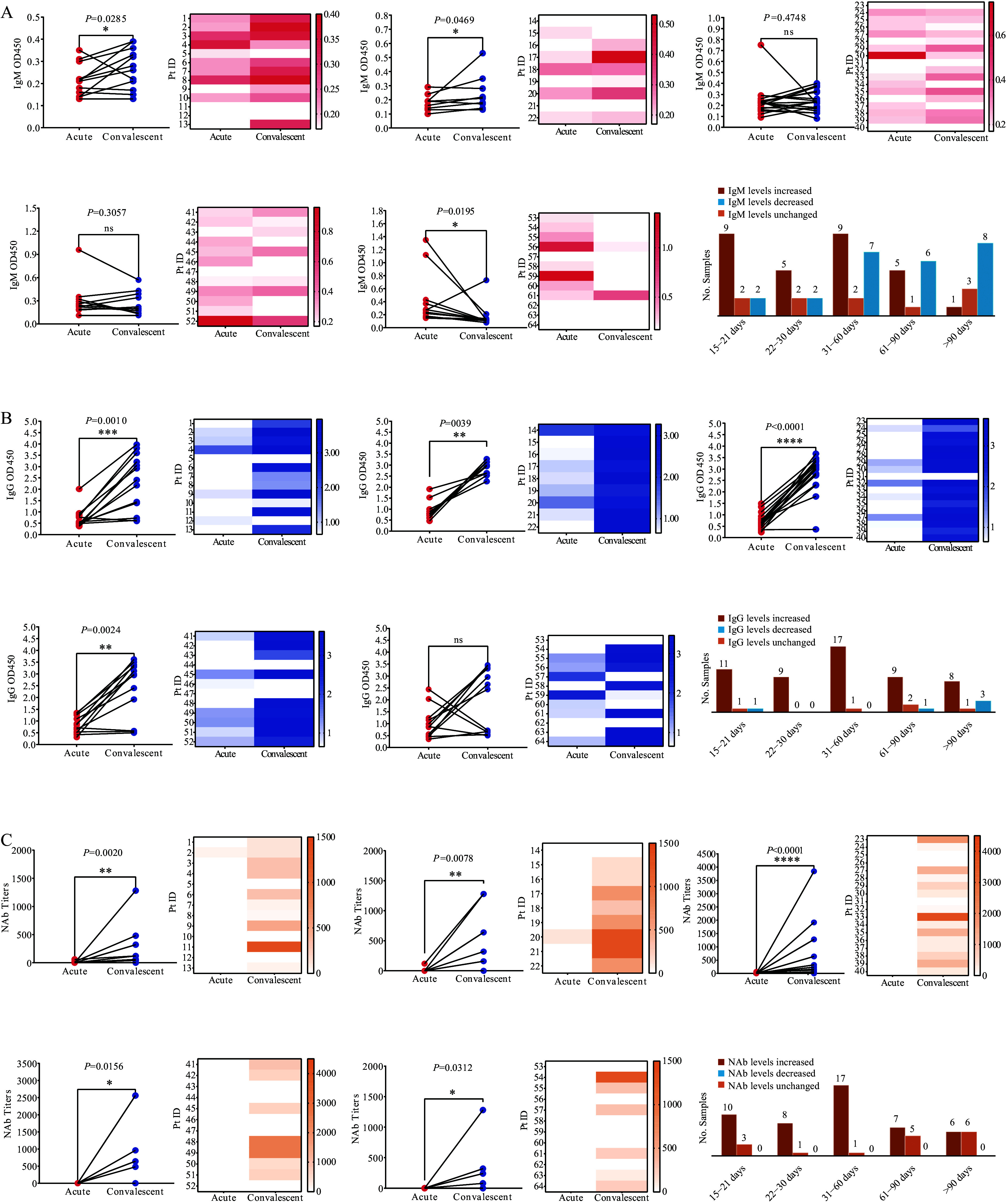
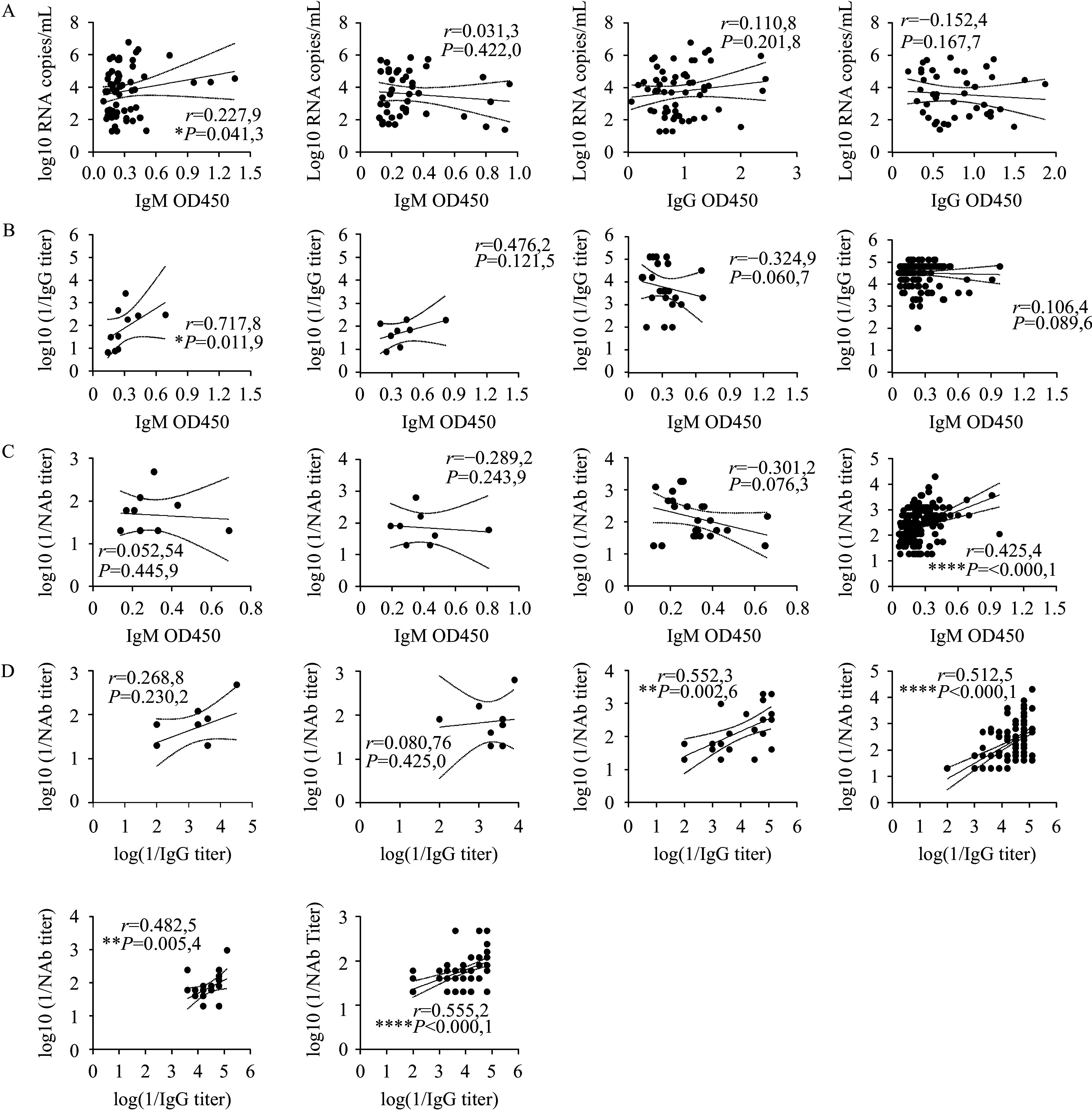
WHAT IS ADDED BY THIS REPORT?: This study of 1,410 serum samples from SFTS patients in high-incidence regions of China reveals that immunoglobulin M (IgM) levels peak at 8-14 days post-infection, declining to nearly undetectable levels by 180 days. Immunoglobulin G (IgG) and neutralizing antibodies (NAb) levels peak at 22-180 days, persisting up to 10 years. IgM levels correlate with viral load and various immune and coagulation parameters, with lower levels observed in fatal cases. During convalescence, elderly patients have lower IgG levels, whereas females exhibit higher IgG levels compared with males.
WHAT ARE THE IMPLICATIONS FOR PUBLIC HEALTH PRACTICE?: The study's findings on long-term antibody dynamics in SFTS patients can significantly improve vaccine development, optimize therapy scheduling, inform public health policies, and enhance diagnostic tools, leading to better disease management and prevention in high-incidence areas.
关于该主题已知的信息有哪些?:发热伴血小板减少综合征(SFTS)是东亚地区一种严重的蜱传疾病,死亡率高,尤其易影响老年人。自2010年被发现以来,小规模研究结果不一致,缺乏对自然感染后大样本群体长达十年的抗体水平研究,同时又没有有效的疫苗,这凸显了在中国高发病地区获取大规模长期数据的必要性。
本报告新增了哪些内容?:这项对中国高发病地区1410份SFTS患者血清样本的研究表明,免疫球蛋白M(IgM)水平在感染后8 - 14天达到峰值,到180天时降至几乎检测不到的水平。免疫球蛋白G(IgG)和中和抗体(NAb)水平在22 - 180天达到峰值,并持续长达10年。IgM水平与病毒载量以及各种免疫和凝血参数相关,在 fatal cases中水平较低。在康复期,老年患者的IgG水平较低,而女性的IgG水平高于男性。
对公共卫生实践有何意义?:该研究关于SFTS患者长期抗体动态变化的结果可显著改善疫苗研发、优化治疗方案安排、为公共卫生政策提供依据并改进诊断工具,从而在高发病地区实现更好的疾病管理和预防。