Bokhari Tanveer Hussain, Naveed Aniqa, Khosa Muhammad Kaleem, Haq Atta Ul, Muneer Majid, Iqbal Mazhar, Mohammed Osama A, Doghish Ahmed S, Abdel-Reheim Mustafa Ahmed, Iqbal Munawar, Nazir Arif
Department of Chemistry, Government College University, Faisalabad, 38000, Pakistan.
National Institute for Biotechnology and Genetic Engineering, Faisalabad, Pakistan.
Heliyon. 2024 Oct 23;10(22):e39670. doi: 10.1016/j.heliyon.2024.e39670. eCollection 2024 Nov 30.
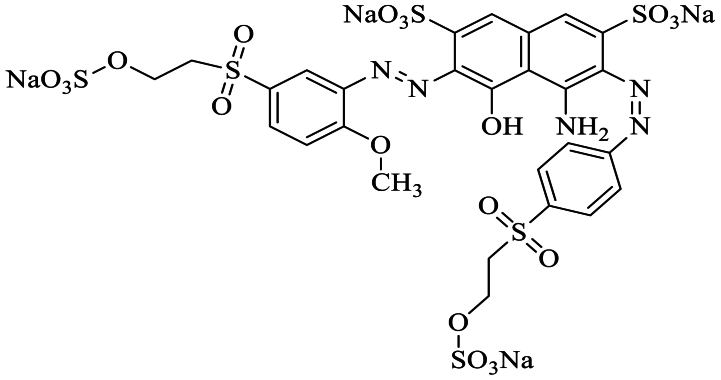
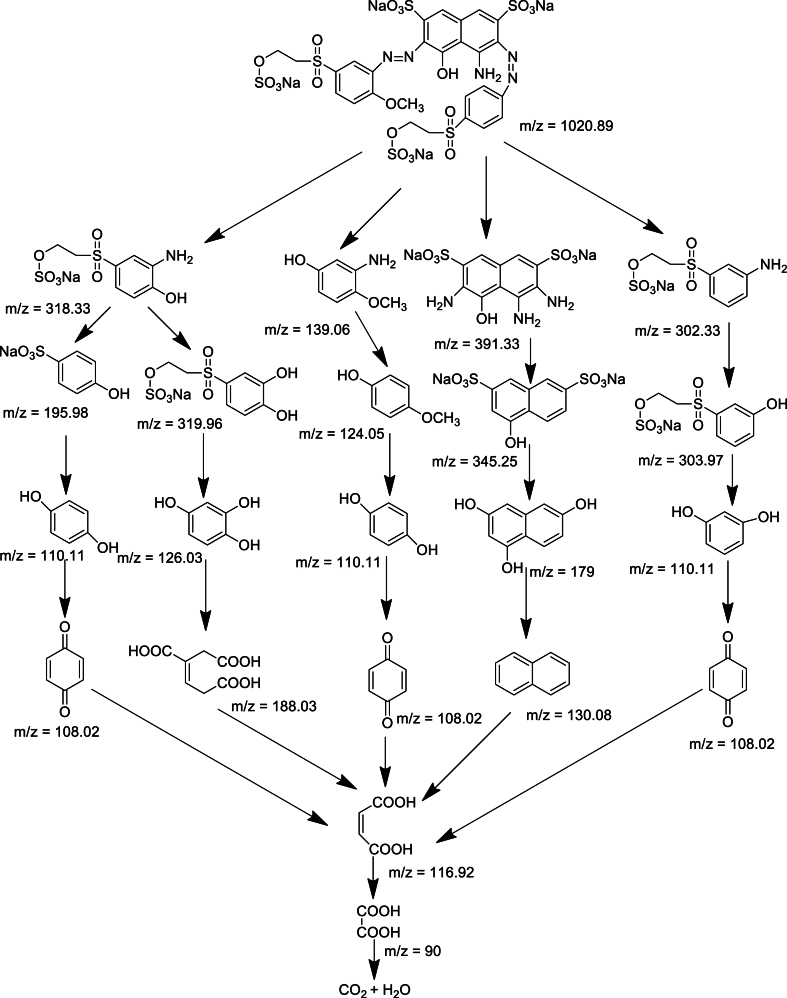
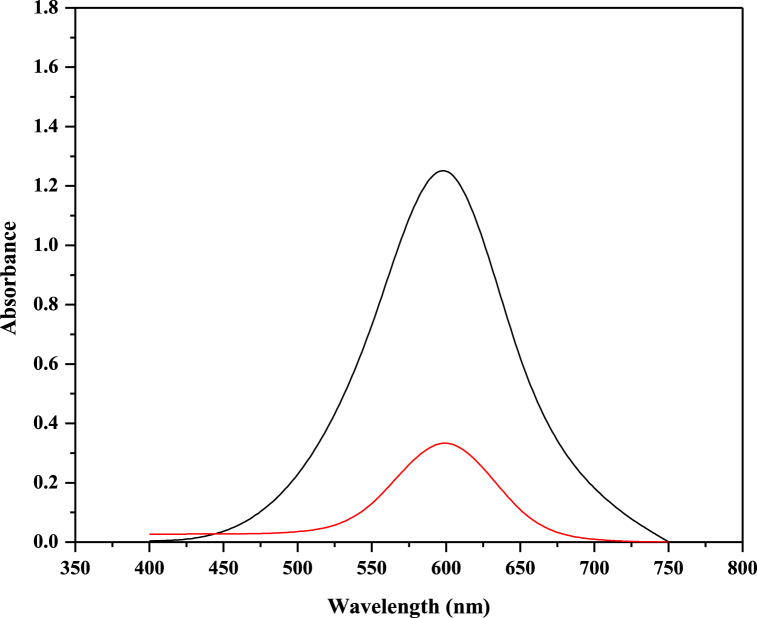
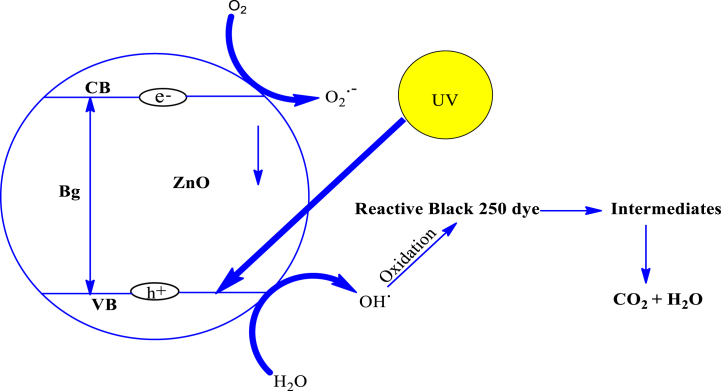
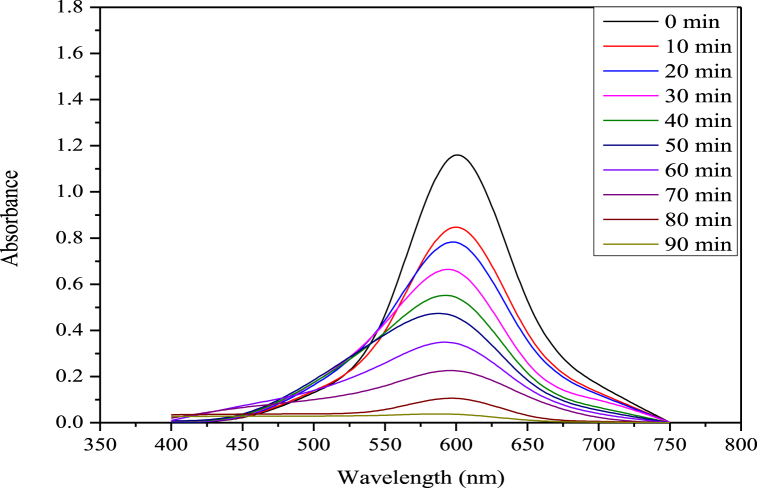
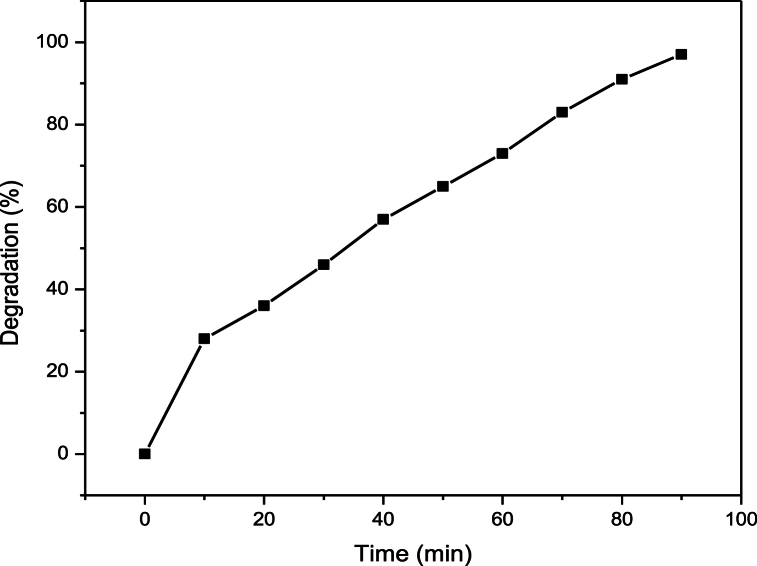
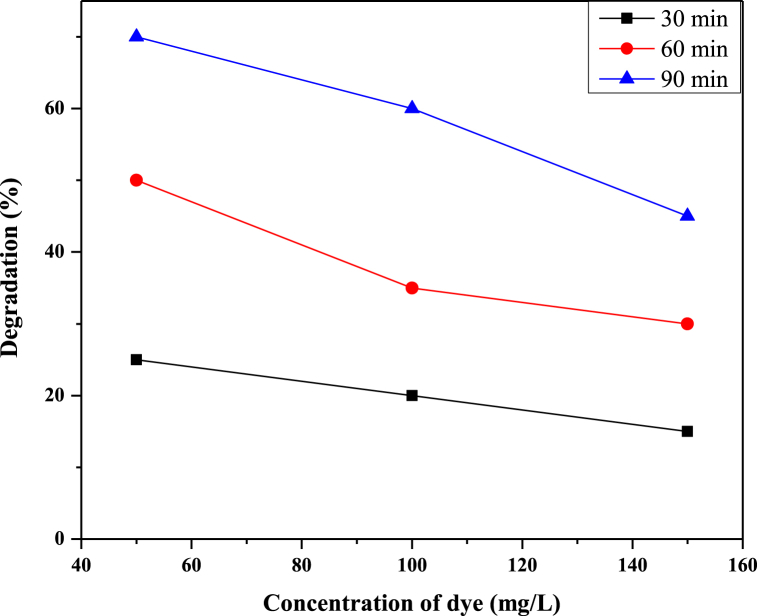
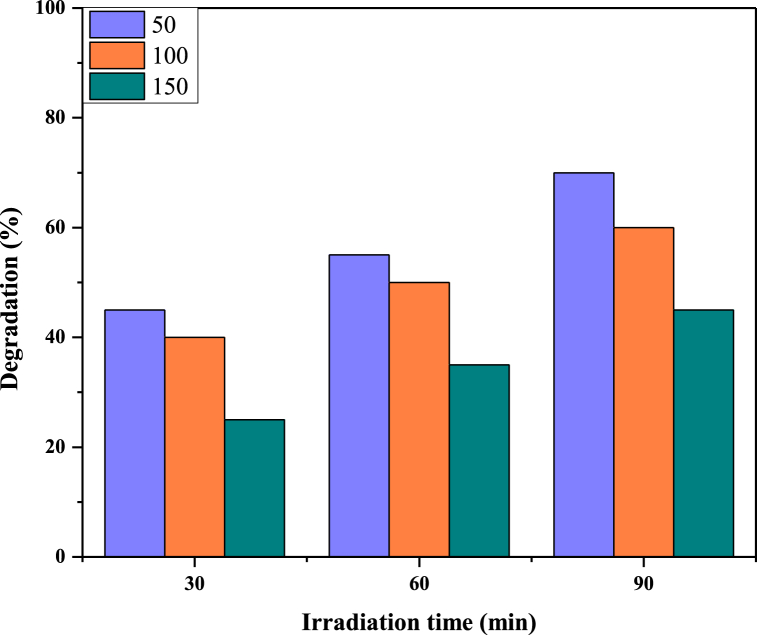
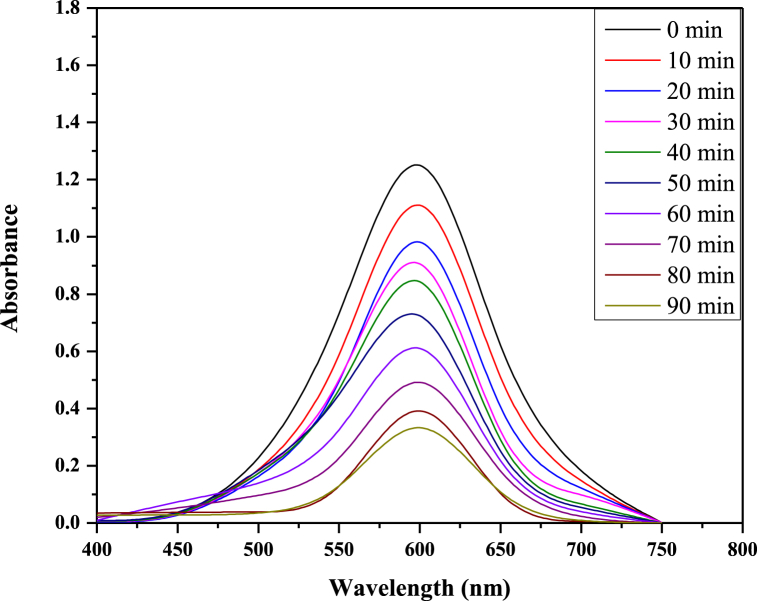
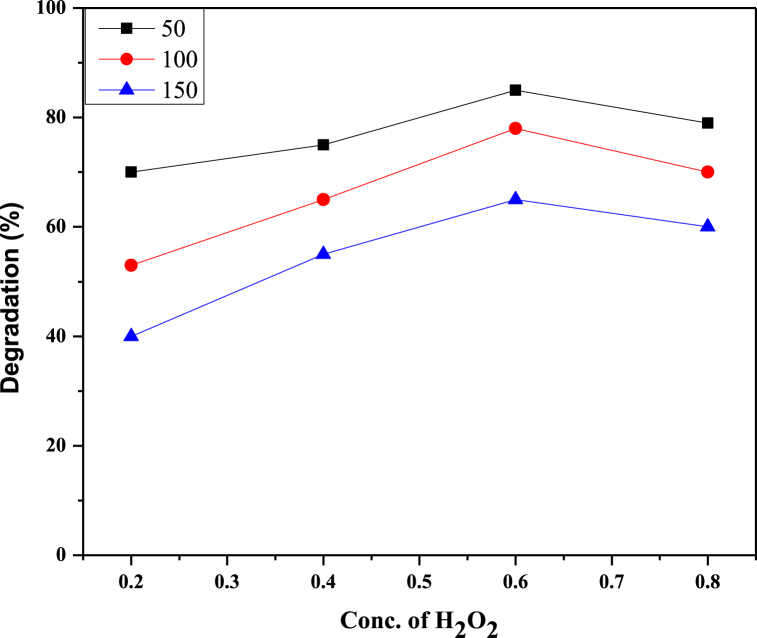
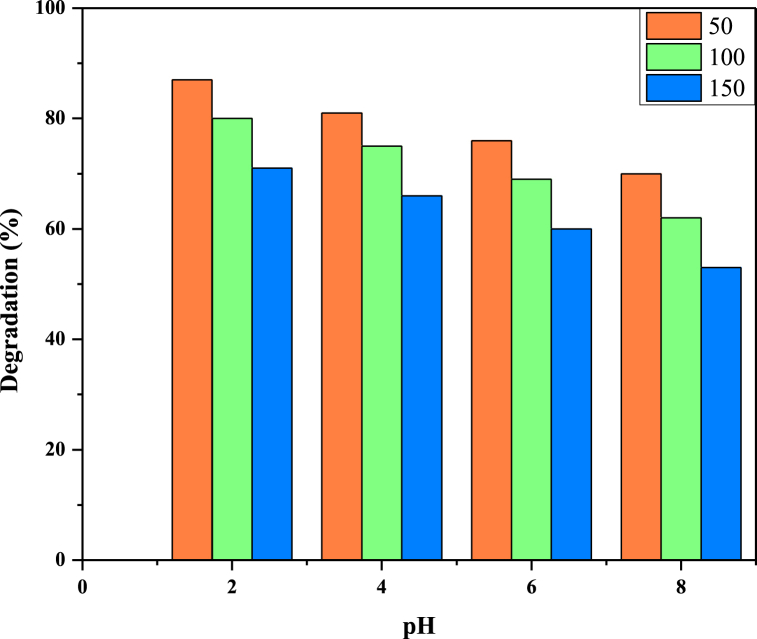
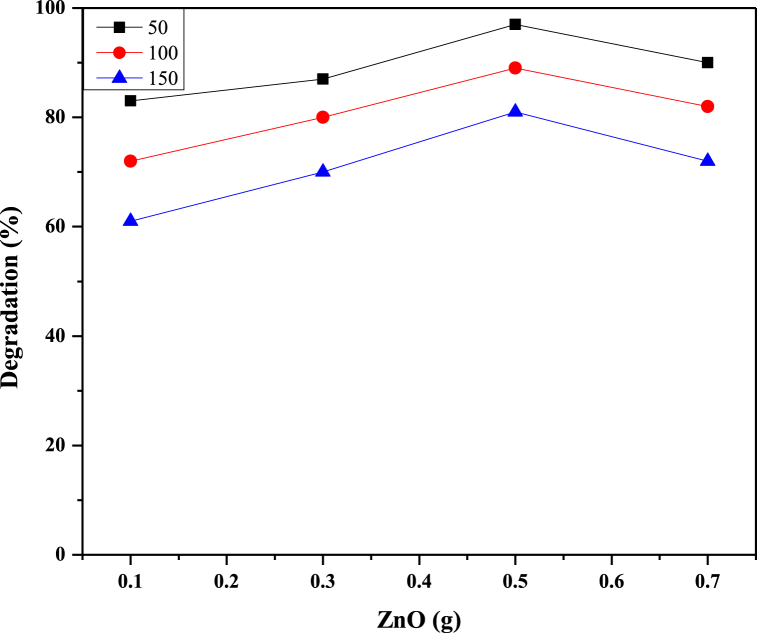
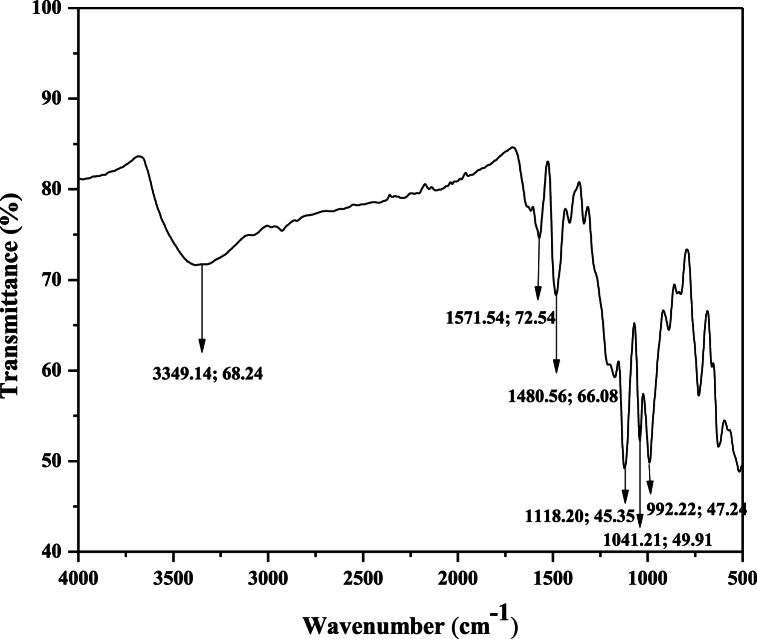
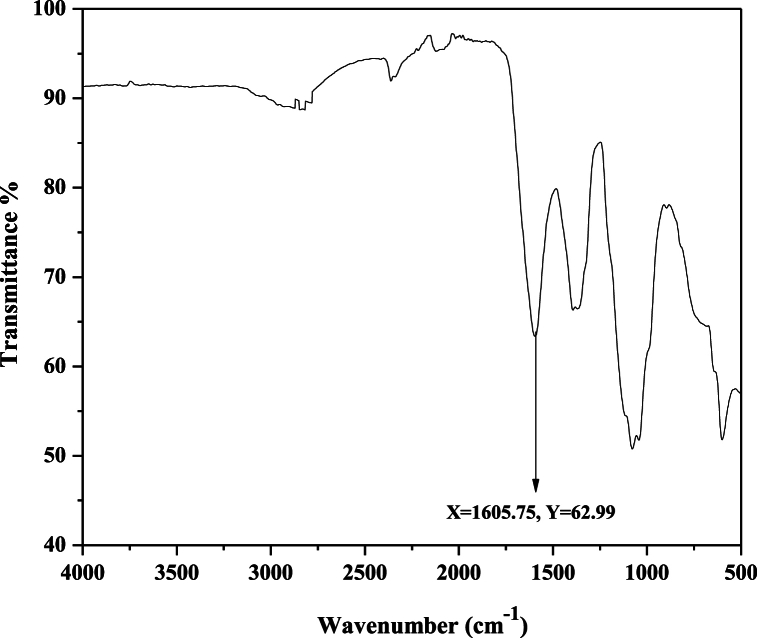
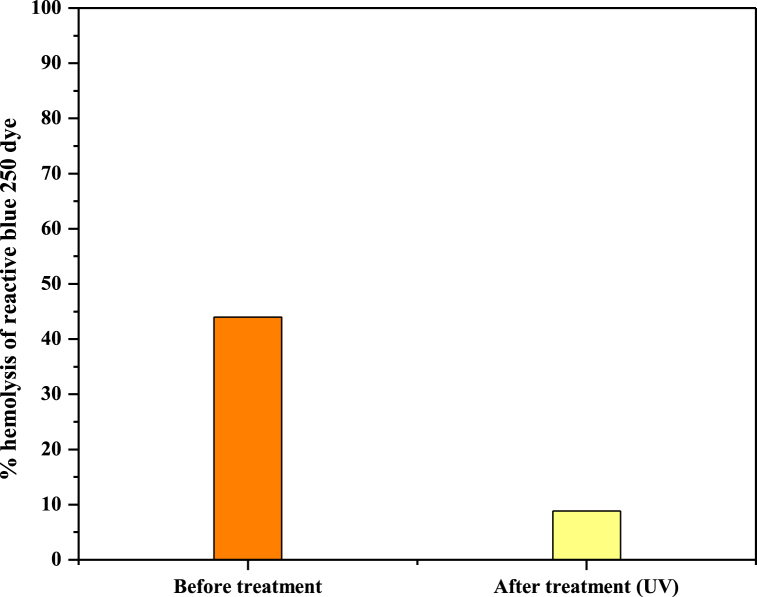
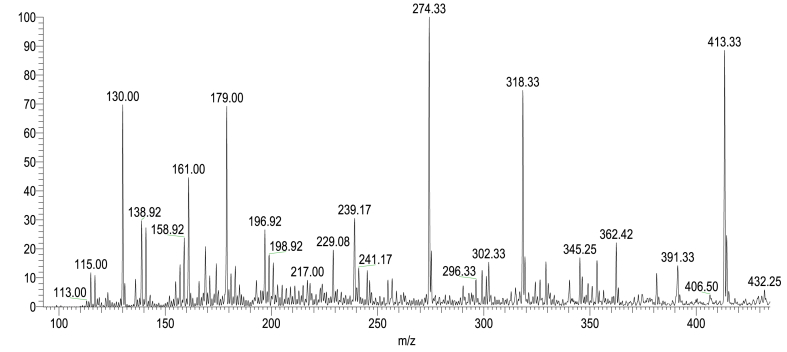
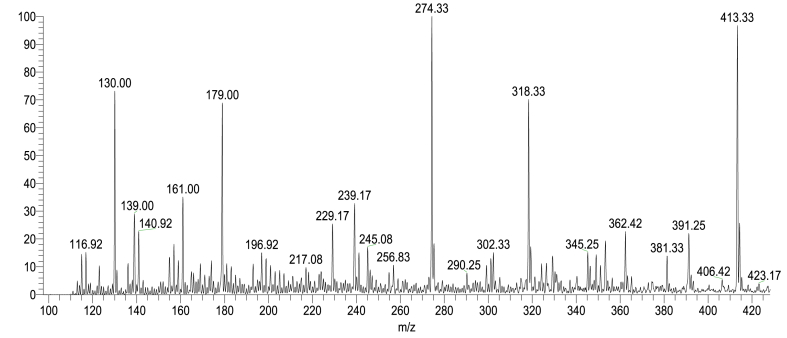
This research examined the effectiveness and feasibility of utilizing ultraviolet (UV) assisted photo-catalysis to treat wastewater effluents from textile production containing reactive blue 250 (RB 250) dye. Molecular oxygen and active species like O , HO , HO and OH play crucial roles in the degradation process. Additionally, the degradation of dyes is influenced by several factors, including dye concentration, duration of UV irradiation, pH levels, concentration of HO, and the catalyst. The concentration of HO and catalyst dose for the decolorization was studied at 0.6 mL and 0.5 g respectively. The discoloration was higher at low dye concentration, high HO concentration, acidic conditions and high catalyst concentration. The maximum degradation (97 %) of RB 250 dye was obtained in the presence of zinc oxide nanoparticles within 90 min. The extent of decolorization of the dye was determined by UV-Vis spectroscopy. Fourier transform infrared spectroscopy (FTIR) was employed to analyze the changes in functionalities after degradation. The disappearance of characteristic peaks associated with specific groups within the dye molecule confirmed the extensive degradation of RB 250 dye. LCMS analysis was conducted to examine the intermediates and a mechanistic degradation pathway was subsequently proposed. The cytotoxicity of the irradiated dye samples was evaluated through a hemolytic test both pre and post-treatment. The findings suggest that the UV/HO/ZnO treatment represents a promising approach for effectively degrading RB 250 dye.
本研究考察了利用紫外线(UV)辅助光催化处理含活性蓝250(RB 250)染料的纺织生产废水的有效性和可行性。分子氧以及诸如O、HO、HO和OH等活性物种在降解过程中起着关键作用。此外,染料的降解受多种因素影响,包括染料浓度、紫外线照射时间、pH值、HO浓度和催化剂。分别研究了用于脱色的HO浓度和催化剂用量,分别为0.6 mL和0.5 g。在低染料浓度、高HO浓度、酸性条件和高催化剂浓度下,脱色效果更好。在90分钟内,在氧化锌纳米颗粒存在的情况下,RB 250染料的降解率最高可达97%。通过紫外可见光谱法测定染料的脱色程度。采用傅里叶变换红外光谱(FTIR)分析降解后官能团的变化。与染料分子内特定基团相关的特征峰消失,证实了RB 250染料的广泛降解。进行液相色谱-质谱联用(LCMS)分析以检测中间体,并随后提出了降解机理途径。通过溶血试验对辐照前后的染料样品的细胞毒性进行了评估。研究结果表明,UV/HO/ZnO处理是有效降解RB 250染料的一种有前景的方法。