Bauer Christina A, Walton Gregory, Job Veronika, Stephens Nicole
University of Vienna, Austria.
Stanford University, CA, USA.
Soc Psychol Personal Sci. 2025 Jan;16(1):45-55. doi: 10.1177/19485506241284806. Epub 2024 Oct 20.
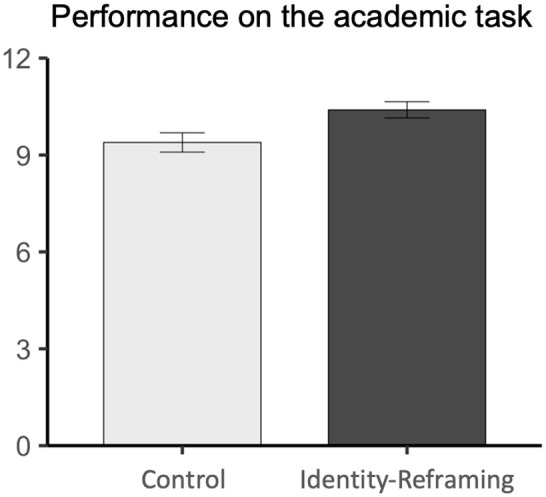
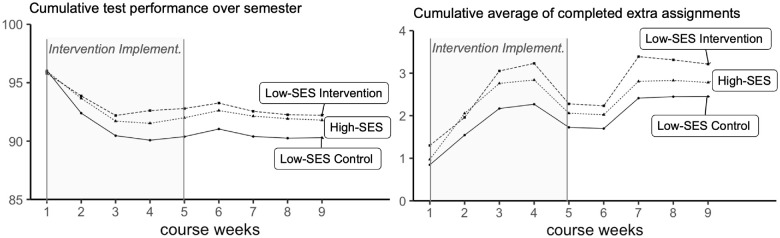
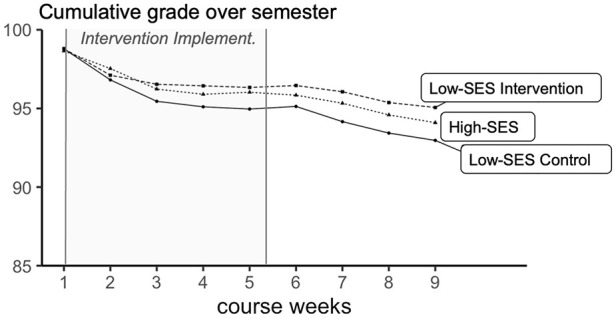
Students from low-socioeconomic status (SES) backgrounds such as first-generation or low-income students are often portrayed as deficient, lacking in skills and potential to succeed at university. We hypothesized that such representations lead low-SES students to see their SES-identity as a barrier to success and impair achievement. If so, reframing low-SES students' identity as a source of strength may help them succeed. Testing this hypothesis in a highly scalable form, we developed an online low-SES-identity-reframing exercise. In Experiment 1 ( = 214), this exercise helped low-SES students to see their SES-identity more as a source of success and boosted their performance on an academic task by 13%. In Experiment 2, a large randomized-controlled intervention field experiment ( = 786), we implemented the identity-reframing intervention in a university's online learning program. This improved low-SES students' grades over the semester. Recognizing the strengths low-SES students bring to university can help students access these strengths and apply them to schooling.
来自低社会经济地位(SES)背景的学生,如第一代大学生或低收入家庭学生,常常被描绘为有缺陷,缺乏在大学取得成功的技能和潜力。我们假设,这种认知会使低SES学生将他们的SES身份视为成功的障碍,并影响成绩。如果是这样,将低SES学生的身份重新定义为力量源泉可能会帮助他们取得成功。为了以高度可扩展的形式验证这一假设,我们开发了一种在线低SES身份重塑练习。在实验1(n = 214)中,这种练习帮助低SES学生更多地将他们的SES身份视为成功的源泉,并使他们在一项学术任务中的表现提高了13%。在实验2中,我们进行了一项大型随机对照干预现场实验(n = 786),在一所大学的在线学习项目中实施了身份重塑干预。这提高了低SES学生整个学期的成绩。认识到低SES学生带入大学的优势可以帮助学生发掘这些优势并将其应用于学业。