Department of Internal Medicine IV, Division of Endocrinology, Diabetology and Nephrology, University Hospital of Tübingen, Tübingen, Germany.
Institute for Diabetes Research and Metabolic Diseases (IDM) of the Helmholtz Centre Munich at the University of Tübingen, Tübingen, Germany.
BMC Med. 2024 Nov 26;22(1):558. doi: 10.1186/s12916-024-03771-8.
The potential impact of specific food additives, common in Western diets, on the risk of developing type 2 diabetes is not well understood. This study focuses on carrageenan, a widely used food additive known to induce insulin resistance and gut inflammation in animal models, and its effects on human health.
In a randomised, double-blind, placebo-controlled, cross-over trial conducted at a university hospital metabolic study centre, 20 males (age 27.4 ± 4.3 years, BMI 24.5 ± 2.5 kg/m) participated. The intervention involved oral intake of carrageenan (250 mg) or placebo in the morning and in the evening and each intervention lasted 2 weeks. The primary outcome measured was insulin sensitivity (using oral glucose tolerance test [OGTT] and hyperinsulinaemic-euglycaemic clamp). Additional end-points included whole body and hepatic insulin sensitivity, MRI-measured brain inflammation and insulin resistance, intestinal permeability (via lactulose-mannitol test and plasma zonulin levels), and gut microbiome composition. Immune-cell activation and pro-inflammatory cytokine release from peripheral blood mononuclear cells were measured.
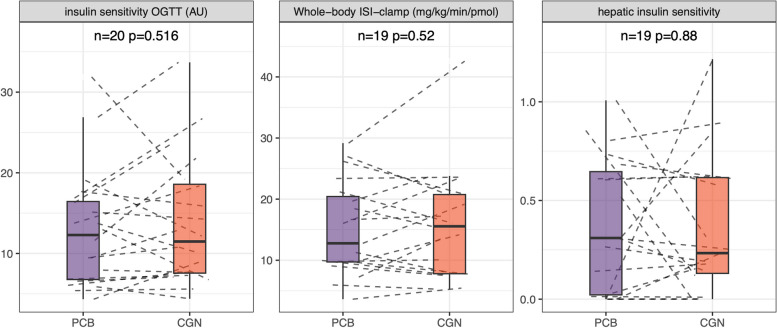
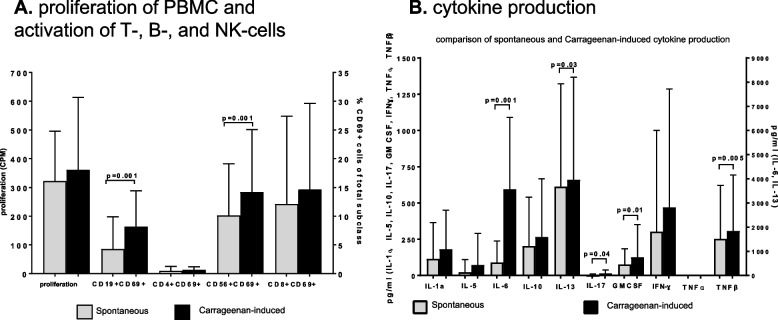
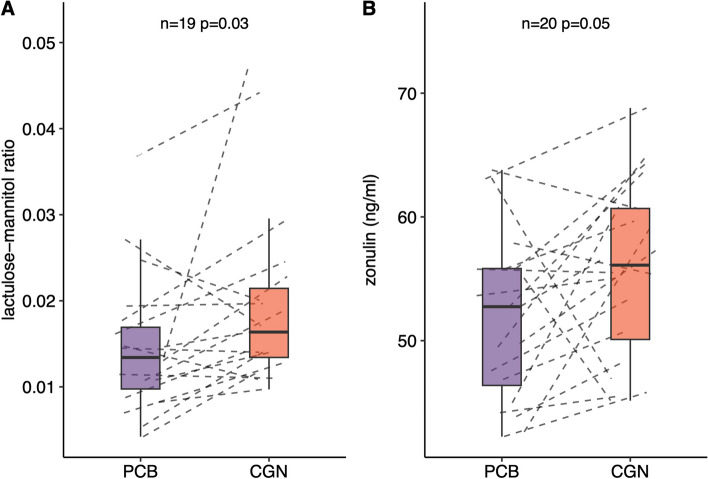
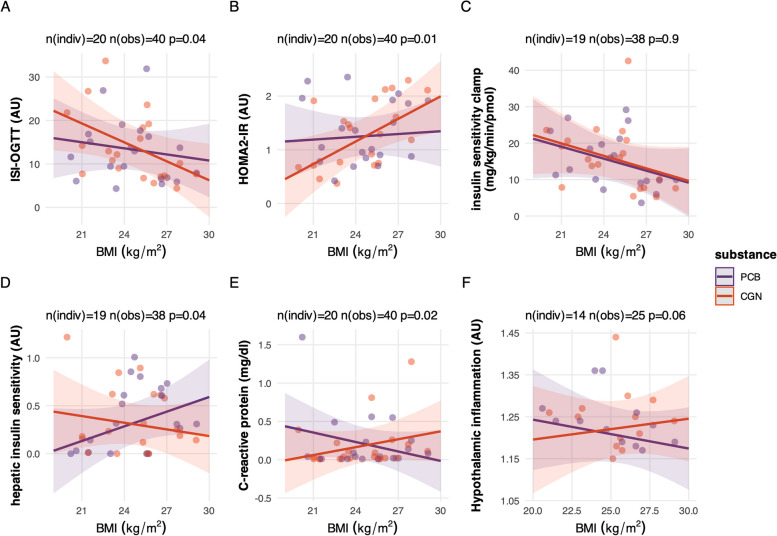
Overall insulin sensitivity did not show significant differences between the treatments. However, interactions between BMI and treatment were observed (OGTT-based insulin sensitivity index: p=0.04, fasting insulin resistance: p=0.01, hepatic insulin sensitivity index: p=0.04). In overweight participants, carrageenan exposure resulted in lower whole body and hepatic insulin sensitivity, a trend towards increased brain inflammation, and elevated C-reactive protein (CRP) and IL-6 levels compared to placebo. Additionally, carrageenan was associated with increased intestinal permeability. In vitro natural killer (NK-)cell activation and increased pro-inflammatory cytokine release were found after carrageenan exposure in the participant's peripheral blood mononuclear cells.
These findings suggest that carrageenan, a common food additive, may contribute to insulin resistance and subclinical inflammation in overweight individuals through pro-inflammatory mechanisms in the gut. Further investigation into the long-term health impacts of carrageenan and other food additives is warranted.
NCT02629705.
目前尚不清楚在西方饮食中常见的某些食品添加剂对 2 型糖尿病发病风险的潜在影响。本研究聚焦于卡拉胶,一种在动物模型中已被证实具有诱导胰岛素抵抗和肠道炎症的广泛应用的食品添加剂,并探讨其对人类健康的影响。
在一家大学医院代谢研究中心开展的一项随机、双盲、安慰剂对照、交叉试验中,共有 20 名男性(年龄 27.4 ± 4.3 岁,BMI 24.5 ± 2.5 kg/m)参与。干预措施包括早晚口服卡拉胶(250mg)或安慰剂,每次干预持续 2 周。主要终点是通过口服葡萄糖耐量试验(OGTT)和高胰岛素-正葡萄糖钳夹试验评估胰岛素敏感性。其他终点包括全身和肝脏胰岛素敏感性、MRI 测量的脑炎症和胰岛素抵抗、肠通透性(通过乳果糖-甘露醇试验和血浆肠通透素水平测量)以及肠道微生物组组成。还测量了外周血单核细胞的免疫细胞激活和促炎细胞因子释放。
总体而言,两种处理方式之间的胰岛素敏感性没有显著差异。然而,观察到 BMI 和处理之间存在交互作用(基于 OGTT 的胰岛素敏感指数:p=0.04,空腹胰岛素抵抗:p=0.01,肝脏胰岛素敏感性指数:p=0.04)。在超重参与者中,与安慰剂相比,暴露于卡拉胶会导致全身和肝脏胰岛素敏感性降低、脑炎症趋势增加以及 C 反应蛋白(CRP)和白细胞介素 6(IL-6)水平升高。此外,卡拉胶与肠通透性增加有关。在参与者的外周血单核细胞中,发现卡拉胶暴露后自然杀伤(NK)细胞的体外激活和促炎细胞因子释放增加。
这些发现表明,卡拉胶作为一种常见的食品添加剂,可能通过肠道中的促炎机制,导致超重个体发生胰岛素抵抗和亚临床炎症。有必要进一步研究卡拉胶和其他食品添加剂对长期健康的影响。
NCT02629705。