Institute of Anatomy and Cell Biology, University Medical Center Goettingen, Georg-August-University Goettingen, Kreuzbergring 36, 37075 Göttingen, Germany.
Int J Mol Sci. 2024 Nov 14;25(22):12226. doi: 10.3390/ijms252212226.
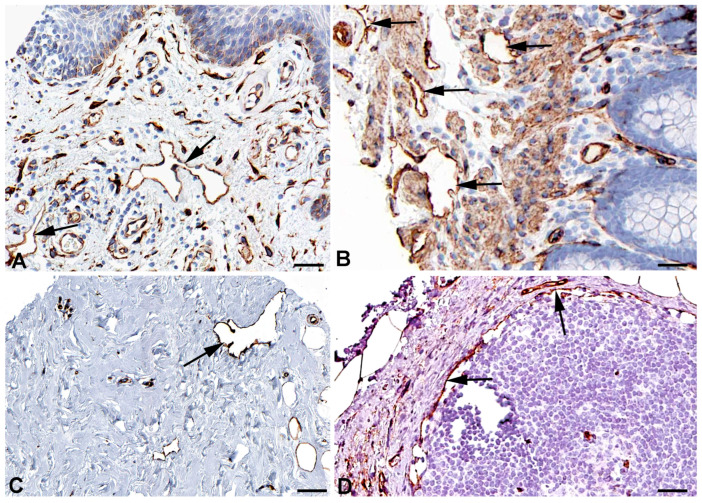
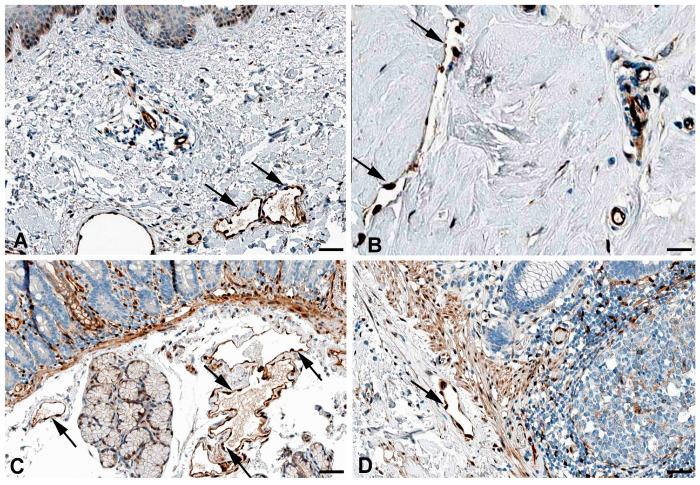
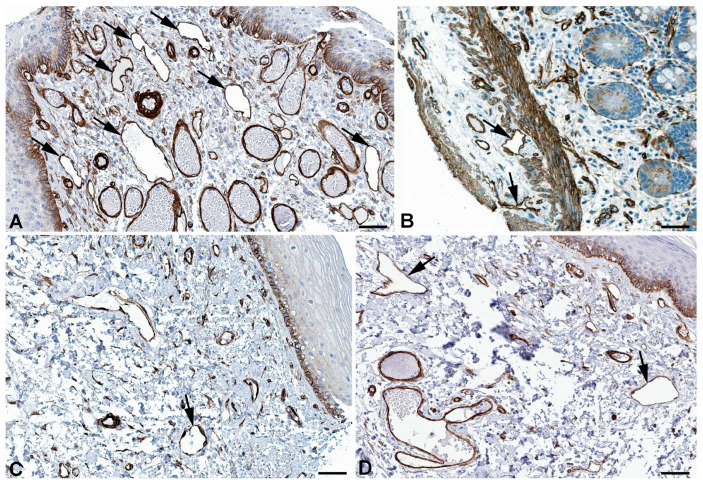
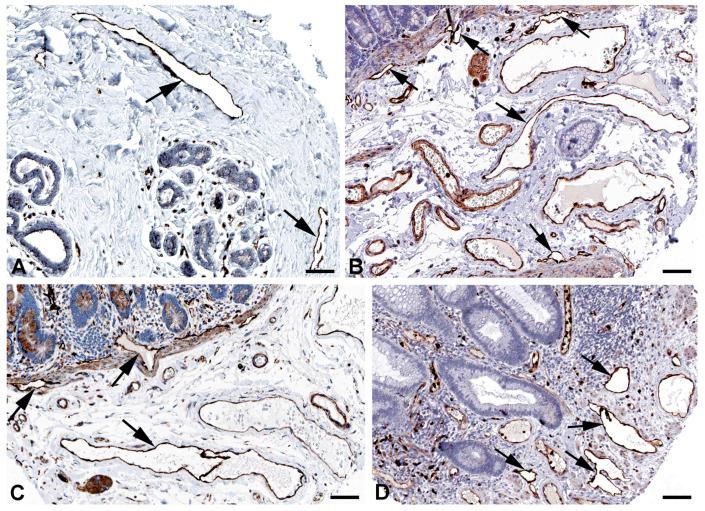
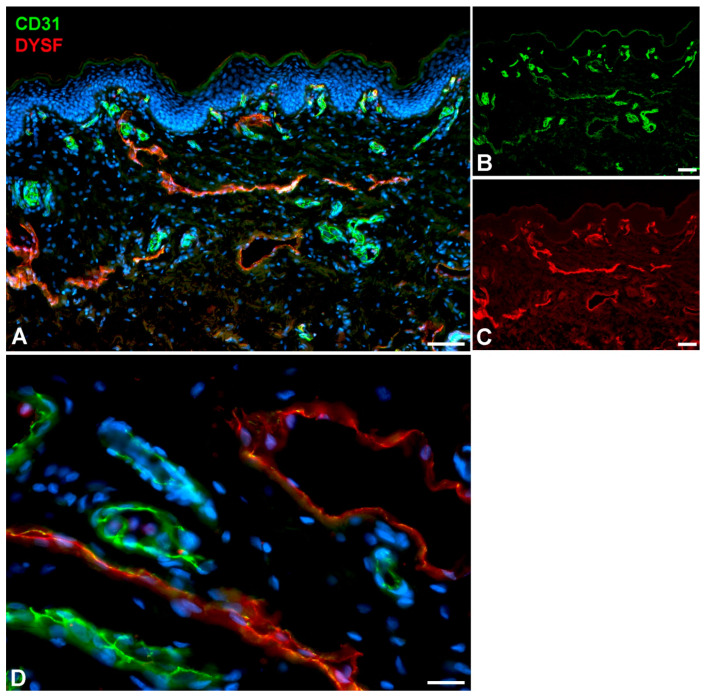
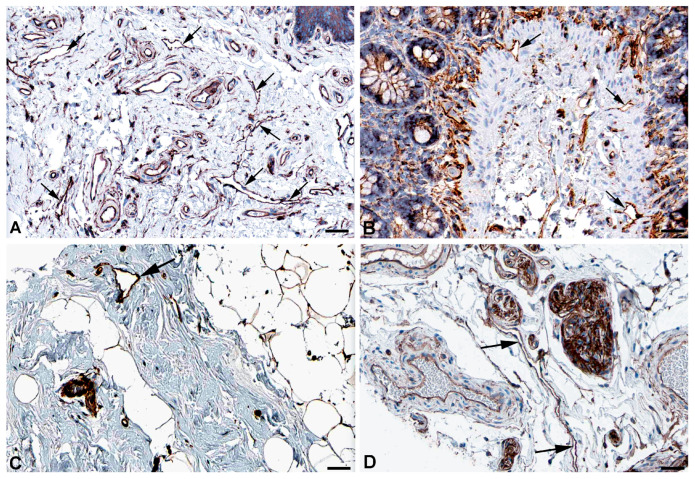
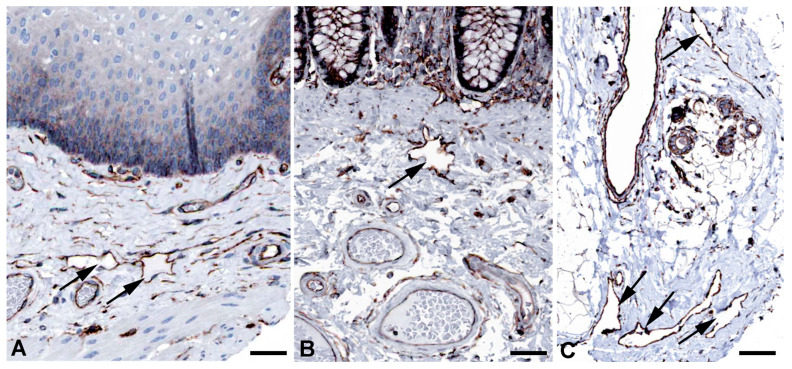
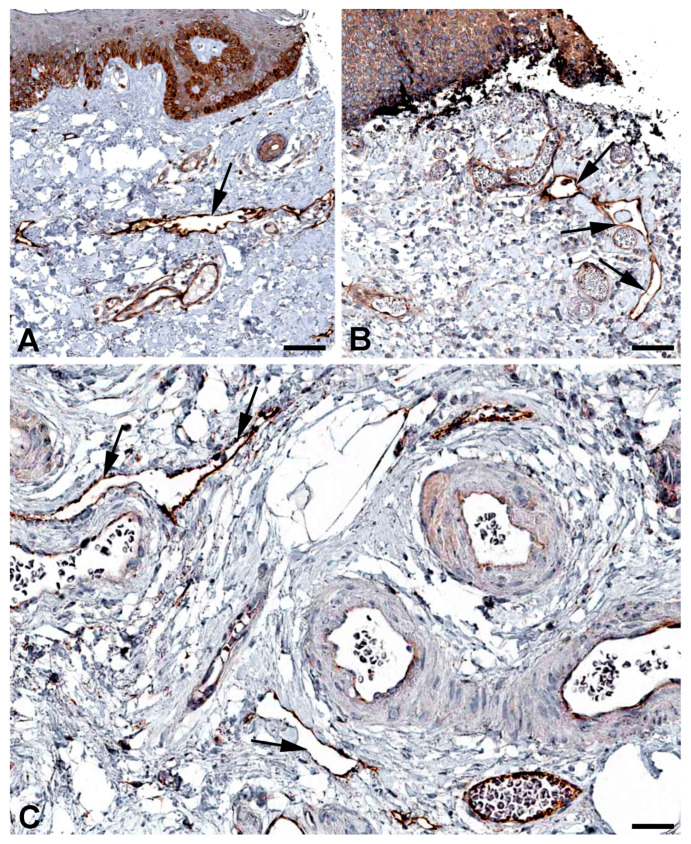
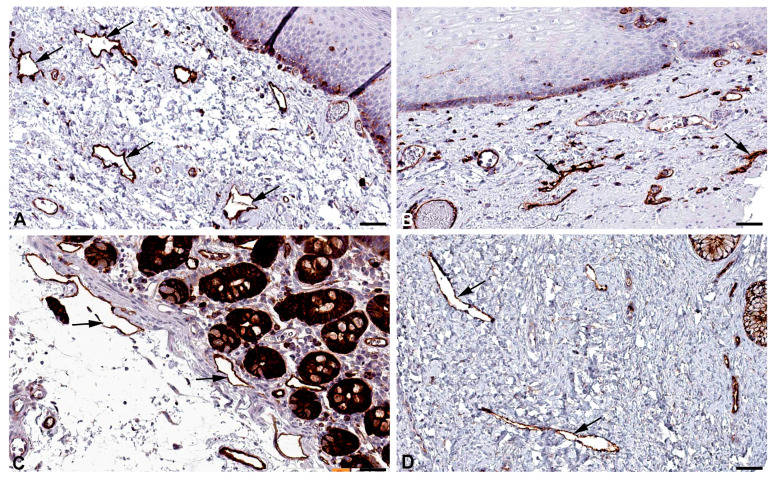
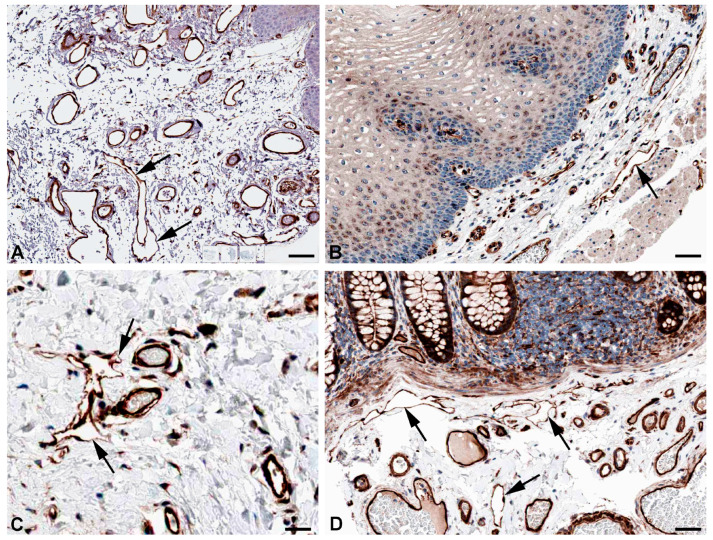
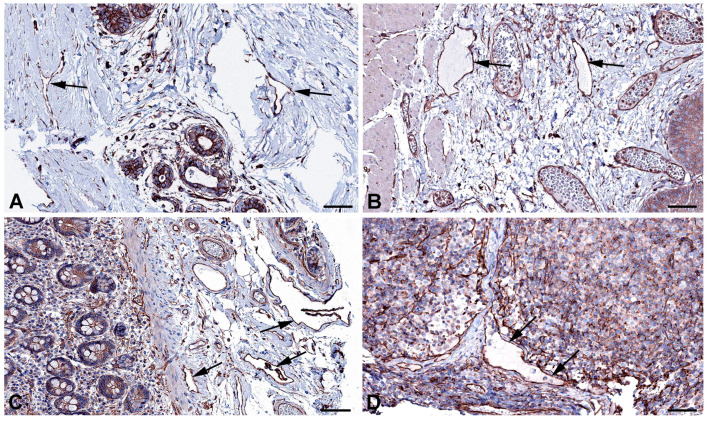
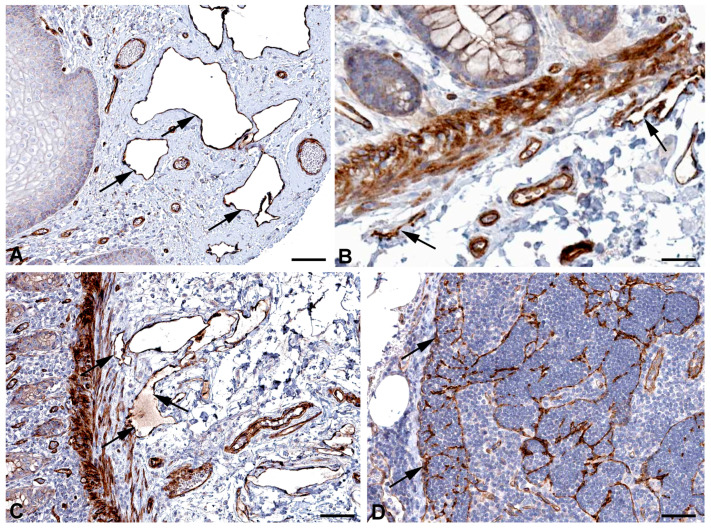
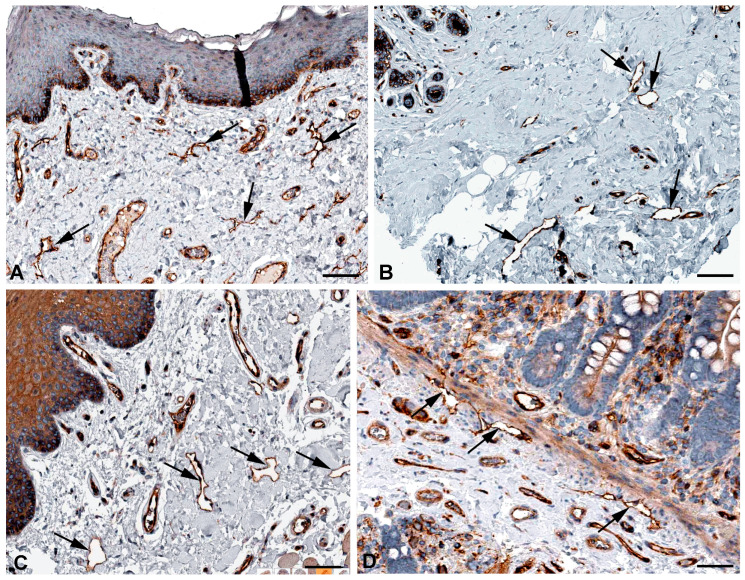
A number of standard molecules are used for the molecular and histological characterization of lymphatic endothelial cells (LECs), including lymphatic vessel endothelial hyaluronan receptor 1 (LYVE1), Podoplanin (D2-40), VEGFR3, Prospero homeobox protein 1 (PROX1), and CD31. The number of molecules whose mutations cause lymphatic malformations or primary congenital lymphedema is considerable, but the majority of these diseases have not yet been characterized at the molecular level. Therefore, there is still considerable scope for molecular and functional studies of the lymphatic vasculature. Using RNASeq, we have previously characterized lymphatic endothelial cells (LECs) under normoxic and hypoxic conditions. We used this information to compare it with immunohistochemical data. We carried out some of the immunohistology ourselves, and systematically studied the Human Protein Atlas, a cell and tissue database based in Sweden. Here we describe molecules that are expressed at RNA and protein levels in LECs, hoping to stimulate future functional studies of these molecules.
有许多标准分子被用于淋巴管内皮细胞(LEC)的分子和组织学特征鉴定,包括淋巴管内皮透明质酸受体 1(LYVE1)、Podoplanin(D2-40)、VEGFR3、Prospero 同源框蛋白 1(PROX1)和 CD31。导致淋巴管畸形或先天性淋巴水肿的分子突变数量相当可观,但这些疾病中的大多数尚未在分子水平上进行特征鉴定。因此,淋巴管系统的分子和功能研究仍有很大的空间。我们之前使用 RNASeq 对正常氧和低氧条件下的淋巴管内皮细胞(LEC)进行了特征鉴定。我们利用这些信息与免疫组织化学数据进行了比较。我们自己进行了一些免疫组织化学实验,并系统地研究了基于瑞典的细胞和组织数据库——人类蛋白质图谱。在这里,我们描述了在 LEC 中表达的 RNA 和蛋白质水平的分子,希望能激发对这些分子的未来功能研究。