Choate Kristian A, Pratt Evan P S, Jennings Matthew J, Winn Robert J, Mann Paul B
Upper Michigan Brain Tumor Center, Northern Michigan University, Marquette, MI 49855, USA.
Department of Chemistry, Northern Michigan University, Marquette, MI 49855, USA.
Biology (Basel). 2024 Oct 30;13(11):885. doi: 10.3390/biology13110885.
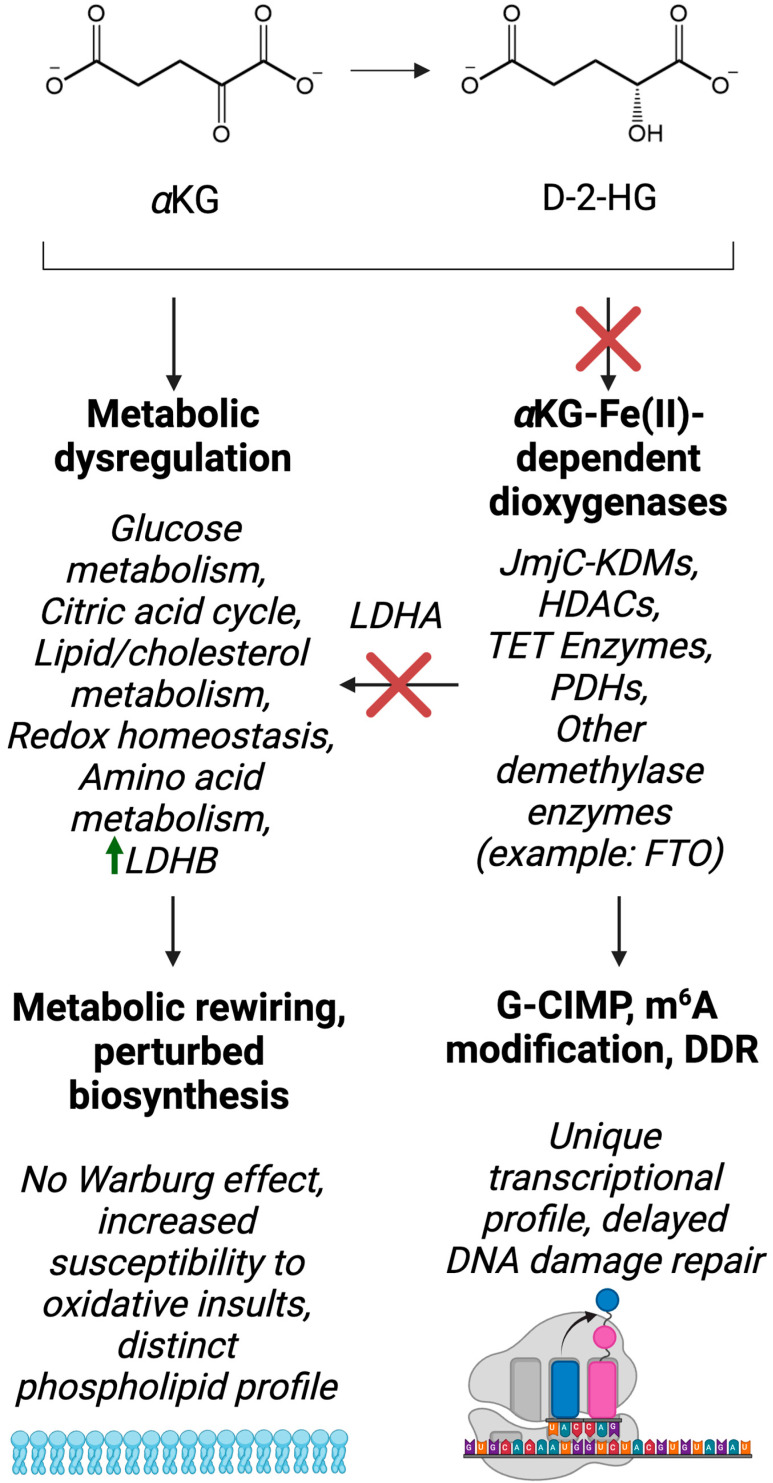
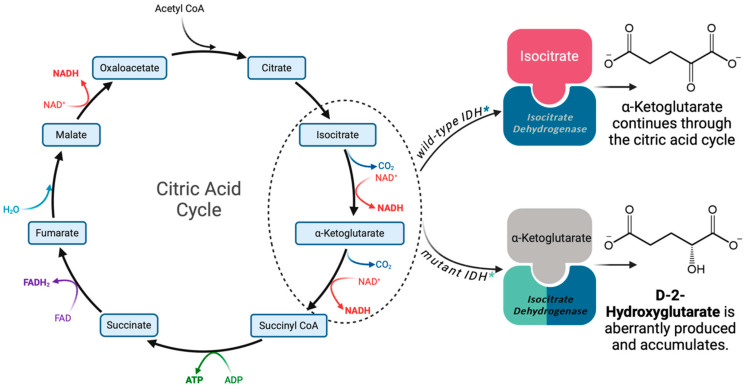
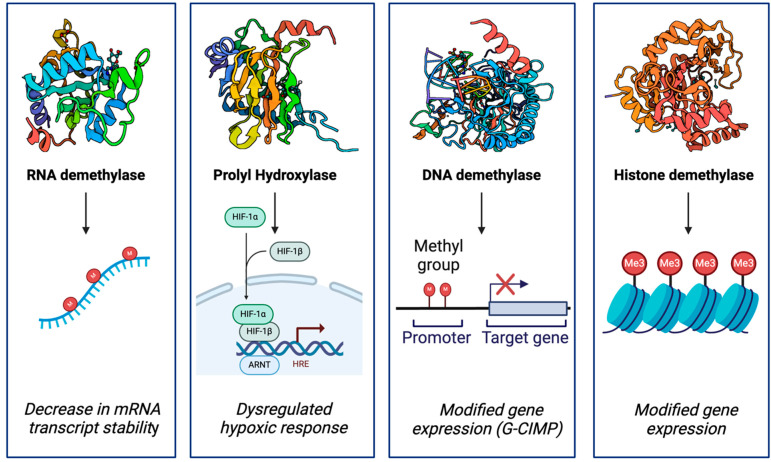
In 2021, the World Health Organization classified isocitrate dehydrogenase () mutant gliomas as a distinct subgroup of tumors with genetic changes sufficient to enable a complete diagnosis. Patients with an mutant glioma have improved survival which has been further enhanced by the advent of targeted therapies. enzymes contribute to cellular metabolism, and mutations to specific catalytic residues result in the neomorphic production of D-2-hydroxyglutarate (D-2-HG). The accumulation of D-2-HG results in epigenetic alterations, oncogenesis and impacts the tumor microenvironment via immunological modulations. Here, we summarize the molecular, cellular, and clinical implications of mutations in gliomas as well as current diagnostic techniques.
2021年,世界卫生组织将异柠檬酸脱氢酶()突变型胶质瘤归类为具有足以进行完整诊断的基因变化的独特肿瘤亚组。异柠檬酸脱氢酶()突变型胶质瘤患者的生存率有所提高,靶向治疗的出现进一步提高了生存率。异柠檬酸脱氢酶()有助于细胞代谢,特定催化残基的突变导致D-2-羟基戊二酸(D-2-HG)的新形态产生。D-2-HG的积累导致表观遗传改变、肿瘤发生,并通过免疫调节影响肿瘤微环境。在这里,我们总结了胶质瘤中异柠檬酸脱氢酶()突变的分子、细胞和临床意义以及当前的诊断技术。