André Rebeca, Gomes Ana Patrícia, Pereira-Leite Catarina, Marques-da-Costa António, Monteiro Rodrigues Luis, Sassano Michael, Rijo Patricia, Costa Maria do Céu
Escola de Ciências e Tecnologias da Saúde (ECTS), CBIOS-Universidade Lusófona's Research Center for Biosciences & Health Technologies, Campo Grande 376, 1749-024 Lisboa, Portugal.
SOMAÍ Pharmaceuticals, R. 13 de Maio 52, 2580-507 Carregado, Portugal.
Pharmaceuticals (Basel). 2024 Nov 17;17(11):1543. doi: 10.3390/ph17111543.
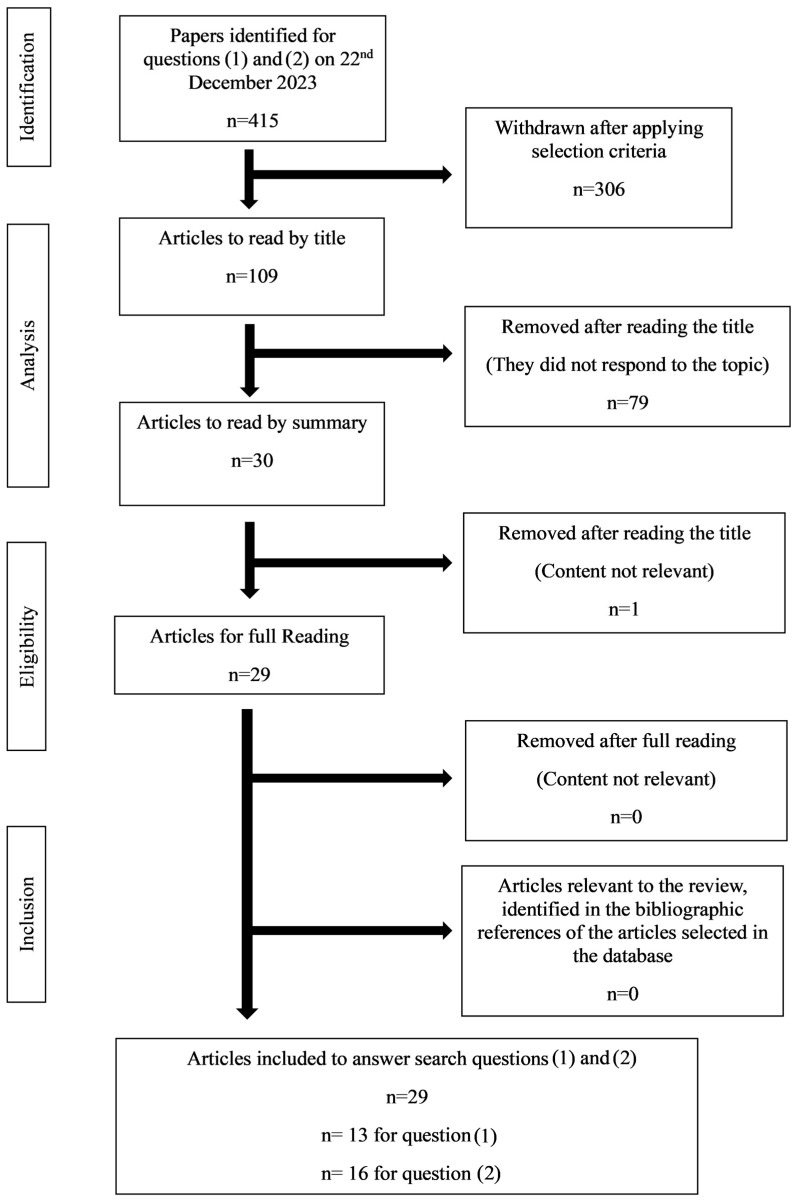
This study explores the complementary or synergistic effects of medicinal cannabis constituents, particularly terpenes, concerning their therapeutic potential, known as the entourage effect. A systematic review of the literature on cannabis "entourage effects" was conducted using the PRISMA model. Two research questions directed the review: (1) What are the physiological effects of terpenes and terpenoids found in cannabis? (2) What are the proven "entourage effects" of terpenes in cannabis? The initial approach involved an exploratory search in electronic databases using predefined keywords and Boolean phrases across PubMed/MEDLINE, Web of Science, and EBSCO databases using Medical Subject Headings (MeSH). Analysis of published studies shows no evidence of neuroprotective or anti-aggregatory effects of -pinene and -pinene against -amyloid-mediated toxicity; however, modest lipid peroxidation inhibition by -pinene, pinene, and terpinolene may contribute to the multifaceted neuroprotection properties of these L. prevalent monoterpenes and the triterpene friedelin. Myrcene demonstrated anti-inflammatory proprieties topically; however, in combination with CBD, it did not show significant additional differences. Exploratory evidence suggests various therapeutic benefits of terpenes, such as myrcene for relaxation; linalool as a sleep aid and to relieve exhaustion and mental stress; D-limonene as an analgesic; caryophyllene for cold tolerance and analgesia; valencene for cartilage protection; borneol for antinociceptive and anticonvulsant potential; and eucalyptol for muscle pain. While exploratory research suggests terpenes as influencers in the therapeutic benefits of cannabinoids, the potential for synergistic or additive enhancement of cannabinoid efficacy by terpenes remains unproven. Further clinical trials are needed to confirm any terpenes "entourage effects."
本研究探讨了药用大麻成分,特别是萜类化合物,在其治疗潜力方面的互补或协同作用,即所谓的“整体效应”。使用PRISMA模型对有关大麻“整体效应”的文献进行了系统综述。该综述围绕两个研究问题展开:(1)大麻中发现的萜类化合物和萜烯类化合物的生理效应是什么?(2)大麻中萜类化合物已被证实的“整体效应”是什么?最初的方法是在电子数据库中进行探索性搜索,使用预定义的关键词和布尔短语,通过医学主题词(MeSH)在PubMed/MEDLINE、科学网和EBSCO数据库中进行搜索。对已发表研究的分析表明,没有证据显示α-蒎烯和β-蒎烯对β-淀粉样蛋白介导的毒性具有神经保护或抗聚集作用;然而,α-蒎烯、β-蒎烯和萜品油烯对脂质过氧化的适度抑制作用,可能有助于这些常见单萜和三萜类化合物木栓酮的多方面神经保护特性。月桂烯局部表现出抗炎特性;然而,与CBD联合使用时,并未显示出显著的额外差异。探索性证据表明萜类化合物具有多种治疗益处,如月桂烯有助于放松;芳樟醇有助于睡眠、缓解疲劳和精神压力;D-柠檬烯具有镇痛作用;石竹烯有助于耐寒和镇痛;瓦伦烯有助于保护软骨;冰片具有抗伤害感受和抗惊厥潜力;桉叶油有助于缓解肌肉疼痛。虽然探索性研究表明萜类化合物是大麻素治疗益处的影响因素,但萜类化合物对大麻素功效的协同或累加增强作用仍未得到证实。需要进一步的临床试验来确认任何萜类化合物的“整体效应”。