Shafi Hasham, Lora Andrea J, Donow Haley M, Dickinson Sally E, Wondrak Georg T, Chow H-H Sherry, Curiel-Lewandrowski Clara, Mansour Heidi M
Florida International University Center for Translational Science, Port St. Lucie, FL 34987, USA.
University of Arizona Cancer Center, University of Arizona, Tucson, AZ 85724, USA.
Pharmaceutics. 2024 Nov 1;16(11):1409. doi: 10.3390/pharmaceutics16111409.
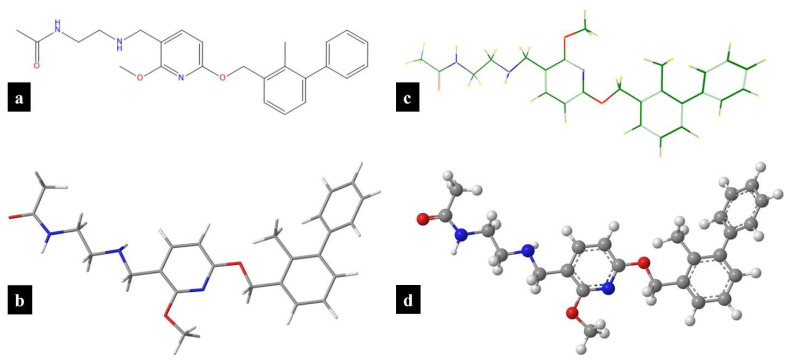
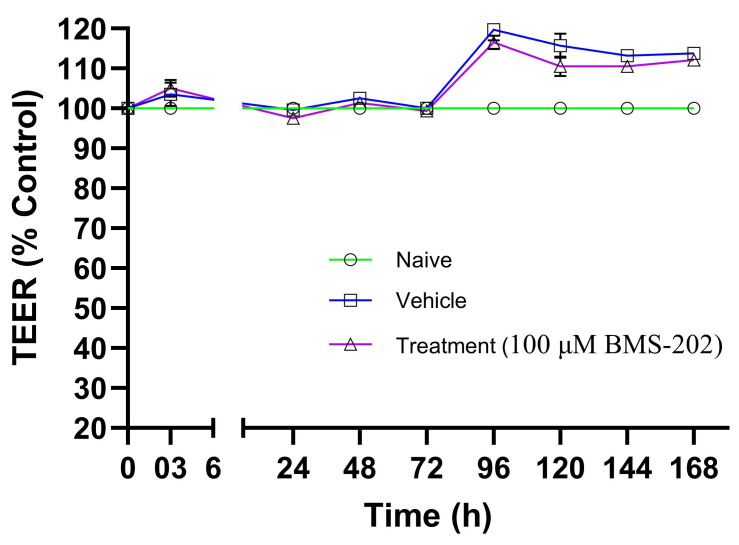
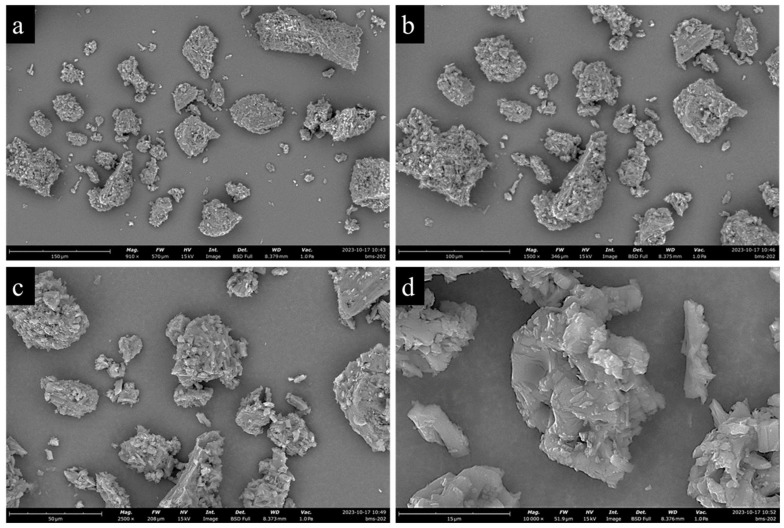
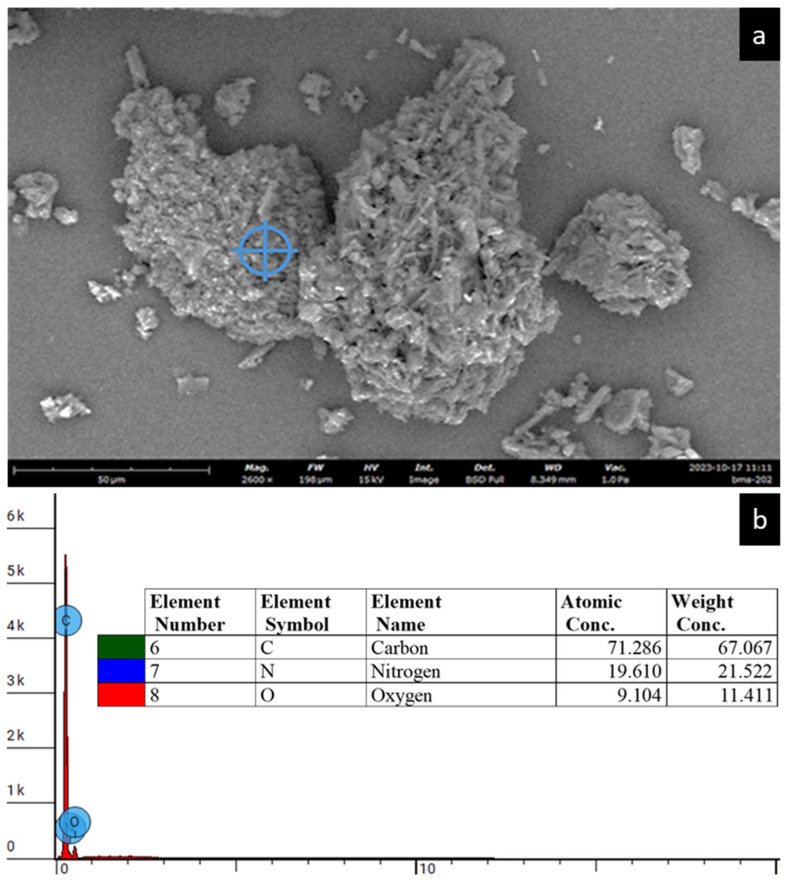
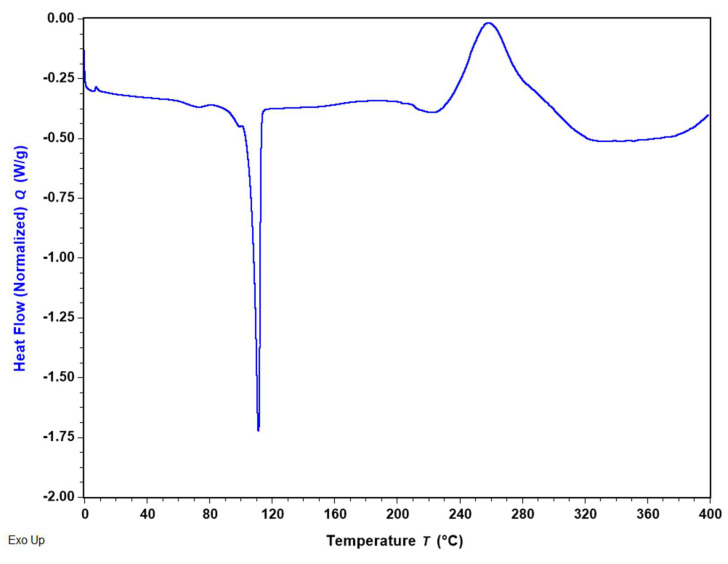
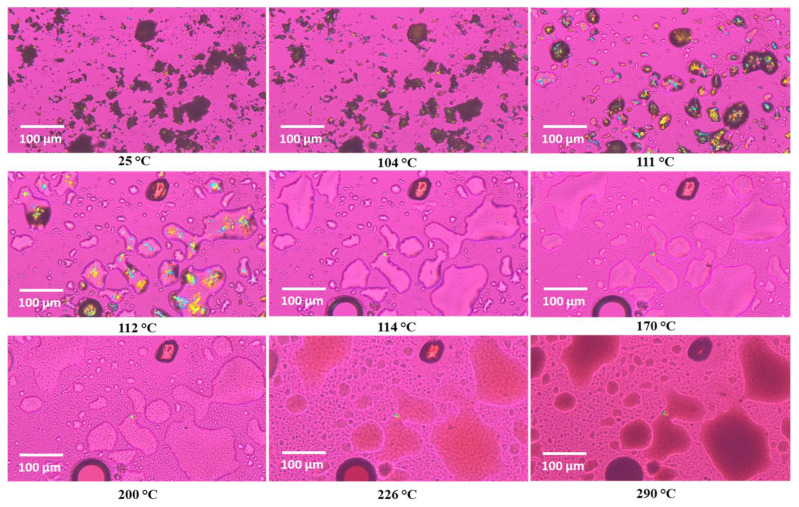
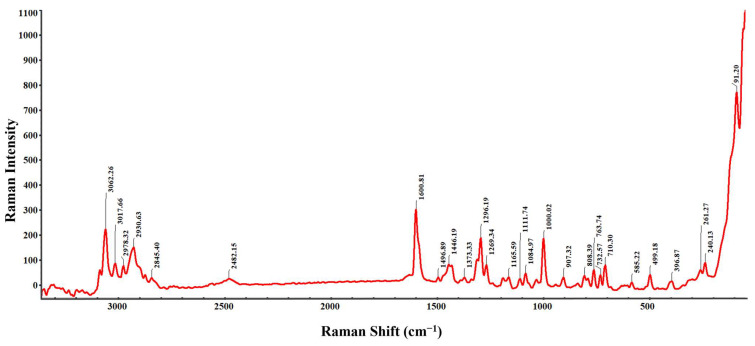
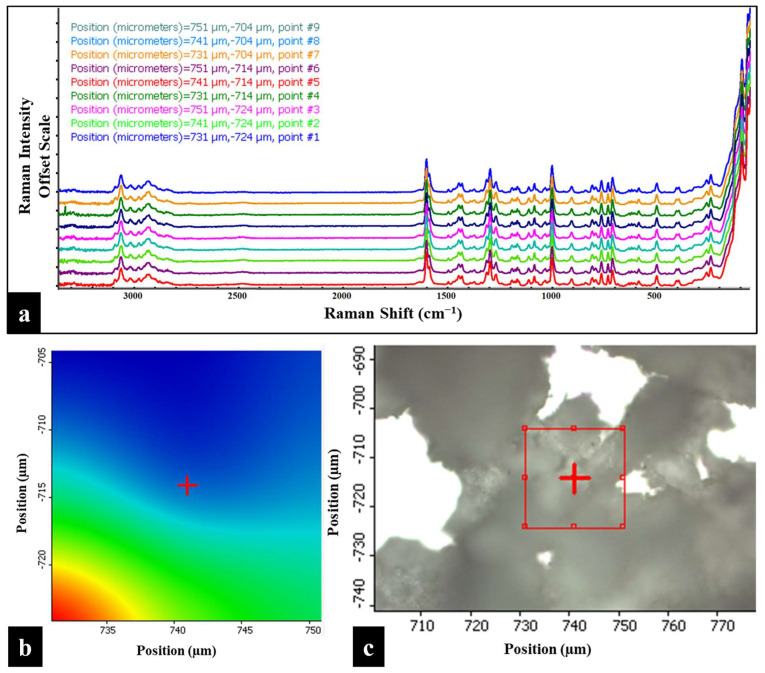
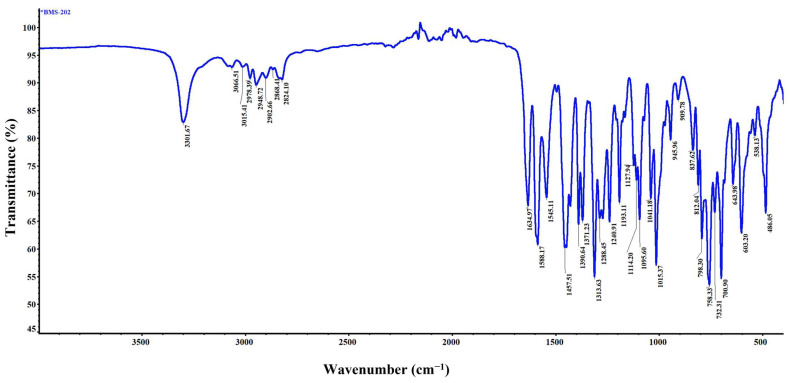
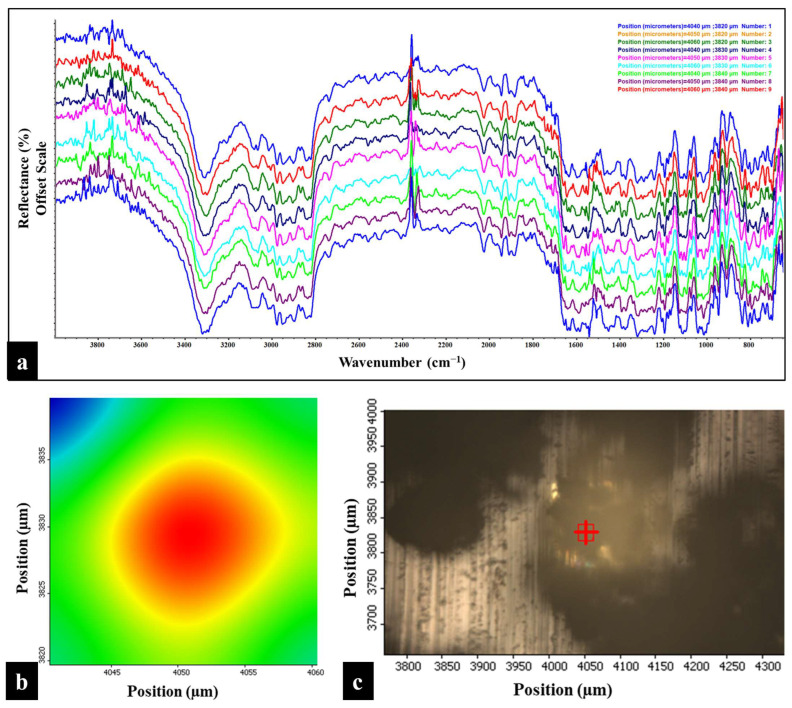
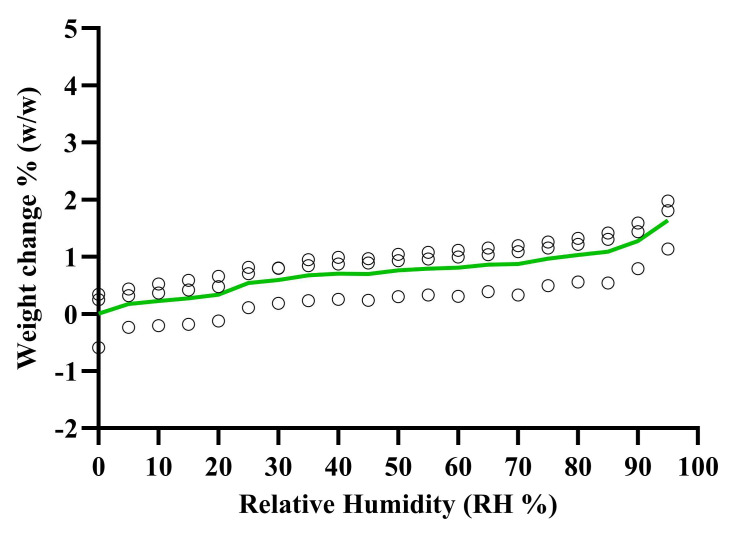
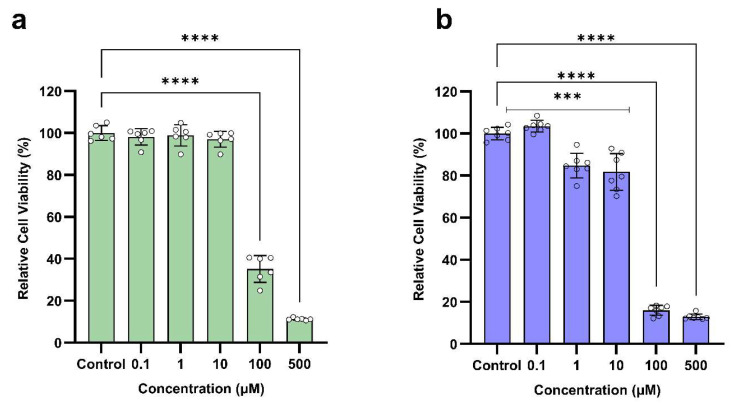
BMS-202, is a potent small molecule with demonstrated antitumor activity. The study aimed to comprehensively characterize the physical and chemical properties of BMS-202 and evaluate its suitability for topical formulation, focusing on uniformity, stability and safety profiles. A range of analytical techniques were employed to characterize BMS-202. Scanning Electron Microscopy (SEM) was used to assess morphology, Differential Scanning Calorimetry (DSC) provided insights of thermal behavior, and Hot-Stage Microscopy (HSM) corroborated these thermal behaviors. Molecular fingerprinting was conducted using Raman spectroscopy and Fourier Transform Infrared (FTIR) spectroscopy, with chemical uniformity of the batch further validated by mapping through FTIR and Raman microscopies. The residual water content was measured using Karl Fisher Coulometric titration, and vapor sorption isotherms examined moisture uptake across varying relative humidity levels. In vitro safety assessments involved testing with skin epithelial cell lines, such as HaCaT and NHEK, and Transepithelial Electrical Resistance (TEER) to evaluate barrier integrity. SEM revealed a distinctive needle-like morphology, while DSC indicated a sharp melting point at 110.90 ± 0.54 ℃ with a high enthalpy of 84.41 ± 0.38 J/g. HSM confirmed the crystalline-to-amorphous transition at the melting point. Raman and FTIR spectroscopy, alongside chemical imaging, confirmed chemical uniformity as well as validated the batch consistency. A residual water content of 2.76 ± 1.37 % (/) and minimal moisture uptake across relative humidity levels demonstrated its low hygroscopicity and suitability for topical formulations. Cytotoxicity testing showed dose-dependent reduction in skin epithelial cell viability at high concentrations (100 µM and 500 µM), with lower doses (0.1 µM to 10 µM) demonstrating acceptable safety. TEER studies indicated that BMS-202 does not disrupt the HaCaT cell barrier function. The findings from this study establish that BMS-202 has promising physicochemical and in vitro characteristics at therapeutic concentrations for topical applications, providing a foundation for future formulation development focused on skin-related cancers or localized immune modulation.
BMS-202是一种具有抗肿瘤活性的强效小分子。该研究旨在全面表征BMS-202的物理和化学性质,并评估其用于局部制剂的适用性,重点关注均匀性、稳定性和安全性。采用了一系列分析技术来表征BMS-202。扫描电子显微镜(SEM)用于评估形态,差示扫描量热法(DSC)提供热行为的见解,热台显微镜(HSM)证实了这些热行为。使用拉曼光谱和傅里叶变换红外(FTIR)光谱进行分子指纹识别,并通过FTIR和拉曼显微镜测绘进一步验证批次的化学均匀性。使用卡尔费休库仑滴定法测量残留水分含量,并通过蒸汽吸附等温线研究不同相对湿度水平下的吸湿情况。体外安全性评估包括用皮肤上皮细胞系(如HaCaT和NHEK)进行测试,以及用跨上皮电阻(TEER)评估屏障完整性。SEM显示出独特的针状形态,而DSC表明熔点为110.90±0.54℃,焓值较高,为84.41±0.38 J/g。HSM证实了在熔点处的晶态到非晶态转变。拉曼光谱和FTIR光谱以及化学成像证实了化学均匀性,并验证了批次一致性。残留水分含量为2.76±1.37%(/),在不同相对湿度水平下吸湿极少,表明其吸湿性低且适用于局部制剂。细胞毒性测试表明,高浓度(100μM和500μM)时皮肤上皮细胞活力呈剂量依赖性降低,低剂量(0.1μM至10μM)显示出可接受的安全性。TEER研究表明,BMS-202不会破坏HaCaT细胞屏障功能。该研究的结果表明,BMS-202在治疗浓度下具有用于局部应用的有前景的物理化学和体外特性,为未来针对皮肤相关癌症或局部免疫调节的制剂开发奠定了基础。