Ścieżyńska Dominika, Majewski Maciej, Nath Susmita, Bury Dominika, Jastrzębska Agnieszka, Bogacki Jan, Marcinowski Piotr
Faculty of Building Services, Hydro and Environmental Engineering, Warsaw University of Technology, Ul. Nowowiejska 20 00-653, Warsaw, Poland.
Faculty of Mechatronics, Warsaw University of Technology, Ul. Św. Andrzeja Boboli 8, 02-525, Warsaw, Poland.
Environ Sci Pollut Res Int. 2024 Dec;31(58):66090-66102. doi: 10.1007/s11356-024-35646-z. Epub 2024 Nov 30.
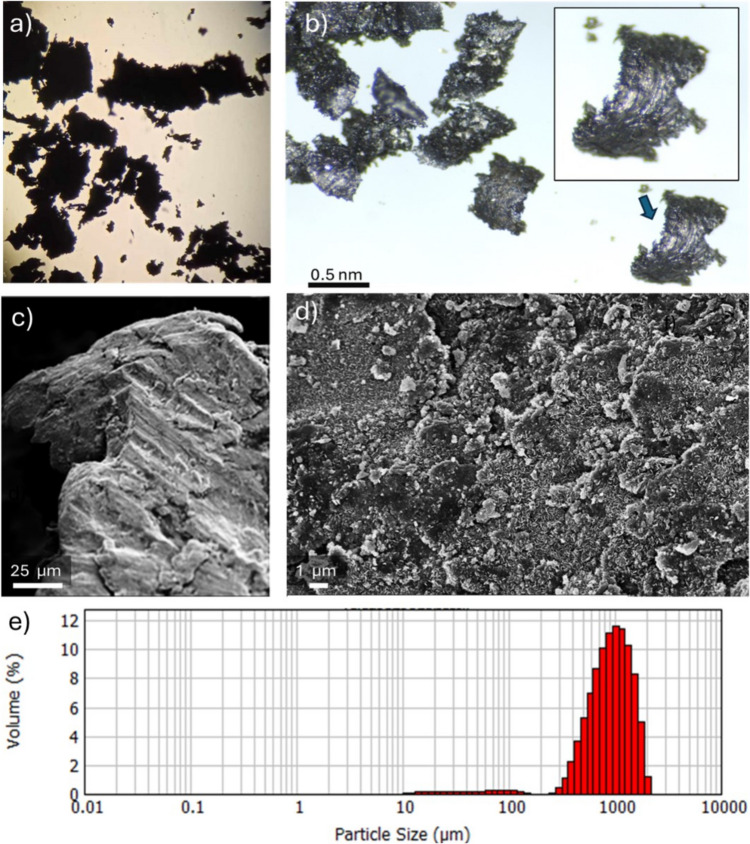
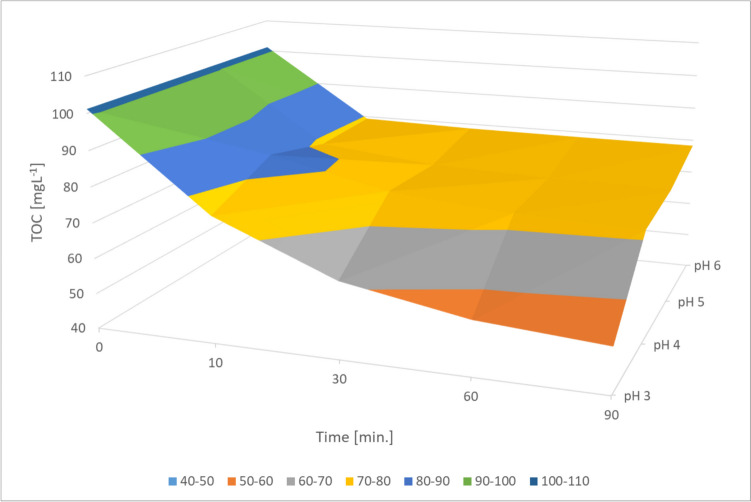
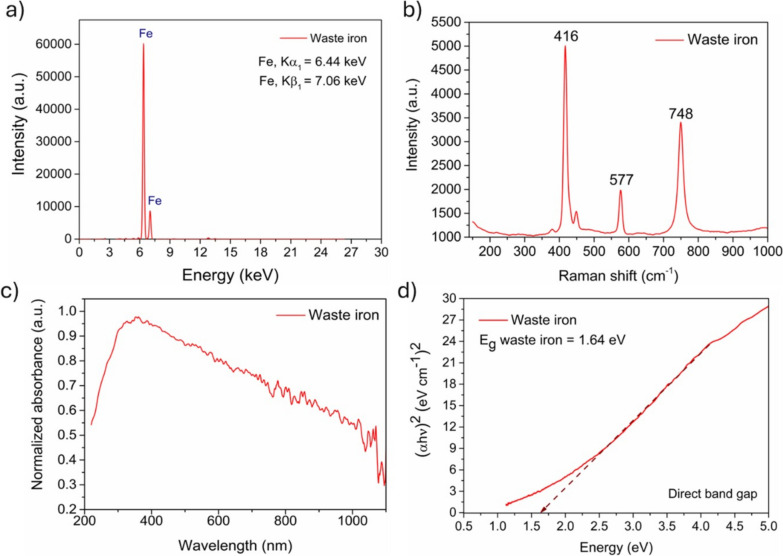
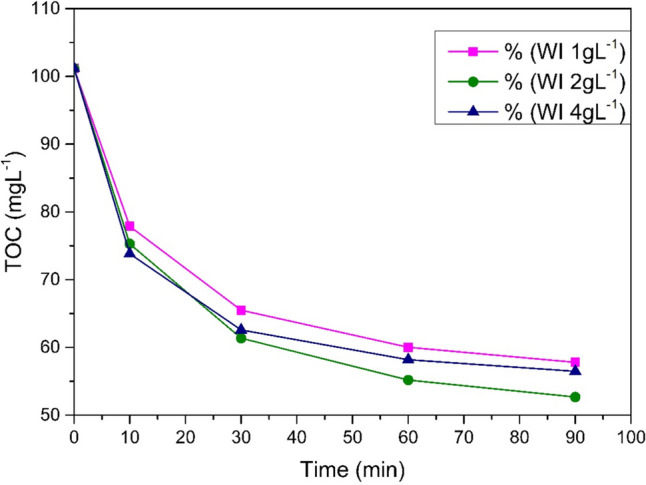
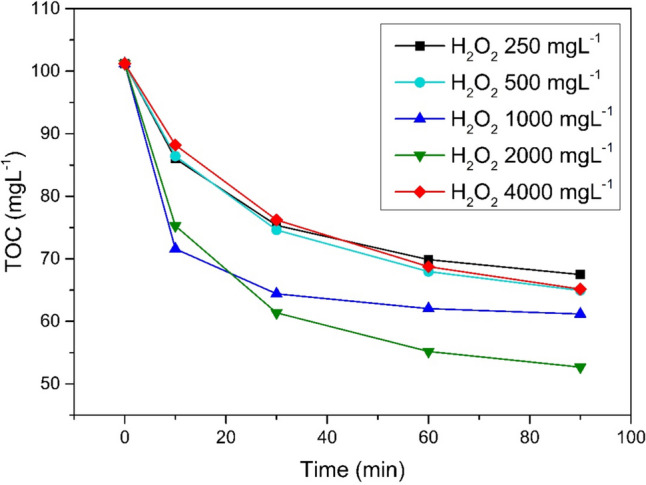
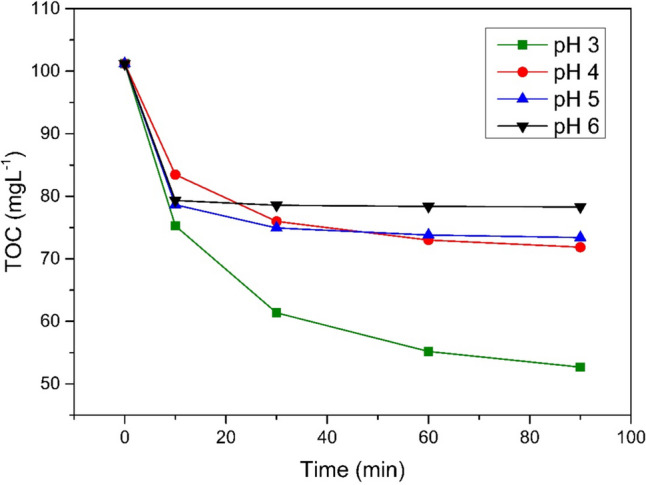
The wet flue gas desulfurization (WFGD) procedure results in wastewater containing a complex mixture of pollutants, including heavy metals and organic compounds, which are hardly degradable and pose significant environmental challenges. Addressing this issue, the proposed approach, incorporating waste iron shavings as a heterocatalyst within a modified Fenton process, represents a sustainable and effective solution for contaminants degrading in WFGD wastewater. Furthermore, this study aligns with the Best Available Techniques (BAT) regulations by meeting the requirement for compound oxidation-replacing the chlorine utilization with the generation of highly reactive radicals-and coagulation, which completes the treatment process. This method introduces an innovative use of waste-derived iron shavings in a BAT-compliant technology, providing a sustainable and cost-effective alternative to conventional treatments. The study focuses on process kinetics and optimization parameters, achieving approximately 48% total organic carbon (TOC) removal in 90 min at an optimal pH 3, using 1998 mgL HO under UV light. Analysis of variance revealed that the process efficiency depended more significantly on pH than time duration or the HO dose. Catalyst's characterization, including the use of microscopic techniques, including electron microscopy, laser diffraction, X-ray fluorescence, Raman spectroscopy, and UV spectroscopy, indicates its stability and great reusability with consistent TOC decrease across three process cycles. This research demonstrates a cost-effective, environmentally friendly approach to wastewater treatment, advancing sustainable methodologies through the repurposing of waste materials and underscoring the catalyst's reuse potential.
湿法烟气脱硫(WFGD)工艺会产生含有多种污染物的废水,这些污染物包括重金属和有机化合物,它们很难降解,给环境带来了重大挑战。针对这一问题,所提出的方法是在改良芬顿工艺中加入废铁屑作为非均相催化剂,这是一种可持续且有效的解决WFGD废水污染物降解的方案。此外,本研究符合最佳可得技术(BAT)法规,满足了复合氧化的要求——用高活性自由基的产生取代氯的使用——以及混凝要求,从而完成处理过程。该方法在符合BAT的技术中引入了对废铁屑的创新利用,为传统处理方法提供了一种可持续且具有成本效益的替代方案。该研究聚焦于工艺动力学和优化参数,在最佳pH值为3、紫外光下使用1998mg/L过氧化氢的条件下,90分钟内实现了约48%的总有机碳(TOC)去除率。方差分析表明,工艺效率对pH值的依赖性比对反应时间或过氧化氢剂量的依赖性更强。通过包括电子显微镜、激光衍射、X射线荧光、拉曼光谱和紫外光谱在内的微观技术对催化剂进行表征,结果表明其稳定性良好且具有很高的可重复使用性,在三个处理循环中TOC持续下降。本研究展示了一种经济高效、环境友好的废水处理方法,通过对废料的再利用推进了可持续方法,并突出了催化剂的再利用潜力。