Servillo Federica, De Carluccio Maria, Di Lazzaro Giulia, Campanelli Federica, Marino Gioia, Natale Giuseppina, Ledonne Ada, Massaro Cenere Mariangela, Paldino Emanuela, Di Giuda Daniela, Picca Anna, Bove Francesco, Di Iorio Riccardo, Angeloni Benedetta, Cimmino Angelo Tiziano, Bellomo Giovanni, Picconi Barbara, Bentivoglio Anna Rita, Mercuri Nicola Biagio, Parnetti Lucilla, Ghiglieri Veronica, Viscomi Maria Teresa, Calabresi Paolo
Neurologia, Dipartimento di Neuroscienze, Università Cattolica del Sacro Cuore, Rome, Italy.
Dipartimento di Neuroscienze e Neuroriabilitazione, IRCCS San Raffaele, Rome, Italy.
NPJ Parkinsons Dis. 2024 Nov 30;10(1):228. doi: 10.1038/s41531-024-00836-6.
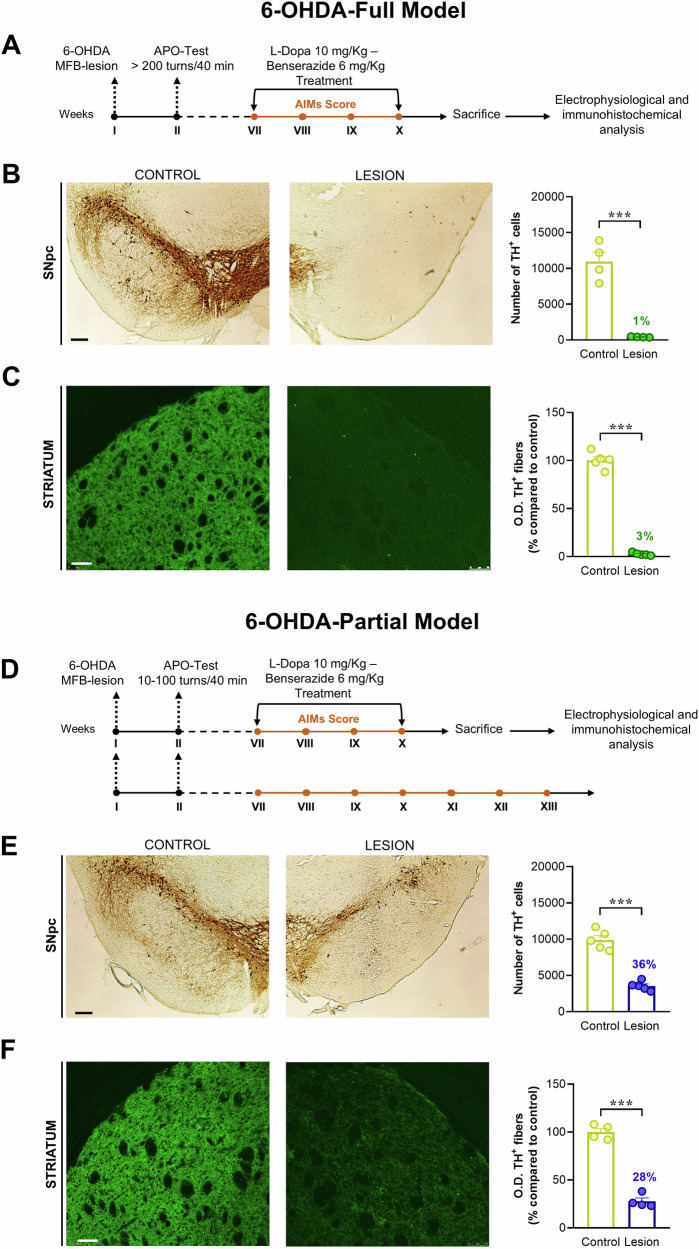
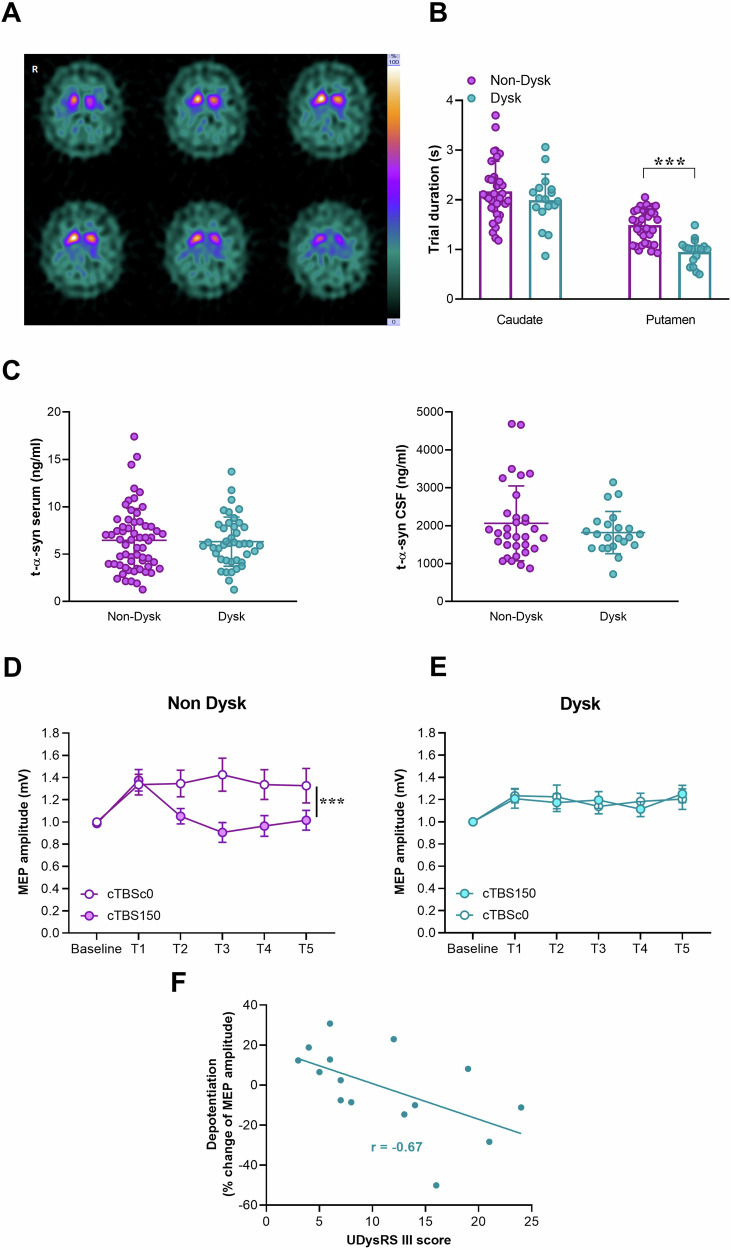
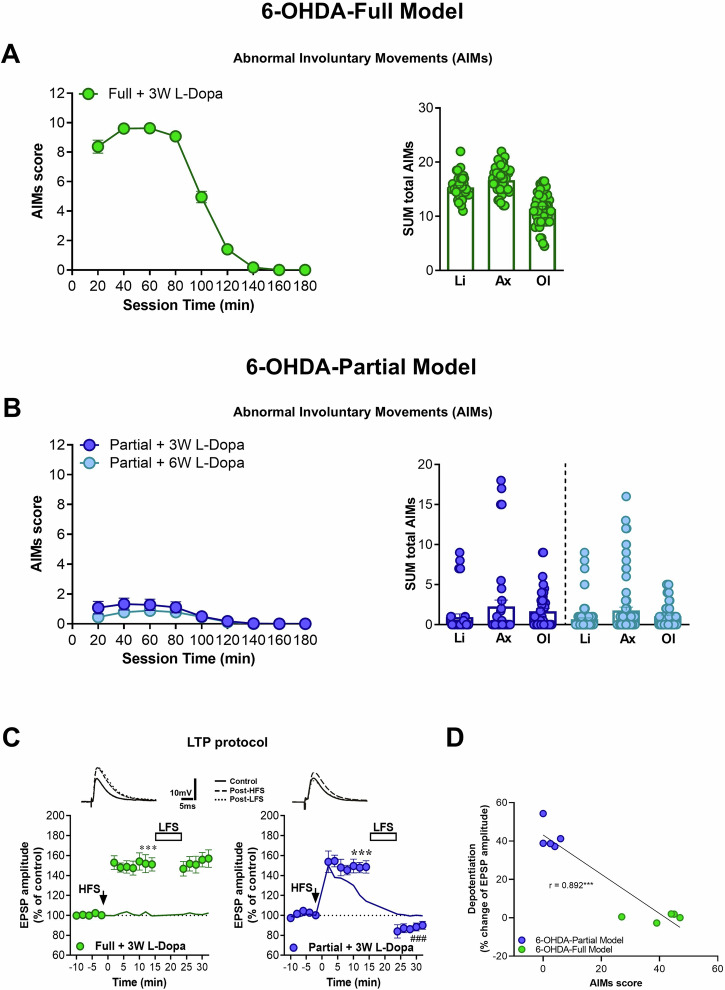
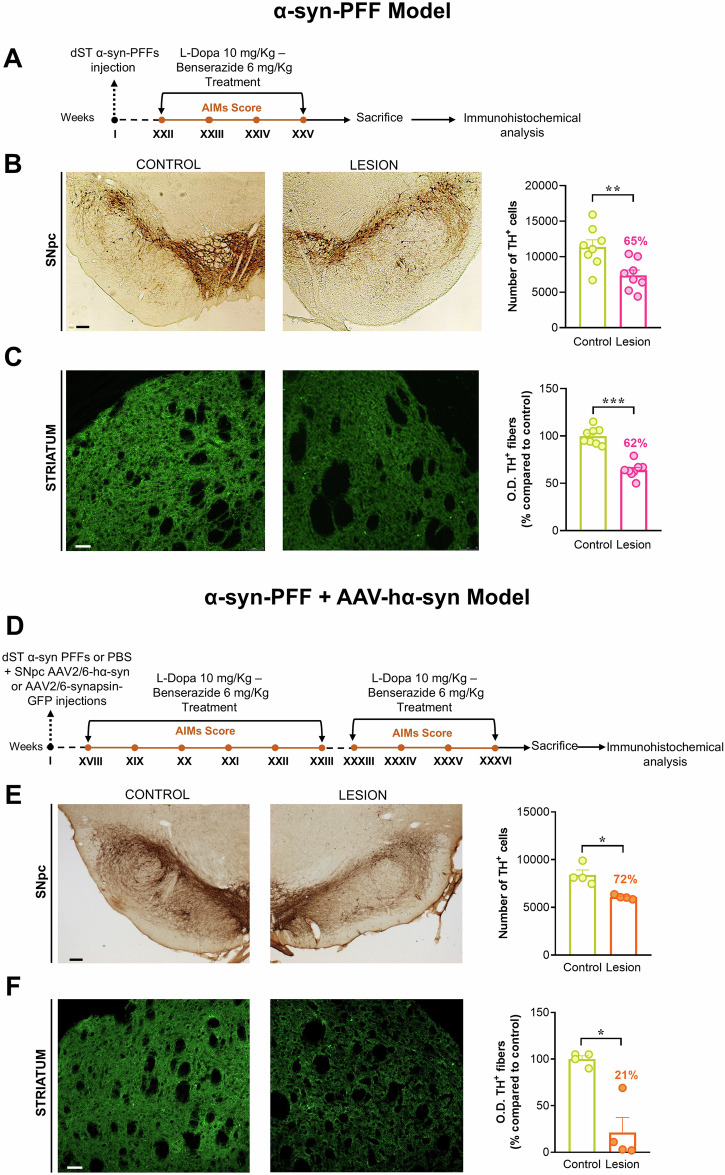
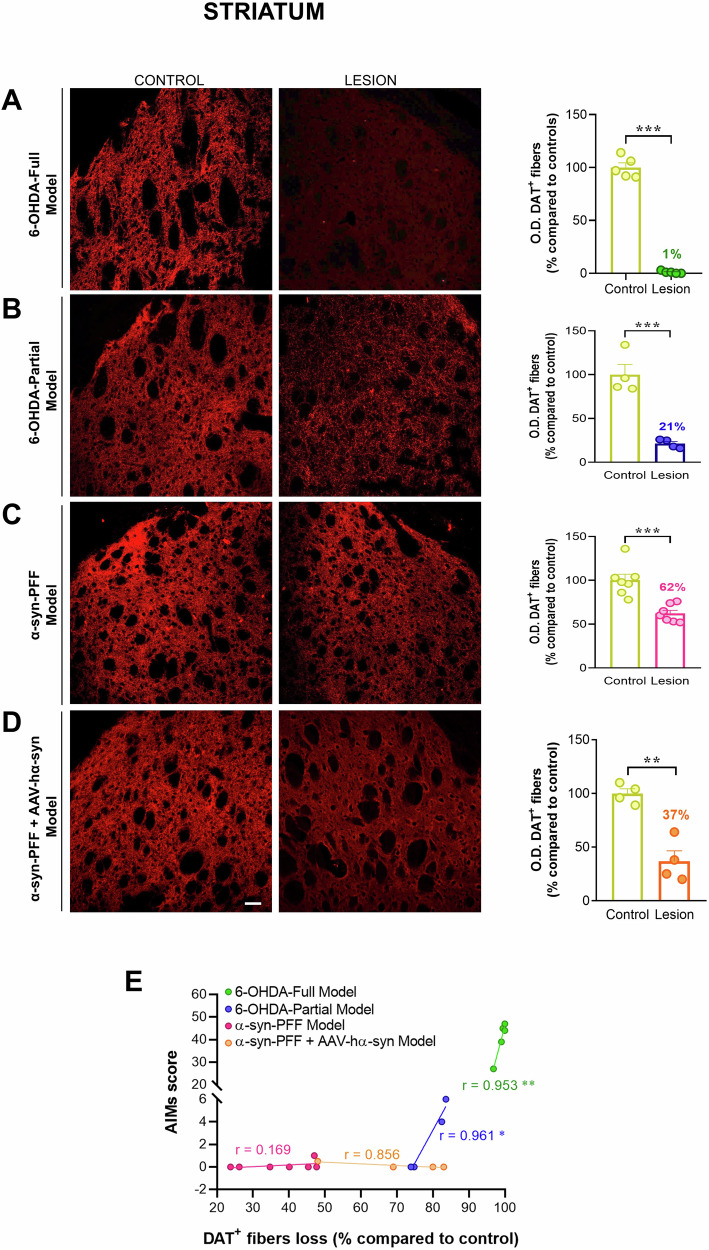
Treatment with L-3,4-dihydroxyphenylalanine (L-Dopa) compensates for decreased striatal dopamine (DA) levels and reduces Parkinson's disease (PD) symptoms. However, during disease progression, L-Dopa-induced dyskinesia (LID) develops virtually in all PD patients, making the control of PD symptoms difficult. Thus, understanding the mechanisms underlying LID and the control of these motor abnormalities is a major issue in the care of PD patients. From experimental and clinical studies, a complex cascade of molecular and cellular events emerges, but the primary determinants of LID are still unclear. Here, with a translational approach, including four animal models and a wide cohort of PD patients, we show that striatal DA denervation is the major causal factor for the emergence of LID, while α-synuclein aggregates do not seem to play a significant role. Our data also support the concept that maladaptive basal ganglia plasticity is the main pathophysiological mechanism underlying LID.
用L-3,4-二羟基苯丙氨酸(L-多巴)治疗可补偿纹状体多巴胺(DA)水平的降低,并减轻帕金森病(PD)症状。然而,在疾病进展过程中,几乎所有PD患者都会出现L-多巴诱导的异动症(LID),这使得控制PD症状变得困难。因此,了解LID的潜在机制以及控制这些运动异常是PD患者护理中的一个主要问题。从实验和临床研究中,出现了一系列复杂的分子和细胞事件,但LID的主要决定因素仍不清楚。在这里,通过一种转化方法,包括四种动物模型和一大群PD患者,我们表明纹状体DA去神经支配是LID出现的主要因果因素,而α-突触核蛋白聚集体似乎没有发挥重要作用。我们的数据也支持这样一种观点,即适应性不良的基底神经节可塑性是LID潜在的主要病理生理机制。