Naser Moghadasi Abdorreza, Mirmosayyeb Omid, Bagherieh Sara, Sahraian Mohammad Ali, Ghajarzadeh Mahsa
Multiple Sclerosis Research Center, Neuroscience Institute, Tehran University of Medical Sciences, Tehran, Iran.
Isfahan Neurosciences Research Center, Isfahan University of Medical Sciences, Isfahan, Iran.
Caspian J Intern Med. 2024 Oct 19;16(1):9-19. doi: 10.22088/cjim.16.1.9. eCollection 2025 Winter.
Cognitive impairment (CI) is one of the main features of multiple sclerosis (MS). Cognitive rehabilitation (CR) programs are crucial for improving cognition and computer-assisted cognitive rehabilitation is considered as an effective method for cognition rehabilitation. To assess the effects of computer-based cognitive rehabilitation program on cognition in patients with multiple sclerosis (MS).
We performed a comprehensive search in PubMed, Scopus, Web of Science, EMBASE, and Google Scholar databases along with gray literature up to September 2021. Randomized clinical trials, articles had been published in the English language. We evaluated the risk of potential bias via the Cochrane Collaboration's tool for assessing the risk of bias. Standardized mean difference (SMD) was calculated.
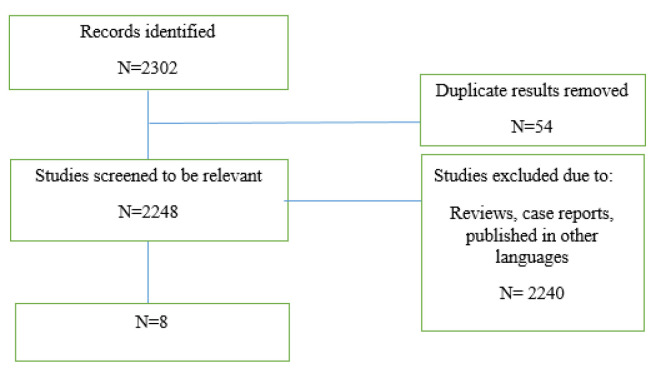
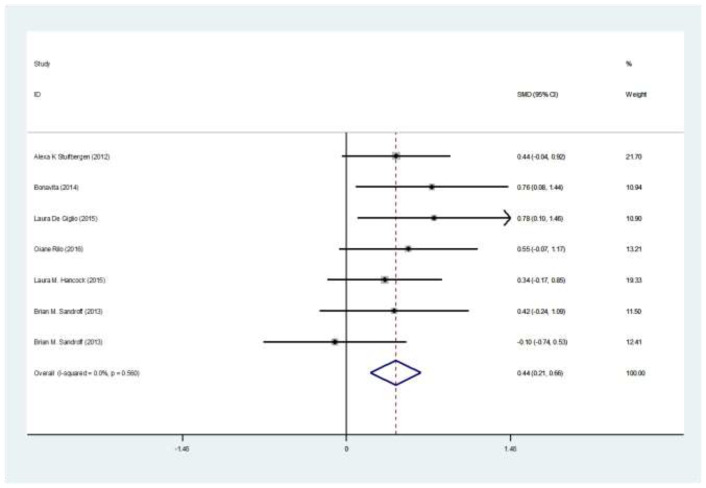
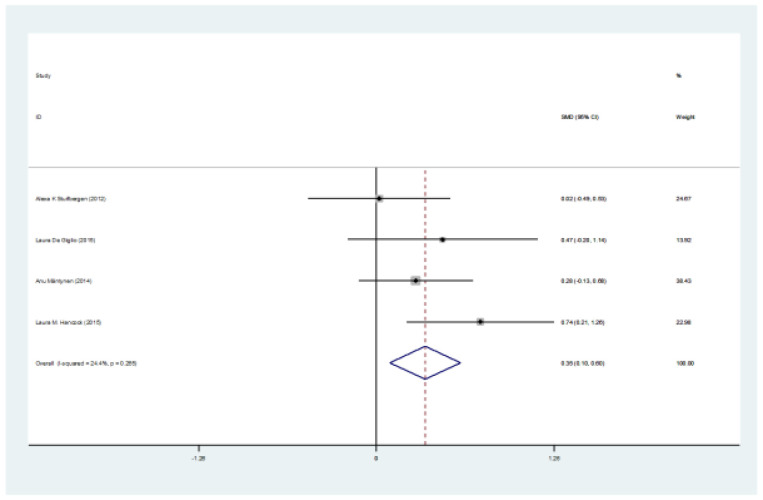
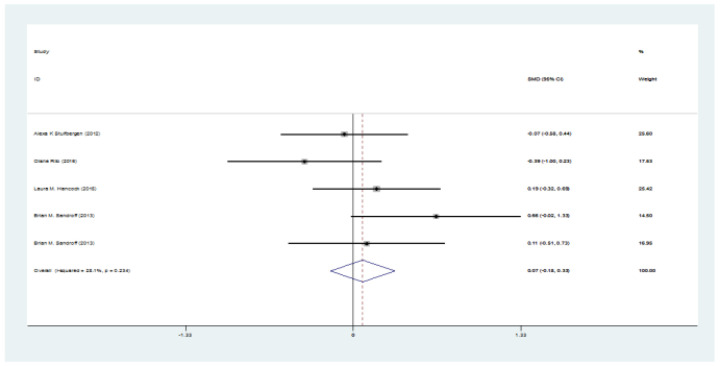
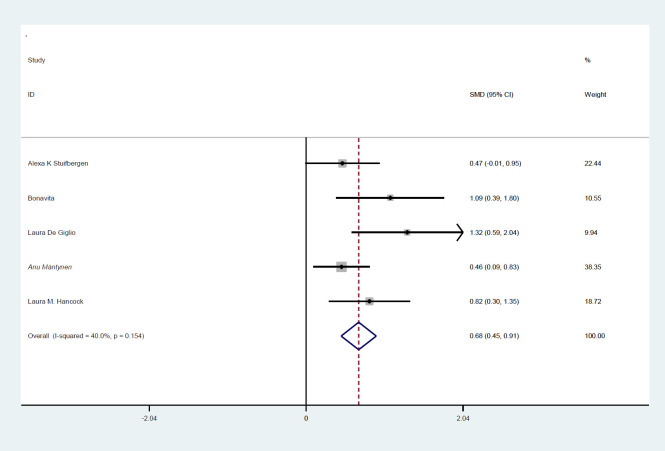
The preliminary search retrieved 2302 articles by literature search, after deleting duplicates 2248 remained. Eight articles remained for meta-analysis. Totally, 235 patients in intervention group and 192 in control group were evaluated. Mean age ranged from 43.5-52 years. The SMD of PASAT (Paced Auditory Serial Addition Test) (Case-control) test was 0.35 (95%CI:0.1-0.66) (I2:24.4%, P=0.2). The SMD of SDMT (Case-control) test was 0.07 (95%CI:-0.18-0.33). The SMD of PASAT before and after intervention in case group was 0.68 (95%CI:0.45-0.91) (I2:40%, P=0.15). The SMD of SDMT before and after intervention in case group was 0.44 (95%CI:0.21-0.66) (I2:40%, P=0.15).
The results of this systematic and meta-analysis showed that computerized cognitive rehabilitation program is effective in improving PASAT score.
认知障碍(CI)是多发性硬化症(MS)的主要特征之一。认知康复(CR)计划对于改善认知至关重要,而计算机辅助认知康复被认为是认知康复的有效方法。旨在评估基于计算机的认知康复计划对多发性硬化症(MS)患者认知的影响。
我们在PubMed、Scopus、科学网、EMBASE和谷歌学术数据库以及截至2021年9月的灰色文献中进行了全面搜索。随机临床试验,文章以英文发表。我们通过Cochrane协作网评估偏倚风险的工具评估潜在偏倚风险。计算标准化均值差(SMD)。
初步检索通过文献搜索获得2302篇文章,删除重复项后剩余2248篇。八篇文章留作荟萃分析。总共评估了干预组的235名患者和对照组的192名患者。平均年龄在43.5至52岁之间。PASAT(听觉连续加法测验)(病例对照)测试的SMD为0.35(95%CI:0.1 - 0.66)(I2:24.4%,P = 0.2)。SDMT(病例对照)测试的SMD为0.07(95%CI:-0.18 - 0.33)。病例组干预前后PASAT的SMD为0.68(95%CI:0.45 - 0.91)(I2:40%,P = 0.15)。病例组干预前后SDMT的SMD为0.44(95%CI:0.21 - 0.66)(I2:40%,P = 0.15)。
该系统评价和荟萃分析的结果表明,计算机化认知康复计划在提高PASAT评分方面是有效的。