Yang Wei-Jia, Shi Lian-Dong, Liang Ye, Liang Li-Ming, Zhang Hao, Wang Li, Zhou Qian
Department of Eugenics and Genetics, Guilin People's Hospital, Guilin, Guangxi Zhuang Autonomous Region, 541002, People's Republic of China.
Department of Ultrasound, Guilin People's Hospital, Guilin, Guangxi Zhuang Autonomous Region, 541002, People's Republic of China.
Ther Clin Risk Manag. 2024 Nov 29;20:799-809. doi: 10.2147/TCRM.S481128. eCollection 2024.
In this study, we evaluated the effectiveness and safety of thalidomide by clinically observing 48 individuals with β-thalassemia who have been administered thalidomide in small and medium doses over a period of two years.
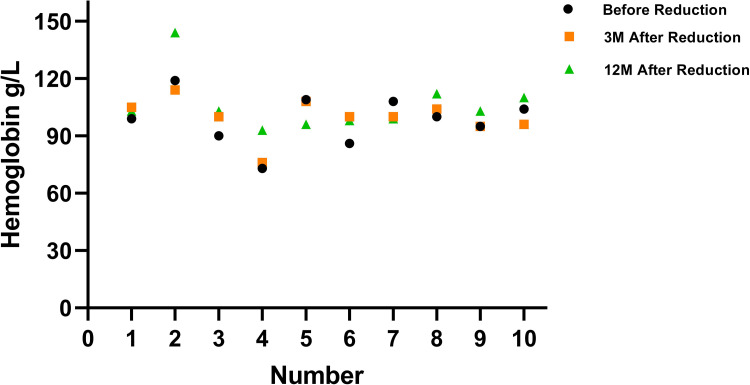
Thalidomide's efficacy was gauged by tracking hemoglobin (Hb) level alterations post its administration. Liver and kidney function impact was measured through tests for alanine aminotransferase, aspartate aminotransferase, blood urea nitrogen, and creatinine. Hemolysis effects were assessed via total bilirubin and indirect bilirubin level measurements. Thrombosis detection was performed using ultrasound examinations of deep vein vessels in the upper and lower extremities. Any adverse effects of thalidomide were recorded during the observation period. Lower dose thalidomide effectiveness was evaluated by monitoring Hb level changes following dosage reduction.
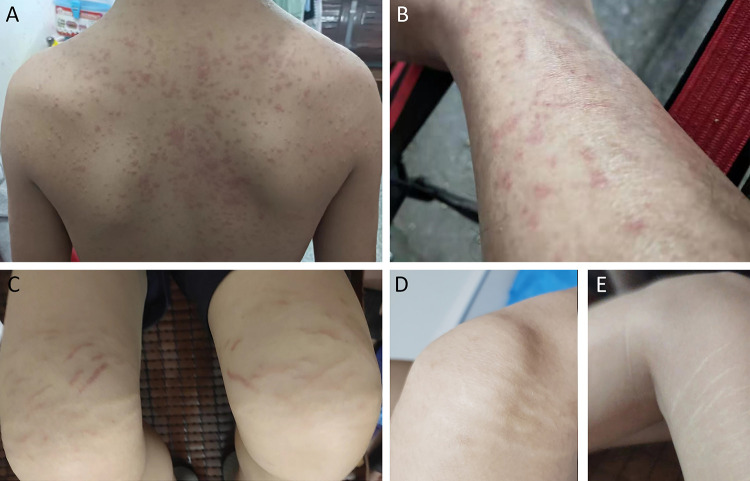
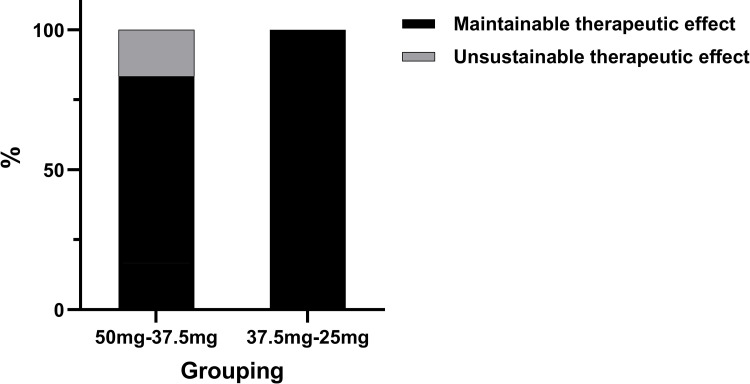
The overall response rate (ORR) among the 48 participants was 91.7% (44 out of 48), with the main reaction (MaR) reaching 72.9% (35 out of 48). Hepatorenal toxicity was not monitored during the 2-year observation period, and there was no improvement in hemolysis. Most adverse effects were mild, with no instances of venous thrombosis and no cases of grade 2 or higher neurotoxicity. When the observation group was divided into three age categories (12-14 years old, 14-18 years old, and over 18 years old), there were no statistically significant differences in the occurrence of adverse reactions among the three groups. As there were some adverse reactions in ten cases, the treatment dose was reduced for them. The maintenance efficacy rate at one year of observation was 90% (9 out of 10).
This study confirmed that thalidomide in small doses over a 2-year observation period is effective, and has no instances of grade 2 or higher neurotoxicity. Long-term maintenance with small doses is recommended for enhanced safety.
在本研究中,我们通过对48例接受中小剂量沙利度胺治疗两年的β地中海贫血患者进行临床观察,评估了沙利度胺的有效性和安全性。
通过追踪沙利度胺给药后血红蛋白(Hb)水平的变化来衡量其疗效。通过检测丙氨酸转氨酶、天冬氨酸转氨酶、血尿素氮和肌酐来测量对肝肾功能的影响。通过总胆红素和间接胆红素水平测量评估溶血效应。使用超声检查上下肢深静脉血管进行血栓检测。在观察期内记录沙利度胺的任何不良反应。通过监测剂量减少后Hb水平的变化来评估低剂量沙利度胺的有效性。
48名参与者的总体缓解率(ORR)为91.7%(48例中的44例),主要反应(MaR)达到72.9%(48例中的35例)。在两年观察期内未监测到肝肾毒性,溶血情况也无改善。大多数不良反应为轻度,无静脉血栓形成病例,也无2级或更高等级神经毒性病例。当观察组分为三个年龄类别(12 - 14岁、14 - 18岁和18岁以上)时,三组之间不良反应的发生率无统计学显著差异。由于10例出现了一些不良反应,对他们减少了治疗剂量。观察一年时的维持有效率为90%(10例中的9例)。
本研究证实,在两年观察期内小剂量使用沙利度胺是有效的,且无2级或更高等级神经毒性病例。为提高安全性,建议小剂量长期维持治疗。