Lagache Laurine, Zirem Yanis, Le Rhun Émilie, Fournier Isabelle, Salzet Michel
Univ.Lille, Inserm, CHU Lille, U1192 - Proteomics Inflammatory Response Mass Spectrometry- PRISM, Lille, France.
Univ.Lille, Inserm, CHU Lille, U1192 - Proteomics Inflammatory Response Mass Spectrometry- PRISM, Lille, France; Department of Neurosurgery and Neurology, Clinical Neuroscience Center, University Hospital Zurich and University of Zurich, Zurich, Switzerland.
Mol Cell Proteomics. 2025 Jan;24(1):100891. doi: 10.1016/j.mcpro.2024.100891. Epub 2024 Dec 5.
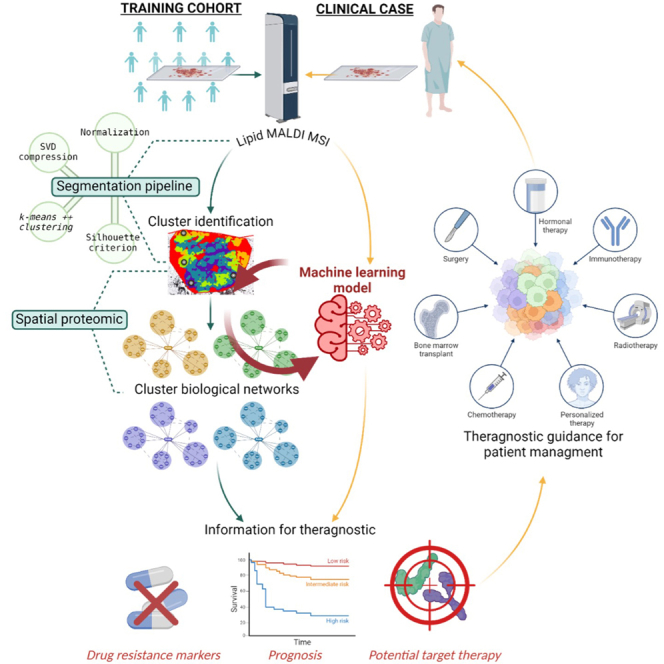
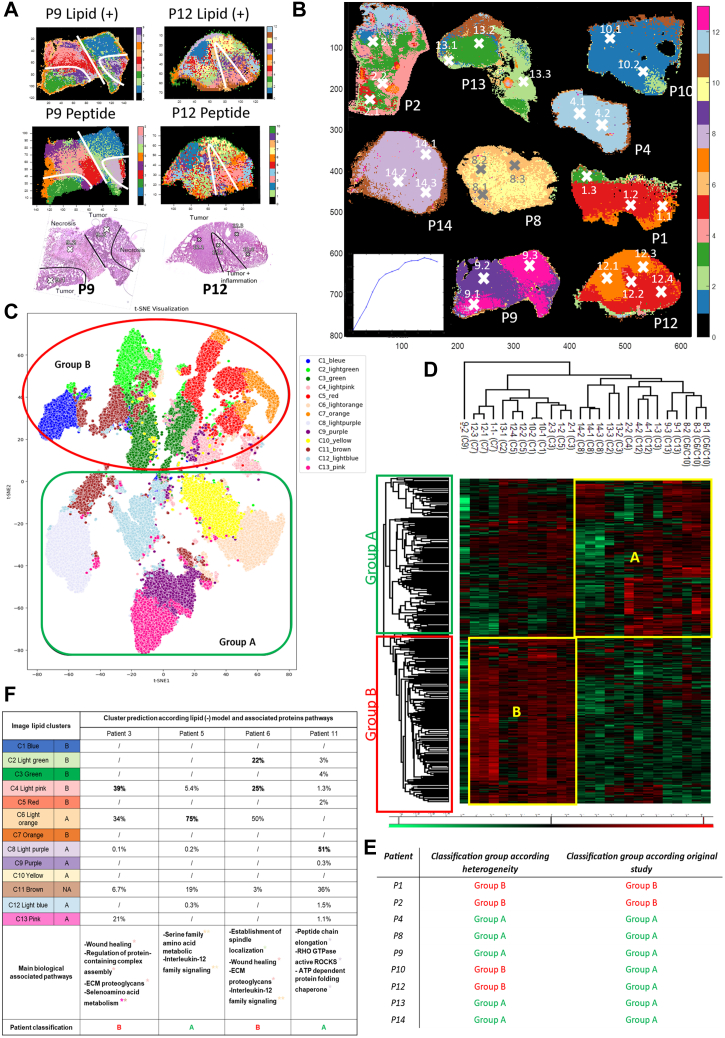
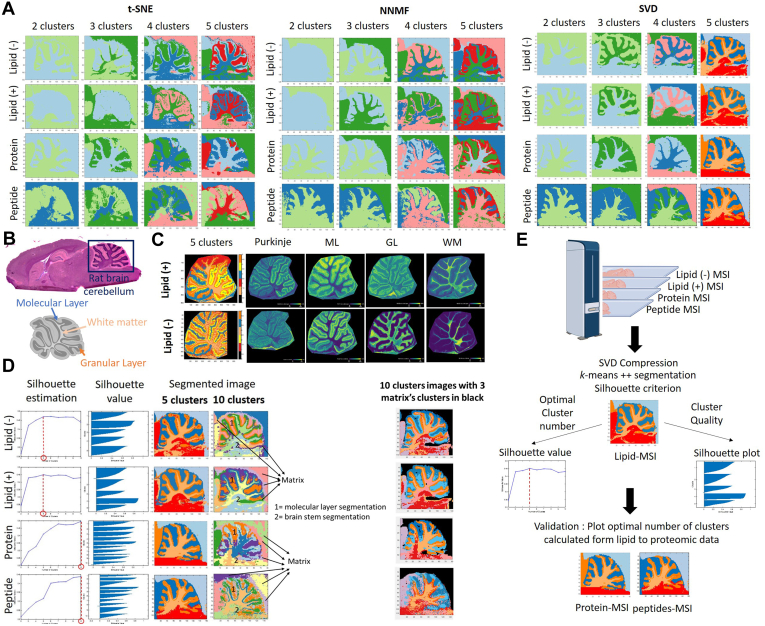
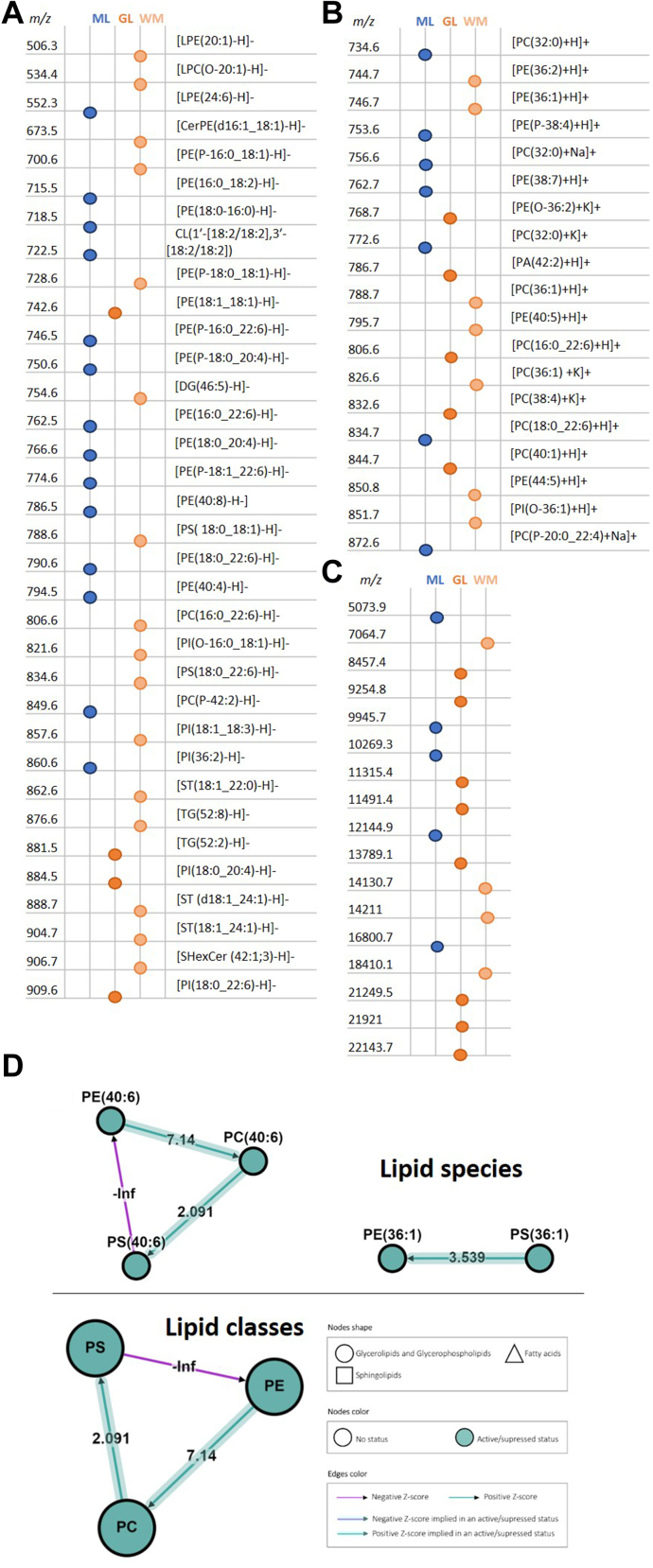
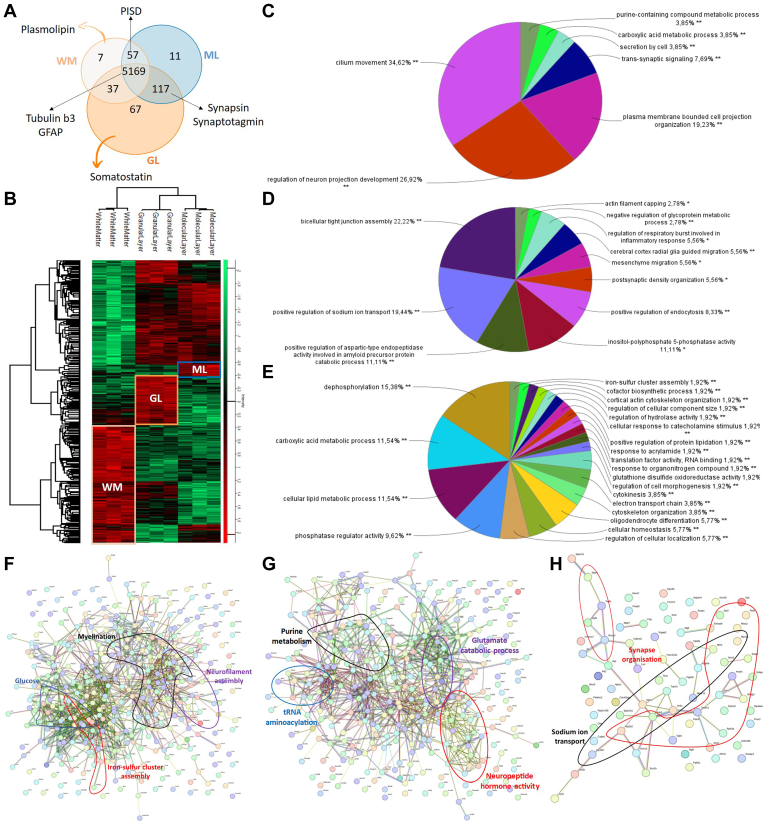
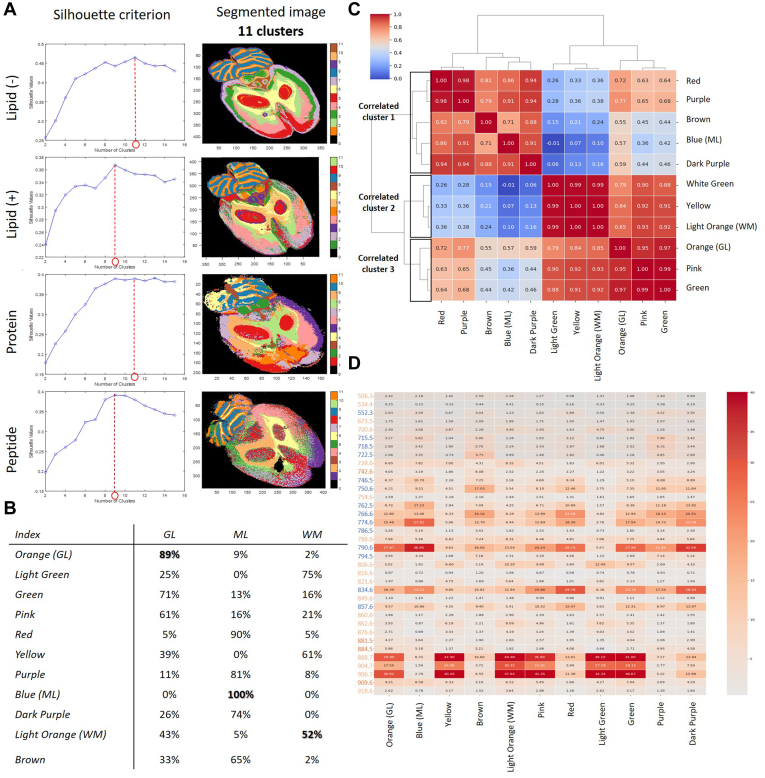
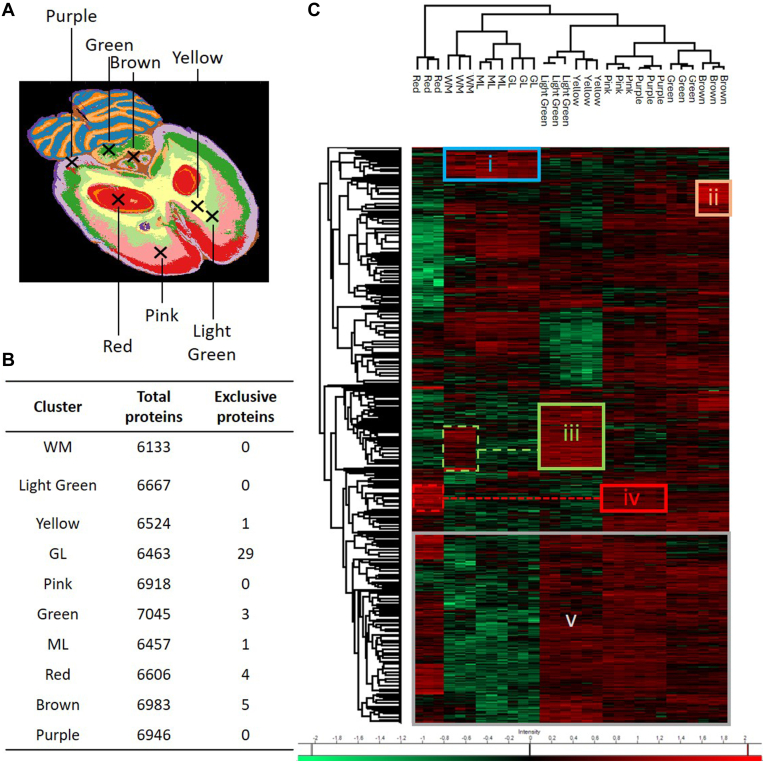
Prediction of proteins and associated biological pathways from lipid analyses via matrix-assisted laser desorption/ionization (MALDI) MSI is a pressing challenge. We introduced "dry proteomics," using MALDI MSI to validate spatial localization of identified optimal clusters in lipid imaging. Consistent cluster appearance across omics images suggests association with specific lipid and protein in distinct biological pathways, forming the basis of dry proteomics. The methodology was refined using rat brain tissue as a model, then applied to human glioblastoma, a highly heterogeneous cancer. Sequential tissue sections underwent omics MALDI MSI and unsupervised clustering. Spatial omics analysis facilitated lipid and protein characterization, leading to a predictive model identifying clusters in any tissue based on unique lipid signatures and predicting associated protein pathways. Application to rat brain slices revealed diverse tissue subpopulations, including successfully predicted cerebellum areas. Similarly, the methodology was applied to a dataset from a cohort of 50 glioblastoma patients, reused from a previous study. However, among the 50 patients, only 13 lipid signatures from MALDI MSI data were available, allowing for the identification of lipid-protein associations that correlated with patient prognosis. For cases lacking lipid imaging data, a classification model based on protein data was developed from dry proteomic results to effectively categorize the remaining cohort.
通过基质辅助激光解吸/电离(MALDI)质谱成像(MSI)从脂质分析中预测蛋白质及相关生物途径是一项紧迫的挑战。我们引入了“干式蛋白质组学”,利用MALDI MSI来验证脂质成像中已鉴定的最佳簇的空间定位。跨组学图像中一致的簇外观表明其与不同生物途径中的特定脂质和蛋白质相关联,构成了干式蛋白质组学的基础。该方法以大鼠脑组织为模型进行了优化,然后应用于高度异质性的人类胶质母细胞瘤。对连续的组织切片进行组学MALDI MSI和无监督聚类。空间组学分析有助于脂质和蛋白质表征,从而建立了一个预测模型,该模型可根据独特的脂质特征识别任何组织中的簇,并预测相关的蛋白质途径。将其应用于大鼠脑切片揭示了不同的组织亚群,包括成功预测的小脑区域。同样,该方法应用于先前一项研究中重复使用的50例胶质母细胞瘤患者的数据集。然而,在这50例患者中,仅有来自MALDI MSI数据的13种脂质特征可用,从而能够识别与患者预后相关的脂质-蛋白质关联。对于缺乏脂质成像数据的病例,基于干式蛋白质组学结果开发了一种基于蛋白质数据的分类模型,以有效地对其余队列进行分类。