Sarwer Khadija, Lashari Saeeda, Rafaqat Nida, Raheem Abdul, Rehman Muneeb Ur, Abbas Syed Muhammad Iraj
Liaquat University of Medical and Health Sciences, Jamshoro, Hyderabad, Sindh, Pakistan.
Baqai Medical University, 51, Deh Tor, Gadap Road, Near Toll Plaza, SuperHighway,, P.O. Box 2407, Karachi, 75340, Sindh, Pakistan.
Egypt Heart J. 2024 Dec 7;76(1):156. doi: 10.1186/s43044-024-00587-y.
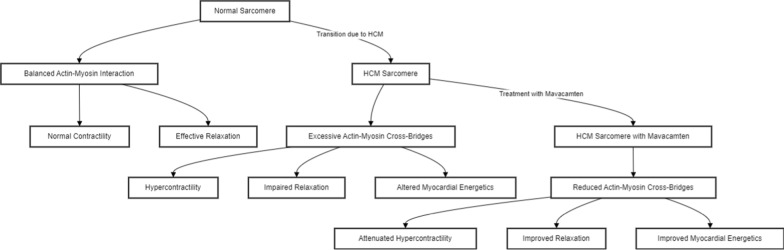
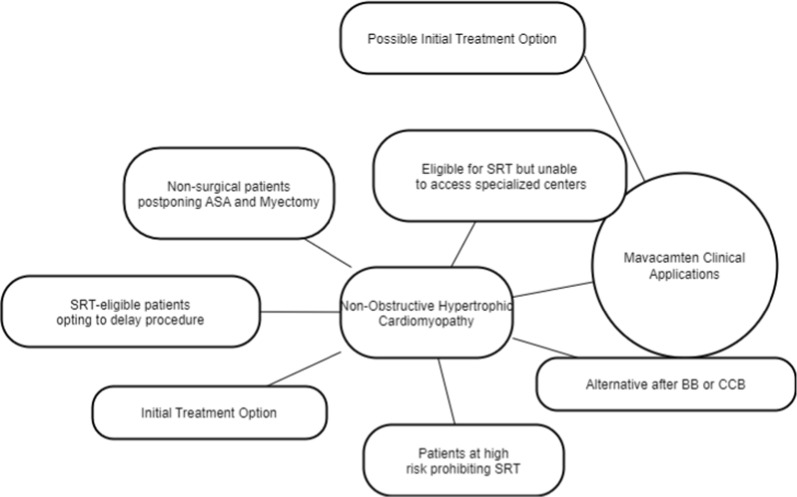
A cardiac condition marked by excessive growth of heart muscle cells, hypertrophic cardiomyopathy (HCM) is a complex genetic disorder characterized by left ventricular hypertrophy, microvascular ischemia, myocardial fibrosis, and diastolic dysfunction. Obstructive hypertrophic cardiomyopathy (oHCM), a subset of HCM, involves significant obstruction in the left ventricular outflow tract (LVOT), leading to symptoms like dyspnea, fatigue, and potentially life-threatening cardiac events. With advancements in genetic understanding and the introduction of novel pharmacologic agents, including cardiac myosin inhibitors like mavacamten and aficamten, there is a paradigm shift in the therapeutic approach to oHCM.
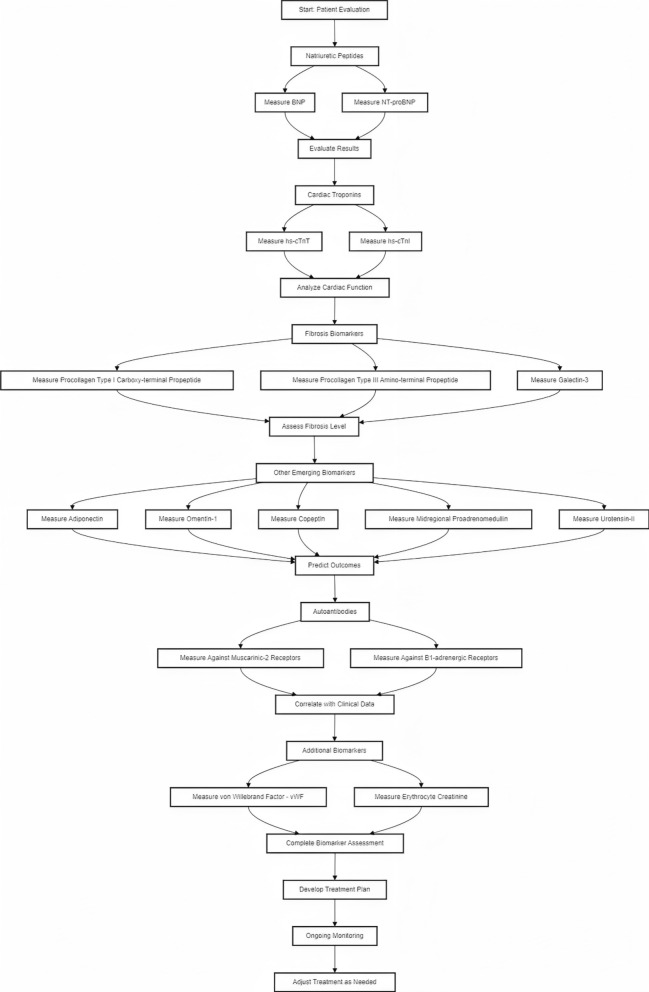
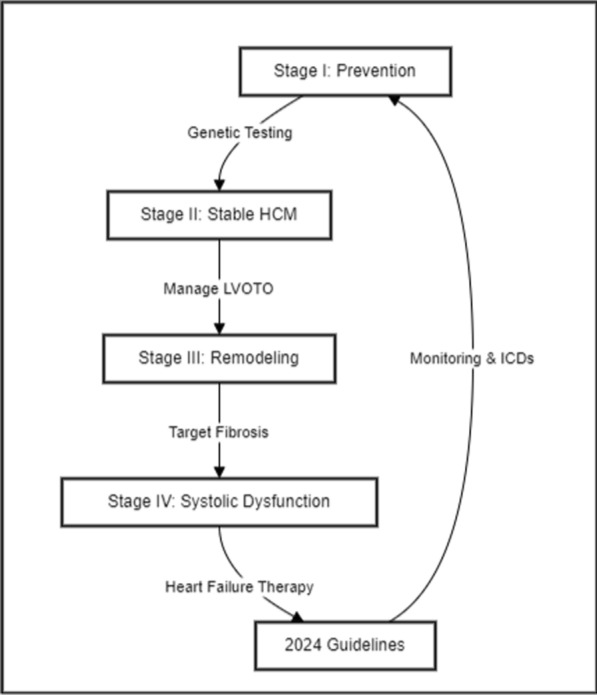
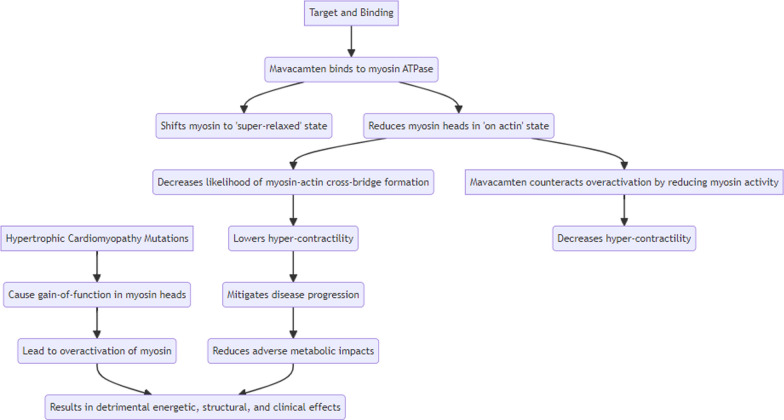
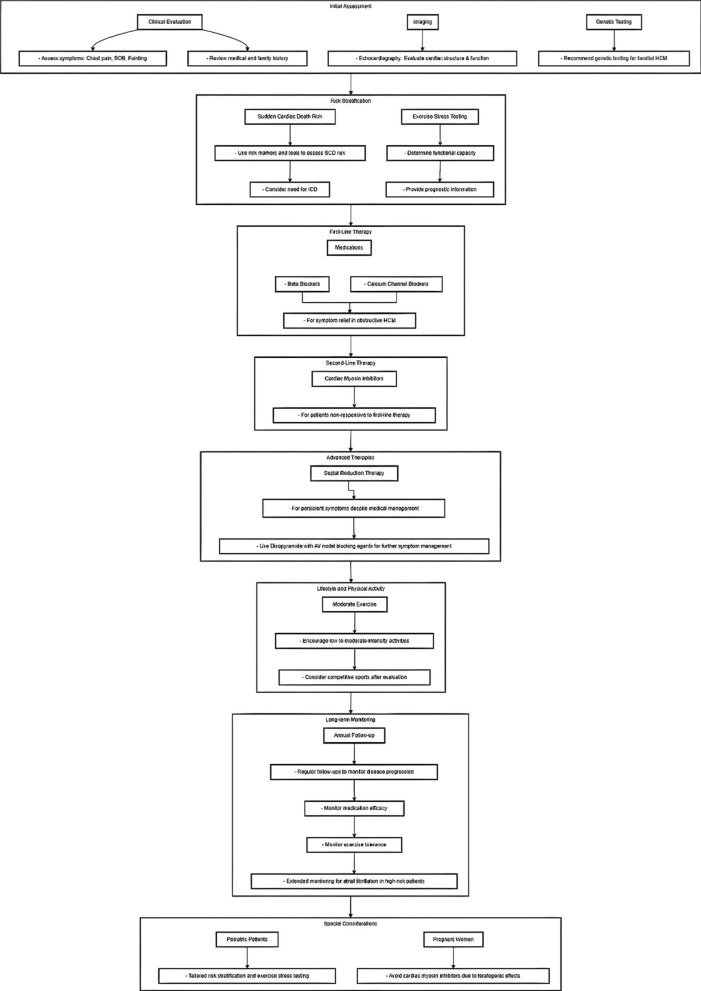
The underlying mechanisms of HCM are closely tied to genetic mutations affecting sarcomere proteins, particularly those encoded by the MYH7 and MYBPC3 genes. These mutations lead to disrupted sarcomere function, resulting in hypertrophic changes and LVOT obstruction. While genetic heterogeneity is a hallmark of HCM, clinical diagnosis relies heavily on imaging techniques such as Echocardiography and cardiac magnetic resonance imaging to assess the extent of hypertrophy and obstruction. Current pharmacological management of obstructive HCM (oHCM) focuses on alleviating symptoms rather than modifying disease progression. Beta-blockers and calcium channel blockers are primary treatment options, although their effectiveness varies among patients. Recent clinical trials have highlighted the potential of novel cardiac myosin inhibitors, including mavacamten and aficamten, in enhancing exercise capacity, reducing LVOT obstruction, and improving overall cardiac function. These innovative agents represent a significant breakthrough in targeting the fundamental pathophysiological mechanisms driving oHCM. A comprehensive literature review was conducted, utilizing top-tier databases such as PubMed, Scopus, and Google Scholar, to compile an authoritative and up-to-date overview of the current advancements in the field. This review sheds light on the updated 2024 American Heart Association (AHA) guidelines for HCM management, emphasizing the treatment cascade and tailored management for each stage of oHCM. By introducing a new paradigm for personalized medicine in oHCM, this research leverages advanced genomics, biomarkers, and imaging techniques to optimize treatment strategies.
The introduction of cardiac myosin inhibitors heralds a new era in the management of oHCM. By directly targeting the molecular mechanisms underpinning the disease, these novel therapies offer improved symptom relief and functional outcomes. Ongoing research into the genetic basis of HCM and the development of targeted treatments holds promise for further enhancing patient care. Future studies should continue to refine these therapeutic strategies and explore their long-term benefits and potential in diverse patient populations. This review makes a significant contribution to the field by synthesizing the most recent AHA guidelines, emphasizing the crucial role of tailored management strategies in optimizing outcomes for patients with oHCM, and promoting the incorporation of cutting-edge genomics and imaging modalities to enhance personalized care.
肥厚型心肌病(HCM)是一种以心肌细胞过度生长为特征的心脏疾病,是一种复杂的遗传性疾病,其特征为左心室肥厚、微血管缺血、心肌纤维化和舒张功能障碍。梗阻性肥厚型心肌病(oHCM)是HCM的一个亚型,涉及左心室流出道(LVOT)的明显梗阻,导致呼吸困难、疲劳等症状,并可能引发危及生命的心脏事件。随着对遗传学认识的进步以及新型药物的引入,包括如mavacamten和aficamten等心肌肌球蛋白抑制剂,oHCM的治疗方法发生了范式转变。
HCM的潜在机制与影响肌节蛋白的基因突变密切相关,特别是由MYH7和MYBPC3基因编码的那些蛋白。这些突变导致肌节功能紊乱,从而引起肥厚性改变和LVOT梗阻。虽然基因异质性是HCM的一个标志,但临床诊断在很大程度上依赖于超声心动图和心脏磁共振成像等成像技术来评估肥厚和梗阻的程度。目前梗阻性肥厚型心肌病(oHCM)的药物治疗侧重于缓解症状而非改变疾病进展。β受体阻滞剂和钙通道阻滞剂是主要的治疗选择,尽管它们在不同患者中的疗效有所不同。最近的临床试验突出了新型心肌肌球蛋白抑制剂,包括mavacamten和aficamten,在提高运动能力、减少LVOT梗阻和改善整体心脏功能方面的潜力。这些创新药物代表了在针对驱动oHCM的基本病理生理机制方面的重大突破。利用PubMed、Scopus和谷歌学术等顶级数据库进行了全面的文献综述,以汇编该领域当前进展的权威且最新的概述。本综述阐明了2024年美国心脏协会(AHA)关于HCM管理的更新指南,强调了oHCM各阶段的治疗级联和个性化管理。通过为oHCM引入个性化医疗的新范式,本研究利用先进的基因组学、生物标志物和成像技术来优化治疗策略。
心肌肌球蛋白抑制剂的引入预示着oHCM管理的新时代。通过直接针对该疾病的分子机制,这些新型疗法能更好地缓解症状并改善功能结局。对HCM遗传基础的持续研究以及靶向治疗的开发有望进一步改善患者护理。未来的研究应继续完善这些治疗策略,并探索它们在不同患者群体中的长期益处和潜力。本综述通过综合最新的AHA指南、强调个性化管理策略在优化oHCM患者结局中的关键作用以及促进纳入前沿基因组学和成像模式以加强个性化护理,为该领域做出了重大贡献。