Rafique Soomal, Fernandez Salvador, Saleem Saliha, Akram Sami
Internal Medicine, Southern Illinois University School of Medicine, Springfield, USA.
Infectious Diseases, Southern Illinois University School of Medicine, Springfield, USA.
Cureus. 2024 Nov 7;16(11):e73187. doi: 10.7759/cureus.73187. eCollection 2024 Nov.
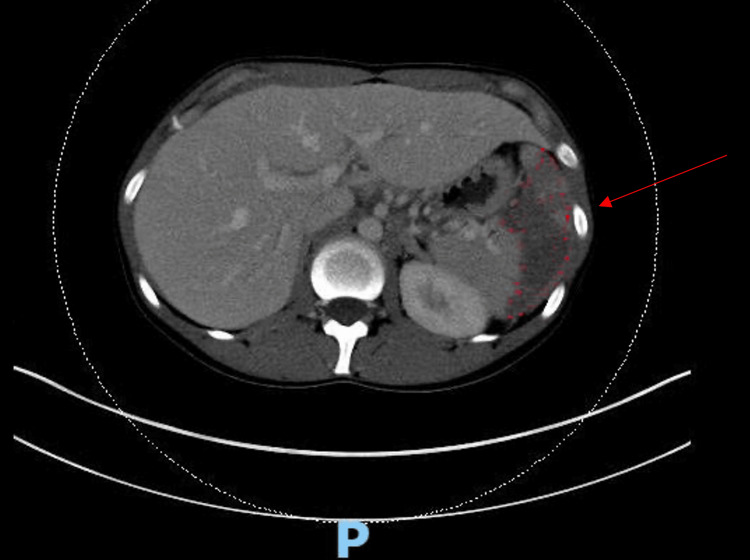
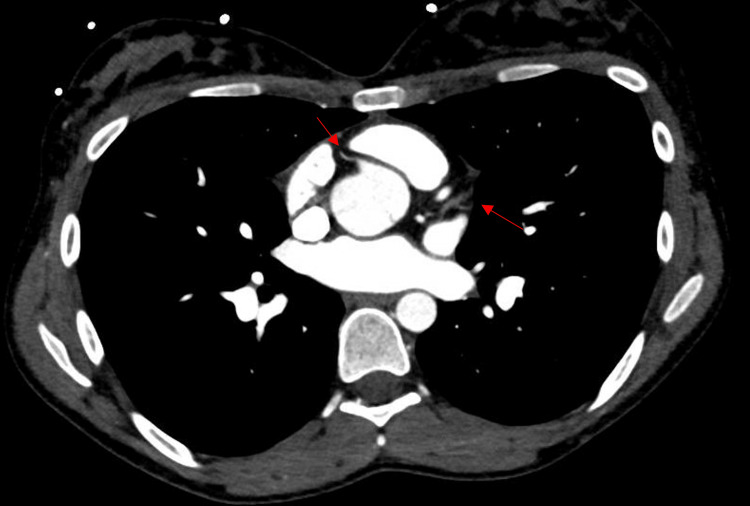
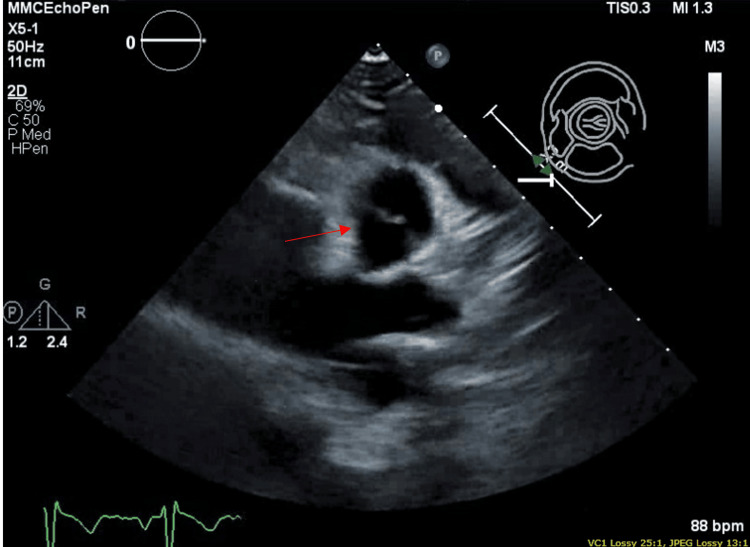
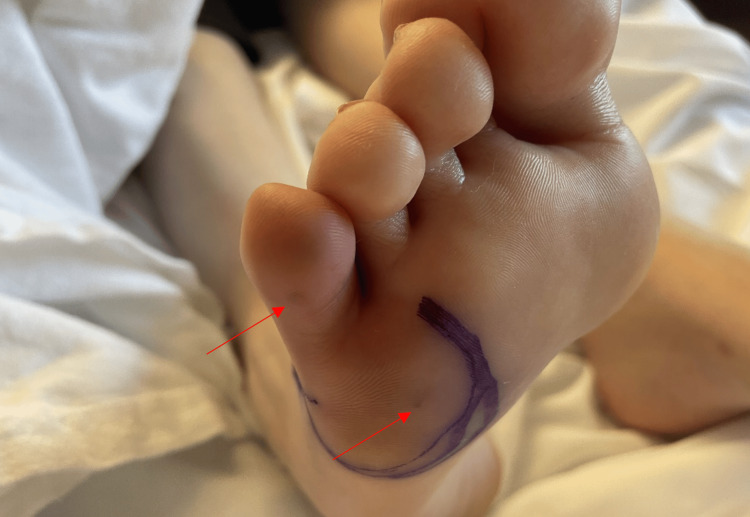
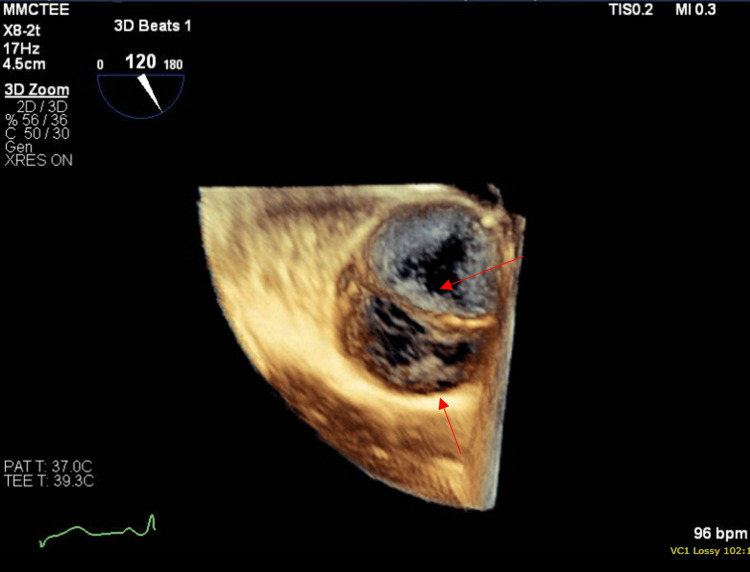
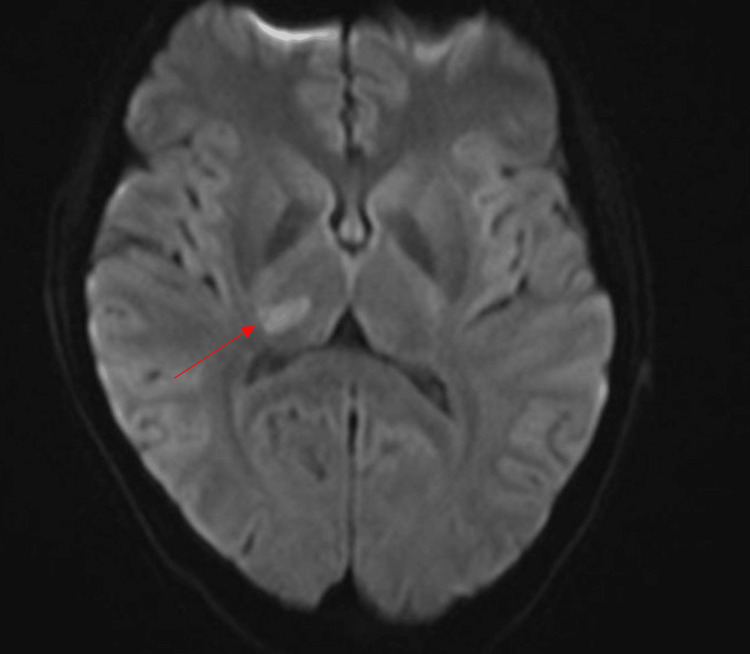
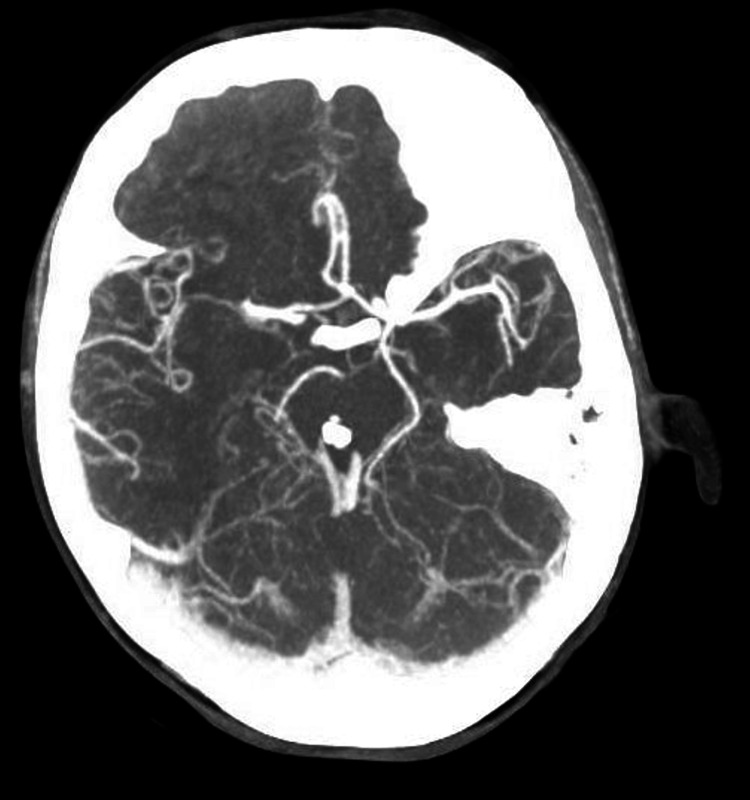
Infective endocarditis (IE) is a systemic disease with a high mortality rate even with intravenous antibiotic therapy. Abnormal valves, including bicuspid aortic valves (BAV), are particularly prone to it compared to normal valves. We present a 22-year-old female who was initially admitted for the management of acute splenic infarction when she was diagnosed with a bicuspid aortic valve. With no evidence of a cardiac source of the embolus, she was discharged on anti-coagulation. However, she returned with acute toe ischemia in a few days. She was found to have bacteremia, multiple sub-centimeter aortic valve vegetations on trans-esophageal echocardiogram (TEE), and was subsequently diagnosed with IE. After 3 weeks of IV antibiotics, she presented with thalamic stroke. Our case underscores the challenges in managing IE, particularly in young patients with BAV. Early recognition and aggressive treatment, regardless of vegetation size, and avoidance of anti-coagulation are crucial to mitigate embolic complications.
感染性心内膜炎(IE)是一种全身性疾病,即使采用静脉抗生素治疗,死亡率也很高。与正常瓣膜相比,包括二叶式主动脉瓣(BAV)在内的异常瓣膜尤其容易患此病。我们报告一名22岁女性,最初因急性脾梗死入院治疗,当时被诊断患有二叶式主动脉瓣。由于没有栓子的心脏来源证据,她在接受抗凝治疗后出院。然而,几天后她因急性足趾缺血再次入院。经食管超声心动图(TEE)检查发现她有菌血症,主动脉瓣上有多个亚厘米大小的赘生物,随后被诊断为IE。静脉使用抗生素3周后,她出现了丘脑中风。我们的病例强调了管理IE的挑战,特别是在患有BAV的年轻患者中。早期识别、积极治疗(无论赘生物大小)以及避免抗凝对于减轻栓塞并发症至关重要。