James Claire D, Lewis Rachel L, Witt Austin J, Carter Christiane, Rais Nabiha M, Wang Xu, Bristol Molly L
Philips Institute for Oral Health Research, School of Dentistry, Virginia Commonwealth University (VCU), Richmond, VA, USA.
VCU Massey Bioinformatics Shared Resource, Richmond, VA, USA.
Tumour Virus Res. 2024 Dec 10;19:200302. doi: 10.1016/j.tvr.2024.200302.
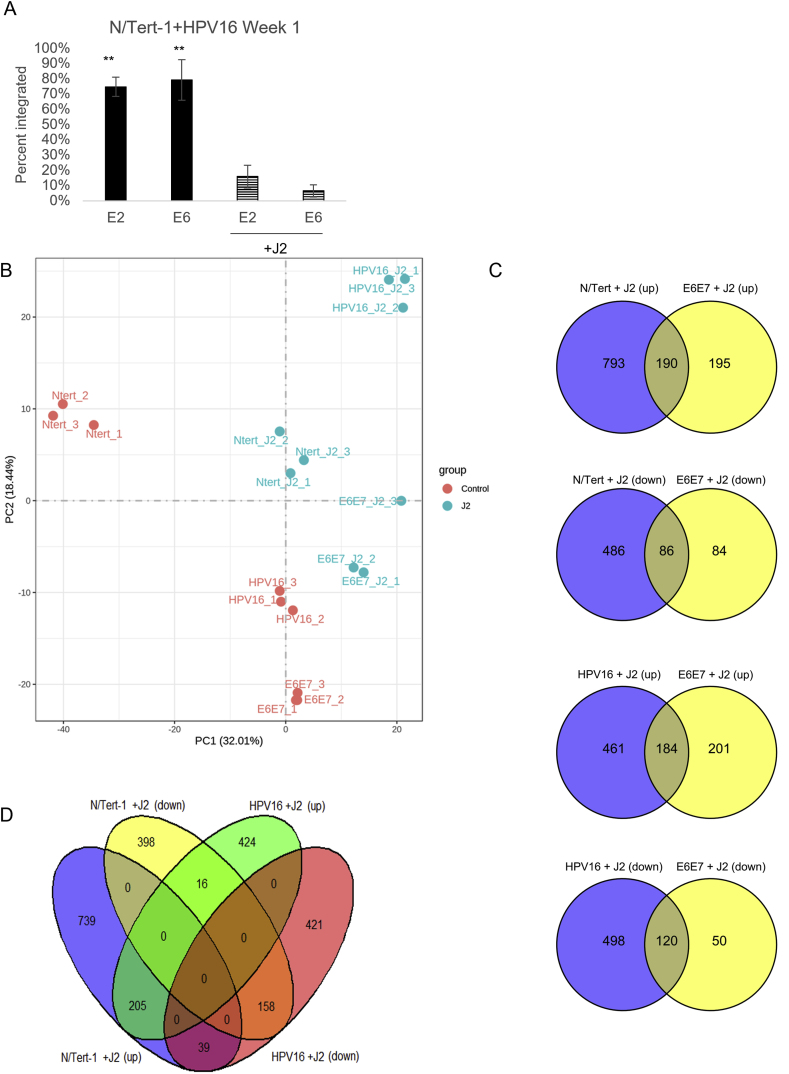
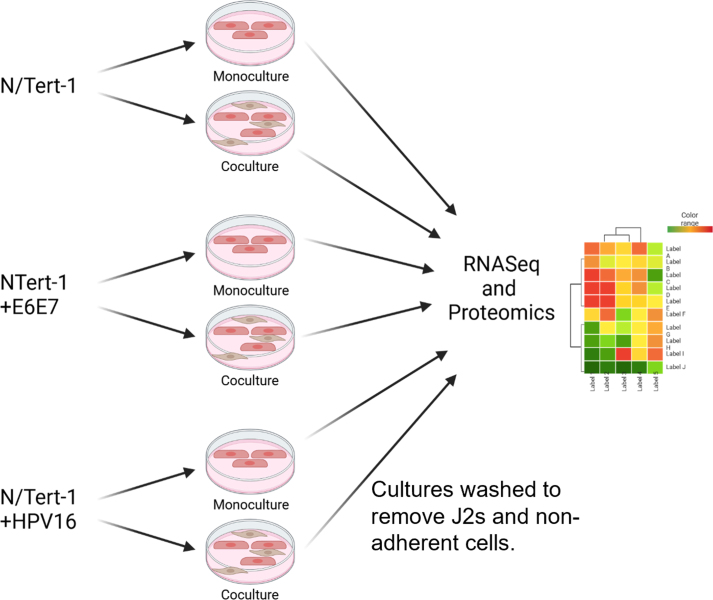
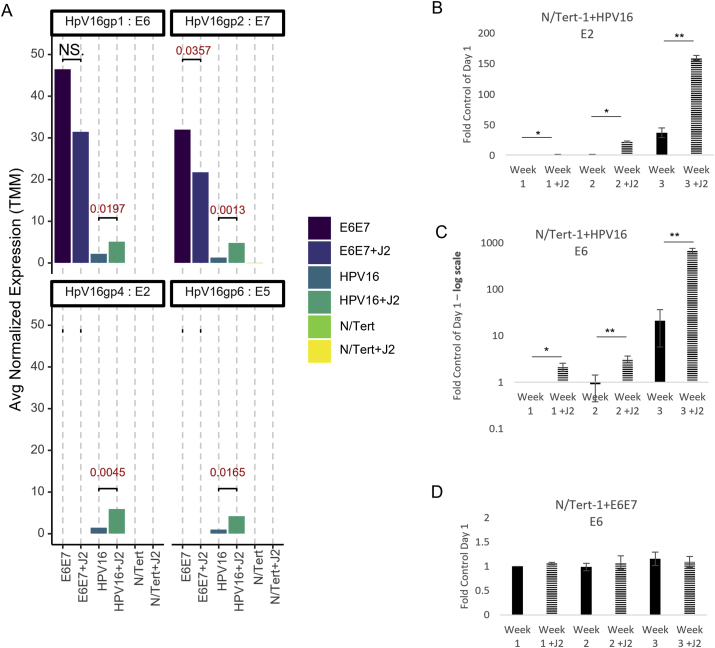
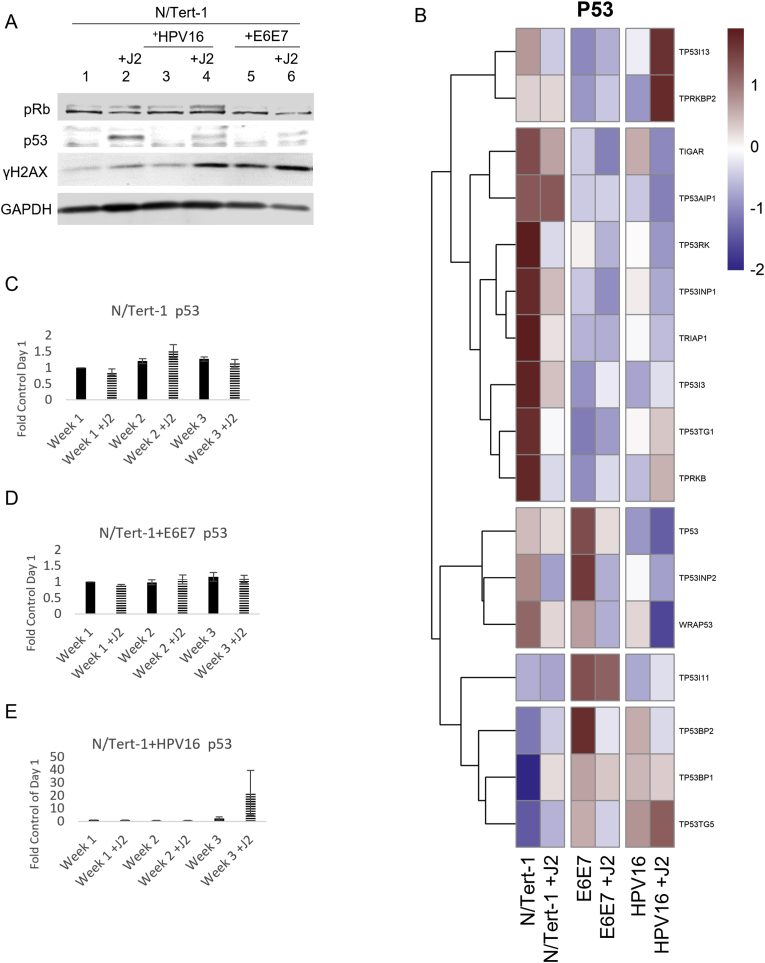
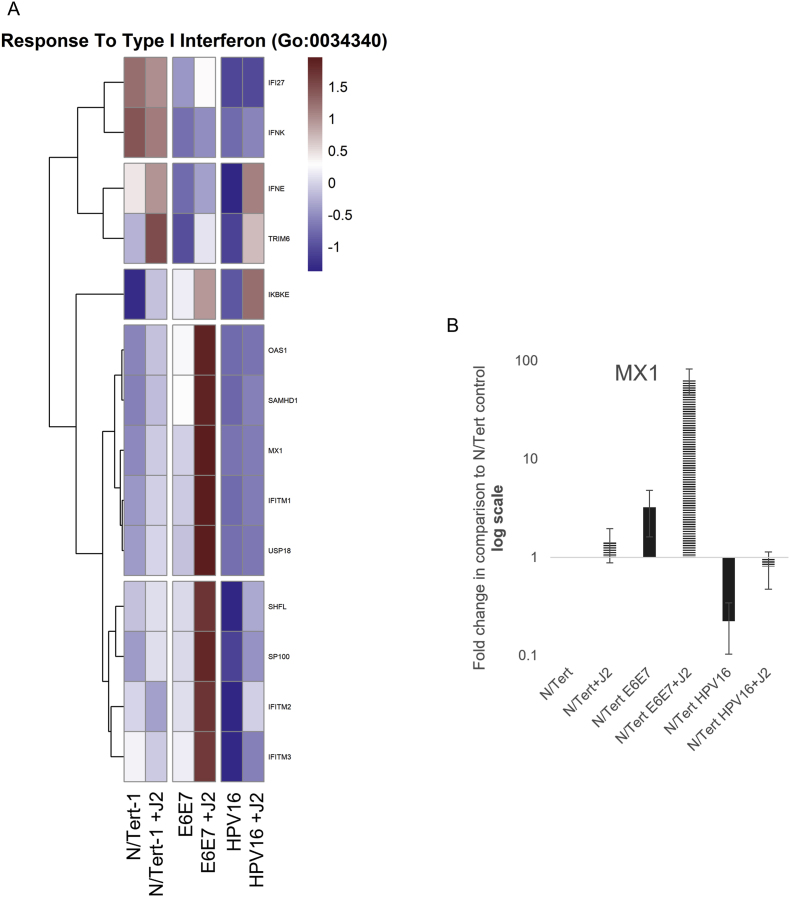
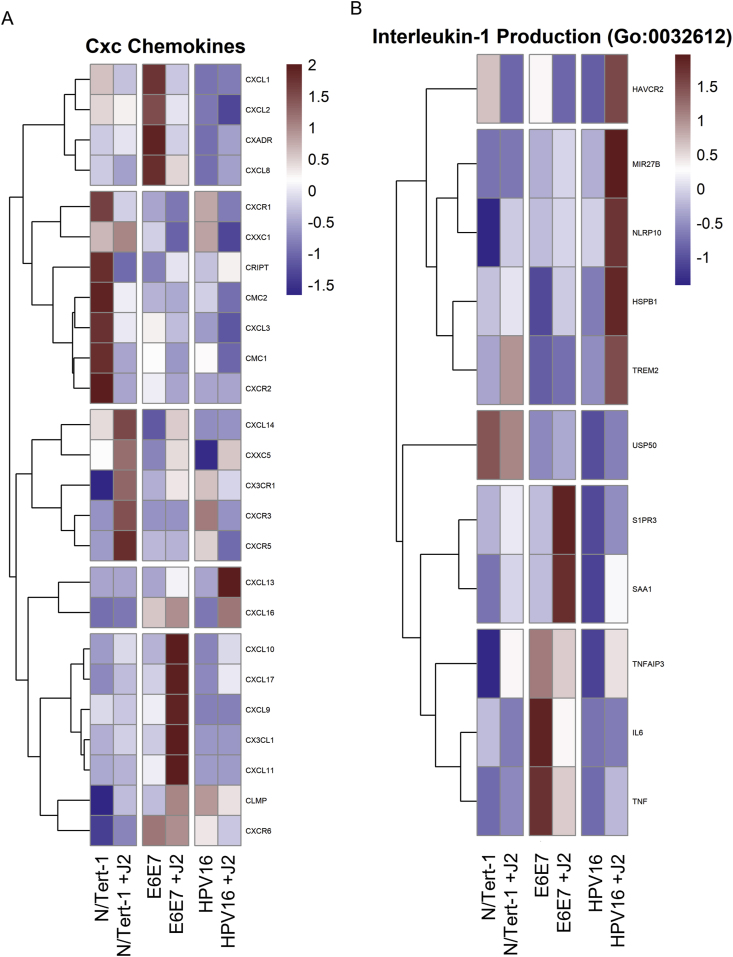
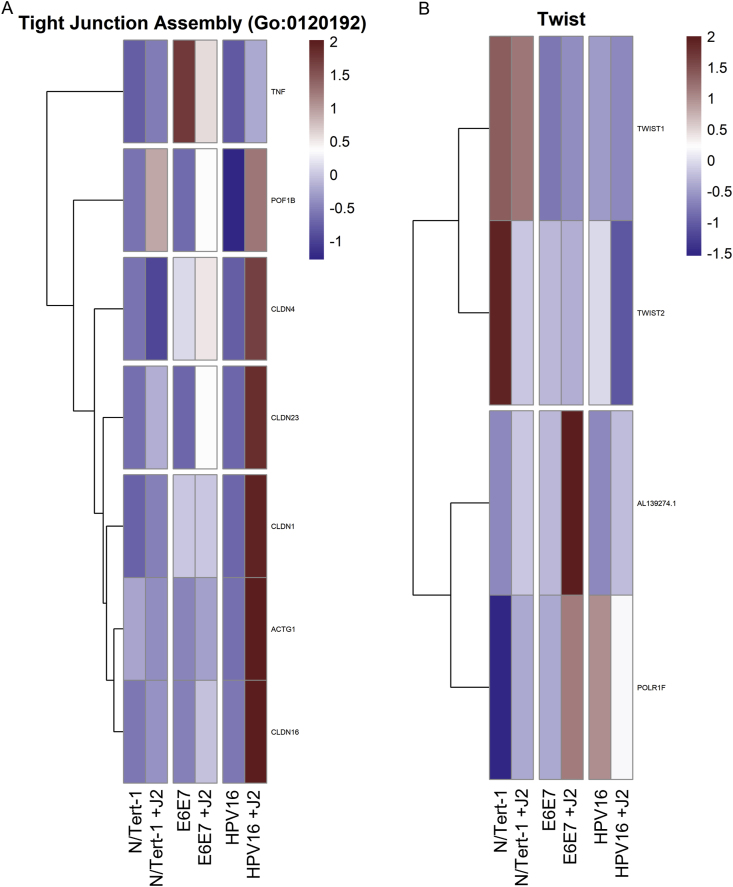
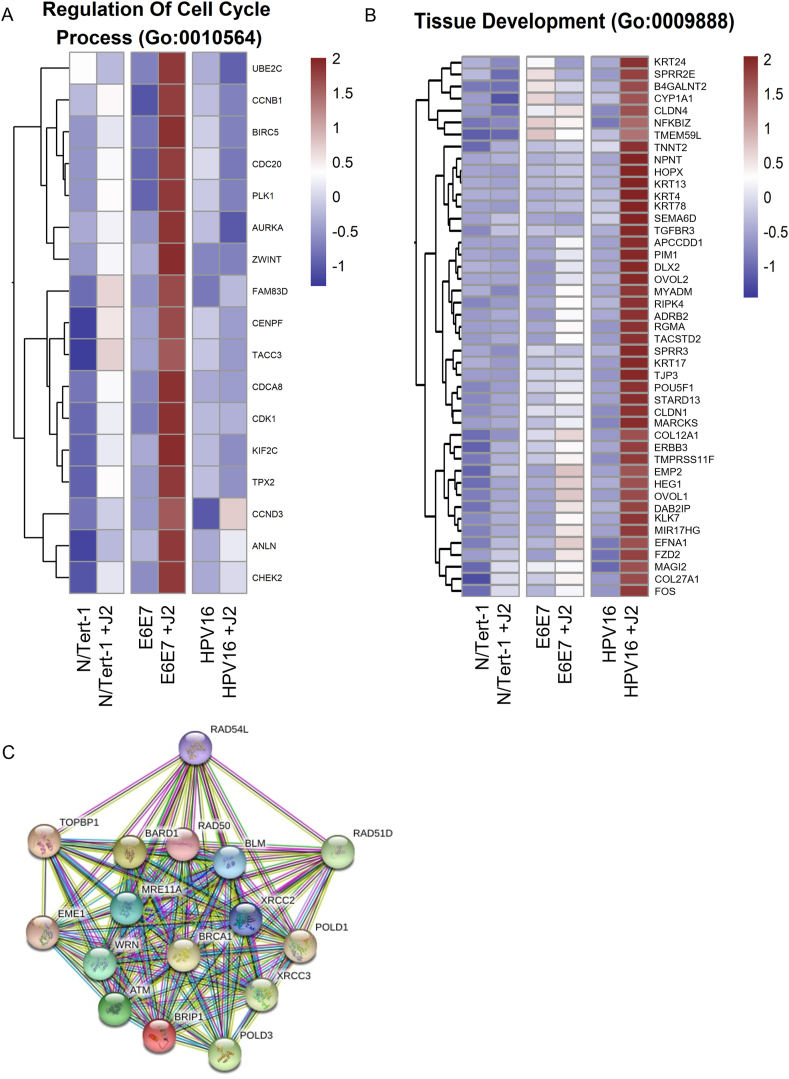
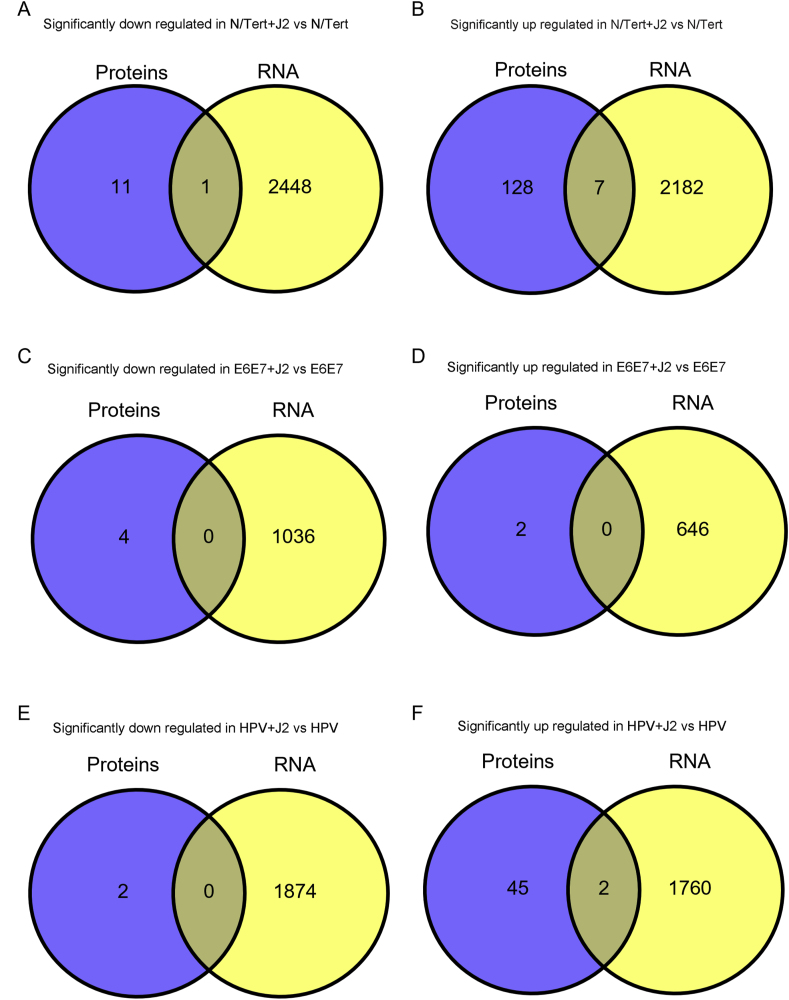
Persistent human papillomavirus (HPV) infection is necessary but insufficient for viral oncogenesis. Additional contributing co-factors, such as immune evasion and viral integration have been implicated in HPV-induced cancer progression. It is widely accepted that HPV + keratinocytes require co-culture with fibroblasts to maintain viral DNA as episomes. How fibroblasts regulate viral episome maintenance is a critical knowledge gap. Here we present comprehensive RNA sequencing and proteomic analysis demonstrating that coculture with fibroblasts is supportive of the viral life cycle, and is confirmatory of previous observations. Novel observations suggest that errors in "cross-talk" between fibroblasts and infected keratinocytes may regulate HPV integration and drive oncogenic progression. Our co-culture models offer new insights into HPV-related transformation mechanisms.
持续性人乳头瘤病毒(HPV)感染是病毒致癌发生的必要但不充分条件。其他促成性辅助因素,如免疫逃逸和病毒整合,已被认为与HPV诱导的癌症进展有关。人们普遍认为,HPV阳性角质形成细胞需要与成纤维细胞共培养才能将病毒DNA维持为游离型。成纤维细胞如何调节病毒游离型维持是一个关键的知识空白。在此,我们展示了全面的RNA测序和蛋白质组学分析,证明与成纤维细胞共培养支持病毒生命周期,并证实了先前的观察结果。新的观察结果表明,成纤维细胞与受感染角质形成细胞之间“串扰”中的错误可能调节HPV整合并推动致癌进展。我们的共培养模型为HPV相关的转化机制提供了新的见解。