Kluglein Kimberly A, South Shannon C, Toska Erjola, Nadolny Riley, Yagoda Alexis, Krusz Stephanie J
Dr. Kiran C. Patel College of Osteopathic Medicine, Nova Southeastern University, Clearwater, USA.
School of Medicine, Lake Erie College of Osteopathic Medicine, Bradenton, USA.
Cureus. 2024 Nov 12;16(11):e73555. doi: 10.7759/cureus.73555. eCollection 2024 Nov.
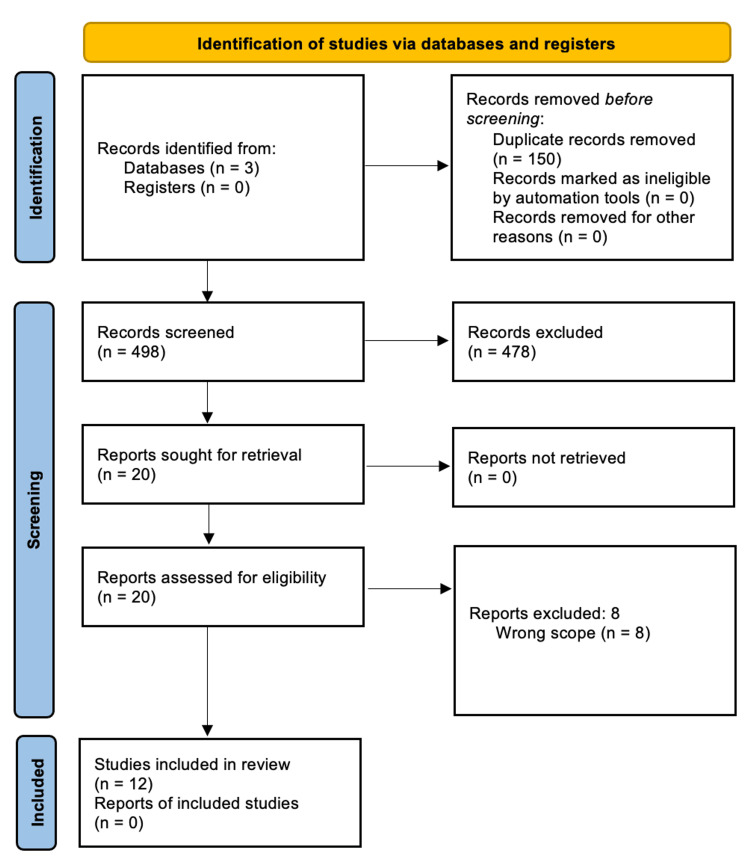
Seborrheic dermatitis (SD), a chronic inflammatory skin condition consisting of itchy, red patches with greasy scales, has been linked to numerous systemic conditions. This review evaluates comorbidities and lifestyle factors that are associated with seborrheic dermatitis. A literary search was conducted in August 2024 using EMBASE, PubMed, and Medline Industries, and evaluated according to Preferred Reporting Items for Systematic Reviews and Meta-Analyses (PRISMA) guidelines. The following results were found from this search. Diet may play a role in seborrheic dermatitis as participants with a diet high in simple carbohydrates, high in vitamin D, and low in iron have a higher instance of disease. Femoral cartilage thickness (FCT), a potential indicator of early osteoarthritis, was greater in patients with SD than in controls and was positively correlated with increasing SD severity. SD has also been associated with chronic diseases. Nearly half of Parkinson's disease (PD) patients in one study also had SD. As the severity of Parkinson's disease symptoms increases, the development of SD was observed to occur at a much higher rate, with the burden of SD positively correlated to the severity of PD symptoms. In one cross-sectional study of patients with SD, the most common systemic comorbidities were hypertension and diabetes, however, this finding was not statistically significant. Another study found that obesity was common amongst patients with SD, but this finding was also not significant. Visceral protein levels and height, however, were positively associated with increased SD disease severity. Metabolic syndrome and lower high-density lipoprotein (HDL) and triglycerides have been shown to be associated with more severe SD. Osteoporosis had a higher prevalence and faster disease progression in individuals with comorbid SD than in controls. Around 16% of individuals with psychiatric disorders, such as schizophrenia, bipolar disorder, and major depressive disorder, were found to have SD. HIV is a disease with higher incidence of SD, although the prevalence of comorbid SD may be decreasing as the use of antiretroviral therapy increases. These associations highlight the complex nature of seborrheic dermatitis and underscore the necessity for further research to better understand these relationships and improve disease management.
脂溢性皮炎(SD)是一种慢性炎症性皮肤病,表现为瘙痒、红色斑块并伴有油腻鳞屑,它与多种全身性疾病有关。本综述评估了与脂溢性皮炎相关的合并症和生活方式因素。2024年8月使用EMBASE、PubMed和Medline Industries进行了文献检索,并根据系统评价和Meta分析的首选报告项目(PRISMA)指南进行评估。本次检索得出以下结果。饮食可能在脂溢性皮炎中起作用,因为摄入高糖、高维生素D和低铁饮食的参与者患该病的几率更高。股骨软骨厚度(FCT)是早期骨关节炎的一个潜在指标,脂溢性皮炎患者的该指标高于对照组,且与脂溢性皮炎严重程度的增加呈正相关。脂溢性皮炎还与慢性疾病有关。一项研究中近一半的帕金森病(PD)患者也患有脂溢性皮炎。随着帕金森病症状严重程度的增加,脂溢性皮炎的发病率也更高,脂溢性皮炎的负担与帕金森病症状的严重程度呈正相关。在一项对脂溢性皮炎患者的横断面研究中,最常见的全身性合并症是高血压和糖尿病,但这一发现无统计学意义。另一项研究发现肥胖在脂溢性皮炎患者中很常见,但这一发现也不显著。然而,内脏蛋白水平和身高与脂溢性皮炎疾病严重程度的增加呈正相关。代谢综合征以及较低的高密度脂蛋白(HDL)和甘油三酯已被证明与更严重的脂溢性皮炎有关。合并脂溢性皮炎的个体中骨质疏松症的患病率更高,疾病进展更快。约16%患有精神疾病(如精神分裂症、双相情感障碍和重度抑郁症)的个体被发现患有脂溢性皮炎。HIV感染者患脂溢性皮炎的发生率较高,不过随着抗逆转录病毒疗法的使用增加,合并脂溢性皮炎的患病率可能在下降。这些关联凸显了脂溢性皮炎的复杂性,并强调有必要进一步研究以更好地理解这些关系并改善疾病管理。