Sadanandan Jayanarayanan, Thomas Sithara, Mathew Iny Elizabeth, Huang Zhen, Blackburn Spiros L, Tandon Nitin, Lokhande Hrishikesh, McCrea Pierre D, Bresnick Emery H, Dash Pramod K, McBride Devin W, Harmanci Arif, Ahirwar Lalit K, Jose Dania, Dienel Ari C, Zeineddine Hussein A, Hong Sungha, Kumar T Peeyush
The Vivian L. Smith Department of Neurosurgery, University of Texas Health Science Center McGovern Medical School, Houston, United States.
Departments of Neurology & Neuroscience, University of Wisconsin School of Medicine and Public Health, Madison, United States.
Elife. 2024 Dec 13;12:RP86978. doi: 10.7554/eLife.86978.
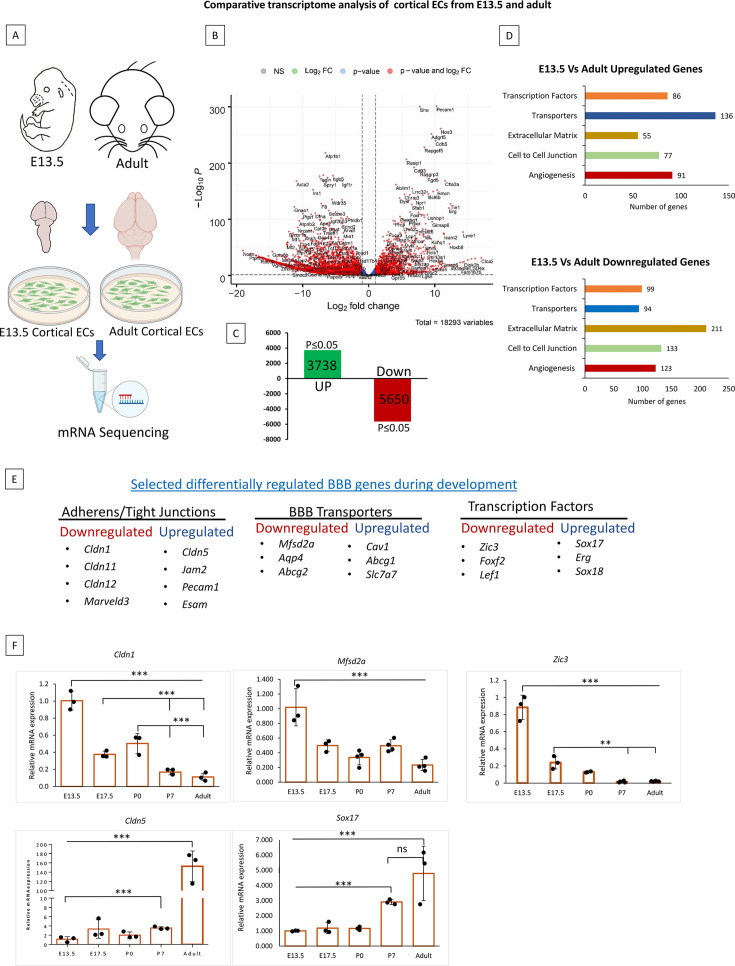
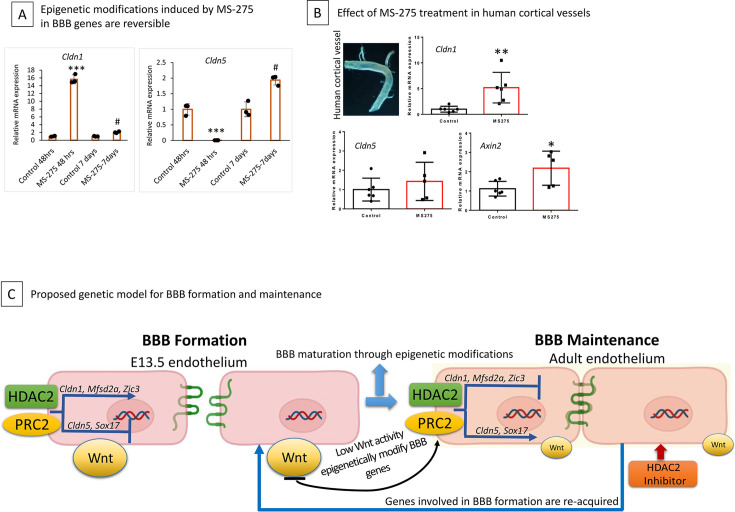
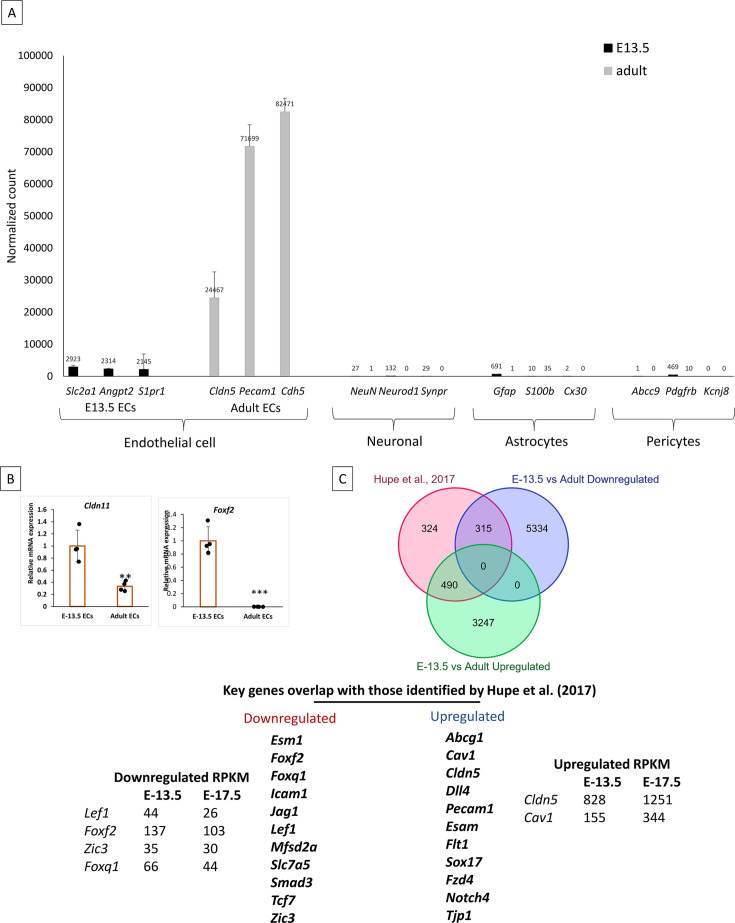
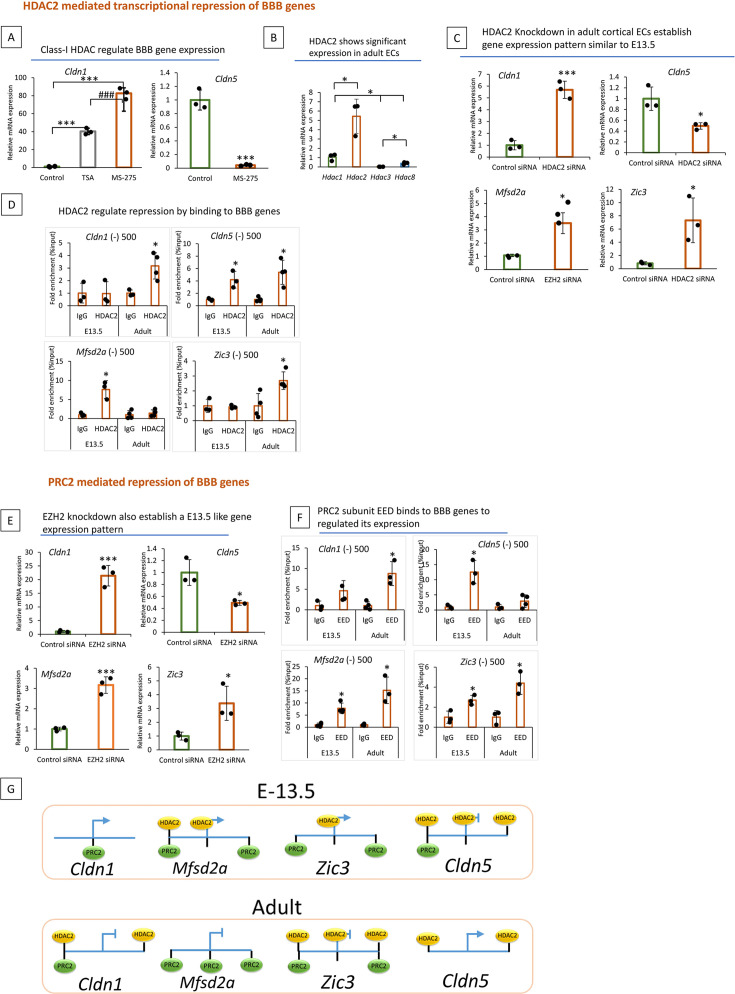
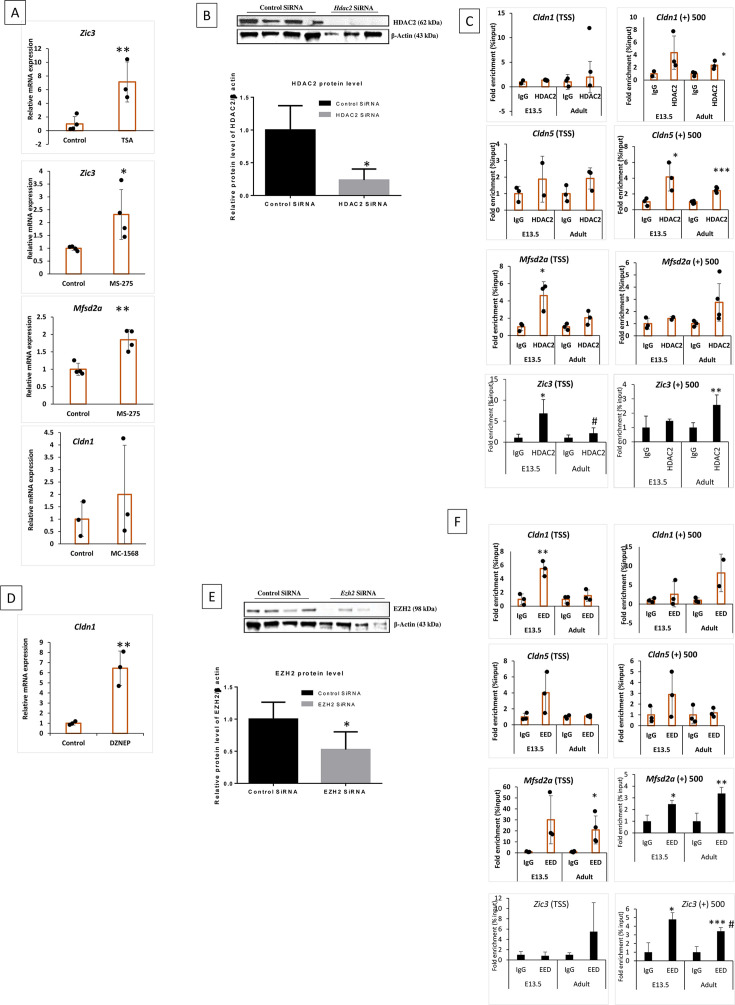
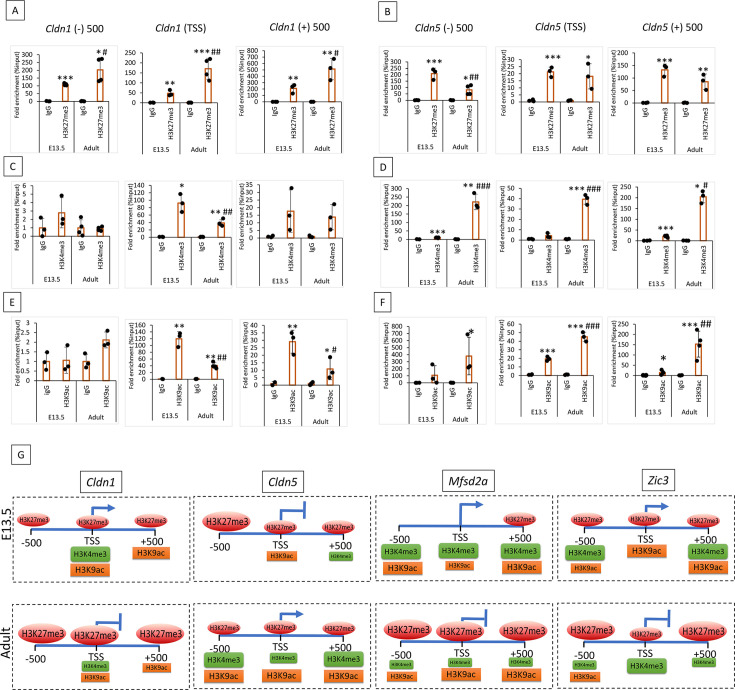
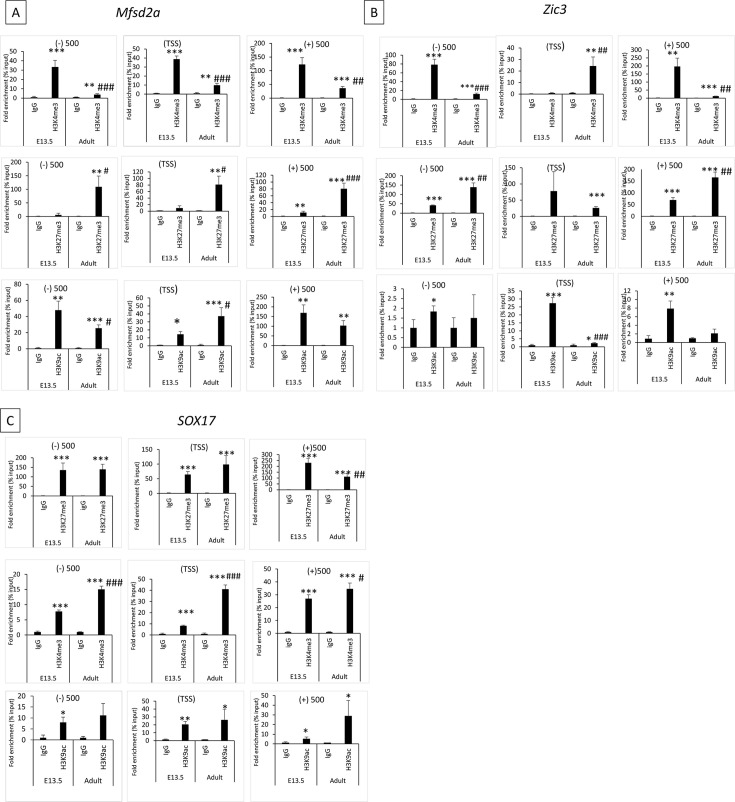
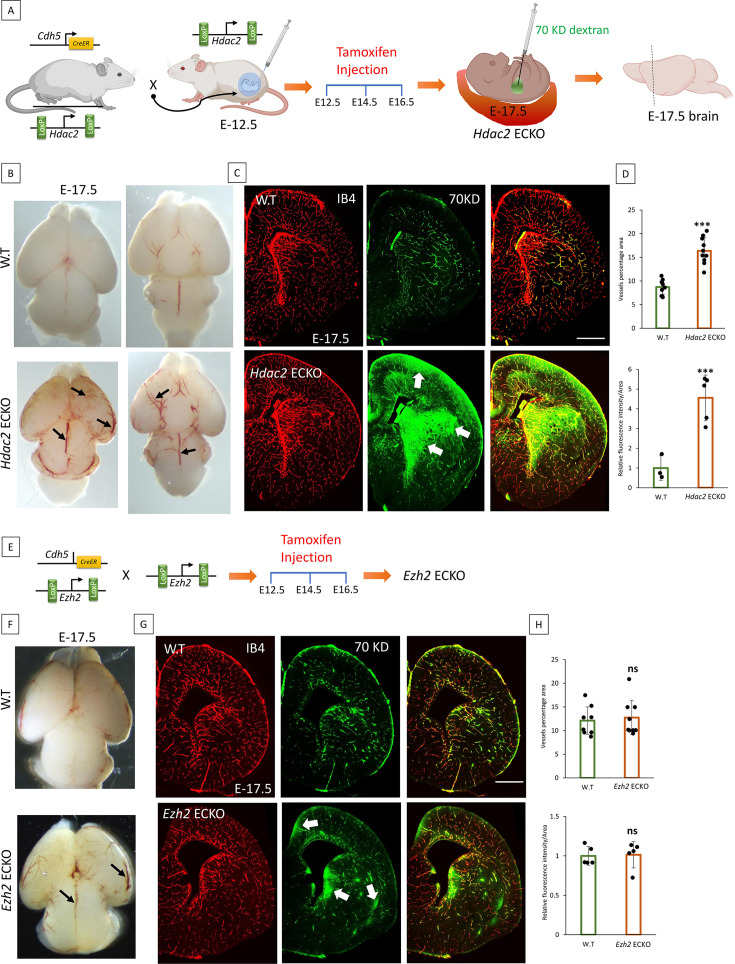
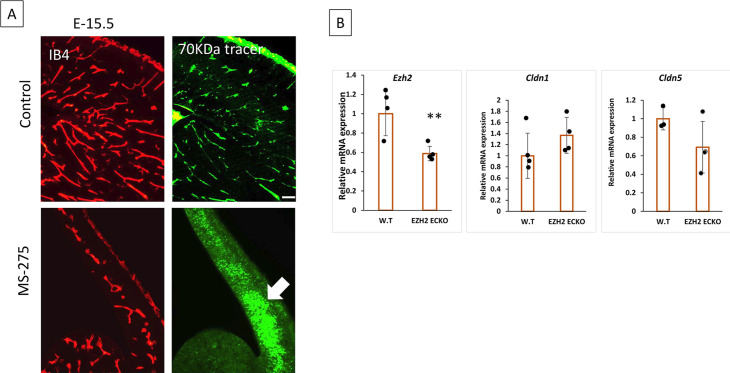
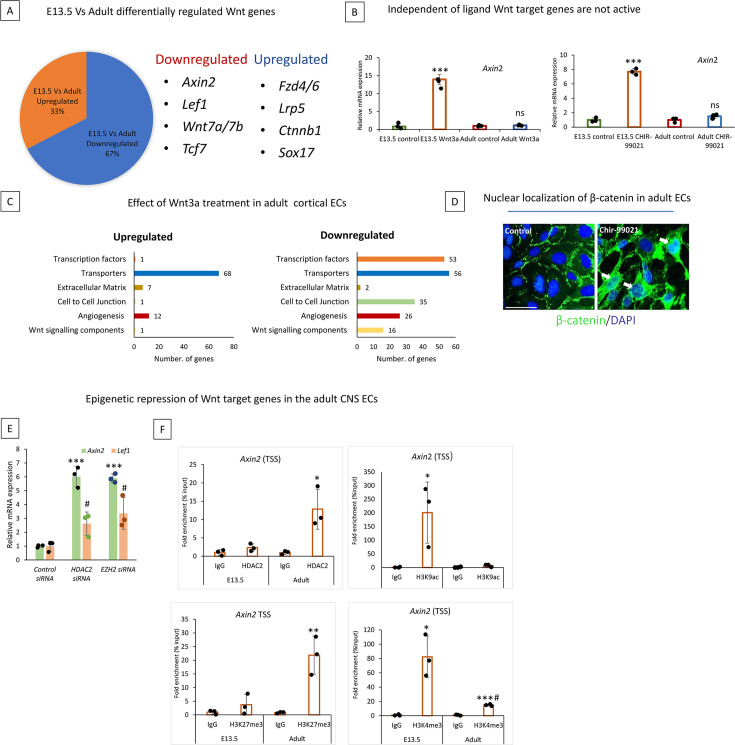
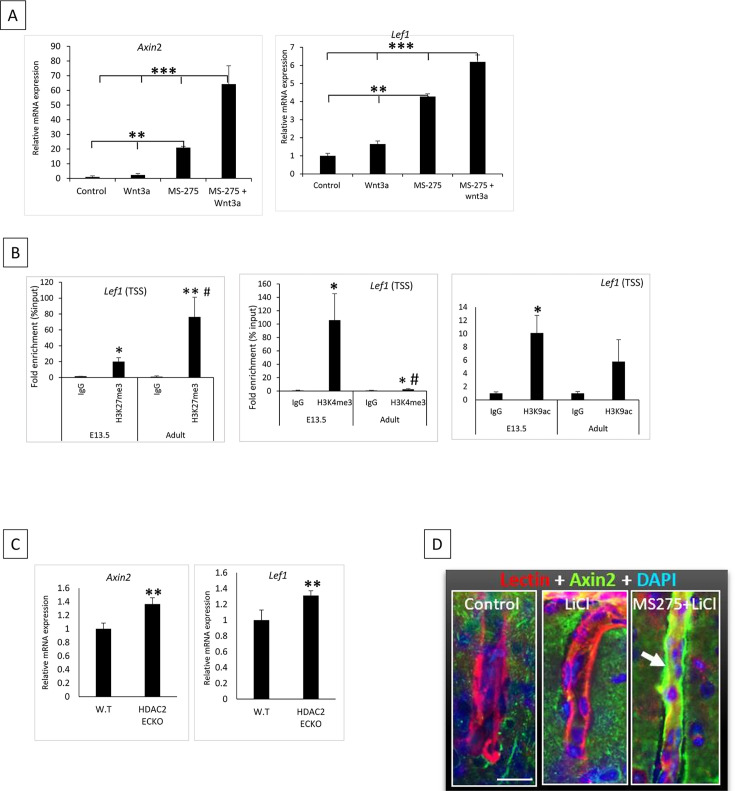
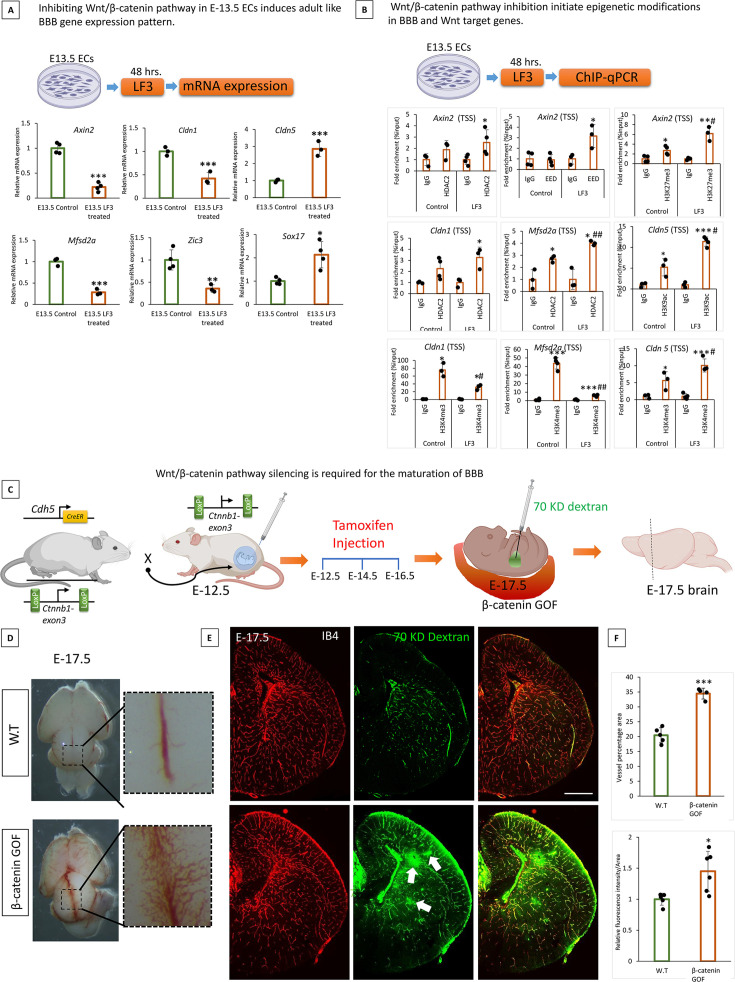
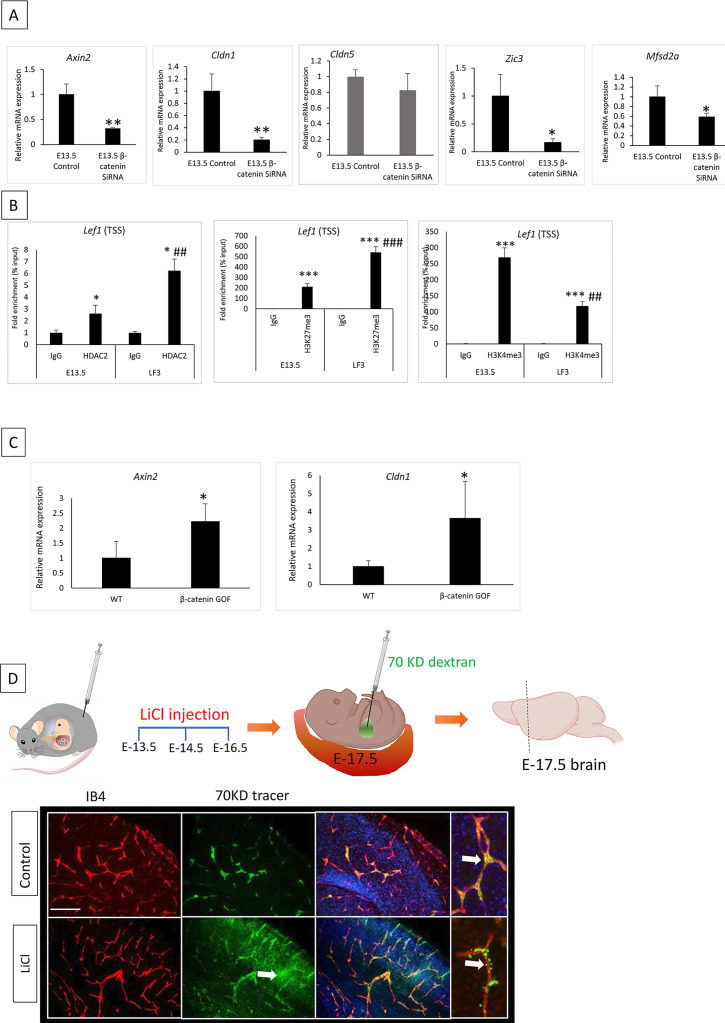
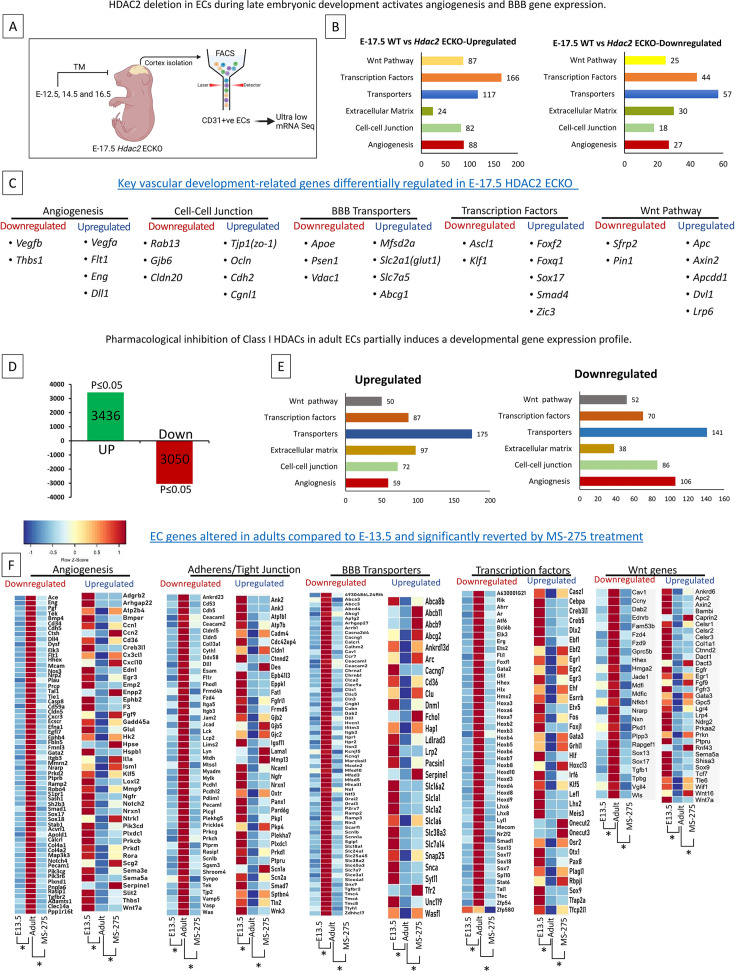
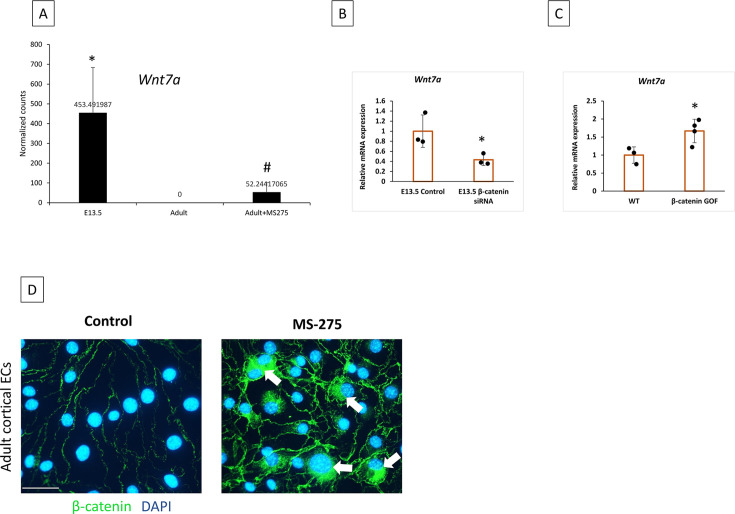
The blood-brain barrier (BBB) controls the movement of molecules into and out of the central nervous system (CNS). Since a functional BBB forms by mouse embryonic day E15.5, we reasoned that gene cohorts expressed in CNS endothelial cells (EC) at E13.5 contribute to BBB formation. In contrast, adult gene signatures reflect BBB maintenance mechanisms. Supporting this hypothesis, transcriptomic analysis revealed distinct cohorts of EC genes involved in BBB formation and maintenance. Here, we demonstrate that epigenetic regulator's histone deacetylase 2 (HDAC2) and polycomb repressive complex 2 (PRC2) control EC gene expression for BBB development and prevent Wnt/β-catenin (Wnt) target genes from being expressed in adult CNS ECs. Low Wnt activity during development modifies BBB genes epigenetically for the formation of functional BBB. As a Class-I HDAC inhibitor induces adult CNS ECs to regain Wnt activity and BBB genetic signatures that support BBB formation, our results inform strategies to promote BBB repair.
血脑屏障(BBB)控制分子进出中枢神经系统(CNS)。由于功能性血脑屏障在小鼠胚胎期第15.5天(E15.5)形成,我们推测在胚胎期第13.5天(E13.5)中枢神经系统内皮细胞(EC)中表达的基因群组有助于血脑屏障的形成。相比之下,成年期的基因特征反映了血脑屏障的维持机制。转录组分析支持了这一假设,揭示了参与血脑屏障形成和维持的不同内皮细胞基因群组。在此,我们证明表观遗传调节因子组蛋白去乙酰化酶2(HDAC2)和多梳抑制复合物2(PRC2)控制血脑屏障发育过程中的内皮细胞基因表达,并阻止Wnt/β-连环蛋白(Wnt)靶基因在成年中枢神经系统内皮细胞中表达。发育过程中低水平的Wnt活性通过表观遗传修饰血脑屏障基因,以形成功能性血脑屏障。由于I类HDAC抑制剂可诱导成年中枢神经系统内皮细胞恢复Wnt活性和支持血脑屏障形成的血脑屏障基因特征,我们的研究结果为促进血脑屏障修复的策略提供了依据。