Iida Yuichi, Harada Mamoru
Immunology, Shimane University Faculty of Medicine Graduate School of Medicine, Izumo, Japan
Immunology, Shimane University Faculty of Medicine Graduate School of Medicine, Izumo, Japan.
J Immunother Cancer. 2024 Dec 10;12(12):e009683. doi: 10.1136/jitc-2024-009683.
Immune checkpoint blockade is a promising anticancer therapy, whereas the presence of T cells in tumor sites is indispensable for its therapeutic efficacy. To promote the infiltration of T cells and dendritic cells (DCs) into the tumor, we previously proposed a local cell therapy using chemokine (C-C motif) ligand 19 (CCL19)-expressing immortalized syngeneic immortalized mesenchymal stem cells (syn-iMSC/CCL19). However, the preparation of syngeneic/autologous MSC from individual hosts limits the clinical application of this cell therapy.
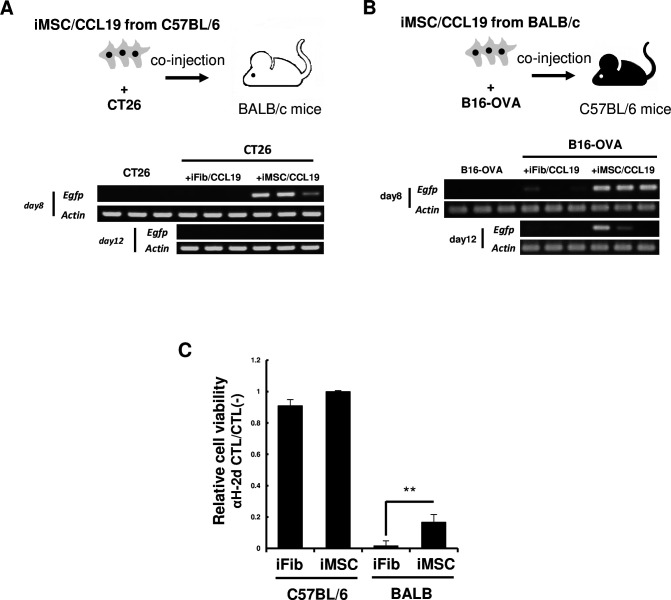
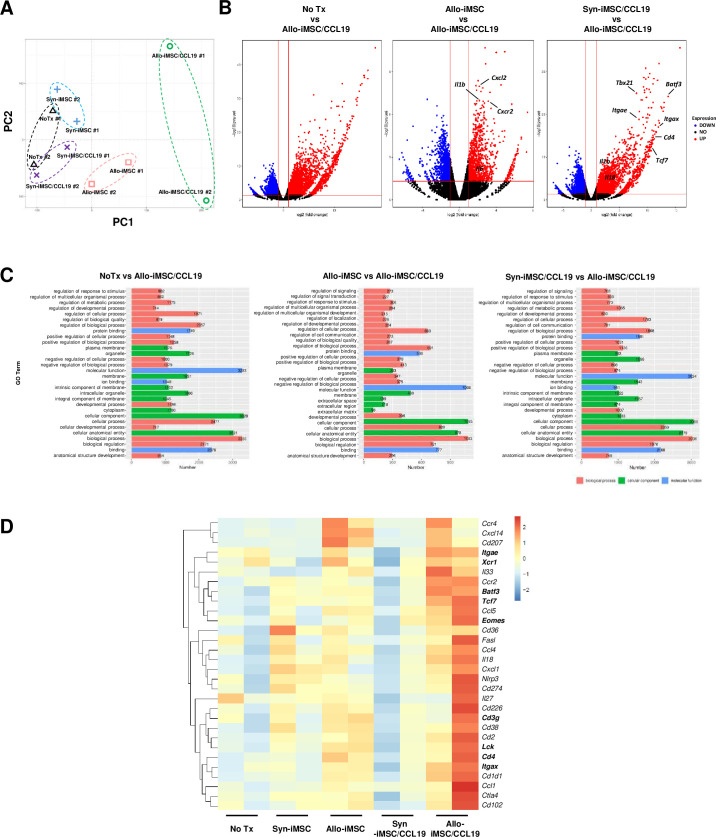
In this study, we further developed a new cell therapy using allogeneic iMSC/CCL19 (allo-iMSC/CCL19) using several tumor mice models.
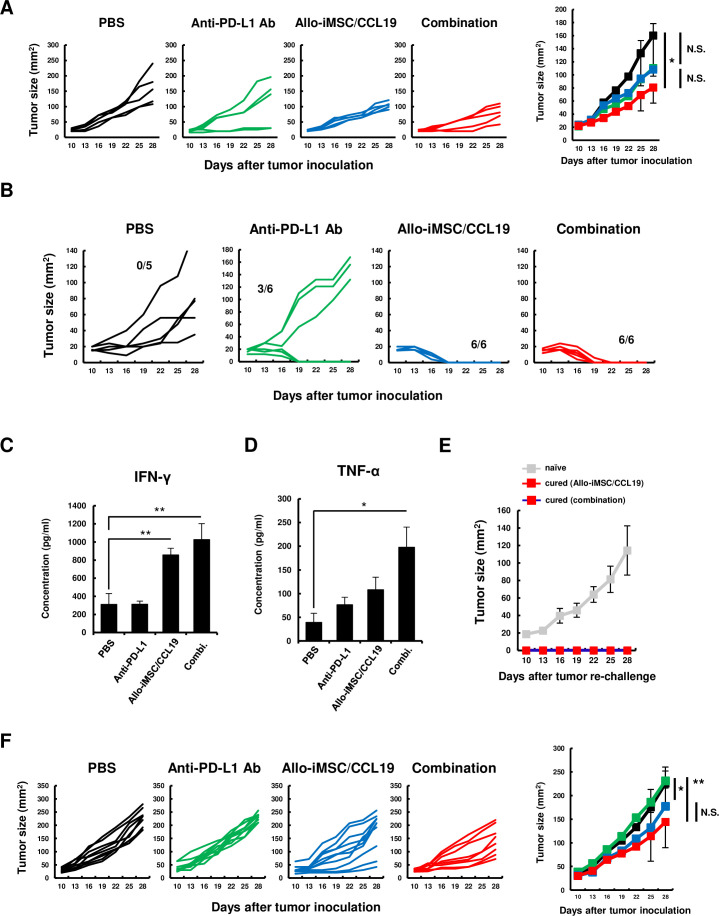
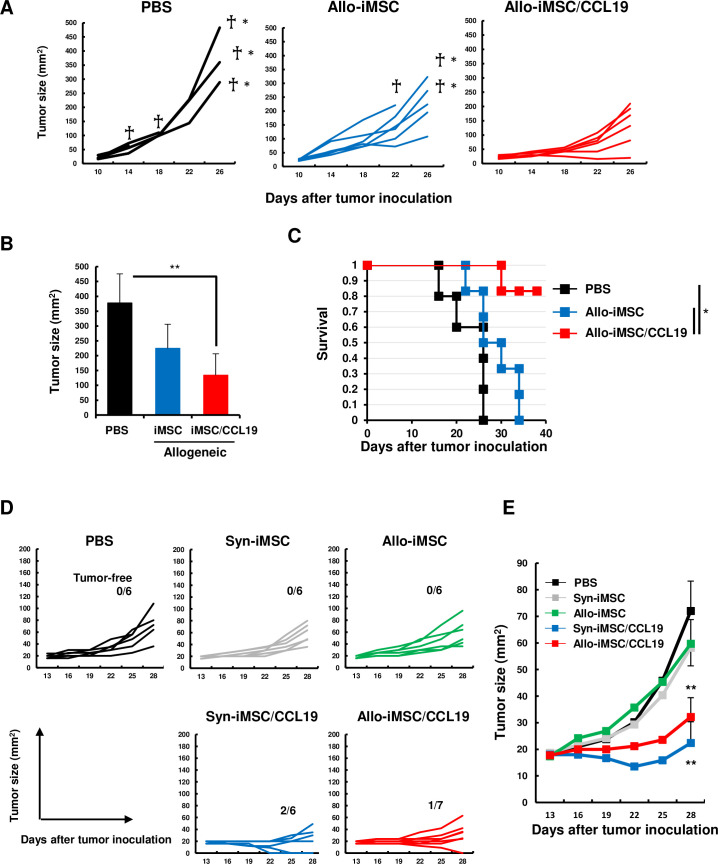
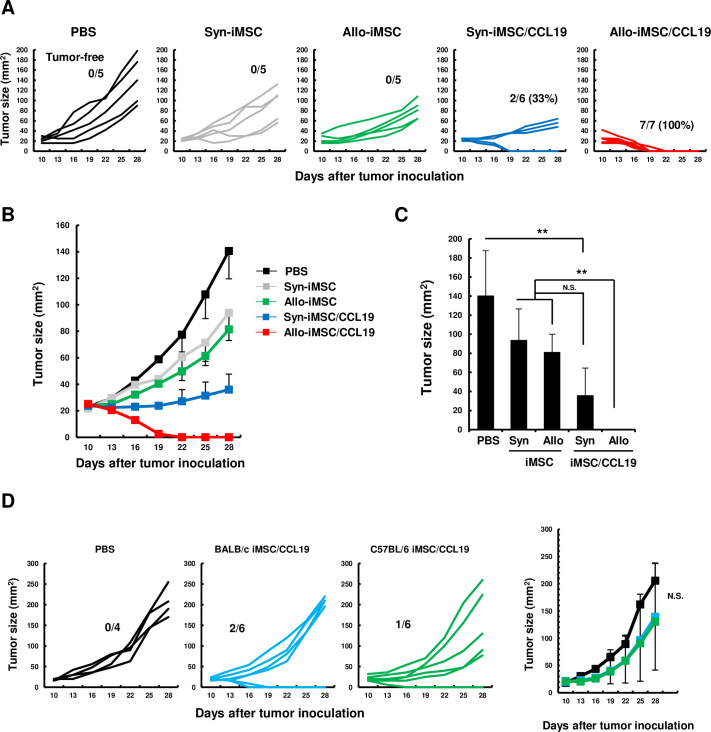
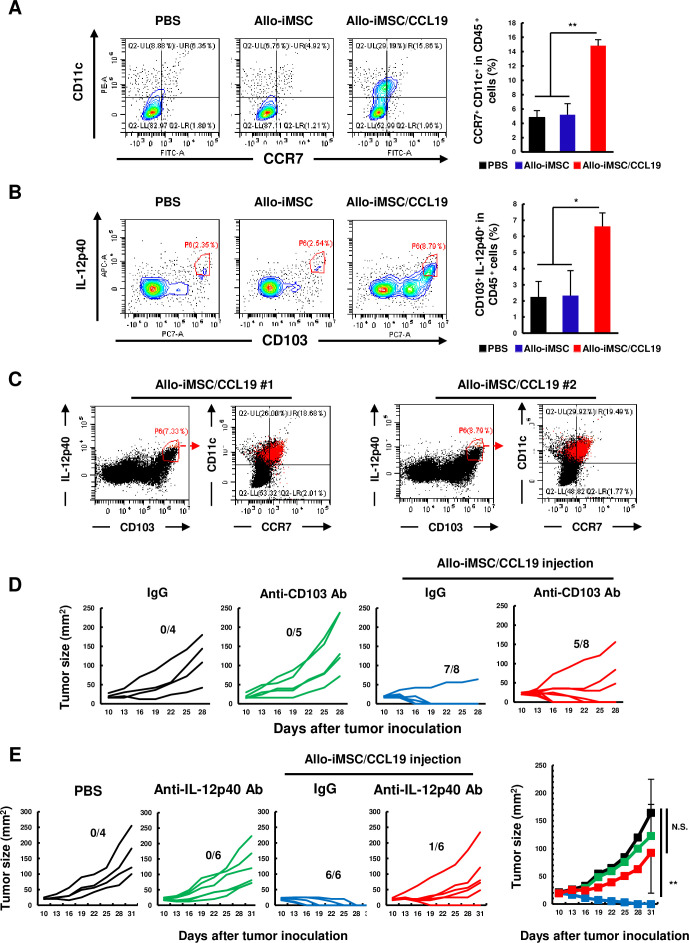
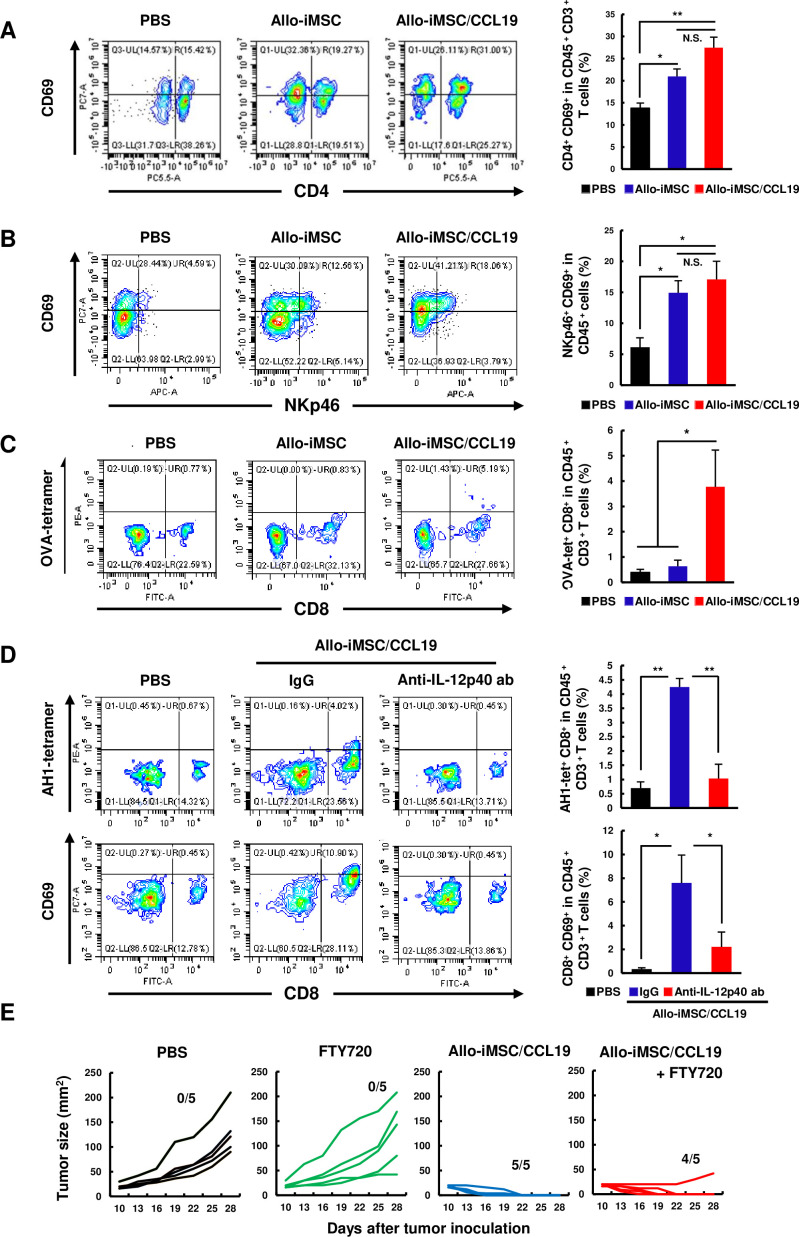
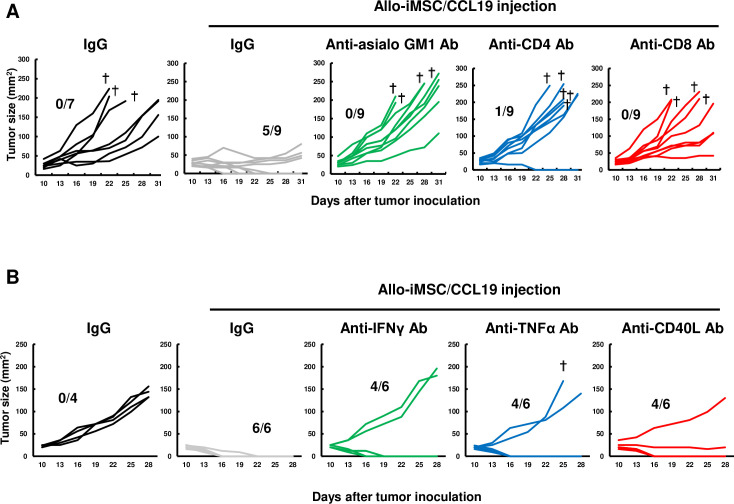
The allo-iMSC/CCL19 therapy exerted drastic antitumor effects, in which the host's T cells were induced to respond to allogeneic MSC. In addition, the allo-iMSC/CCL19 therapy promoted the infiltration of CD103 interleukin (IL)-12-producing DCs and priming of CD8 T cells at tumor sites compared with that using syn-iMSC/CCL19. The antitumor effect of allo-iMSC/CCL19 therapy was not influenced by fingolimod, a sphingosine 1-phosphate receptor modulator, implying no involvement of draining lymph nodes in the priming of tumor-specific T cells.
These results suggest that allo-iMSC/CCL19 therapy exerts dramatic antitumor effects by promoting the infiltration of CD103 IL-12-producing DCs and thereby priming tumor-specific CD8 T cells at tumor sites. This local cell therapy could be a promising approach to anticancer therapy, particularly for overcoming dysfunction in the cancer-immunity cycle.
免疫检查点阻断是一种很有前景的抗癌疗法,而肿瘤部位T细胞的存在对其治疗效果至关重要。为促进T细胞和树突状细胞(DCs)浸润到肿瘤中,我们之前提出了一种使用表达趋化因子(C-C基序)配体19(CCL19)的永生化同基因间充质干细胞(syn-iMSC/CCL19)的局部细胞疗法。然而,从个体宿主制备同基因/自体间充质干细胞限制了这种细胞疗法的临床应用。
在本研究中,我们使用多种肿瘤小鼠模型进一步开发了一种使用异基因iMSC/CCL19(allo-iMSC/CCL19)的新细胞疗法。
allo-iMSC/CCL19疗法发挥了显著的抗肿瘤作用,其中宿主的T细胞被诱导对异基因间充质干细胞产生反应。此外,与使用syn-iMSC/CCL19相比,allo-iMSC/CCL19疗法促进了肿瘤部位产生白细胞介素(IL)-12的CD103 DCs的浸润以及CD8 T细胞的启动。allo-iMSC/CCL19疗法的抗肿瘤作用不受芬戈莫德(一种鞘氨醇1-磷酸受体调节剂)的影响,这意味着引流淋巴结未参与肿瘤特异性T细胞的启动。
这些结果表明,allo-iMSC/CCL19疗法通过促进产生IL-12的CD103 DCs的浸润,从而在肿瘤部位启动肿瘤特异性CD8 T细胞,发挥显著的抗肿瘤作用。这种局部细胞疗法可能是一种很有前景的抗癌治疗方法,特别是对于克服癌症免疫循环中的功能障碍。