Balestra Francesco, De Luca Maria, Panzetta Giorgia, Depalo Nicoletta, Rizzi Federica, Mastrogiacomo Rita, Coletta Sergio, Serino Grazia, Piccinno Emanuele, Stabile Dolores, Pesole Pasqua Letizia, De Nunzio Valentina, Pinto Giuliano, Cerabino Nicole, Di Chito Martina, Notarnicola Maria, Shahini Endrit, De Pergola Giovanni, Scavo Maria Principia
Laboratory of Molecular Medicine, National Institute of Gastroenterology IRCCS "S. de Bellis", Via Turi 27, Castellana Grotte, 70013 Bari, Italy.
Institute for Chemical-Physical Processes, Italian National Research Council (IPCF)-CNR SS Bari, Via Orabona 4, 70125 Bari, Italy.
Nutrients. 2024 Dec 4;16(23):4189. doi: 10.3390/nu16234189.
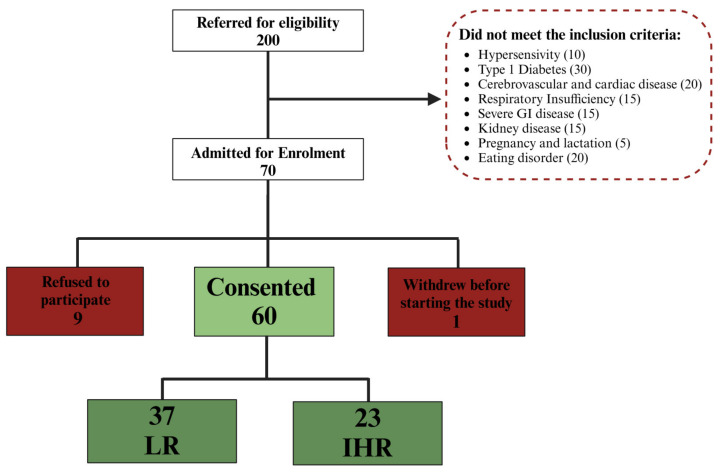
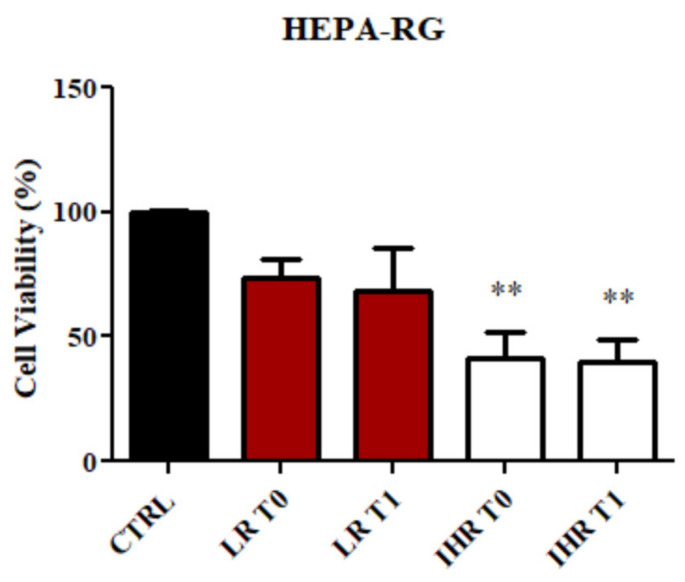
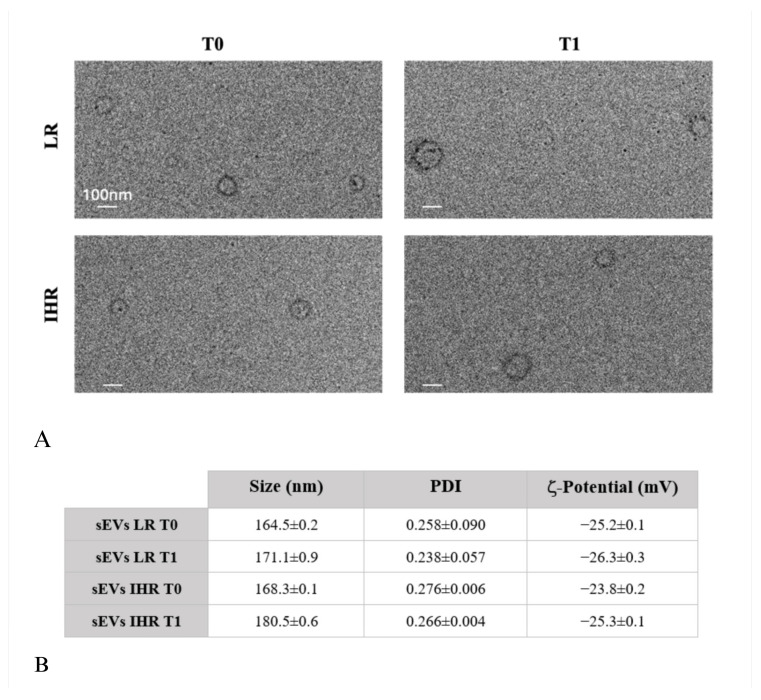
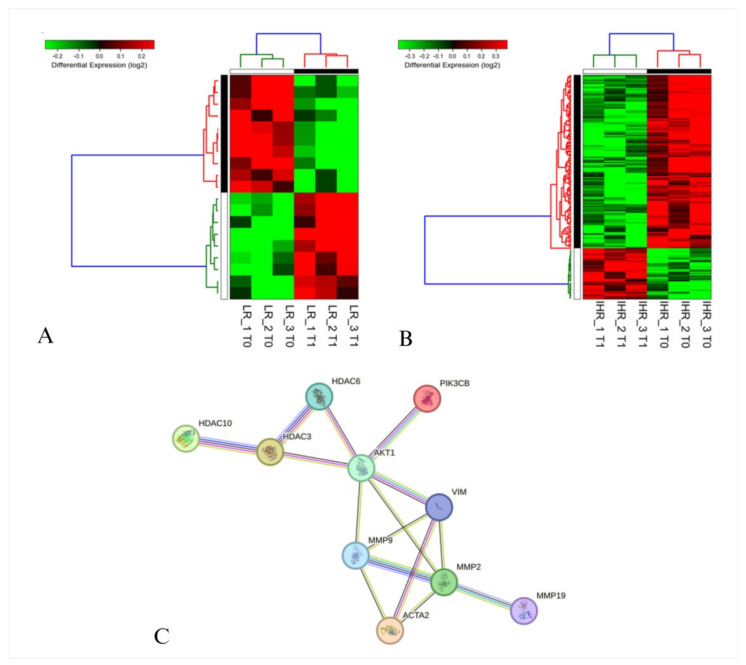
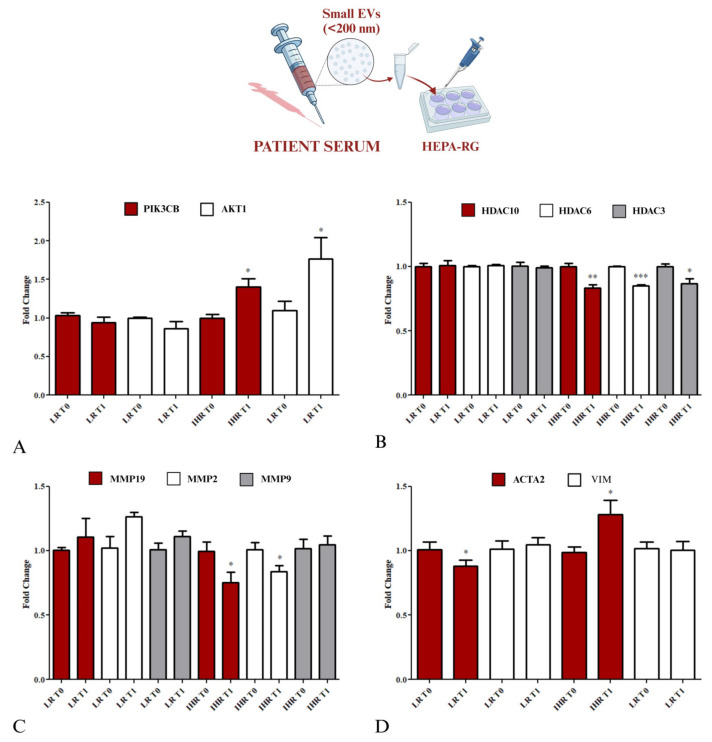
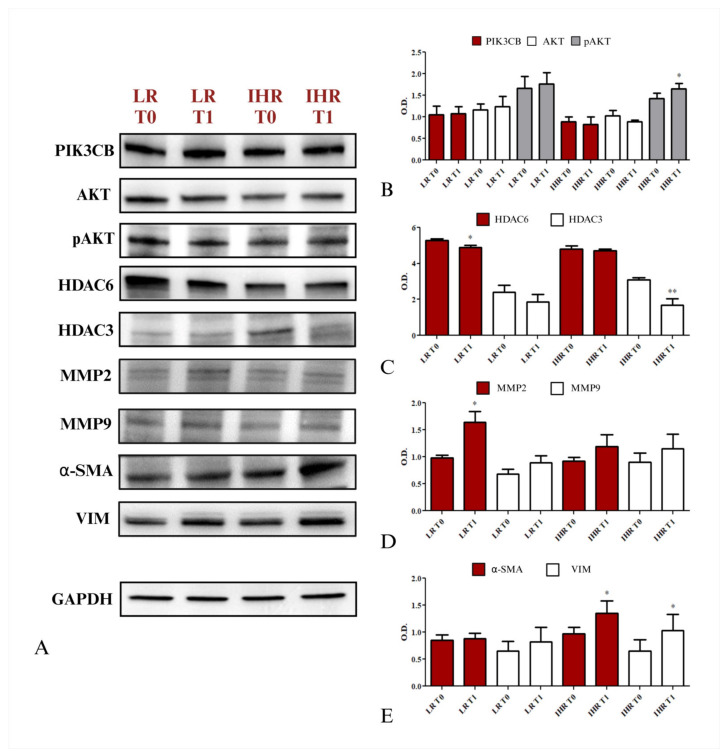
Very low-calorie ketogenic diets (VLCKD) are an effective weight-loss strategy for obese individuals, reducing risks of liver conditions such as non-alcoholic steatohepatitis and fibrosis. Small extracellular vesicles (sEVs) are implicated in liver fibrosis by influencing hepatic cell phenotypes and contributing to liver damage. This study investigates sEVs derived from serum of 60 obese adults categorized into low fibrosis risk (LR) and intermediate/high fibrosis risk (IHR) groups based on FibroScan elastography (FIB E scores, limit value 8 kPa) and all participants underwent an 8-week VLCKD intervention. The study examines the impact of these sEVs on fibrosis markers, inflammation, and autophagy in a hepatocyte cell line (HEPA-RG) using bioinformatics, RNA sequencing, lipidomics, RT-PCR, and Western blotting before (T0) and after (T1) VLCKD. sEVs from LR patients post-VLCKD reduced fibrosis related gene expression (e.g., ACTA2) and enhanced proteins associated with regeneration and inflammation (e.g., HDAC6). Conversely, sEVs from IHR patients increased fibrosis and inflammation related gene expression (PIK3CB, AKT1, ACTA2) in hepatocytes, raising concerns about VLCKD suitability for IHR patients. IHR sEVs also decreased expression of HDAC10, HDAC6, HDAC3, MMP19, and MMP2, while increasing modulation of p-AKT, α-SMA, and VIM. These findings underscore the critical role of sEVs in regulating inflammation, remodeling, and hepatic stress responses, particularly in IHR patients, and suggest sEVs could complement instrumental evaluations like FibroScan in fibrosis assessment.
极低热量生酮饮食(VLCKD)是肥胖个体有效的减肥策略,可降低非酒精性脂肪性肝炎和肝纤维化等肝脏疾病的风险。小细胞外囊泡(sEVs)通过影响肝细胞表型和导致肝损伤而与肝纤维化有关。本研究调查了60名肥胖成年人血清来源的sEVs,这些成年人根据FibroScan弹性成像(FIB E评分,极限值8 kPa)分为低纤维化风险(LR)组和中/高纤维化风险(IHR)组,所有参与者均接受了为期8周的VLCKD干预。该研究在VLCKD干预前(T0)和干预后(T1),使用生物信息学、RNA测序、脂质组学、逆转录聚合酶链反应(RT-PCR)和蛋白质免疫印迹法,检测了这些sEVs对肝细胞系(HEPA-RG)中纤维化标志物、炎症和自噬的影响。VLCKD后LR患者的sEVs降低了纤维化相关基因的表达(如ACTA2),并增强了与再生和炎症相关的蛋白质(如HDAC6)。相反,IHR患者的sEVs增加了肝细胞中纤维化和炎症相关基因的表达(PIK3CB、AKT1、ACTA2),这引发了对VLCKD是否适合IHR患者的担忧。IHR的sEVs还降低了HDAC10、HDAC6、HDAC3、MMP19和MMP2的表达,同时增加了p-AKT、α-SMA和波形蛋白的调节。这些发现强调了sEVs在调节炎症、重塑和肝脏应激反应中的关键作用,特别是在IHR患者中,并表明sEVs可以在纤维化评估中补充FibroScan等仪器评估。