Kim Yon-Suk, Jung Jin-Hwa, Kim Ki-Tae
Department of Biotechnology, College of Biomedical and Health Science, Research Institute of Inflammatory Diseases, Konkuk University, Chungju 27478, Republic of Korea.
Department of Occupational Therapy, Semyung University, Jecheon 27136, Republic of Korea.
Molecules. 2024 Nov 26;29(23):5592. doi: 10.3390/molecules29235592.
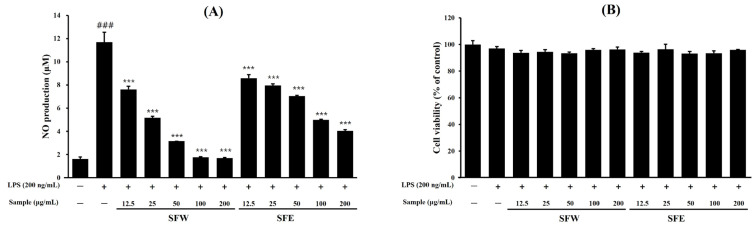
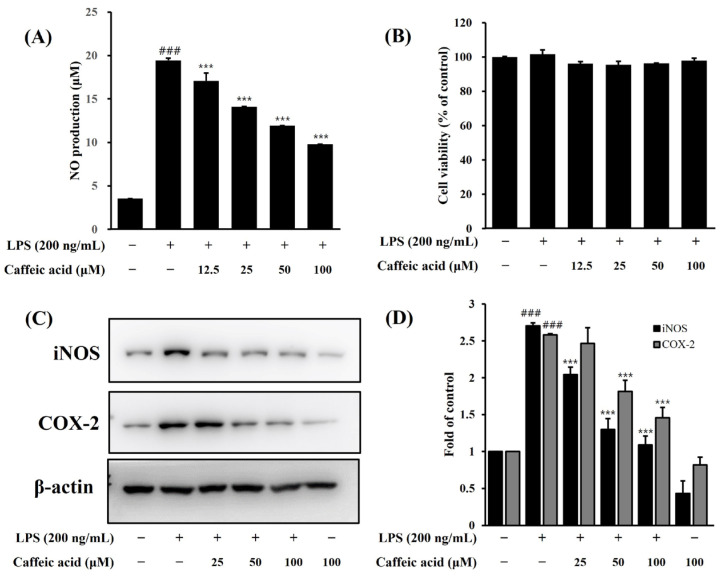
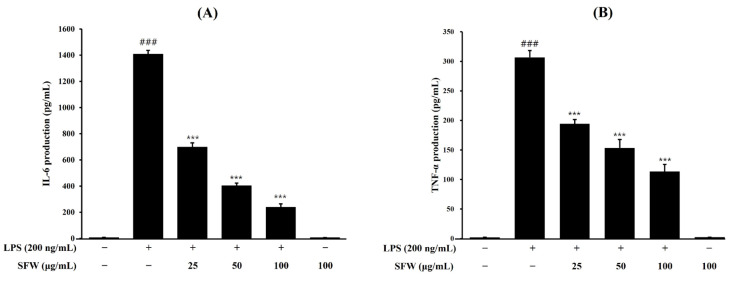
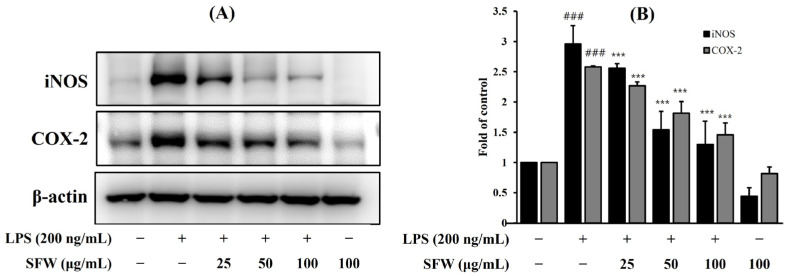
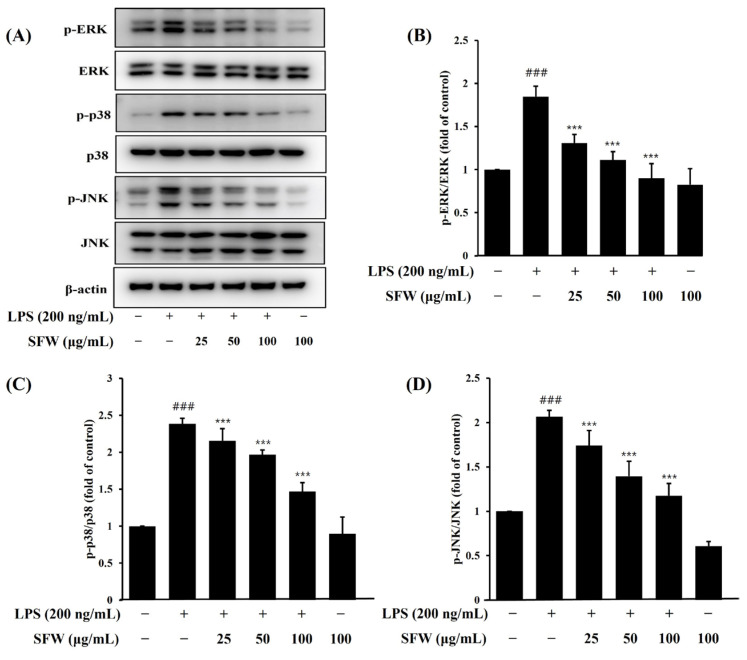
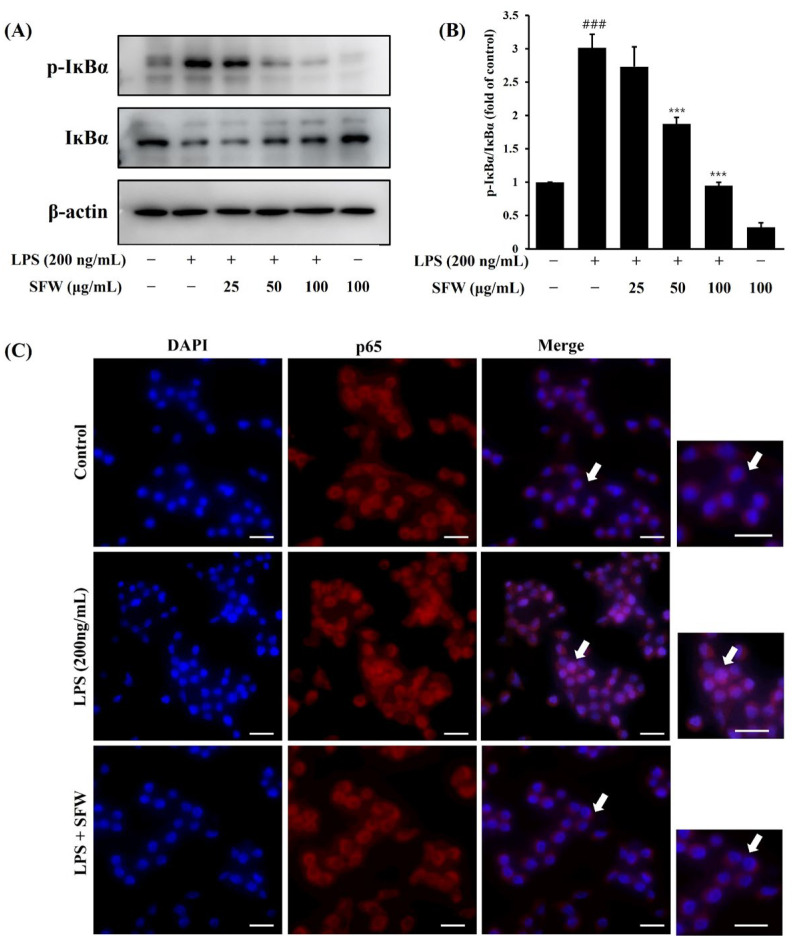
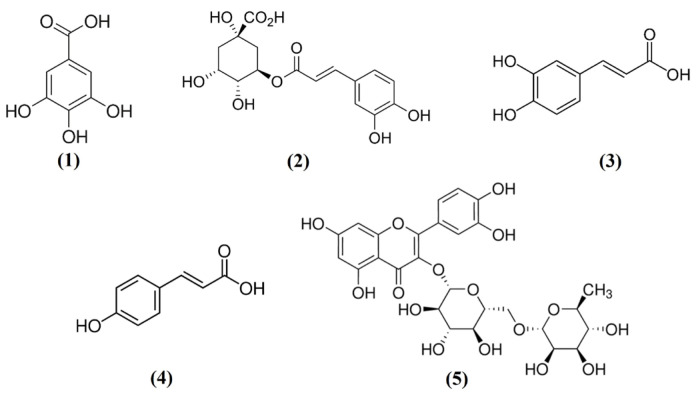
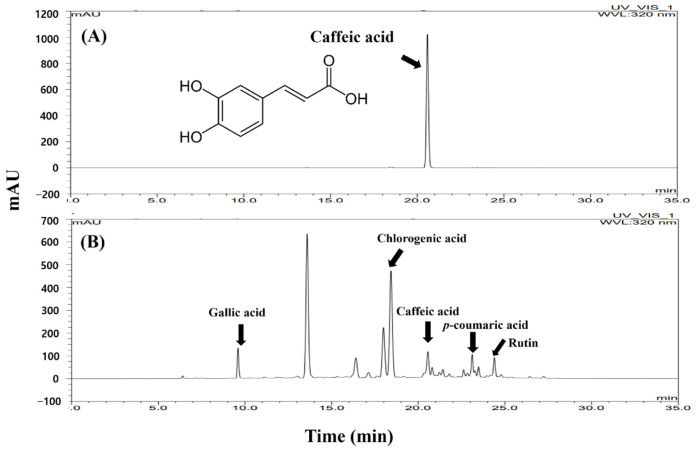
Hedl. is a traditional medicinal plant in Korea, China, and Japan with known antioxidative, anti-inflammatory, anti-atherogenic, and anti-melanin activities. However, its anti-neuroinflammatory effects remain largely unknown. In this study, we investigated the inhibitory effects of fruit extracts on lipopolysaccharide-stimulated pro-inflammatory factors in BV-2 microglia. We compared the anti-neuroinflammatory activity of fruit water extract (SFW) and 70% ethanol extract using a nitric oxide assay. Our data indicated that the SFW (25-100 μg/mL) treatment significantly inhibited excessive nitric oxide production in lipopolysaccharide-stimulated BV-2 microglia compared to the 70% ethanol extract. It also attenuated the expression of inducible nitric oxide synthase, cyclooxygenase-2, and pro-inflammatory cytokines such as interleukin-6 and tumor necrosis factor α. Moreover, SFW exhibited its anti-inflammatory properties by downregulating the expression of factors involved in the extracellular signal-regulated kinase, c-Jun N-terminal kinase, and p38 mitogen-activated protein kinase pathways and by suppressing nuclear factor kappa B. Caffeic acid was identified as a primary component of SFW showing anti-neuroinflammatory activity. These findings suggest that SFW may offer substantial therapeutic potential for the treatment of neurodegenerative diseases involving microglia activation.
Hedl.是一种在韩国、中国和日本的传统药用植物,具有已知的抗氧化、抗炎、抗动脉粥样硬化和抗黑色素活性。然而,其抗神经炎症作用在很大程度上仍不清楚。在本研究中,我们研究了果实提取物对脂多糖刺激的BV-2小胶质细胞中促炎因子的抑制作用。我们使用一氧化氮测定法比较了果实水提取物(SFW)和70%乙醇提取物的抗神经炎症活性。我们的数据表明,与70%乙醇提取物相比,SFW(25-100μg/mL)处理显著抑制了脂多糖刺激的BV-2小胶质细胞中过量的一氧化氮产生。它还减弱了诱导型一氧化氮合酶、环氧化酶-2以及促炎细胞因子如白细胞介素-6和肿瘤坏死因子α的表达。此外,SFW通过下调参与细胞外信号调节激酶、c-Jun N末端激酶和p38丝裂原活化蛋白激酶途径的因子表达以及抑制核因子κB来发挥其抗炎特性。咖啡酸被鉴定为显示抗神经炎症活性的SFW的主要成分。这些发现表明,SFW可能为治疗涉及小胶质细胞活化的神经退行性疾病提供巨大的治疗潜力。