Chaudhary Fihr, Agrawal Devendra K
Department of Translational Research, College of Osteopathic Medicine of the Pacific, Western University of Health Sciences, Pomona CA 91766, USA.
J Surg Res (Houst). 2024;7(4):490-500. doi: 10.26502/jsr.10020400. Epub 2024 Nov 21.
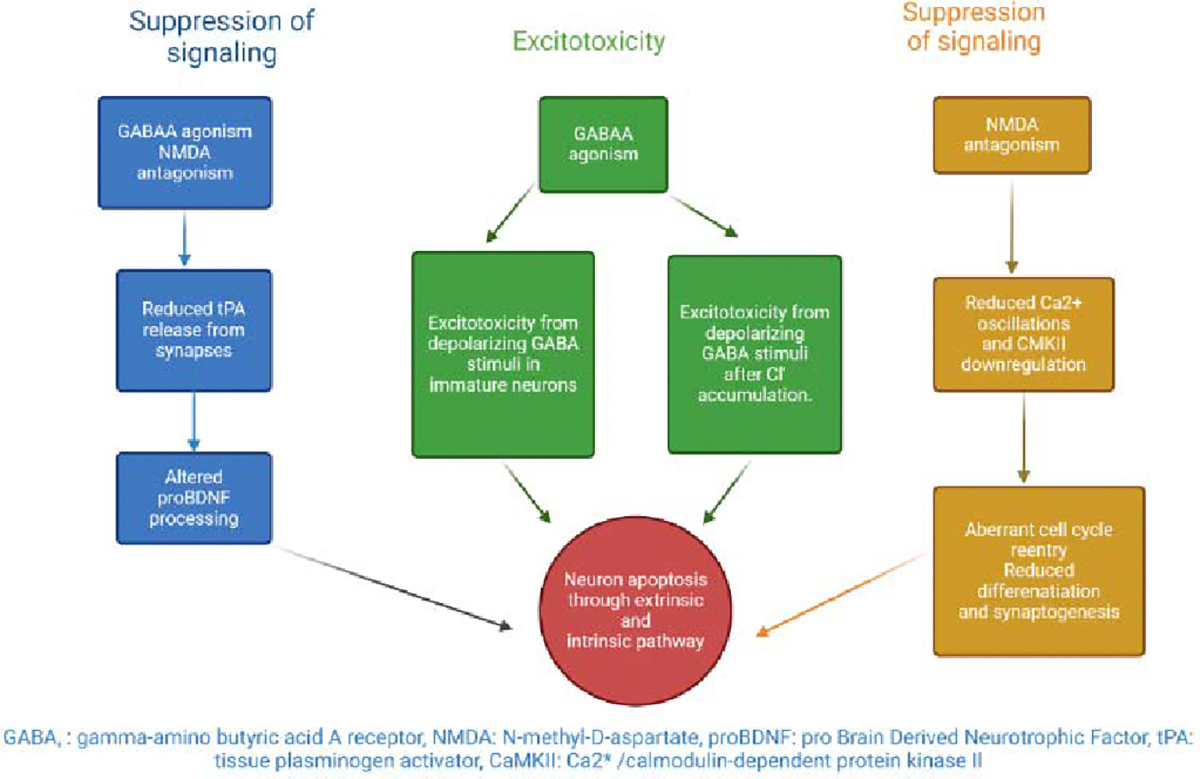
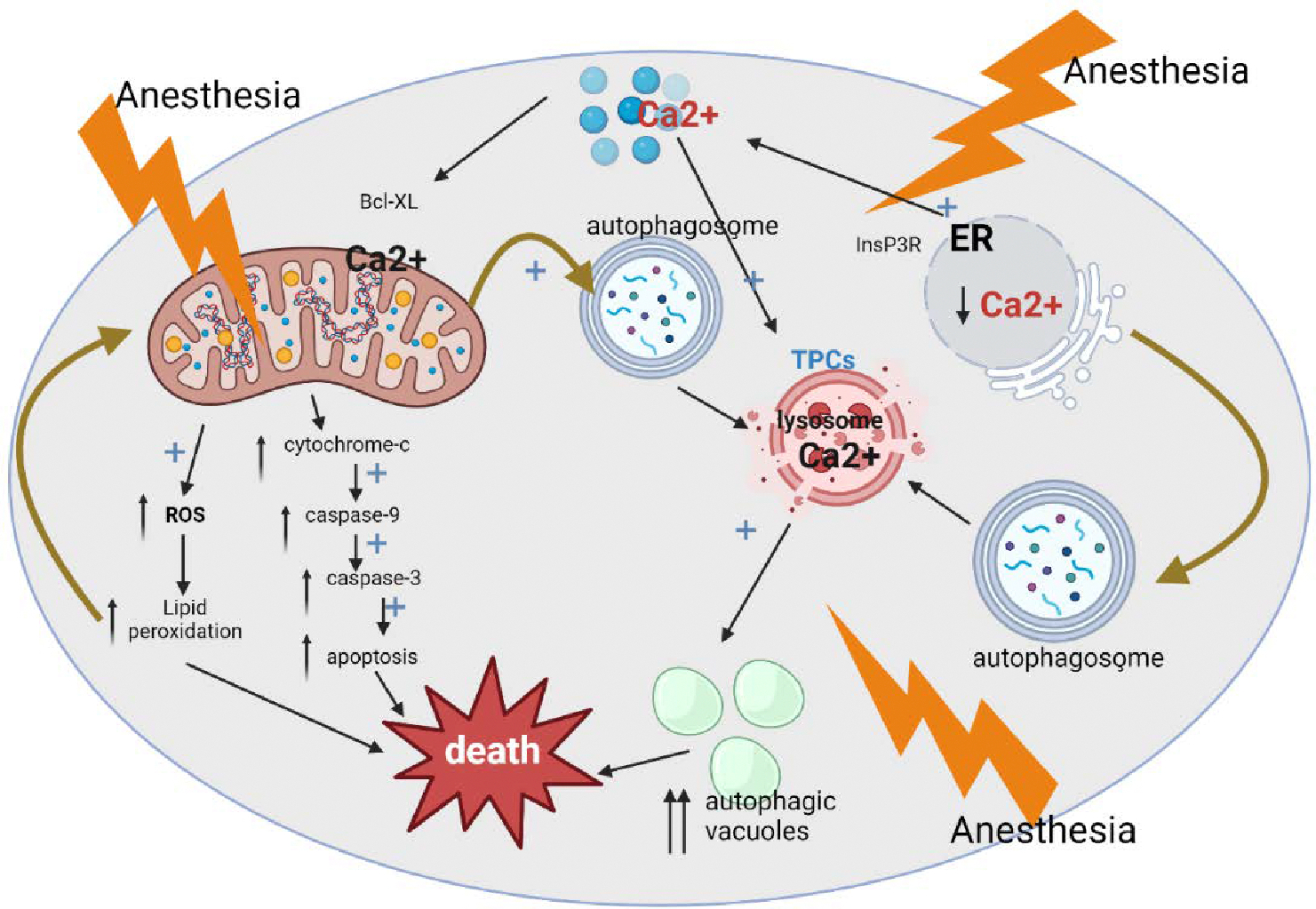
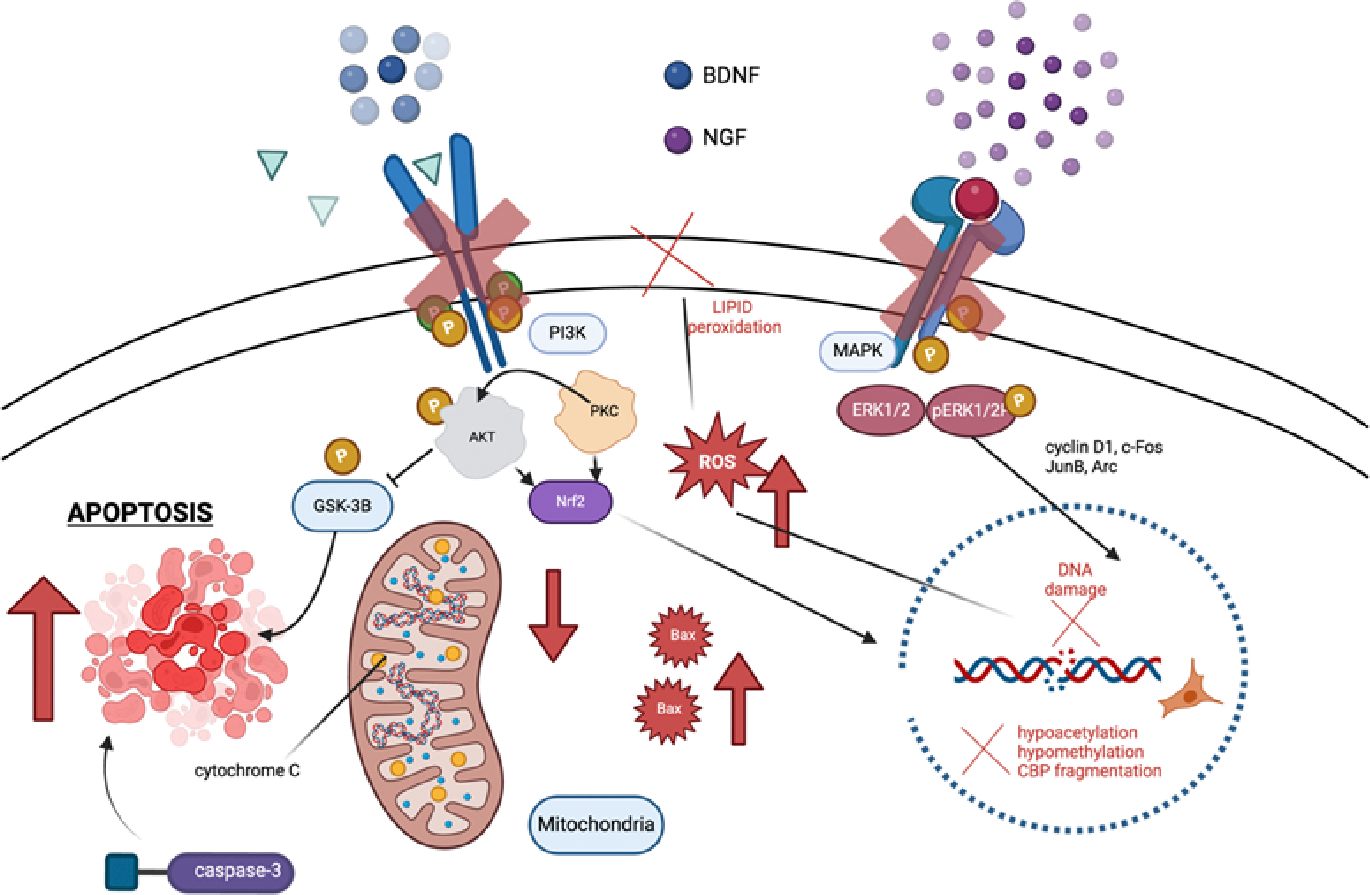
Anesthetics and sedatives may cause long-term negative neurocognitive consequences in children. Many clinical reports on this subject have had a profound impact on the field of clinical pediatric anesthesiology. Findings from animal models suggest that early exposure to anesthesia might cause neurocognitive impairment and apoptotic cell death in the brain. Even though the findings from the experimental animals cannot be directly translated to the use of anesthesia in pediatric population due to many variable factors, parents and government regulatory bodies have become sensitive and attentive to the potential adverse effects of anesthesia in children. Multiple epidemiological investigations in human have added to the growing body of evidence showing neurological impairment and cognitive decline after early anesthetic exposure. This is supported by several outcome indicators, including validated neuropsychologic testing, educational interventions for neurodevelopmental or behavioral disorders, and academic performance or school readiness. These outcomes have been evaluated in clinical studies involving children who have been subjected to general anesthesia. The primary goal of this article is to critically review the clinical findings, perform systematic analyses of the evidence, discuss potential underlying mechanisms of neurotoxicity, the pathophysiology of anesthesia-induced developmental neurotoxicity involving mitochondria, endoplasmic reticulum, and lysosomes, and the ethical considerations of pediatric anesthesia. Although detailed well-controlled clinical studies are warranted, the evidence so far support that the potential adverse effects of surgical anesthesia to induce neurotoxicity in pediatric population are not exaggerated.
麻醉剂和镇静剂可能会给儿童带来长期负面的神经认知后果。许多关于这一主题的临床报告对临床小儿麻醉学领域产生了深远影响。动物模型的研究结果表明,早期接触麻醉可能会导致大脑神经认知障碍和凋亡性细胞死亡。尽管由于多种可变因素,实验动物的研究结果不能直接套用到儿科人群的麻醉应用上,但家长和政府监管机构已开始对麻醉对儿童的潜在不良影响保持敏感和关注。针对人类的多项流行病学调查进一步增加了证据,表明早期接触麻醉后会出现神经功能损害和认知能力下降。这得到了多个结果指标的支持,包括经过验证的神经心理学测试、针对神经发育或行为障碍的教育干预措施,以及学业成绩或入学准备情况。这些结果已在涉及接受全身麻醉儿童的临床研究中得到评估。本文的主要目的是批判性地回顾临床研究结果,对证据进行系统分析,讨论神经毒性的潜在机制、涉及线粒体、内质网和溶酶体的麻醉诱导发育性神经毒性的病理生理学,以及小儿麻醉的伦理考量。尽管需要进行详细的严格对照临床研究,但目前的证据支持手术麻醉在儿科人群中诱导神经毒性的潜在不良影响并非夸大其词。