
创伤性脑损伤与脑-肠-微生物轴关系的研究进展
Research progress on the relationship between traumatic brain injury and brain-gut-microbial axis.
作者信息
Yu Jie, Chen Yun-Xin, Wang Jin-Wei, Wu Hai-Tao
机构信息
Department of Neurosurgery Affiliated Hospital of Zunyi Medical University Zunyi Guizhou China.
出版信息
Ibrain. 2024 Mar 30;10(4):477-487. doi: 10.1002/ibra.12153. eCollection 2024 Winter.
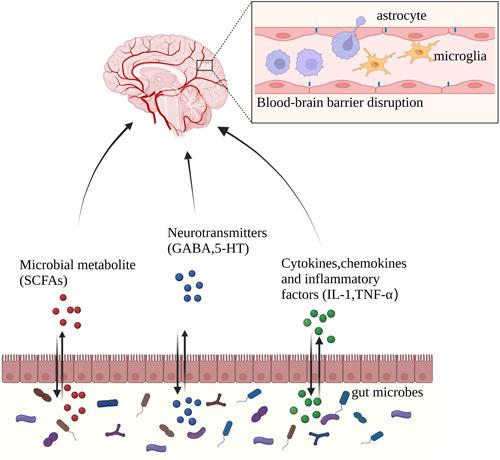
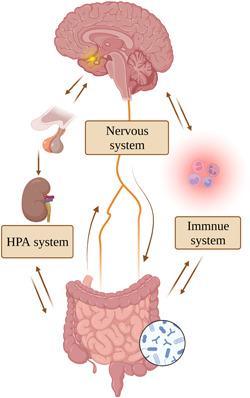
Traumatic brain injury (TBI) is a common disease with a high rate of death and disability, which poses a serious threat to human health; thus, the effective treatment of TBI has been a high priority. The brain-gut-microbial (BGM) axis, as a bidirectional communication network for information exchange between the brain and gut, plays a crucial role in neurological diseases. This article comprehensively explores the interrelationship between the BGM axis and TBI, including its physiological effects, basic pathophysiology, and potential therapeutic strategies. It highlights how the bidirectional regulatory pathways of the BGM axis could provide new insights into clinical TBI treatment and underscores the necessity for advanced research and development of innovative clinical treatments for TBI.
创伤性脑损伤(TBI)是一种常见疾病,死亡率和致残率很高,对人类健康构成严重威胁;因此,有效治疗TBI一直是重中之重。脑-肠-微生物(BGM)轴作为大脑和肠道之间进行信息交换的双向通信网络,在神经疾病中起着至关重要的作用。本文全面探讨了BGM轴与TBI之间的相互关系,包括其生理效应、基本病理生理学和潜在治疗策略。它强调了BGM轴的双向调节途径如何能够为临床TBI治疗提供新的见解,并强调了对TBI创新临床治疗进行深入研究和开发的必要性。
 Zotero 插件