Peng Wenshuo, Guo Kaiming, Hu Jian, Wang Qianchun
Department of Pharmacy, The First Affiliated Hospital of Wenzhou Medical University, Wenzhou 325015, China.
School of Pharmaceutical Sciences, Wenzhou Medical University,Wenzhou 325015, China.
eNeuro. 2024 Dec 18;12(1). doi: 10.1523/ENEURO.0254-24.2024.
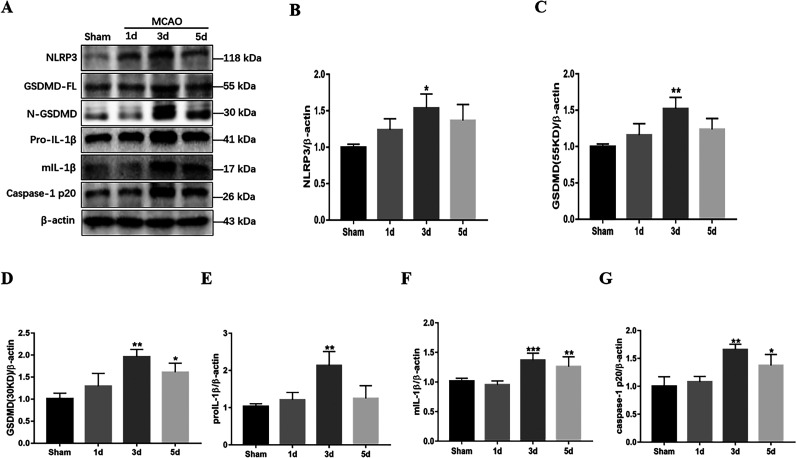
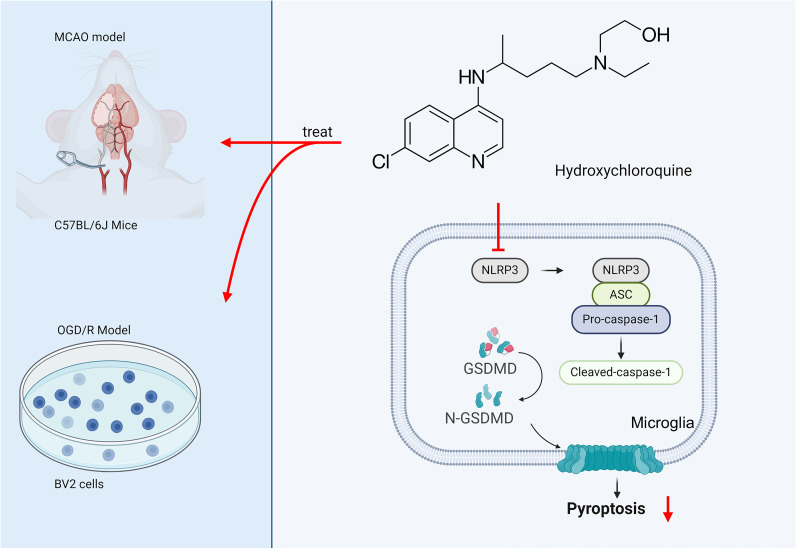
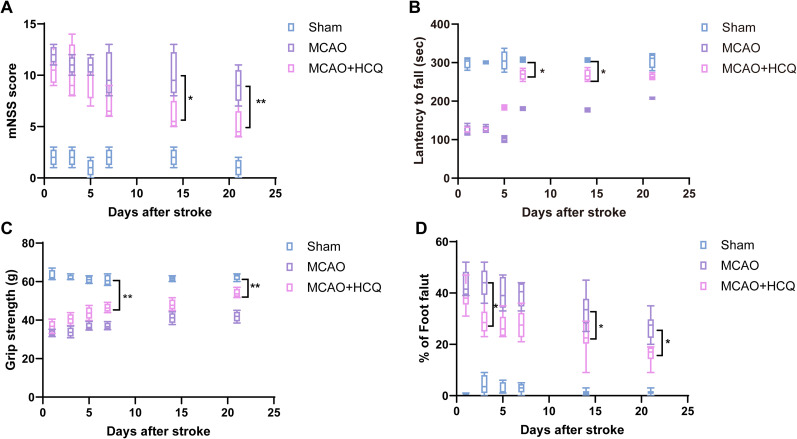
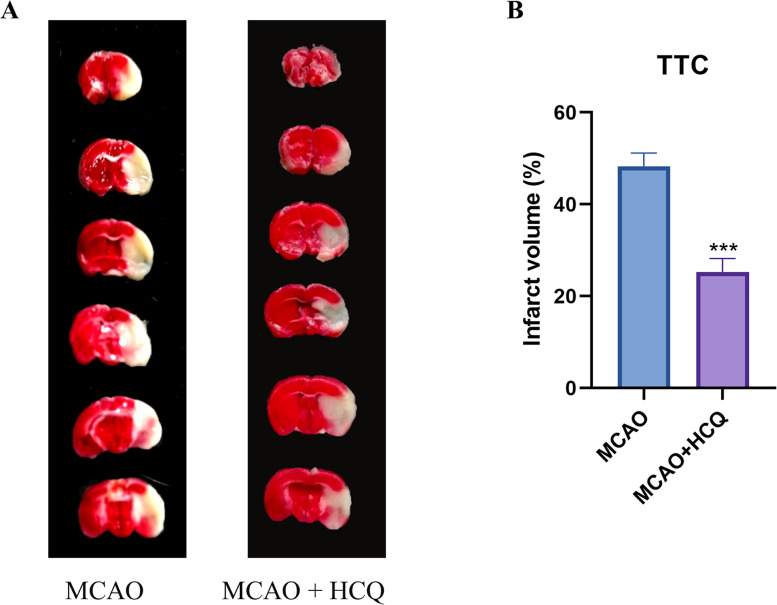
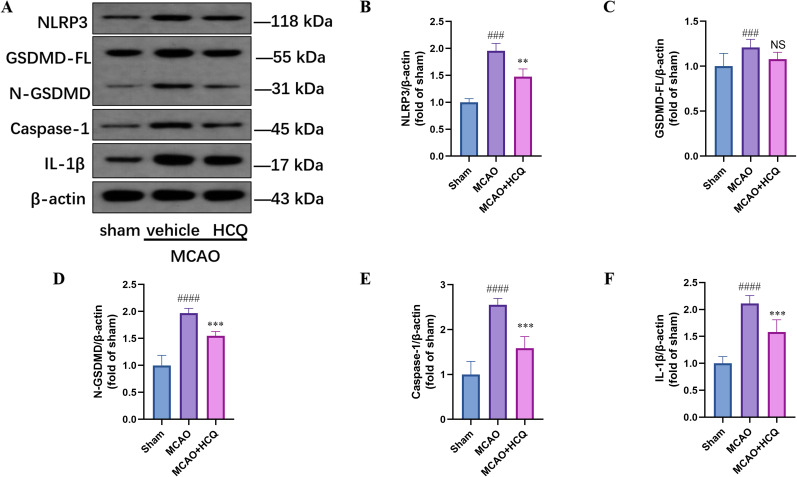
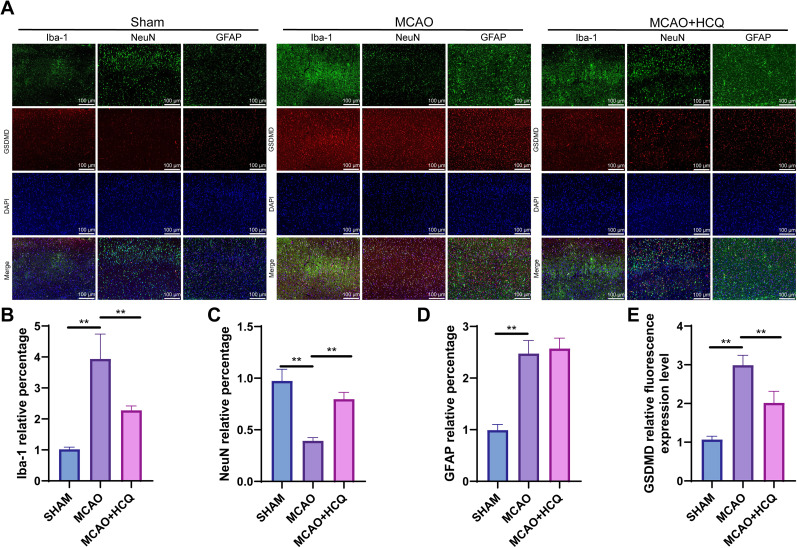
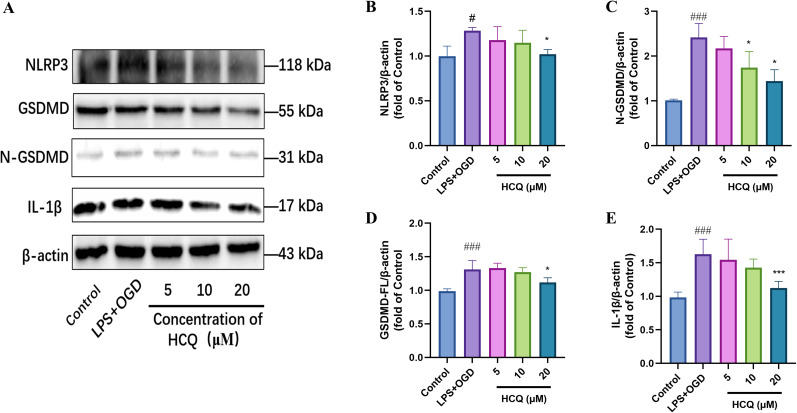
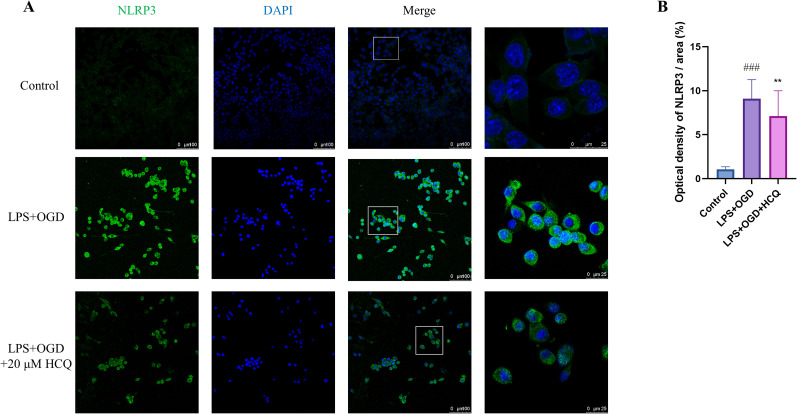
Hydroxychloroquine (HCQ), a well-known antimalarial and anti-inflammatory drug, has demonstrated potential neuroprotective effects in ischemic stroke by inhibiting pyroptosis, a programmed cell death associated with inflammation. This study investigates the impact of HCQ on ischemic stroke pathology using both in vivo and in vitro models. In vivo, C57BL/6 mice subjected to middle cerebral artery occlusion (MCAO) were treated with HCQ. Neurological deficits, infarct volume, and the expression of pyroptosis markers were evaluated. The results demonstrated that HCQ significantly improved motor function and reduced infarct volume in the MCAO mouse model. , BV2 microglial cells exposed to lipopolysaccharide (LPS) and oxygen-glucose deprivation (OGD) were treated with HCQ. Western blot and immunofluorescence analyses revealed that HCQ effectively suppressed the expression of pyroptosis markers GSDMD and NLRP3 in both in vivo and in vitro models. These findings suggest that HCQ mitigates ischemic stroke damage by inhibiting pyroptosis, highlighting its potential as a therapeutic agent for ischemic stroke. This study provides novel insights into the molecular mechanisms by which HCQ exerts its neuroprotective effects, offering a promising new avenue for developing safe, cost-effective, and widely applicable stroke treatments. The potential of HCQ to modulate neuroinflammatory pathways presents a significant advancement in ischemic stroke therapy, emphasizing the importance of targeting pyroptosis in stroke management and the broader implications for treating neuroinflammatory conditions. Ischemic stroke remains a leading cause of disability and death globally, with limited effective treatments. This study reveals that HCQ significantly mitigates ischemic stroke damage by inhibiting pyroptosis, a form of programmed cell death. Using in vivo and in vitro models, HCQ was shown to improve motor function and reduce infarct volume, highlighting its potential as a neuroprotective agent. These findings offer a promising new therapeutic approach for ischemic stroke, emphasizing the importance of targeting pyroptosis in stroke treatment.
羟氯喹(HCQ)是一种著名的抗疟疾和抗炎药物,已通过抑制细胞焦亡(一种与炎症相关的程序性细胞死亡)在缺血性中风中显示出潜在的神经保护作用。本研究使用体内和体外模型研究了HCQ对缺血性中风病理的影响。在体内,对接受大脑中动脉闭塞(MCAO)的C57BL/6小鼠用HCQ进行治疗。评估神经功能缺损、梗死体积和细胞焦亡标志物的表达。结果表明,HCQ在MCAO小鼠模型中显著改善了运动功能并减少了梗死体积。此外,用HCQ处理暴露于脂多糖(LPS)和氧葡萄糖剥夺(OGD)的BV2小胶质细胞。蛋白质免疫印迹和免疫荧光分析显示,HCQ在体内和体外模型中均有效抑制了细胞焦亡标志物GSDMD和NLRP3的表达。这些发现表明,HCQ通过抑制细胞焦亡减轻缺血性中风损伤,突出了其作为缺血性中风治疗药物的潜力。本研究为HCQ发挥神经保护作用的分子机制提供了新的见解,为开发安全、经济有效且广泛适用的中风治疗方法提供了一条有前景的新途径。HCQ调节神经炎症途径的潜力代表了缺血性中风治疗的重大进展,强调了在中风管理中靶向细胞焦亡的重要性以及对治疗神经炎症性疾病的更广泛意义。缺血性中风仍然是全球致残和死亡的主要原因,有效治疗方法有限。这项研究表明,HCQ通过抑制程序性细胞死亡的一种形式——细胞焦亡,显著减轻缺血性中风损伤。使用体内和体外模型,HCQ被证明可改善运动功能并减少梗死体积,突出了其作为神经保护剂的潜力。这些发现为缺血性中风提供了一种有前景的新治疗方法,强调了在中风治疗中靶向细胞焦亡的重要性。